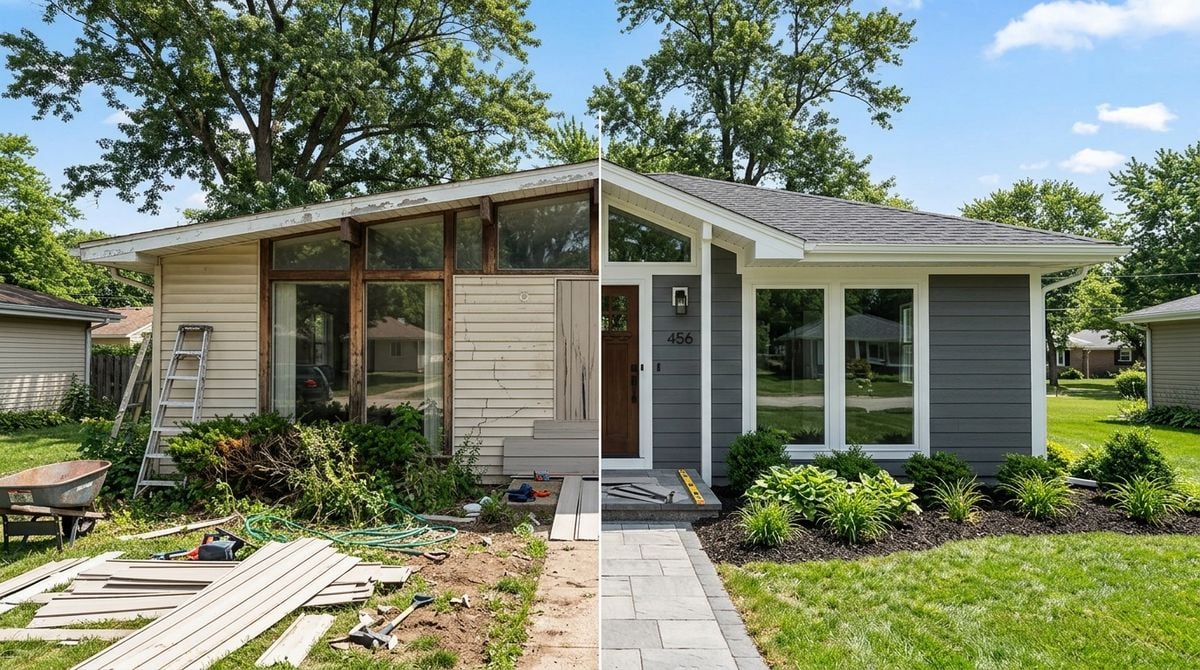
Taking on home renovation tasks without hiring an outside contractor has become an attractive pathway for property owners seeking to build equity while controlling labor expenses. The opportunity to handle carpentry, painting, tile installation, or trim work directly can substantially reduce upfront payroll costs. However, self-managed improvements introduce financial variables that casual planners often overlook, from specialized tool acquisitions to unforeseen structural adjustments.
A successful self-directed project requires treating personal labor with the same accounting rigor that a commercial contractor applies to a job site. Without clear cost boundaries and systematic planning, small aesthetic refreshes can quickly expand into unmanageable financial drains. Homeowners can preserve their hard-earned capital by understanding how equipment, workspace prep, and milestone budgeting interact across the life of a project.
Evaluating True Tool and Material Requirements
Before purchasing raw building supplies, an accurate assessment of the physical tools needed to complete the work is essential. Many homeowners calculate the cost of lumber, paint, or tile but neglect the machinery required to measure, cut, secure, and finish those materials. Purchasing professional-grade equipment for a brief home project can erase the financial advantages of doing the labor yourself.
Evaluating whether to buy, rent, or borrow equipment depends on the anticipated frequency of use and the technical complexity of the task. Basic hand tools and durable measuring instruments often justify a direct purchase because they serve ongoing household maintenance needs. In contrast, heavy floor sanders, tile saws, or scaffolding are generally more economical to secure through daily or weekly rental agreements.
Gathering clear instructional guidance before making major purchases helps prevent expensive trial-and-error mistakes on the job site. When homeowners seek visual guidance on remodeling techniques, project workflows, and tool selection, consulting educational platforms like DIY Television can offer practical clarity on execution requirements before committing hard-earned funds to retail hardware stores.
Protecting Existing Assets and Managing Renovation Mess
A frequent hidden expense in hands-on remodeling stems from incidental damage caused to finished living areas. Abrasive drywall dust, wood shavings, paint splatter, and tracked-in grit can degrade hardwood floors, stain upholstery, and clog central air filtration systems. Replacing damaged household finishes after completing a room update quickly inflates total project expenses.
Allocating money for protective barriers, floor paper, and specialized cleanup machinery is an essential defensive financial measure. Relying on standard residential household appliances to clean coarse construction debris often leads to premature motor burnout, which forces unplanned replacement purchases. High-capacity cleaning gear designed to handle fine particulate matter protects both the home environment and your household budget.
Investing in reliable utility maintenance tools ensures that airborne particulates and sharp construction residues are neutralized safely. Finding The Best Vacuum for Cleaning helps homeowners maintain orderly workspaces and protects existing heating and cooling equipment from dust accumulation, thereby avoiding expensive service calls and premature system replacements.
Comparing Interior Improvements with Structural Expansions
During the planning phase, property owners must determine whether their current footprint can accommodate their lifestyle goals or if an expansion is truly necessary. Reconfiguring an interior room to add storage or create a multi-purpose workshop requires budgeting for wall restructuring, updated lighting, and surface finishes. These interior adjustments are often cost-effective because they leverage the existing thermal envelope and utility connections.
However, when living space remains cramped despite aggressive interior reorganization, building outward or establishing standalone utility buildings becomes a consideration. Detached workshops, storage outbuildings, and studio sheds can preserve the tranquility of the primary residence while providing dedicated operational space. Such larger undertakings require distinct capital planning and specialized financing arrangements compared to basic cosmetic overhauls.
Homeowners weighing extensive property upgrades often evaluate their financing alternatives carefully when deciding whether to reconfigure an existing room or build an exterior annex. Reviewing practical strategies for financing detached structures to expand usable space can help families determine whether an independent building aligns with their overall balance sheet and long-term property equity goals.
Building a Contingency Buffer for Unexpected Complications
No residential renovation proceeds entirely according to the initial blueprint, especially in properties with prior homeowner modifications. Once drywall is removed or subflooring is exposed, issues such as non-standard framing, aging pipes, or moisture intrusion frequently come to light. Failing to account for these latent defects can force homeowners to halt work mid-stride, leaving living spaces unusable for weeks.
A dedicated contingency reserve should be established before any demolition begins. This cash reserve must remain untouched during initial material purchasing, serving exclusively as insurance against structural surprises or necessary safety rectifications. If the project finishes without encountering structural anomalies, those funds remain intact for future household savings or subsequent renovation phases.
Managing the emotional desire to upgrade finishes using contingency funds is a cornerstone of prudent home financial management. Discipline during the rough-in and preparation stages prevents capital shortages when closing up walls and applying finishing touches. Staying committed to the original budget ceiling ensures that sweat equity translates into genuine balance sheet gains.
Establishing Disciplined Cash Flow Tracking Methods
Maintaining positive cash flow throughout a renovation project requires establishing distinct financial milestones rather than treating the project as an open-ended spending account. Breaking a large remodel into discrete phases allows the homeowner to reconcile expenses at each stage, verifying that actual costs match initial estimates before releasing additional capital.
Adopting systematic record-keeping practices keeps small incidental purchases from quietly undermining the overall financial plan. The following practical habits help maintain financial control across any home improvement initiative:
- Separate required building supplies into structural materials, safety equipment, and consumable hardware.
- Log every purchase receipt into a dedicated project register immediately upon returning from supply stores.
- Establish a strict purchasing pause whenever actual costs in any phase exceed original projections.
- Sell surplus building materials and specialized rental tools through community marketplaces once work is finished.
Reconciling project expenditures on a regular basis ensures that unforeseen price fluctuations in raw lumber, fasteners, or plumbing fittings are recognized early. When cost overruns appear in one category, corresponding adjustments can be made to optional decorative elements later in the timeline, keeping the total bottom line secure.
Hands-on home renovation remains a powerful vehicle for enhancing residential comfort and long-term financial resilience. By approaching physical work with methodical budgeting, dedicated equipment selection, and rigorous expense tracking, homeowners can successfully improve their living environments without jeopardizing their broader financial security.