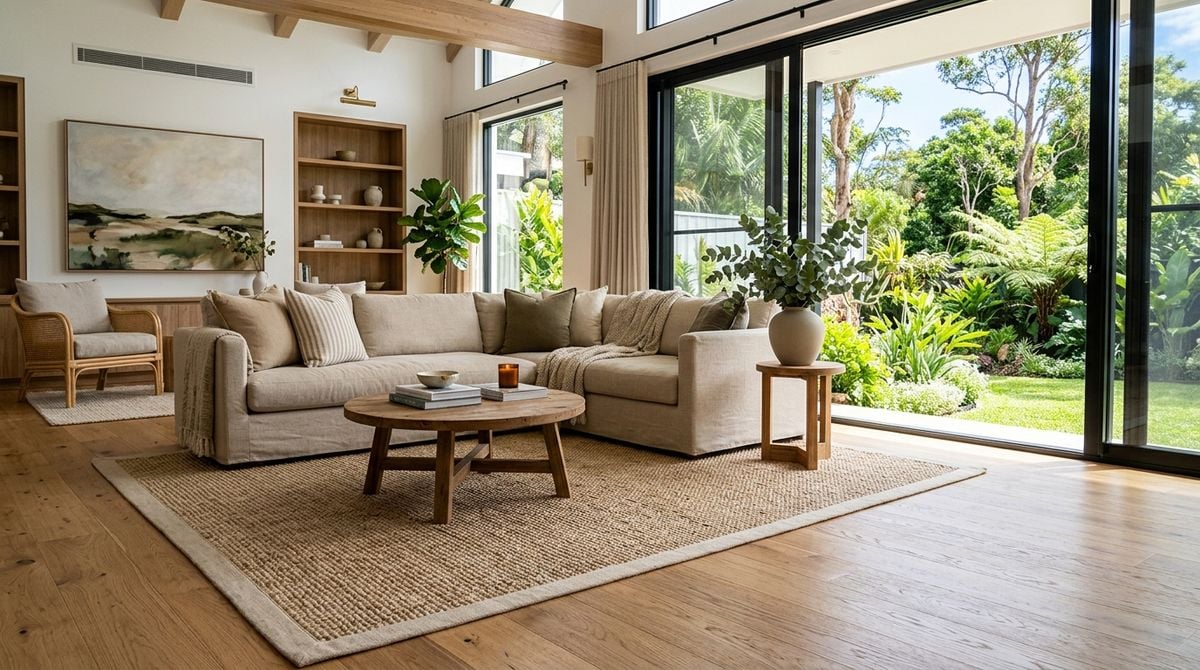
Every living space eventually requires a visual refresh, yet transforming a room through intentional interior decorating often brings unexpected financial pressures. Homeowners and property managers frequently discover that cosmetic changes, from updating wall treatments to curating cohesive furnishings, add up quickly if approached without a clear fiscal strategy. Balancing personal aesthetic ambitions with sound money management allows households to revitalize their environment while keeping existing reserves intact.
Approaching decorative enhancements through a financial lens prevents impulse purchases that strain monthly cash flow. Rather than viewing room styling as an uncontrolled series of ad hoc purchases, property owners can treat interior upgrades as structured, value-conscious investments in daily comfort and presentation. Establishing an orderly framework for these updates ensures that each decorative choice delivers lasting aesthetic value without compromising broader long-term financial goals.
Distinguishing Decorative Enhancements from Capital Projects
A successful decorating budget starts by strictly separating purely aesthetic touches from major capital improvements. Structural changes, roof maintenance, plumbing overhauls, and electrical rewiring serve essential functional purposes and typically fall under long-term capital preservation budgets. In contrast, decorative updates involve surface materials, accent pieces, color schemes, lighting fixtures, and textiles that elevate visual appeal without altering the building footprint or mechanical systems.
When resources are divided between primary repairs and visual enhancements, prioritizing structural integrity and safety must always come first. Once fundamental living conditions are secure, aesthetic improvements can proceed with distinct funding sources and clear limits. Exploring earlier discussions on smart financial planning for renovation tasks helps clarify how to balance labor choices and material costs across varied project types. Maintaining this distinction prevents cosmetic work from siphoning money away from critical household upkeep.
Structuring Cash Flow and Avoiding Costly Financing
Using high-interest credit lines or short-term consumer financing for non-essential home styling creates unnecessary recurring costs that linger long after the paint dries. Financing decorative goods through debt not only inflates the true cost of each item through interest charges but also restricts future financial agility. A more sustainable approach involves creating a dedicated sinking fund specifically tailored for interior decor goals.
By setting aside manageable sums from discretionary income over several billing cycles, homeowners accumulate the liquid capital needed to pay for furnishings and materials outright. This simple discipline establishes a natural spending ceiling that keeps aspirations grounded in reality. When money must be saved in advance, buyers tend to evaluate their style preferences much more critically, eliminating frivolous purchases.
Implementing a phased purchasing calendar further aligns decorative ambitions with regular income cycles. Instead of attempting a complete room overhaul in a single weekend, buyers can acquire foundational items first, followed by supporting accents in subsequent months. This deliberate pacing provides an opportunity to live in the space as it evolves, reducing the likelihood of buyer regret on expensive decorative pieces that fail to harmonize with the overall room atmosphere.
Researching Practical Concepts and Material Selection
Smart design choices rely heavily on diligent research before spending any funds. Exploring design concepts in advance helps owners identify durable finishes and versatile styles that remain appealing across changing trends. Discovering how different layout configurations influence lighting and room perception allows decorators to achieve significant visual impact through modest adjustments rather than costly full replacements.
Homeowners seeking fresh ideas for practical domestic upgrades can explore dedicated creative resources such as specialedoptions.com to discover practical solutions for improving living spaces before committing capital to showroom orders. Reviewing varied creative perspectives prevents costly design missteps and illuminates alternative methods for refreshing living quarters. Selecting classic textures and neutral base finishes provides flexibility, enabling future seasonal updates using affordable accents rather than comprehensive remodels.
Material resilience represents another critical financial variable. Choosing durable upholstery, stain-resistant rugs, and washable wall finishes protects the initial decorative outlay against premature wear and tear. Spending slightly more on high-touch surfaces while economizing on static decorative accessories ensures that the room maintains its pristine appearance for years without requiring frequent replacement expenditures.
Targeting High-Impact Focal Points and Room Styling
Directing financial resources toward focal areas yields the greatest visual return for every dollar allocated. In any given living area, the eye naturally gravitates toward specific architectural or decorative features. Concentrating investments on these primary elements establishes an upscale ambiance while allowing secondary surfaces to remain simple and economical.
- Architectural wall molding and tailored paint accents that define seating or dining areas.
- Upgraded statement lighting that balances warm illumination with elegant fixture design.
- Durable anchor furnishings such as dining tables or central sofas that withstand daily wear.
- Coordinated window drapery and substantial area rugs that tie varied room tones together.
When planning statement rooms or distinctive decorative finishes that command attention, learning how specialized interior styling leads to cohesive spaces is key; examining design specialists like deltadesignltd.co.uk provides useful context on how balanced layouts and artistic detailing transform ordinary interiors. By studying professional approaches to balance and visual hierarchy, homeowners can make deliberate styling choices that maximize the aesthetic return on their decorative budget.
Managing Incidental Expenses and Maintaining Reserves
Even modest decorative initiatives incur secondary costs that often escape initial estimates. Wall preparation supplies, specialized mounting hardware, delivery surcharges, assembly fees, and protective coatings represent incidental expenses that accumulate rapidly across multiple rooms. Failing to account for these ancillary items can quickly lead to budget overruns or unfinished projects that languish mid-stream.
Prudent project managers establish a separate cushion within the decorating budget specifically to absorb these auxiliary expenses. Creating a detailed inventory of required tools and minor supplies before initiating work keeps expenditures transparent. If minor surprises emerge during installation, having dedicated contingency reserves ensures that project momentum continues smoothly without pulling funds from essential household accounts.
Tracking every small receipt in a straightforward ledger or digital spreadsheet reinforces financial accountability throughout the process. When decorators observe how minor purchases compound over time, they naturally become more discerning about optional extras. This ongoing vigilance guarantees that the finished project remains an authentic financial success rather than an unexpected burden.
A thoughtful interior refresh should enhance everyday life without introducing fiscal strain. When decorative plans are supported by disciplined cash allocation, patient sourcing, and focused execution on central focal points, living spaces transform into welcoming environments that reflect personal taste. Viewing aesthetic enhancements as deliberate steps within an organized budget protects long-term solvency while delivering lasting personal enjoyment.
By resisting the impulse to finance decorative items on credit and choosing instead to phase improvements methodically, homeowners establish sustainable habits that serve them well throughout their homeownership journey. Beautiful interiors need not require financial compromise; with thoughtful preparation, deliberate sourcing, and clear financial boundaries, any residence can achieve a refined, comfortable look that stands the test of time.