



Ever wonder if your furry friend is really getting the best from their meals? Most of us think that just filling a bowl is enough, but feeding your pet organic meals can make a huge difference.
Imagine a bowl filled with fresh, vibrant ingredients that boost your pet's strength and keep them happy. The crisp crunch of veggies or the savory aroma of real meat can spark joy and energy in your pet’s day.
In our guide, we share how USDA-approved foods help give your pet a shiny coat, active energy, and a balanced life. It’s amazing how simple, natural meals can transform your pet’s well-being.
Happy pets truly thrive on a diet that feels fresh and natural. Switching to organic nutrition might just be the best pet care decision you ever make.
Organic Pet Nutrition Fundamentals
When it comes to feeding our furry friends, going organic is more than just filling a bowl, it’s about giving them meals that boost their body, mind, and spirit. Imagine preparing a meal for your cat with ingredients as fresh and pure as a crisp morning breeze, free from any artificial additives. It’s all about keeping things simple, natural, and chemical-free.
USDA-certified organic pet foods follow the same high standards that we expect from our own food. When a product says “organic” or “100% organic,” it means every ingredient has been carefully checked and approved, just like choosing the very best ingredients for a home-cooked meal. This top-notch nutrition supports shiny coats, healthy joints, and balanced weight, helping your pet feel its best.
Feeding your pet a balanced, naturally sourced meal is a heartfelt way to boost their overall health and happiness. It’s a simple reminder that when we put love and care into our pet’s diet, we help them thrive every day.
Benefits of Organic Ingredients in Your Pet’s Diet

Organic foods can really make a difference in your pet’s life. They help brighten up their coat, keep their tummy happy, and give their immune system a natural boost. It’s like following nature’s own recipe, a meal free from artificial additives that loves your pet from the inside out.
Wholesome whole foods and natural supplements form the heart of an organic diet. For example, probiotics (those friendly germs that help your gut), omega fatty acids (great for shiny fur and a healthy heart), and CoQ-10 (a little helper for energy) all work together to support your pet. Plus, adding glucosamine, chondroitin, ginger, turmeric, and moringa helps keep joints strong, soothes inflammation, and calms upset tummies. This mix of natural ingredients packs in vitamins and minerals that keep your furry buddy active, agile, and feeling their best.
Choosing organic isn’t just great for your furry friend, it’s also kind to our planet. Organic farming methods reduce chemicals and protect our water and soil, meaning every meal is a win for both your pet and Mother Earth.
Understanding Organic Pet Food Labeling Standards
Have you ever wondered what “100% organic,” “organic,” or “made with organic ingredients” really means? When you see these labels, each one tells a different story. Products marked as 100% organic have passed a lot of strict tests, while those with just “organic” mostly contain certified organic bits. Often, these foods start with a top-quality meat, and you won’t find any fake colors or flavors here. Plus, claims like non-GMO and preservative-free aren’t just words, they’re backed up by independent checks to make sure your pet’s meal stays as natural and nutritious as a fresh bowl of kibble.
Reading the ingredient list carefully is super important. Look for a strong protein as the first ingredient and be cautious of any tricky terms that might hide synthetic additives. A USDA seal or another trusted certification mark is like a little badge of honor, showing that the food meets high standards. In truth, paying attention to these details not only confirms a chemical-free meal but also helps you stick to a non-GMO approach that keeps your pet’s diet balanced and healthy.
Comparing Organic and Conventional Pet Foods

Organic pet foods are a favorite among many pet lovers because they skip out on hormones, pack fewer synthetic additives, and come with lower pesticide residues. They do tend to cost a bit more and might be trickier to find in stores. Meanwhile, conventional pet foods are easier to pick up and usually won’t dent your wallet as much, but they might include antibiotics or chemicals that can give some pet parents a pause.
| Nutrient/Feature | Organic Food | Conventional Food |
|---|---|---|
| Protein % | High-quality sources that help support strong muscles | Quality can vary, and sometimes fillers are used |
| Fat % | Balanced levels without any unwanted hormones | Often inconsistent and may run higher |
| Additives | Very few extras, free from synthetic substances | May include artificial additives |
| Cost Consideration | Generally pricier due to premium sourcing | More budget-friendly with easier access |
Even though organic diets give a cleaner nutritional profile, it’s good to remember that "organic" doesn’t guarantee complete nutrition for every stage of your pet’s life. The secret is balance, choosing foods that offer nutrient-rich ingredients like quality proteins, carefully balanced fats, and minimal additives. Many pet parents feel that the extra cost of organic food is worth it for fewer chemicals and a focus on overall health. Still, every pet is unique, so it’s always smart to consider your furry friend’s specific dietary needs when deciding what to serve up for mealtime.
Building Balanced Organic Meal Plans for Dogs and Cats
When it comes to feeding our furry pals, it’s important to remember that dogs and cats have different needs. For dogs, a good rule of thumb is to aim for a meal that’s made up of about 60% organic protein, think of tender grass-fed beef, with 20% fresh, crunchy vegetables like carrots or green beans and another 20% of grains or grain-free options such as sweet potato. For our feline friends, who naturally crave meat, try to serve a dish that’s 80% organic meat, along with 10% of nutrient-rich organ meat and a finishing 10% of organic veggies, like pumpkin, to help with digestion. These guidelines celebrate what nature intended and can be tweaked to suit your pet’s taste and health.
Imagine whipping up a meal for your dog: start with a big serving of grass-fed beef mixed with a rainbow of vegetables. Add a little brown rice or choose a grain-free option like sweet potato to round it off. When it comes to cats, picture a bowl filled mostly with organic chicken or turkey, a dash of liver for extra vitamins, and a swirl of pumpkin puree to aid their tummy. Many pet parents blend in a few conventional ingredients too, like cage-free poultry or free-range beef, so your pet’s plate is as budget-friendly as it is nutritious.
And don’t forget the little extras! Every meal should include those vital micronutrients like vitamins, minerals, and fiber. Picking nutrient-packed ingredients helps your pet feel energetic and healthy every day, all while keeping their diet true to an organic way of eating.
Safely Transitioning to an Organic Pet Diet

Changing your pet’s meals should feel like a gentle adventure. Instead of a sudden switch, take about 7 to 10 days to mix things up. This slow change helps keep their tummy happy and lets them savor the fresh, organic goodness without any upset.
Imagine stirring that new meal into your pet's current bowl, just like blending two favorite flavors together. Start by mixing 25% organic food with 75% of the regular food. Then, gradually tip the scales, next, mix in 40% organic while cutting back a bit on the old food.
After that, try an even split with 50% organic and 50% of the usual meal. As your pet grows accustomed to the change, move to 75% organic and just 25% of the old food. Finally, let them enjoy 100% organic food by the end of the 7 to 10 days.
Throughout this journey, keep a close eye on your furry friend's behavior. Notice any signs like a change in their stool or a small allergy? If anything seems off, slow things down and give a few extra days at each step. Little adjustments, combined with consistent feeding times, can make this transition a smooth and happy one for your beloved companion.
Organic Supplements and Treats: Enhancing Nutrition Naturally
Core supplements are like a daily boost for your pet’s health. They include multivitamins and minerals that keep cells doing their work, probiotics that help with digestion and fighting off little bugs, and omega fatty acids to keep their coat shiny and heart happy. Plus, ingredients like CoQ-10 give them extra energy, while joint supports such as glucosamine and chondroitin help them move easily. It’s like giving your pet a reliable daily multivitamin that lifts their whole spirit.
Herbal additions bring extra natural goodness but need a gentle touch. Natural ingredients like ginger, turmeric, moringa, bitter melon, and hemp seed oil are known for easing inflammation and calming upset tummies. They can help make digestion smoother and relieve minor discomfort when used in the right amounts. Always check the dosing instructions because sometimes just a little tiny bit works wonders, and quality really matters here.
Treats made with organic ingredients are more than just a tasty snack. You can find treats that are designed to calm, support healthy joints, aid digestion, fit a vegetarian diet, or even help with training. Their special recipes not only delight your pet’s taste buds but also add real health benefits. Experts suggest using these treats as rewards and as a supplement to a balanced diet, making snack time both nutritious and fun.
Sourcing and Selecting Certified Organic Pet Products
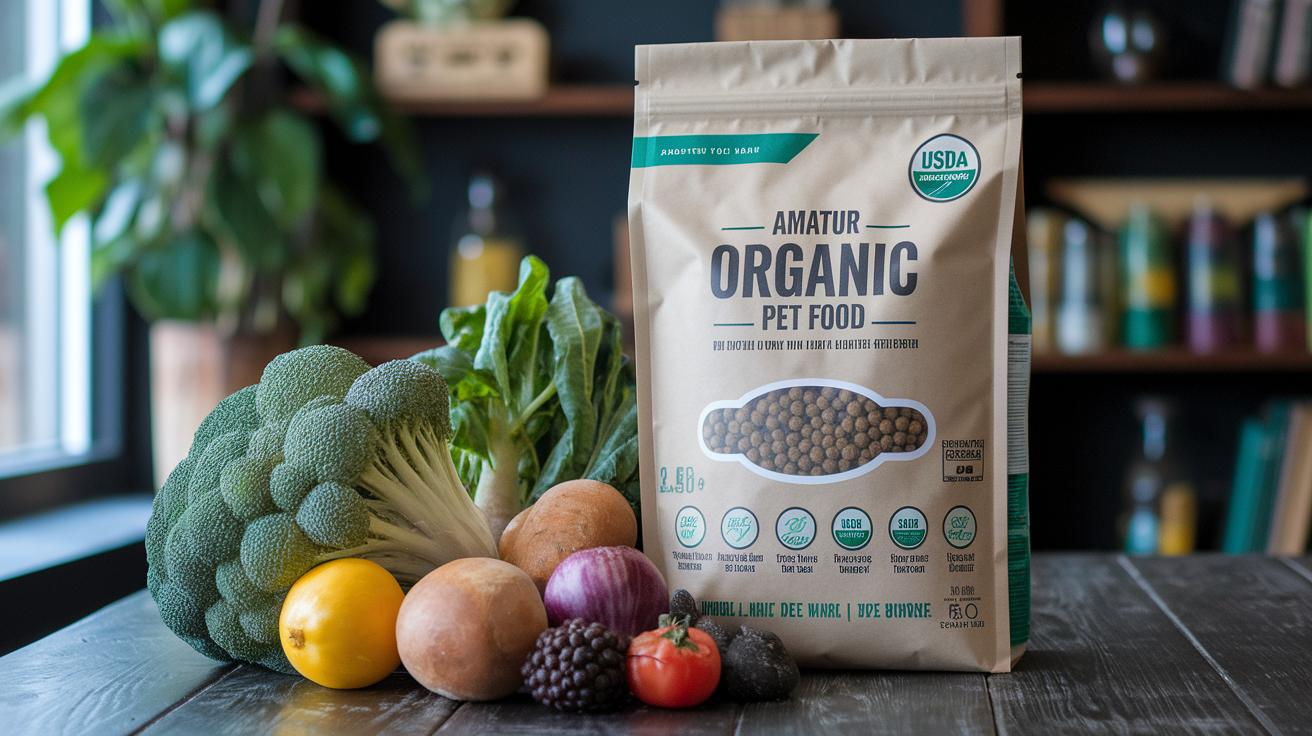
Organic pet food you can trust always starts with clear, honest labeling. When you're hunting for pet food, look for the USDA organic seal and other reliable marks on the package. These labels tell you that every ingredient meets strict standards and is free from synthetic additives. And hey, check if the first ingredient is a high-quality protein, it's a great way to know the food truly sticks to natural diet guidelines. A little extra care here means you can feel good knowing your pet is munching on the real deal.
Next, if you're after the best products, consider local organic farms, pet food co-ops, or brands that mix up raw formulas like cage-free poultry, free-range beef, and organic veggies. Sometimes, blending in a few conventional ingredients can make things more affordable while still giving your pet the nutritious meal they deserve. So choose sellers who care about eco-friendly sourcing, it nurtures your pet and gives a little nod to our planet too.
Final Words
In the action, we explored organic pet nutrition fundamentals, from holistic feeding frameworks and USDA organic standards to comparing organic versus conventional diets. We walked through balanced meal plans, simple transition techniques, and organic supplements, ensuring your pet’s diet supports overall health and happiness.
Our tips, backed by trustworthy advice, create an organic pet nutrition guide that helps maintain real well-being for your furry friend. Embrace these natural, actionable steps and enjoy every happy, healthy moment with your companion.
FAQ
What does the organic pet nutrition guide pdf cover for cats and dogs?
The organic pet nutrition guide pdf explains holistic feeding advice for cats and dogs, highlighting chemical‑free ingredients, balanced diets, and clear steps to choose USDA‑approved organic foods that support your pet’s overall health.
How does a dog nutrition chart help with implementing a healthy diet?
The dog nutrition chart breaks down key nutrients like protein, fat, and essential supplements in a simple format, helping you create balanced meals that support a shiny coat, strong joints, and robust overall health.
How can I prepare a healthy homemade dog diet?
A healthy homemade dog diet involves mixing quality proteins, veggies, and grains according to clear nutritional ratios. This approach provides natural nutrients while maintaining food safety and balanced dietary needs.
What role do dog nutrition supplements play in meeting nutritional requirements?
Dog nutrition supplements, such as omega fatty acids and multivitamins, support nutritional balance by filling gaps in homemade diets. They boost immune function, joint health, and help maintain proper nutrient percentages for your pet.