


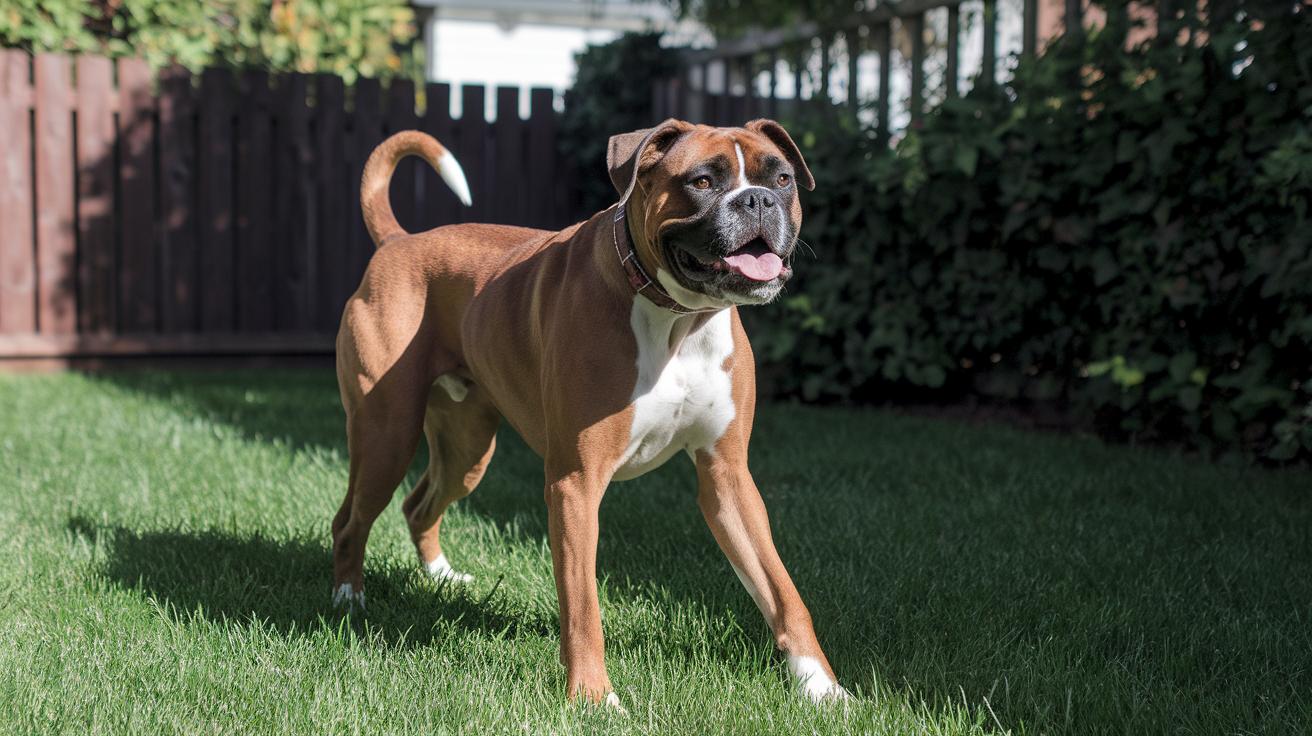
Have you ever come across a dog that's as lively as it is loving? Boxers are a unique blend of playful fun and protective loyalty. Their sparkling eyes and sleek, charming coats make them instantly lovable. They show us that play and care can be best buddies. Today, we'll share some simple pet care tips and explore the traits that make Boxers the perfect companion for families who love a mix of adventure and cuddle time.
Comprehensive Overview of the Boxer Dog Breed
Boxers are super lively and full of love, making them a perfect pet for any family. They have a short, smooth coat that might be red, tan, or even patterned with brindle or white. Sometimes, white boxers are born with hearing loss, just one of those unique things that make them special. With a compact, muscular body and big, expressive eyes, it's impossible not to be charmed by them at first glance.
These pups are always on the move and love a good game of fetch or a playful romp in the park. But don’t let their energy fool you, they’re also natural guardians who keep an eye on their loved ones. Ever seen a dog zoom around during playtime and then curl up beside you for a quiet evening? That’s a boxer in action. They do best with a bit of consistent training and plenty of praise, which keeps them both protective and playful.
In short, boxers bring a mix of spirited fun and gentle loyalty. They’re the ideal companions for pet parents looking for a friend who’s as energetic as they are caring.
Historical Origins and American Development of the Boxer Breed

Boxers began their journey in Germany during the late 1800s. Back then, breeders chose strong, hardworking dogs from the Bullenbeiser and even ancient Molossian lines dating back to 2000 B.C. Imagine early German breeders, with a twinkle in their eye, pairing dogs that combined fighting spirit with a heart full of loyalty. These traits set the stage for a breed that today brings joy to countless families.
The real game-changer came in 1904 when the American Kennel Club officially recognized the Boxer as its own breed. This event sparked a wave of interest and led breeders to refine their methods. In 1951, a Boxer named "Bang Away" wowed everyone at the Westminster Dog Show by winning Best in Show. That win was like a cheer for the entire Boxer community, telling the world these dogs are not just strong and agile; they’re also incredibly loving companions. Through thoughtful breeding and a deep respect for their past, Boxers transformed from ancient war dogs into the playful, devoted pals we know today.
Distinct Physical Characteristics of the Boxer Dog
Boxers sure know how to catch your eye. They have a sturdy yet nimble build that makes them perfect for both lively adventures and cozy cuddles. Most adult boxers measure about 21.5 to 25 inches tall and weigh between 50 and 80 pounds. It’s like they were made to be both strong and quick.
These dogs sport a short, glossy coat in fawn, brindle, or white. Whether they're trotting in the park or lounging on the couch, they always look polished and ready to play. Their unique face, with a flat muzzle, a little underbite, and those charming cheek folds, gives them a sweet and unforgettable expression.
| Key Trait |
|---|
| Height and weight ranges |
| Well-muscled shoulders and hindquarters |
| Short, glossy coat in fawn, brindle, or white |
| Brindle striping and contrasting white markings |
| Flat muzzle with underbite |
| Distinctive cheek folds and expressive eyes |
They pass on these cool traits from generation to generation, making sure boxers shine as both loving family pets and alert guardians. Their powerful shoulders and hindquarters let them play energetically, and that low-maintenance coat means you get more fun time and less grooming hassle. With a face that combines an underbite and bright, expressive eyes, these dogs give off a warm, friendly vibe that's hard to forget. Have you ever seen a boxer up close? It’s like they’re naturally built to make your day a whole lot brighter.
Temperament and Behavioral Traits of the Boxer Breed
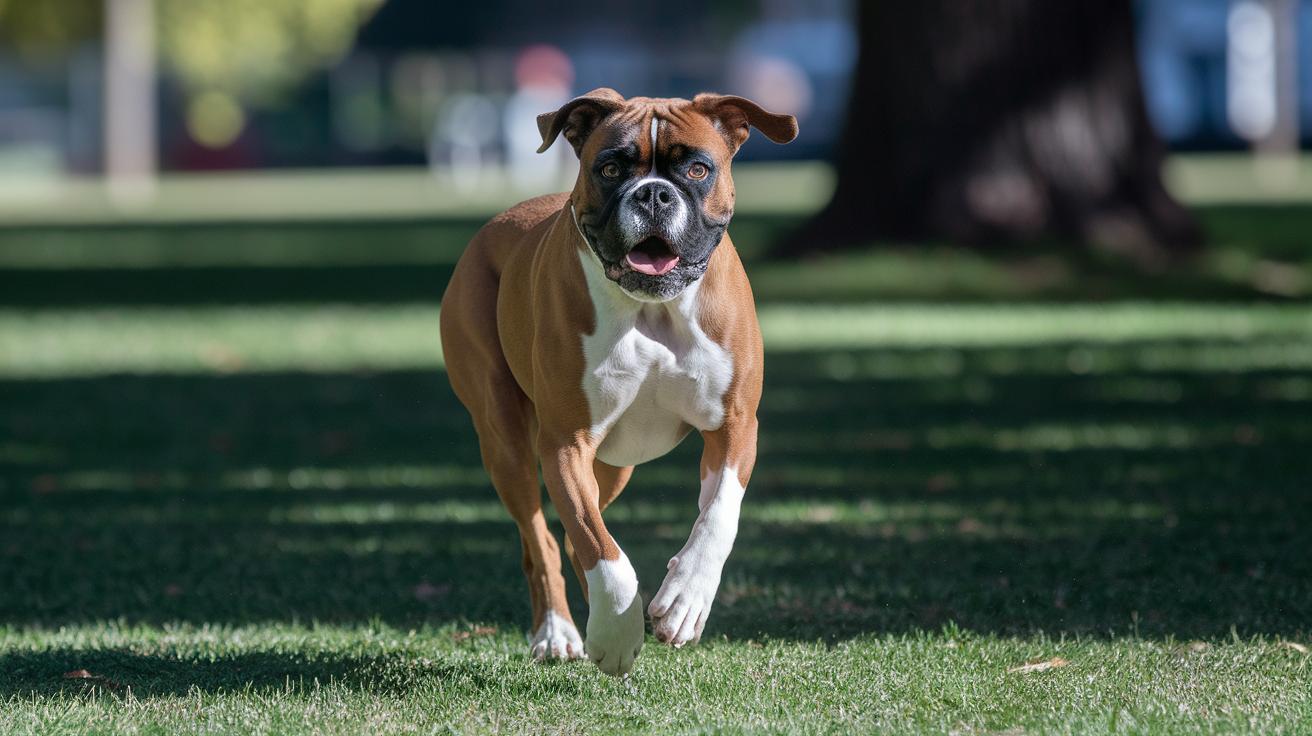
Boxers are bundles of energy who love nothing more than joining in family fun. They bounce into play like a burst of sunshine, always ready to share a warm, tail-wagging moment that feels like a mini celebration.
These friendly pups also have a watchful side. They naturally keep an eye (and ear) out for anything new. When you hear a rustle or see a stranger, their protective instincts kick in right away. They stick close to you, offering both playful cheer and a sense of security that makes everyone feel at home.
Boxers really thrive when they have a busy day. A game of fetch, a quick run around the park, or a fun puzzle can keep their minds and bodies happy. And when you mix in some early positive-reward training, it builds a bond that keeps them out of mischief, like chewing on your favorite shoes or digging up the garden. This playful, yet alert way of being is what draws so many pet lovers to the Boxer.
Care Requirements for Exercise, Nutrition, and Grooming of Boxers
Structured Exercise Plans
Boxers are full of energy and love to play. They need about two hours of exercise every day to keep both their bodies and minds happy. Imagine starting the morning with a lively jog as your boxer trots beside you, enjoying the fresh air and gentle breeze. Then, mix in a fun game of fetch or a few simple agility drills at the park or in your backyard. These playful activities help build strength and keep your furry friend mentally sharp. On warm summer days, a cooling vest can be a lifesaver, while a warm, insulated jacket makes winter walks much cozier.
Nutritional Guidelines
Feeding your boxer is a lot like fueling a car for a busy day ahead. Most adult boxers need roughly three cups of good-quality kibble spread out over two or three meals. This steady eating schedule keeps their energy levels balanced throughout the day, just like having snacks during your busy morning routine. When picking a kibble, look for ingredients that mix proteins, fats, and carbs together nicely for a balanced diet and healthy weight. A kitchen scale or measuring cup can help you serve just the right amount, and don’t forget to keep fresh water handy with every meal.
Coat and Skin Care
Even with their short and smooth coats, boxers deserve some regular pampering. A little brush here and there, every few weeks, can help remove loose hair and keep that coat shiny. Usually, a full grooming session twice a year, with the occasional bath in between, does the trick to keep your boxer feeling fresh and clean. On chilly days, a soft sweater might add an extra bit of comfort, while on hot days, keeping an eye on their skin for any signs of overheating is key. It’s all about making sure your buddy feels cared for, inside and out.
Effective Training and Socialization Techniques for Boxers

Boxers are clever and love pleasing you, which makes them perfect for a reward-based training approach. Their enthusiasm for a little praise means they quickly learn new commands when you keep sessions consistent. A great start is to work on crate training and housebreaking, this builds a steady foundation and makes more advanced exercises feel natural. Early on, let them meet new people and explore different places; it’s like giving their world a big, friendly welcome. Regular walks with a leash and fun recall games also show them that good manners are valued both on and off the leash.
Here are five fun exercises you can add to your training routine:
- Hide-and-seek treat puzzles
- Short agility obstacle drills
- Controlled tug-of-war sessions
- Scent-trail treasure hunts
- Daily obedience speed-run commands
Positive Reinforcement Strategies
Boxers really thrive on positive reinforcement. It works best when you offer a treat or a kind word right after they get a command right. Keep the sessions short and enjoyable so they don’t feel overwhelmed. Mix up your rewards, sometimes it’s cheering them on with a sweet compliment, other times it’s a favorite snack, to keep things lively and fun. This steady approach helps your boxer know exactly what actions earn that warm reward, turning learning into a cheerful game rather than a chore.
Socialization and Recall Exercises
Social time is just as important as training. Arrange little get-togethers with friendly folks or plan a visit to the local dog park so your boxer can make new pals. These outings build confidence, making them comfortable in different settings. And when you practice off-leash recall during these fun distractions, you’ll notice they come running back reliably, even when things get busy. This blend of social adventures and focused exercises helps shape your boxer into a well-mannered, joyful companion who’s ready for every new adventure.
Health Concerns and Lifespan Factors for the Boxer Breed
Boxers usually have a lifespan of about 10 to 12 years, which is pretty good for such energetic pups. Their loveable, lively nature comes with a few quirks in health, mainly because of their unique short-snout look. That cute face sometimes makes it harder for them to breathe, especially when it's hot, so keeping an eye on them during playtime is important.
Because of their short noses, boxers can struggle to cool off on warm days. Have you ever seen a dog pant so hard you worry about them? It happens when they’re running around too much or when the weather is too warm. It’s a good idea to watch for any signs of labored breathing during play, and to slow their exercise down in the heat.
Heart health is another big topic with boxers. Roughly 10–15% of adult boxers may develop a heart condition called cardiomyopathy, which means their heart muscle isn’t as strong as it should be. Also, about 20–30% might get mast cell tumors, a type of skin cancer that can be tricky to spot. And if you have a white boxer, be aware that congenital deafness can be more common. These risks mean it’s important to schedule regular vet checkups.
Regular visits to the vet, which might cost around $200 a year, are really key to spotting issues early. With routine screenings and maybe even pet insurance to help out, you can catch problems before they get too serious. Keeping a close watch and following a consistent health routine can help your boxer live a longer, happier life filled with wagging tails and boundless energy.
Adoption vs. Purchasing: Boxer Selection and Cost Analysis

Thinking about welcoming a boxer into your household? You’ve got two main choices: adopting one in need or buying from a trusted breeder. When you adopt, you’re likely to spend between $100 and $300. Plus, many rescues include handy extras like vaccinations, microchips, and even basic health checks, giving you both a cuddly friend and the joy of saving a life.
On the flip side, breeder puppies can cost anywhere from $1,500 to $3,500. Why the higher price? Responsible breeders check for things like hip, elbow, and heart health to make sure each puppy is strong and friendly. If you’re after a boxer with certain traits or you want to know every little detail about its family history, a breeder might be the way to go.
Beyond the initial cost, keep in mind that a boxer will run you about $1,300 a year for routine vet visits, good food, grooming, and any extra health care they might need. Whether you decide to adopt or purchase, it’s smart to think about both the initial investment and the ongoing care to ensure your new friend will lead a happy, healthy life.
Boxer Dogs in Competitions and Pop Culture
Boxers aren’t just our lovable, loyal friends; they’re also showstoppers in competitions and pop culture. At AKC conformation events, judges love how these pups combine sturdy muscle with graceful moves, a perfect mix that reflects their proud background. Imagine a boxer strutting down the runway, each step silent proof of a lifetime of training and care.
In the world of dog sports, these energetic canines truly shine. Whether darting through agility courses or leaping over hurdles, boxers display impressive speed and focus. It’s like they’re telling us, “Hey, I’m built for more than just being cute!” Their clever minds and determined spirit make them favorites for pet lovers who know that a lively boxer is full of surprises.
Picture a celebrity home where someone like Justin Timberlake or Jessica Biel proudly introduces their vet-approved buddy. It’s easy to see why; the friendly nature and playful focus of a boxer quickly erase any myths about stubbornness. They win hearts with every wag and every joyful bark, proving that good behavior and fun go hand in paw.
And then there’s the touching legacy of boxer heroes like Punch and Judy, who earned the Dickin Medal in 1946 for lifesaving service. Their brave stories remind us that behind every playful roll and energetic sprint is a heart full of courage. These dogs aren’t just for show, they’re true companions with a spirit of adventure and a legacy of loyalty.
Final Words
In the action, we explored the boxer dog breed's striking history, playful temperament, and unique features. We touched on its physical traits, care routines, training tips, and health insights, offering real-world advice for a joyful pet experience.
Every nugget of insight is meant to help you celebrate your furry companion. Enjoy the fun, playful moments that come with a loyal boxer by your side!
FAQ
Q: What are Boxer puppies like and what should pet parents expect?
A: The Boxer puppies are energetic and playful companions, known for their loving nature. They require proper socialization, consistent training, and plenty of exercise to grow into friendly, well-adjusted family members.
Q: What is the life expectancy of a Boxer dog breed?
A: The Boxer dog breed typically lives between 10 and 12 years. Regular health check-ups, balanced nutrition, and adequate exercise can help maintain their health throughout their lifespan.
Q: What is the temperament of a Boxer dog breed, and are they good family dogs?
A: The Boxer dog breed is known for its friendly, energetic, and loyal temperament. Their playful attitude and protective nature make them excellent family dogs, especially for active households.
Q: What defines an American Boxer dog?
A: The American Boxer dog is celebrated for its strong build and engaging personality. Originating from German roots, they have adapted to family life in the United States with their loving nature and alert instincts.
Q: What price range should one expect for a Boxer dog?
A: The price of a Boxer dog can range from approximately $1,500 to $3,500 from reputable breeders. Rescue or adoption fees are usually much lower, around $100 to $300, depending on location and health checks.
Q: How much does a Boxer dog typically weigh?
A: Mature Boxer dogs generally weigh between 50 and 80 pounds. Their muscular build supports an active lifestyle, making them suitable for various energetic family activities.
Q: What are the signs that a Boxer dog might be nearing the end of its life?
A: Signs a Boxer dog may be nearing the end of life include less appetite, lethargy, labored breathing, and behavioral changes. If these signs are noticed, it’s important to consult a veterinarian promptly.
Q: What behavioral issues might Boxers display?
A: Boxers can sometimes exhibit challenges like chewing, digging, or stubbornness if they’re not mentally or physically stimulated. Regular play, exercise, and positive training are key to managing these behaviors.
Q: What two breeds contributed to the development of the Boxer?
A: The Boxer originated from the mix of the Bullenbeiser and ancient Molossian dogs. This blend gave rise to the strong, spirited breed that has evolved over generations, particularly in Germany.
Q: What are the pros and cons of owning a Boxer dog?
A: Boxers offer affectionate companionship, high energy, and protective instincts making them great family pets. However, they need lots of exercise and consistent training, and some may face health issues and stubborn behaviors.