



Ever wonder why some animals show up in bold, dark hues? It's all about melanism, a tiny genetic twist that turns an ordinary coat into a mysterious, almost magical black. Think about that sleek black panther or the peppered moth that seems to change its look with its surroundings. It’s amazing how a small change in genes can create such a striking surprise in nature.
Just imagine nature as an artist. With just a few delicate brushstrokes, it transforms everyday creatures into enigmatic figures with dark, alluring coats. This isn’t just about looking cool; it’s a clever survival trick. These subtle genetic shifts help animals blend into their environment or stand out in a very special way.
In exploring how genetics and survival tactics join forces, we get a peek into one of nature’s most fascinating mysteries. Next time you catch sight of an animal dressed in these captivating dark tones, remember, it’s not just a change in color, but a remarkable dance between science and survival.
Understanding Melanism: Definition and Significance in Animals
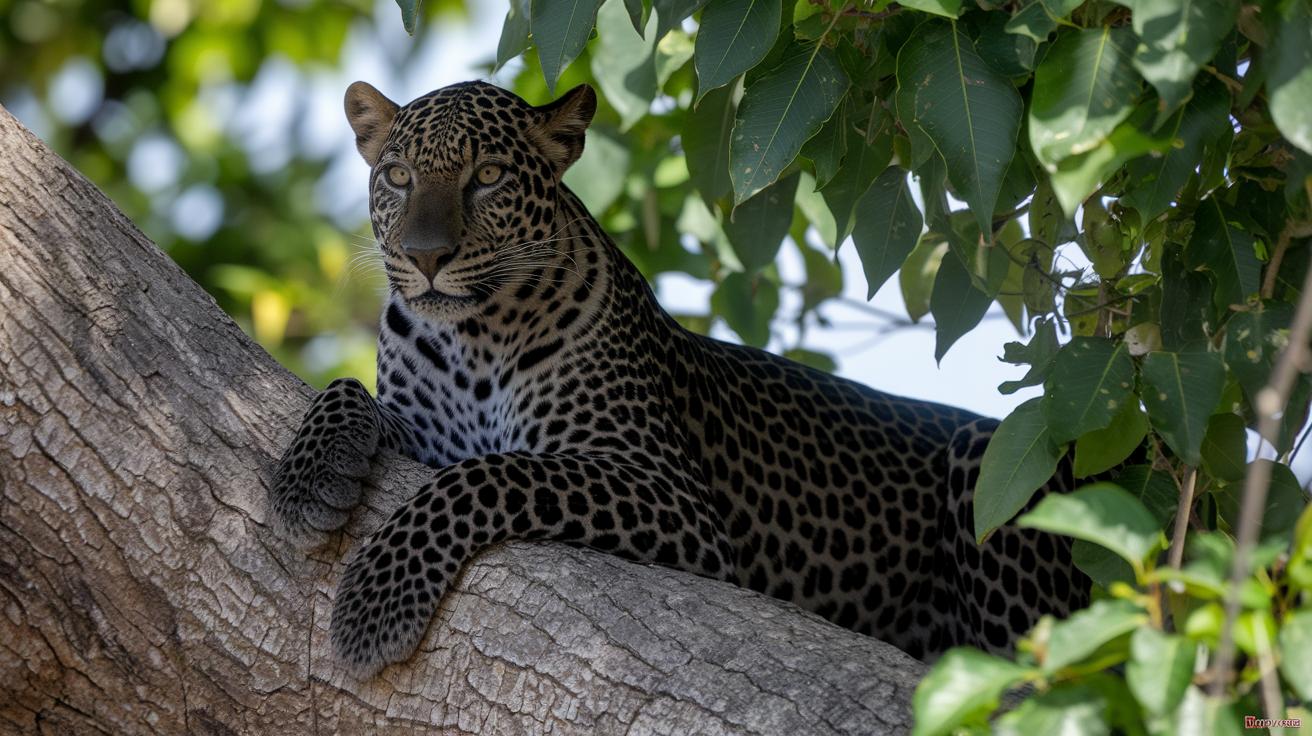
Melanism means an animal has extra dark pigment (melanin) in its skin, fur, feathers, or scales, making parts or the whole body look much darker. You see it in all sorts of creatures like birds, reptiles, amphibians, mammals, and even insects. Think of the sleek black panther, it’s really a leopard or jaguar with a special dark twist that makes it almost mysterious.
Take the peppered moth, for example. Before the Industrial Revolution, hardly any of these moths were dark, less than 1% of them. But when pollution changed the landscape, more than 90% became dark, helping them blend into their surroundings to survive. Isn’t it wild how environmental changes can shape an animal’s look and fate?
Melanism is a cool reminder of nature’s creativity. In some species, a few dark individuals pop up, while in others, most of the group wears the dark coat. This wide range, from super rare to super common, shows why scientists get so curious about pigment changes and survival tricks in the animal world.
It’s a little snapshot of evolution in action, where even small genetic tweaks can change an animal’s appearance and the way it interacts with its world. Have you ever noticed how a simple change in color can make an animal seem even more unique? Nature always finds a way to keep things interesting.
Genetic Roots of Melanism: Color Mutation Research

Scientists are discovering that tiny tweaks in just a few important genes can completely change how an animal looks. For instance, changes in a gene called MC1R have been linked to the deep, dark coats of rock pocket mice and jaguars. It’s fascinating to see how these small mutations not only change an animal’s color but can also help it survive in its environment. When both parents carry these gene changes, their babies are more likely to show these dark traits. Have you ever marveled at how nature’s little secrets work?
More recently, big studies that look at all of an animal’s genes have found even more clues. Researchers spotted that differences in the ASIP gene, which helps decide where color shows up on the body, can change the pattern of dark and light patches. Other genes like TYRP1, KITLG, and OCA2 also play important parts in making and spreading melanin, the pigment behind those rich colors. By mixing classic studies with new molecular techniques, scientists are piecing together exactly how small genetic shifts lead to such striking color changes in wildlife.
| Gene | Role in Pigment Production |
|---|---|
| MC1R | Shifts cells to produce more of the dark pigment called eumelanin |
| ASIP | Helps decide where different colors show up on an animal’s body |
| TYRP1 | Plays a part in how quickly melanin is made |
| KITLG | Influences how many pigment cells an animal makes |
| OCA2 | Controls how deep and intense the pigment appears |
Patterns of Melanism: Adaptive vs Industrial Variants
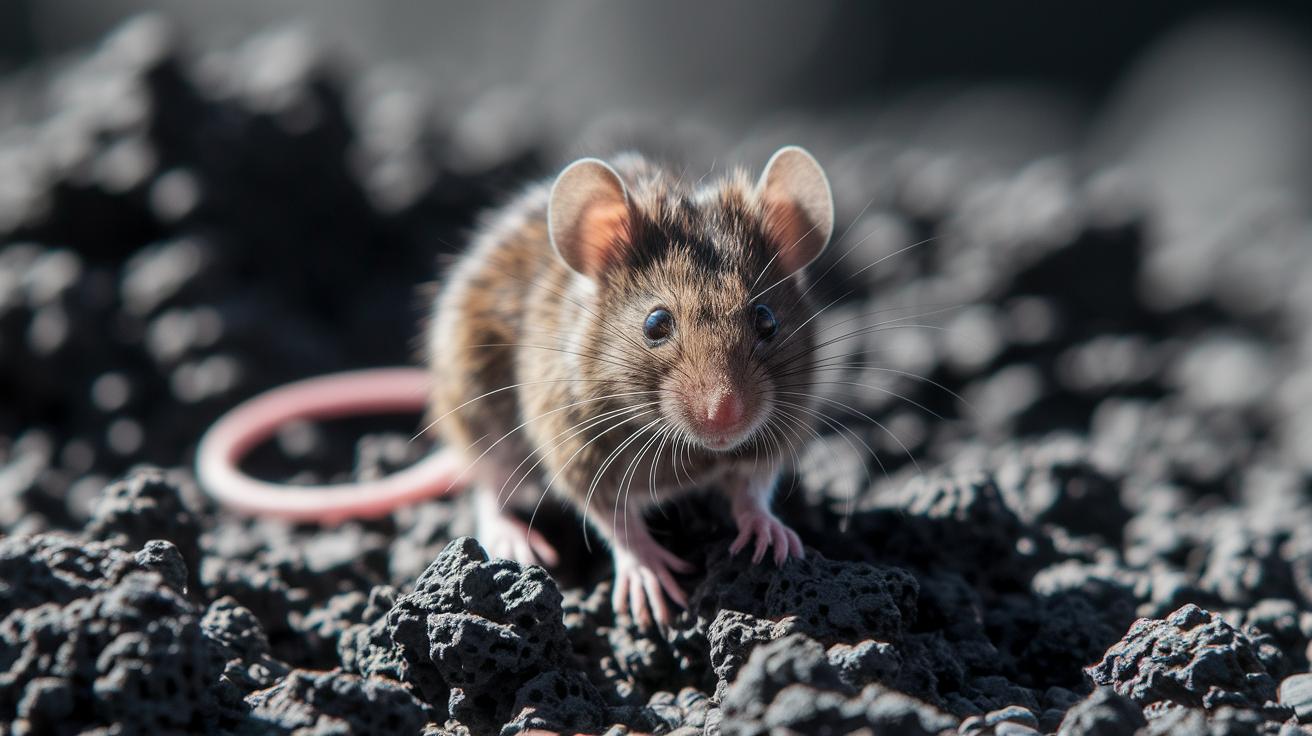
Adaptive melanism is like nature’s secret wardrobe, a way for animals to dress for the occasion. Imagine a rock pocket mouse with a dark coat that perfectly blends with shadowy volcanic rocks; it’s nature’s clever trick to hide from hungry eyes. This isn’t just about hiding, though. The dark fur even helps the animals stay warm or cool as needed, kind of like wearing a weather-ready outfit. Fun fact: in some lava fields, almost 95% of these mice sport dark fur that matches the black rocks beneath their paws.
Now, industrial melanism tells a different story, one shaped by human changes in the environment. Take the peppered moth for example. Back in the 1800s, fewer than 1% of these moths had dark wings. But then, as pollution made trees look darker, more than 90% of the moths shifted to dark coloring to better hide from predators. When the air cleared up and the trees lightened again, the dark moths dropped to under 10% by 1970. This amazing switch shows just how quickly animals can change their look when nature calls for it.
Evolutionary Benefits of Dark Pigmentation in Wildlife

Dark colors in animals aren’t just eye-catching, they play a key role in survival. Take melanistic eastern gray squirrels, for example. These darker squirrels hide so well in the forest’s shaded areas that they face up to 15% less risk of being spotted by predators.
Darker fur helps animals warm up quickly in chilly weather, too. When the sun peeks out on a cool morning or during a cloudy day, animals with deep-colored coats soak up the heat faster, almost like having a built-in heater. And there’s more: the melanin in their fur acts like a natural sunscreen, protecting their skin from harsh sunlight.
Another cool example is the peppered moth. In some industrial areas, nearly 98% of these moths turned dark, a clear sign of nature’s way of selecting the best survivors. Even dark-coated wolves might be using their unique colors to better communicate during group hunts, helping them work together more effectively.
Curious about the magic behind these survival tricks? Check out more details on thermoregulation and camouflage on our animal environment page (https://ribbon.co?p=4877).
Melanistic Wildlife: Notable Case Studies Across Species

Dark colors in nature can really catch your eye. Take the Indian leopard, for instance. This majestic big cat looks almost entirely black when hidden in the shadows, but when sunlight hits it, its lovely spotted rosettes come to life. It's like nature playing a delightful trick on our eyes.
Another great example is the peppered moth. Back in the late 1800s, more than 90% of these moths showed a dark, melanistic form that helped them blend into polluted environments. Imagine how quickly these little creatures adapted to their changing world, it’s pretty amazing!
Then there’s the rock pocket mouse in Arizona’s lava fields. Over 95% of these mice sport deep, dark fur that helps them vanish into the volcanic background, keeping them safe from predators. It’s nature’s very own hide-and-seek!
Similar magic happens with the gray partridge. In some wetland areas, these birds show darker shades that might let them hide better in shadowy, muddy spots. Even reptiles join in on the fun: the turtle-headed sea snake uses its dark color to guard against the sun’s harsh UV rays.
And if you look closely at the nighttime antics of the melanistic oncilla, you might notice it’s more active on bright nights, almost as if its unique coat gives it a little extra edge. North American wolves are also stepping into the spotlight with their melanistic forms becoming more common, suggesting that their dark coats might help with everything from social signals to sneaky movements.
| Species | Common Name | Melanism Frequency | Primary Benefit |
|---|---|---|---|
| Panthera pardus fusca | Indian Leopard | Variable | Camouflage in variable light |
| Biston betularia | Peppered Moth | >90% (late 1800s) | Industrial camouflage |
| Chaetodipus intermedius | Rock Pocket Mouse | >95% | Blending with lava rocks |
| Perdix perdix | Gray Partridge | Localized groups | Adaptation to wetlands |
| Emydocephalus annulatus | Turtle‐headed Sea Snake | Not specified | UV protection |
| Leopardus tigrinus | Melanistic Oncilla | Not specified | Enhanced activity on bright nights |
| Canis lupus | Melanistic Wolf | Increasing sightings | Social signaling and camouflage |
Melanism vs Other Pigmentation Conditions in Animals
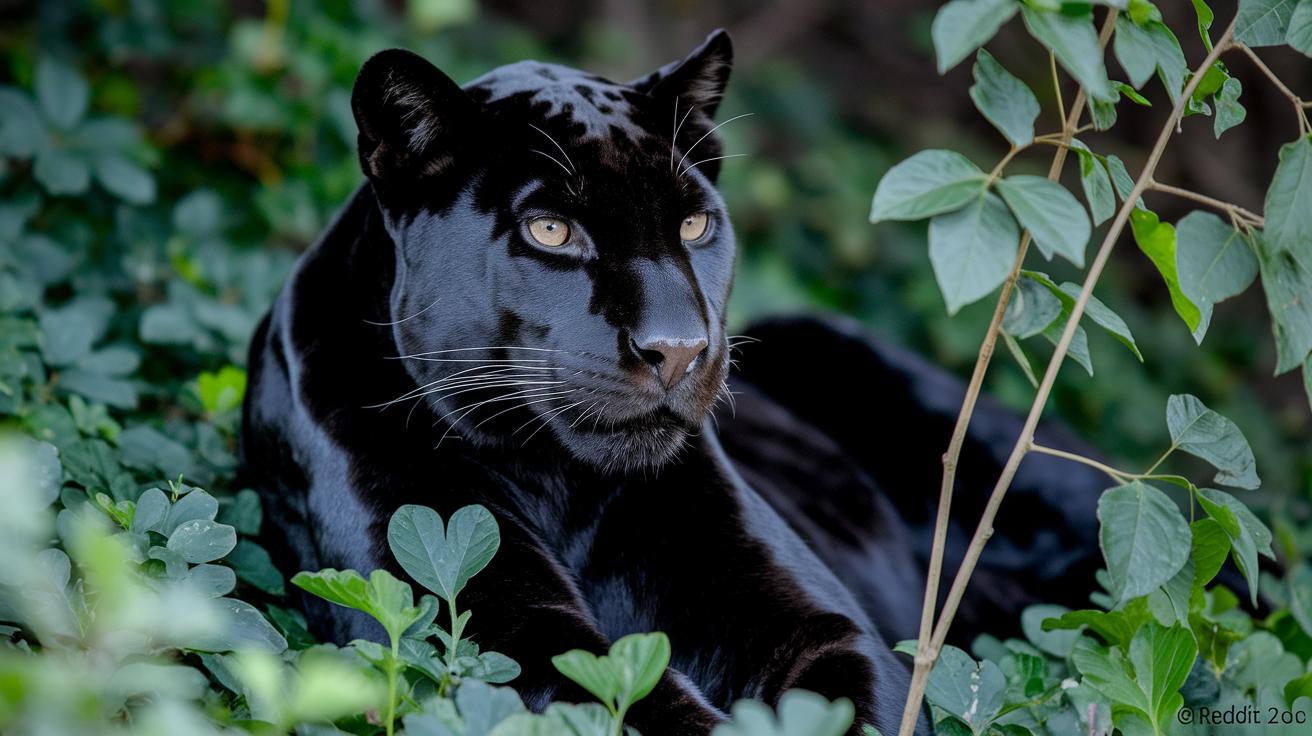
When we chat about melanism and other ways animals get their colors, it’s interesting to see that not all dark markings come about in the same way. Melanism fills an animal’s coat with a deep, even tone that helps it blend into its surroundings, acting like nature’s own disguise. Meanwhile, other pigment conditions happen because of different changes in the genetic code, giving each animal its own unique look and sometimes even its own set of challenges in staying hidden.
Here’s a quick look at the differences:
- Pseudomelanism: Instead of a full dark coat, animals show irregular dark patches mixed with lighter areas.
- Leucism: This condition means the animal produces less pigment overall, which makes it look lighter or pale and can leave it more noticeable.
- Albinism: A change in the TYR gene stops melanin from forming, so the animal ends up with a very light coat and less natural camouflage.
- Melanism: Extra melanin gives the animal a uniformly dark appearance that can be a real help when it needs to hide.
These differences show how even small genetic changes can have a big impact on how well an animal can adapt and survive. Isn’t it amazing how nature works?
Environmental Drivers of Melanism in Animal Populations

Have you ever noticed how nature can completely change an animal’s look just by shifting the environment? It’s pretty neat, volcanic lava flows, for instance, have turned rock pocket mice into masters of disguise. These little mice, living on dark, cooled lava, sport darker fur that helps them blend into their surroundings. I read about one Arizona lava field where nearly all the mice switched to a dark color in just a few generations. Nature can change its palette almost as quickly as you blink!
Industrial pollution has worked its magic too. In Britain, between 1840 and 1895, the peppered moth started showing off darker wings as pollution increased. Scientists were surprised when they saw nearly 90% of these moths sporting the dark form. It’s as if the moths were putting on a new coat to fit into a changing world.
Then there are climate and habitat shifts that keep nudging animals to adapt their looks. For example, wildfires can spark quick color changes in pygmy grasshoppers within just one season, while squirrels living high in the mountains grow thicker, darker fur to capture as much heat as possible during chilly days. Even lizards and birds change their coat colors as the seasons turn. And with human activities altering vegetation, temperature, and available cover, nature keeps on reshaping the colors across different animal populations.
Final Words
In the action, we've unraveled what melanism means in animals, from its genetic roots and adaptive patterns to its striking case studies and comparisons with other pigmentation conditions. We looked at how nature shapes these deep hues, sharing key genes and benefits like better camouflage and temperature control. Each element shows nature's way of surprising us with its creativity. Keep exploring these natural wonders, and remember, melanism in animals offers a vivid glimpse into evolution’s handiwork, inspiring both awe and a smile on a bright day.
FAQ
What is melanism in animals?
Melanism in animals refers to an increased level of melanin, causing full or partial darkening in skin, fur, feathers, or scales, which can offer advantages like better camouflage or UV protection.
What are some examples of melanism in animals?
Examples of melanism include black panthers, melanistic leopards and jaguars, and the industrial melanism seen in peppered moths. Pictures of these animals show rich, deep coloration that distinguishes them from typical forms.
What types of melanism exist in animals?
Types of melanism in animals include complete darkening and patchy or partial darkening, which result from genetic variations that alter melanin production and distribution.
Is melanism in humans similar to melanism in animals?
While melanism is common in many animal species, melanism in humans is extremely rare. Animals often use it for camouflage or thermoregulation, benefits not as evident in human biology.
How does melanism occur in lions compared to other animals?
Melanism is very rare in lions and not as well-documented as in leopards or jaguars, whose dark coats are better known and studied for their adaptive benefits.
How do melanism and albinism differ in animals?
Melanism causes dark pigmentation while albinism involves a lack of pigment. Albino animals typically have white or pale appearances and may face different ecological challenges compared to melanistic ones.
Do melanistic animals have health problems?
Melanistic animals do not generally experience health problems directly due to their dark pigmentation. Their overall health is more influenced by genetics, environment, and habitat conditions.
How can you tell if an animal is melanistic?
You can tell if an animal is melanistic by its uniform, dark coloration. Often, subtle markings or rosettes may appear in sunlight, providing clues to their melanistic nature.
How common are melanistic animals in the wild?
The frequency of melanistic animals varies widely across species and environments. In some populations they are very rare, while in others, such as certain moths or mice, melanism can be highly prevalent.