



Have you ever watched an animal glide through the air like it’s floating on a gentle breeze? Instead of flapping wings like a bird, these creatures leap from tall branches and let nature do the work.
They use their own built-in "parachutes" to catch the wind, turning each jump into a graceful, energy-saving dance. It’s a sight that feels like watching a slow-motion performance where every leap is full of wonder.
In this post, we'll explore how these amazing gliders use their natural design to drift between trees and dodge danger in the most stylish way. Have you ever been enchanted by the simple magic of nature in motion?
Overview of Gliding Animals: Distinctive Aerial Locomotion Without True Flight
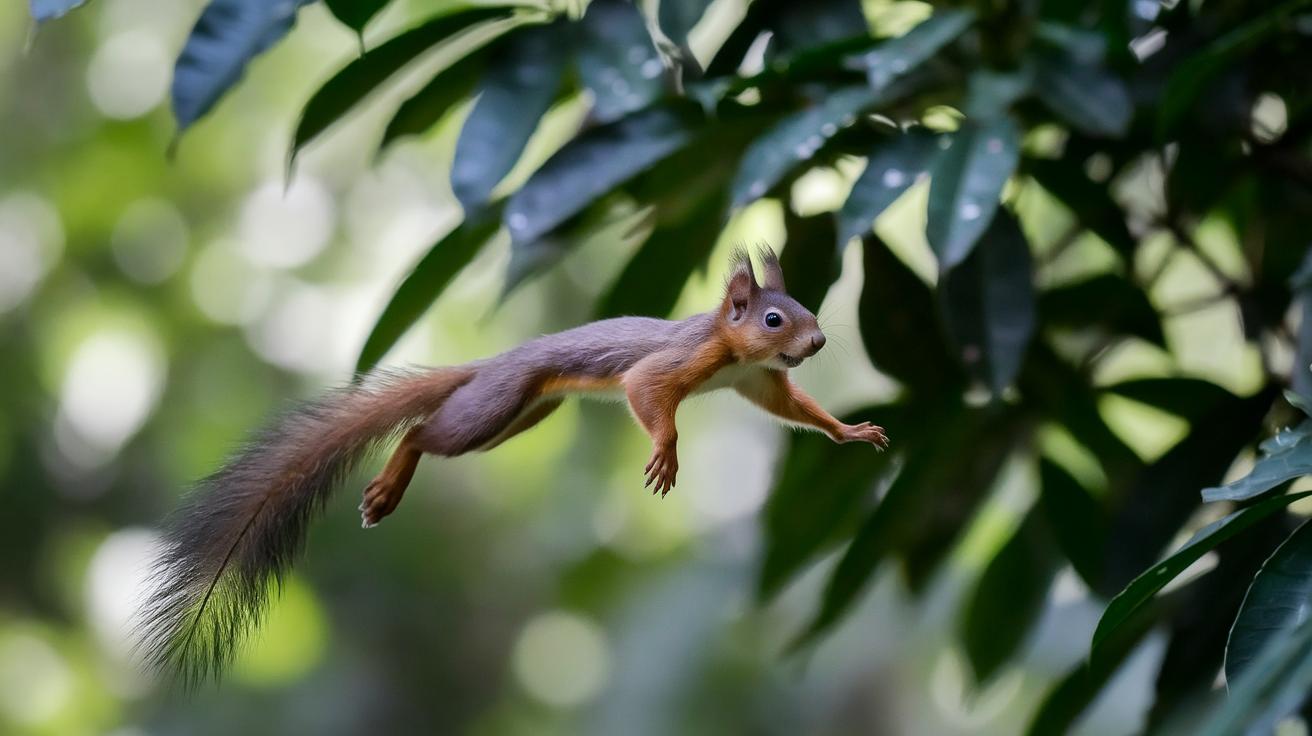
Gliding is a fascinating way for animals to move through the air without flapping their wings like birds or bats. Instead, they jump from high places and let the wind carry them, almost like a natural, graceful drift. This method is energy-efficient because it uses the power of air currents rather than constant wing beating.
At the center of this clever trick is the patagium, a special, stretched-out piece of skin that connects the limbs, tail, and sometimes even the neck. Imagine it as a built-in parachute that opens up to catch the wind, helping these animals steer and slow down as they descend. It's one of nature’s most charming designs.
Here are some of the wonderful gliders you might come across:
- Marsupial gliders (Petaurus spp.)
- Flying squirrels (Sciuridae)
- Colugos (Cynocephalidae)
- Gliding frogs (Hylidae & Rhacophoridae)
- Paradise tree snakes (Chrysopelea spp.)
- Gliding lizards (Draco spp.)
- Flying fish (Exocoetidae)
These gliding animals aren’t limited to one part of the globe. They roam the tree canopies of Australia and Southeast Asia, the expansive forests of North America, and even the sparkling waters of tropical seas. Their ability to glide helps them escape danger, find food, and navigate through complex environments with little effort. Nature has truly crafted a beautiful story where different creatures use the air to move with gentle, effortless grace.
Major Mammalian Gliders: From Flying Squirrels to Petaurus Gliders
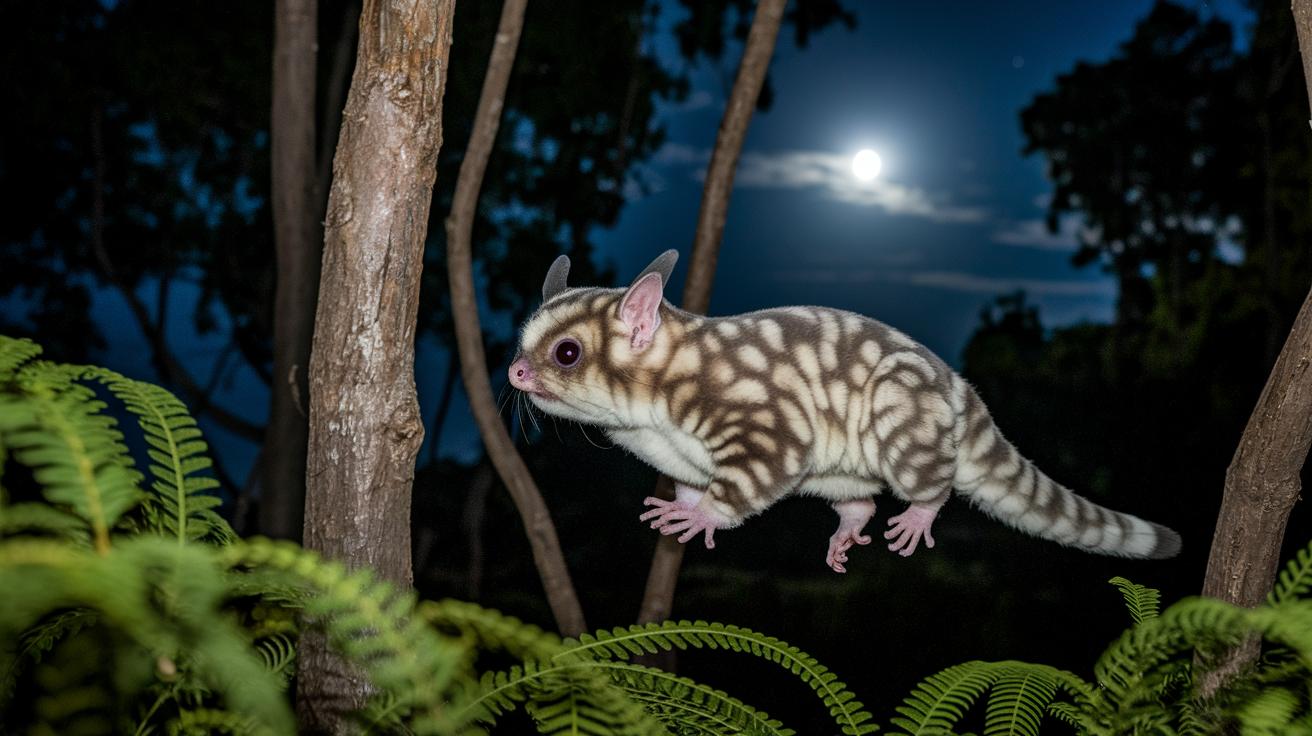
Nature has a way of surprising us, and mammalian gliders are a brilliant example. These animals use a stretchy skin flap between their limbs to catch the wind as they glide from tree to tree. It’s like watching a soft dance in the sky, whether they're escaping a hungry predator, searching for a tasty snack, or simply connecting separate parts of the forest.
Gliders (Petaurus spp.)
Petaurus gliders, like the beloved sugar glider, charm us with their nighttime adventures. Found in places like Australia, New Guinea, Tasmania, and Indonesia, these playful marsupials use their delicate, wide membrane, from their front legs to their back legs, to glide as far as 100 meters. It’s easy to see why pet lovers admire them for their lively, curious energy as they zip through forest canopies, proving that nature can be both agile and enchanting.
Sugar Gliders
Sugar gliders are little acrobats of the night. Small and full of energy, they thrive in wooded areas where trees are close together. Their nighttime habits help them steer clear of daytime dangers while forming tight bonds with their family groups. Honestly, watching a sugar glider leap from one branch to another is like witnessing a tiny acrobat performing just for you.
Flying Squirrels (Sciuridae)
Over in North America, Eurasia, Siberia, and Scandinavia, flying squirrels put on a graceful show. With about 50 species, these critters have evolved special wrist and limb tweaks that let them fine-tune every glide. The way they arc through the sky, landing softly on the treetops, reveals an amazing balance between swift flight and careful control. It’s like being at a secret forest ballet where every move counts.
Colugos (Cynocephalidae)
Then there are colugos, sometimes called flying lemurs, though they aren’t really lemurs at all. These small, cat-sized mammals from Southeast Asia have huge skin flaps that stretch from their neck to their tail, letting them glide up to 200 feet. While they might share some traits with other gliding animals, colugos have a special body design that maximizes their wing area, making each glide appear almost like a magical flight.
| Species Group | Glide Distance | Geographic Range |
|---|---|---|
| Petaurus gliders | up to 100 m | Australasia |
| Flying squirrels | 45 m avg. | N. America, Eurasia |
| Colugos | up to 200 ft | Southeast Asia |
Unique Non‐Mammalian Gliders: Frogs, Snakes, Lizards, and Fish
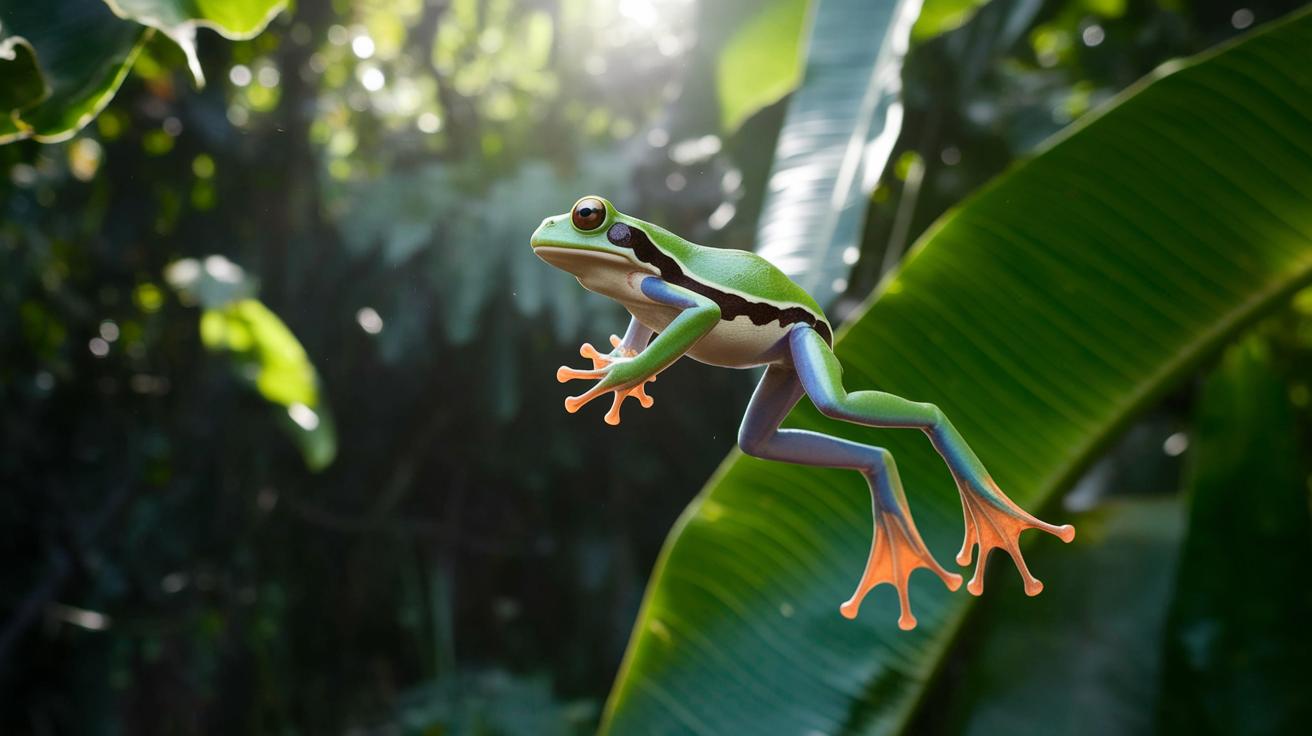
Ever notice how nature always surprises us? Some incredible non-mammal creatures have figured out a way to glide without wings. They rely on clever body designs, like extra skin flaps or webbed toes, that let them catch the wind and move gracefully between trees, land, and even the open sea. It’s like watching a little dance where evolution shows off its creativity.
Gliding Frogs
Gliding frogs, part of the Hylidae and Rhacophoridae families, use their webbed toes and skin flaps to float through the air. Imagine Wallace’s flying frog making a leap and then gliding almost 50 feet, a perfect and controlled aerial act. Each jump looks both practical and mesmerizing, reminding you just how smart nature can be when it comes to survival and fun in the treetops.
Paradise Tree Snakes
Paradise tree snakes are pretty cool too. They flatten their bodies to create extra lift, almost like a soft wing, and use gentle, wavy movements to steer as they glide between trees. Even though they have mildly venomous rear fangs, they’re mostly harmless. Their ability to morph their shape for better control turns every glide into a neat display of natural innovation, an agile ballet in the treetops.
Gliding Lizards
Gliding lizards from the Draco genus take a unique approach by extending their ribs to open up a natural canopy of skin called a patagium. This makes it easy for them to change direction mid-air as they move from one tree to the next. Picture the sunlight glinting off their stretched membranes during a smooth, measured leap, it’s both energy-efficient and enchanting, showcasing nature’s knack for combining beauty with practicality.
Flying Fish
And then there’s the flying fish, a marvel of the oceans. These fish burst out of the water using their large pectoral fins to soar through the air, sometimes gliding up to 650 feet at speeds over 35 mph. Their swift jumps blend the refreshing coolness of the sea with the open skies above, creating brief but exciting moments of escape from underwater threats. It’s pure natural ingenuity, a thrilling reminder that nature knows how to mix things up.
Biomechanics of Gliding: How Membrane Wings and Body Shape Enable Flight
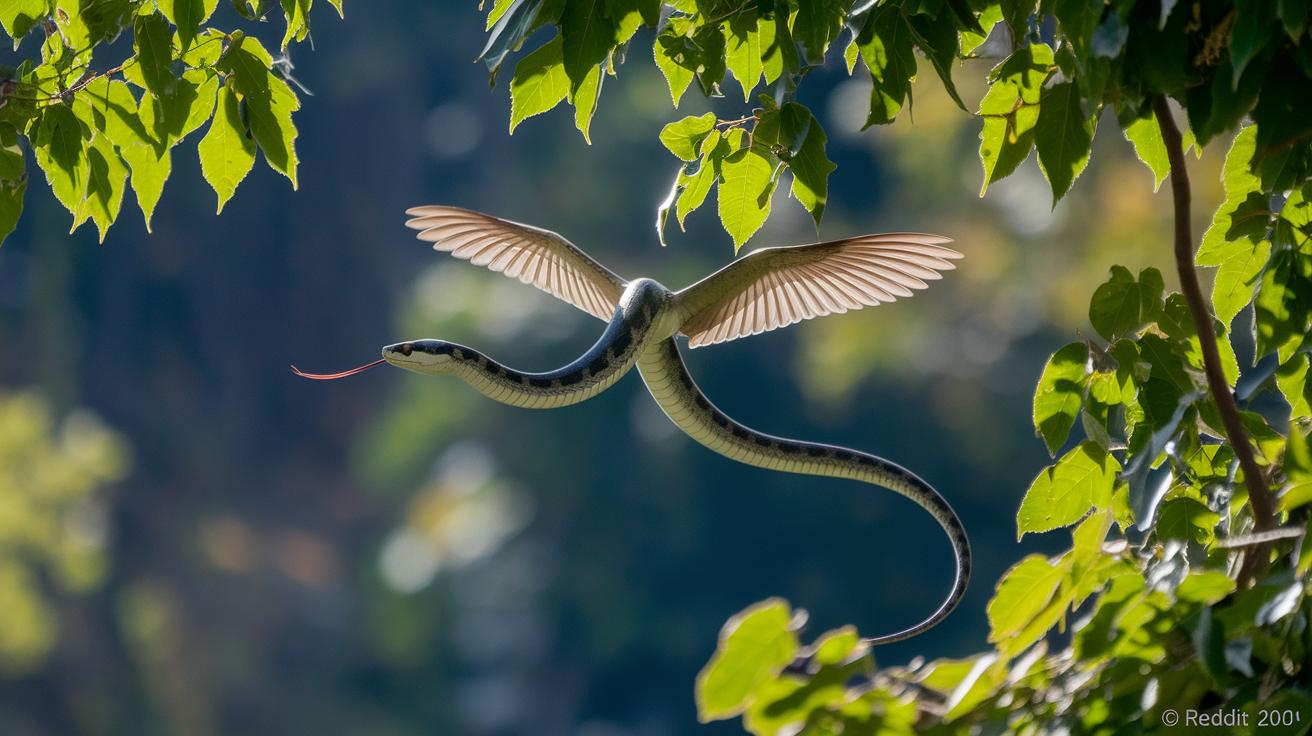
Ever watched a kite dance in the breeze? Gliding works in a similar way. When animals take off into the air, a lift force pushes them up while a gentle drag slows their fall. Picture a paper airplane sailing smoothly when thrown just right, it’s all about balancing the push of the wind and a little resistance.
The real secret is the patagium, a broad, stretchy membrane that connects the limbs, tail, and sometimes even the neck. This natural wing is like a kite designed by nature, catching the wind to help the animal glide with control.
Mid-air steering happens when these creatures shift their limbs, tail, or body to change direction. For instance, a flying snake flattens its body to boost its surface area, tweaking its glide path with every shift. It’s amazing how even small movements can make a big difference.
By riding on wind currents instead of flapping endlessly, these animals save a lot of energy. This clever technique means they have more energy for other important things, like searching for food or escaping danger.
Evolution of Gliding Animals: From Early Membranes to Diverse Lineages
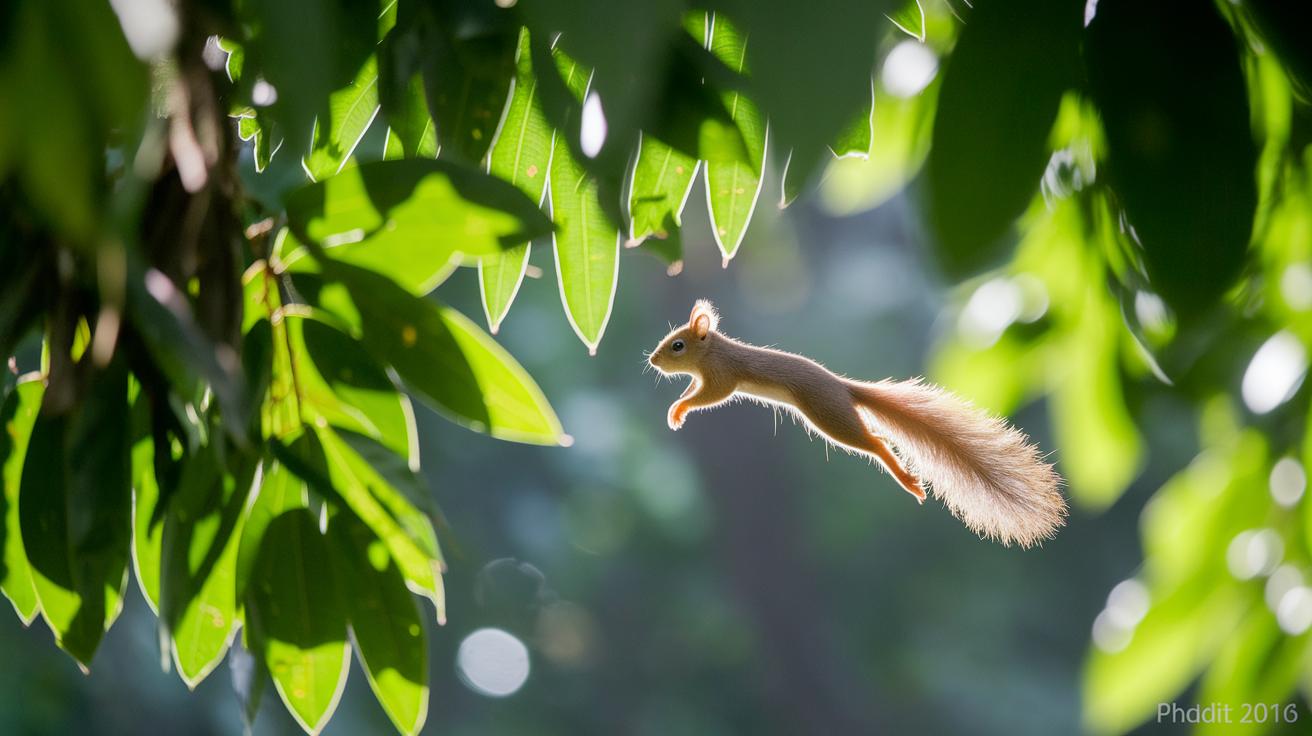
Gliding creatures pop up all over the animal kingdom, each learning their own way to catch a breeze. Think about it: curious rodents, nimble marsupials, fluttering colugos, slithering snakes, quick lizards, and even some frogs all discovered similar tricks for life among the treetops. It’s like nature’s way of saying, “Hey, let’s keep it fun and inventive!” Even though these animals aren’t family by blood, they each came up with their own unique solution to travel quickly and save energy.
Fossils add a touch of mystery to this story. Imagine finding clues that tell us some rodent ancestors began their gliding adventures nearly 50 million years ago. It’s a tiny time travel trip that shows just how far back these clever moves go.
Some researchers believe these skin flaps might have started out as a way to help these creatures stay warm. Over time, as trees became busy highways, these membranes were reimagined as natural parachutes to catch the wind and glide from branch to branch. It’s a wonderful example of evolution taking a simple idea and turning it into a smart solution for moving around in a forest full of surprises.
Ecological Roles and Behavior of Gliding Animals in Forest Canopies
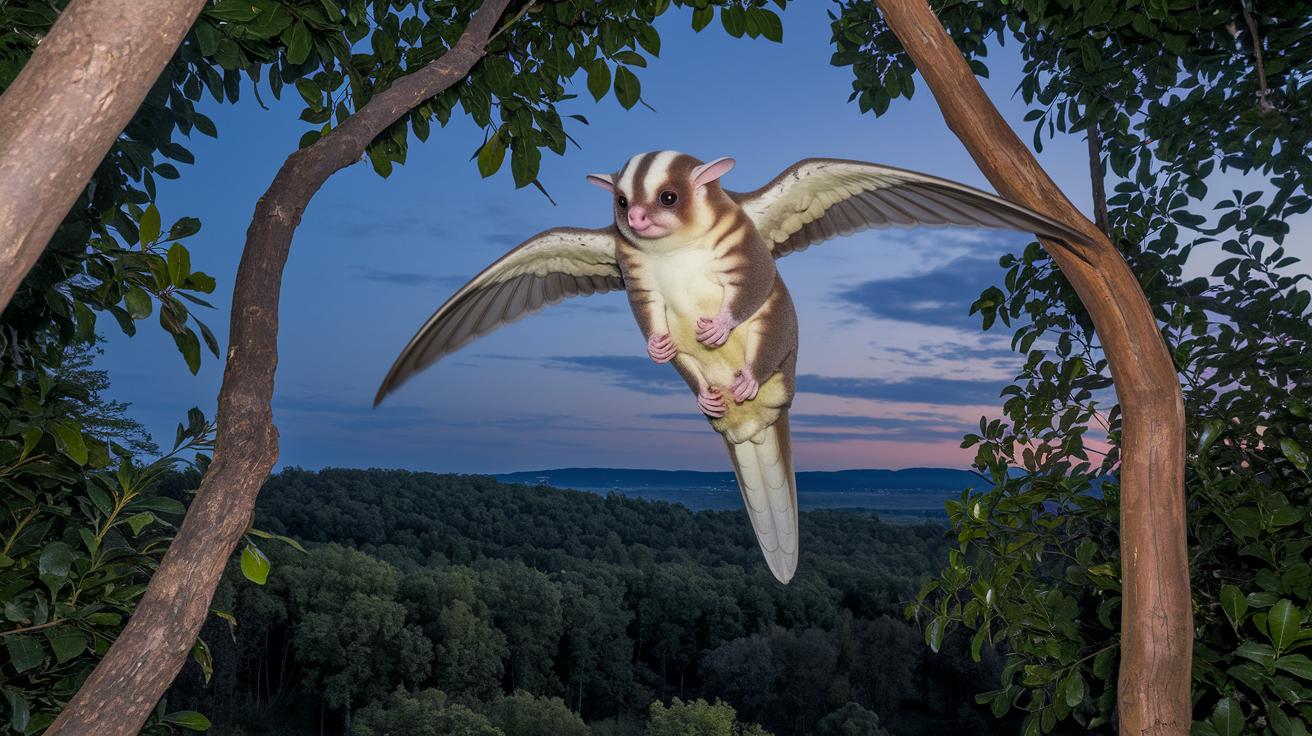
Have you ever watched a sugar glider or a flying squirrel leap gracefully from one branch to another? These clever creatures use the natural wind corridors of the forest to glide up to 200 feet in search of a tasty meal. It’s like watching a tiny acrobat make the most of each gust of wind, all while saving energy for their next adventure.
When trouble comes around, these little gliders can make quick, life-saving escapes. They spring into action, leaping through the air to put a safe distance between themselves and any danger. That swift move might just be the difference between a safe getaway and a close call, showing off their knack for surviving in the wild.
Nighttime is when many of these gliding critters come out to play. By setting off under the cover of darkness, they reduce the chances of being seen by predators. Imagine a flying squirrel beginning its glide as twilight fades into a quiet, starry evening, it’s nature’s smart way of staying safe.
Their amazing control in mid-air is really something to see. With a flick of the tail or a subtle shift of their limbs, these animals adjust their paths like tiny pilots. That careful balance helps them glide smoothly and land safely on the next branch, perfectly in tune with the lively, ever-changing forest.
Conservation Status and Habitat Threats for Gliding Species Worldwide

Our gliding buddies are facing tough times as their leafy homes shrink away. When forests get cut down or broken into small patches, these animals lose the safe slide paths they need to move around. Every lost patch means fewer chances for them to leap and glide like they always have.
Sugar gliders and colugos, in particular, are feeling the pinch. In places like Australia and Southeast Asia, fast land clearing has taken a toll on their numbers. These little mammals rely on a continuous chain of trees to glide smoothly. When their forests break up, it becomes harder for them to find food and hide from predators. It’s a real worry watching their unique way of life slowly fade.
But there’s a silver lining. Many local projects are stepping in with hope. By setting aside protected areas, creating safe wildlife corridors, and starting captive breeding programs, people are working hard to give these creatures a fighting chance. These efforts help keep enough tree cover so that our gliding friends can continue to thrive in nature.
Scientists and conservation groups are also keeping a close watch. They’re calling for more on-the-ground studies and data so that we truly understand the challenges these animals face. Only with careful research and quick action can we help these amazing gliders keep their graceful presence in our forests for years to come.
Final Words
In the action, our discussion showcased gliding animals and their unique way of moving through the air without true flight. We traced their remarkable adaptations, from the extended skin membranes to ingenious body shapes, that let them glide like natural acrobats. We looked at how mammals such as flying squirrels and Petaurus gliders, along with non-mammals like gliding frogs and snakes, navigate forests and escape predators. Conservation efforts remain key to protecting these special creatures. Embrace the wonder of nature, and keep celebrating every joyful leap in our wild world.
FAQ
What does gliding animals mean?
Gliding animals meaning refers to species that use skin membranes or flaps to move through the air. They do not achieve powered flight like birds but glide from tree to tree or over water.
What are some examples of gliding animals and which ones are popular for kids?
Gliding animals list includes sugar gliders, flying squirrels, colugos, gliding frogs, paradise tree snakes, gliding lizards, and flying fish. These creatures are a hit with kids thanks to their unique aerial moves.
What type of animals move by gliding?
Animals that move by gliding include several mammals and reptiles like flying squirrels, sugar gliders, and even some snakes and lizards. They use extended skin membranes to create lift and control their glide paths.
What is the biggest gliding animal?
The biggest gliding animal is often considered the colugo, a Southeast Asian mammal with a large membrane that allows it to cover impressive distances during its glide.
What animal can glide but not fly?
An animal that can glide but not fly is the sugar glider. It uses its skin flap to glide between trees, but it cannot generate enough lift for sustained, powered flight.
What is the little animal that glides?
The little animal that glides is the sugar glider, a small marsupial known for its ability to leap and glide through the forest canopy using its skin membrane.
Are bats, birds, insects, lions, cats, or dogs gliding animals?
Bats, birds, and insects truly fly with powered flight, while lions, cats, and dogs do not glide. Gliding is specific to animals like flying squirrels and sugar gliders that use membranes to catch air.