


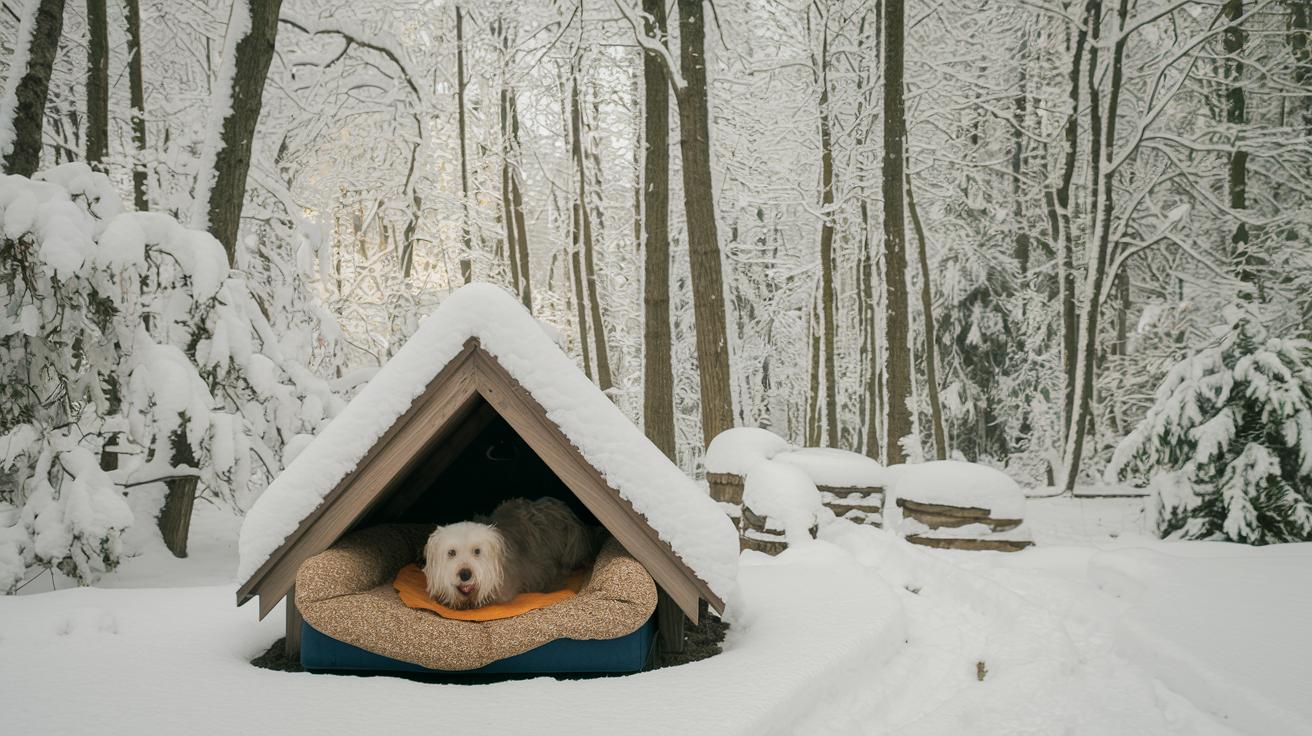
Is your furry friend's outdoor space all set for winter? Imagine tucking their spot into a warm, cozy embrace that keeps the biting wind away and holds in the heat.
Just like you’d check your car before a long drive, a quick look around their area can help you spot any loose boards or gaps that might let the cold sneak in.
Today, we'll share a few simple steps to help secure and warm up your pet’s little retreat. Ready to turn the chilly season into a time full of comfort and care for your beloved buddy?
Comprehensive Winterization Steps for Outdoor Pet Areas
-
Start with a November pre-winter check-up. Take a stroll around your pet’s space, looking at every joint and frame for signs of wear or damage, kind of like checking a fence for loose boards before a storm. This little inspection sets the stage for a safe, cozy area.
-
Next, seal up any gaps and cracks. Grab some weatherproof caulk and apply it along door frames and window openings. Think of it as wrapping your pet’s retreat in a snug, protective hug that keeps the bitter cold out while holding the warmth in.
-
Now, turn your attention to panels that face the wind. If you notice any sides catching too much chill, add extra bracing or panels. It’s a bit like giving a wobbly table leg a little extra support, simple but oh so effective.
-
Consider installing extra interior panels. These new layers act as an extra barrier to block cold drafts and help steady the temperature inside the enclosure. It’s like adding a cozy, invisible shield when the wind picks up.
-
Spread a generous layer of dry bedding throughout the space. Choose materials that stay fluffy and dry, such as straw or hay. Imagine your pet curling up on a soft, inviting pile after a brisk day outdoors, it’s all about creating that warm sanctuary.
-
Set up pet-safe heat pads on areas with softer bedding. Just make sure they’re securely installed with proper thermostatic controls to keep things just right, avoiding any chance of overheating.
-
Give your structure a weather-resistant coating. This extra touch on wood or metal helps stop moisture from seeping in, keeping surfaces in great shape all winter long.
-
Finally, make it a habit to clear away any snow buildup. Regularly removing snow prevents excess weight on the structure, which keeps everything safe and sound.
Taking these steps not only protects your pet’s outdoor space but also turns winter into a season of warmth and comfort for your furry friend.
Insulating Shelters in Your Outdoor Pet Area

Imagine your pet having its very own snug little retreat outdoors. Start by exploring budget-friendly tweaks that keep the area warm without trapping too much moisture. One neat idea is to add rigid foam board panels to the shelter's outer walls. They work like a cozy winter jacket, keeping the chill at bay while still letting in a breath of fresh air.
For that extra burst of warmth, you might try foam-filled panels or even lining certain spots with sheep’s wool. Think of it as adding a soft, padded layer to your pet’s favorite resting spot. And if you notice drafts sneaking in through door frames or window openings, a bit of weather stripping can go a long way, pretty much like adding a snug seal to your window on a blustery day.
When it comes to bedding, you have a choice. Straw is light and allows for better air flow, similar to a breezy summer dress, while hay offers more heat retention, like bundling up in a warm sweater. Don’t forget to seal any tiny gaps with some caulk to keep winter’s harsh bite firmly out.
In the end, these tips are all about balancing cost, comfort, and safety so your furry friend remains happy and cozy all season long.
Installing Heating Solutions in Heated Kennel Setups
Keeping your furry buddy warm and cozy is super important. One great option is a low-voltage heating pad. It quietly warms up the bedding without making direct contact, so there’s no risk of burns. Just remember to add a thermostat control to keep the temperature safe and just right.
You might also consider an overhead infrared heater. It gently radiates warmth from above, almost like a soft halo of light that makes your pet’s favorite corner toasty on even the chilliest days. Be sure to set it up so the heat spreads evenly without beaming directly on your pet.
When wiring outdoors, choose materials that can handle wet weather and cold temperatures. Opt for outdoor-rated cables and secure all the connections carefully. Whether it’s for a cozy catio or a playful dog run, using pet-safe heat sources helps keep your friend safe.
Here are some quick tips:
| Tip | What to Do |
|---|---|
| Heating Pads | Place them under dry, soft bedding. |
| Thermostatic Controls | Maintain a constant, safe temperature. |
| Infrared Heaters | Position them so the area warms softly without direct heat. |
| Outdoor Wiring | Use cables rated for moisture to prevent issues. |
By following these friendly tips, you’ll create a warm, safe spot that turns winter time into one big outdoor playdate for your pet. Isn’t it wonderful to see our little ones comfortable even when it’s cold outside?
Weatherproofing Fences and Boundaries in Your Outdoor Pet Area

Kick things off by giving your fence a good once-over. Look for any gaps or wobbly boards that could let in cold air – like little windows for winter's chill. Check both wood and metal parts, too, and use a weather-resistant sealant to cover any pesky cracks around gates and panels. Think of it as giving your pet’s safe space an extra warm hug. Tightening up latches is important as well, so none of those spots turn into weak links when the winter winds pick up. Adding windbreak screens or even some sturdy plastic panels along the fence can help block those blustery gusts, keeping everything snug and secure.
Next, make sure water can get away easily from the fence. Water that pools around the area might cause damage over time and even lead to extra snow buildup. Clearing off any snow drifts from around gates and corners can take away extra pressure, helping to keep the fence strong all winter long.
Here are some quick tips:
- Check for gaps and seal them with weather-resistant caulk.
- Tighten up latches and add windbreak screens.
- Keep drainage clear and remove snow drifts regularly.
Choosing Flooring and Ground Cover for Frost Prevention
When winter comes around, you want to keep your furry friend dry and safe. Try floor coverings that melt ice without harming little paws. Imagine a soft, cozy area where water flows off easily and your pet can walk without slipping.
One neat trick is to add a 2–3-inch layer underneath your flooring to help drainage. This layer lets melted ice escape, just like making a clear path on a snowy morning. Using materials like gravel, sand, or limestone keeps things less slippery, and adding wall or patio stone can give your space a stylish finish that feels both cute and practical.
For extra peace of mind, consider non-slip rubber mats to boost traction when things get a bit icy. Raised decking boards are also a smart idea; they help prevent ice from forming by keeping the area a bit higher. Picture a setup that’s not only pretty but feels like a soft landing for your pet’s paws.
| Material | Benefit |
|---|---|
| Gravel or Sand | Better drainage and grip |
| Limestone | Durable and naturally frost-resistant |
| Non-slip Rubber Mats | Improved safety on icy spots |
Monitoring and Maintaining Your Winterized Outdoor Pet Area

When winter comes, it's important to keep a close eye on how you've prepared your pet's outdoor space. In November, take a good look at everything, check the insulation, seal up any cracks, and make sure your heat pads are working right. Each month, wander around and see if the bedding is still dry and cozy. Also, glance at door frames and gate seals; a little tightening can stop those chilly drafts from sneaking in. Regular monthly visits are key to catching small issues before they turn into big, expensive problems.
During your little checkups, give the heating elements a once-over to be sure they’re providing steady, safe warmth. Look at any exposed wiring or outdoor cables to ensure they're not showing wear from the cold. If you see any snow piling up, clear it away quickly so it doesn’t add strain to the structure. Keep an eye out for moisture or debris that might signal a minor DIY mishap. Staying on top of these details now will save you from larger troubles later and keep your furry friend nice and snug all winter long.
Final Words
In the action, you explored eight essential steps to winterize your outdoor pet area. We touched on checking structures, adding insulation, using safe heating solutions, weatherproofing fences, choosing the right ground cover, and keeping up with regular maintenance. Each tip helps create a snug and safe spot for your furry friend in cold weather.
By following these ideas on how to winterize your outdoor pet area, you can feel confident that your pet stays warm and happy all season long. Stay proactive and enjoy the cozy moments with your pet.
FAQ
How can you winterize your outdoor pet area?
The process of winterizing your outdoor pet area means checking and reinforcing structures, sealing gaps, adding fresh, layered bedding, and safely installing heating elements for a secure, cozy space for your pet during chilly months.
What bedding works best for outside dogs during winter?
The ideal bedding for outside dogs includes dry, insulated layers like straw or hay that hold in warmth while still allowing moisture to escape, giving your dog a snug, comfortable spot even when it’s frosty out.
How do you keep dogs and other pets warm in outside shelters?
The key to keeping outdoor pets warm is to insulate their area, weatherproof fences, and install pet-safe heat pads or infrared heaters, all while ensuring proper airflow and safety during cold weather.
How cold is too cold for dogs to sleep outside, and is it legal to leave them out?
The answer is that temperatures below 45°F can be unsafe for many dogs, and local laws vary on leaving pets outside; checking regional guidelines and extra-proofing their shelter is always a smart move.