


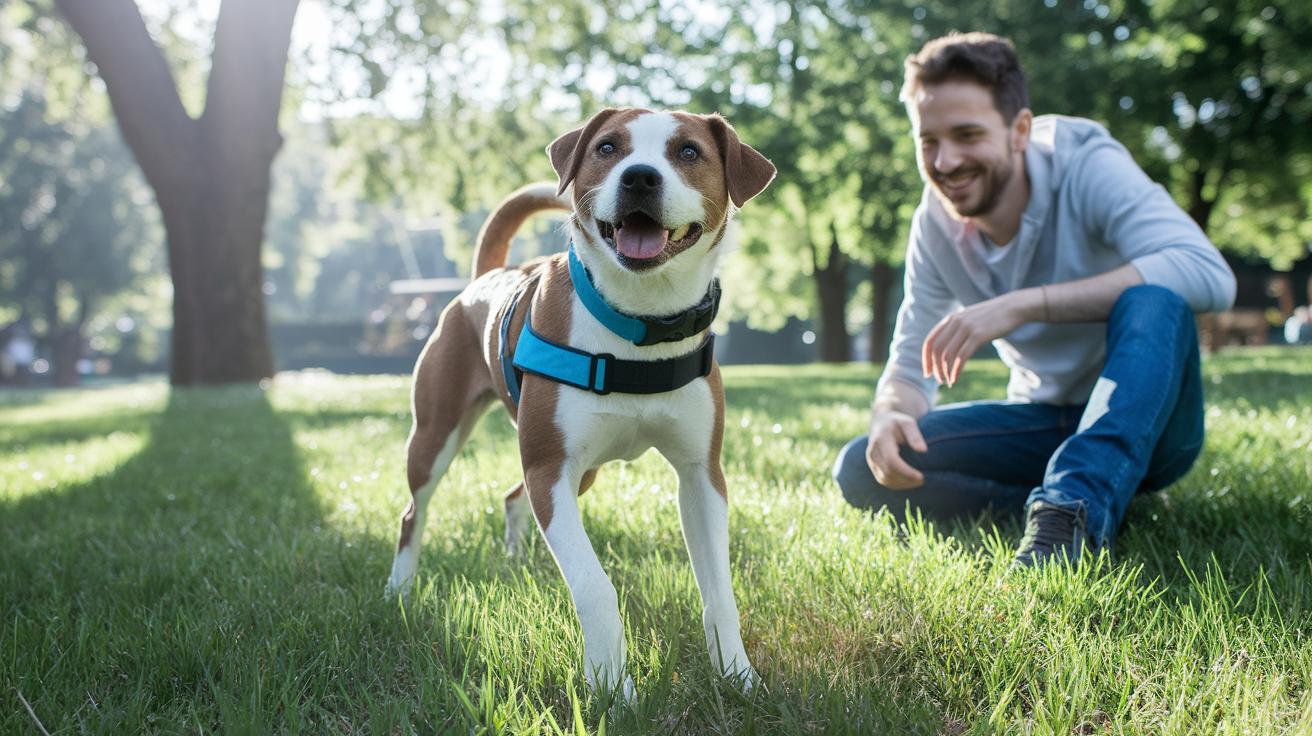
Have you ever noticed how the right dog training collar can turn a simple lesson into a special moment with your pup? When you pick one that fits just right, even a tiny tug becomes a chance for bonding and learning.
Finding a collar that suits your dog's size and energy level is like discovering a secret key to happy training sessions. It makes every little adjustment feel like a fun, shared adventure between you and your furry friend.
In this chat, we'll share what makes a dog collar work differently for various breeds and behaviors. It turns out that a simple tool can create moments of joy while teaching new tricks, making the training experience as heartwarming as the sound of a friendly bark.
Selecting the Best Dog Training Collar for Your Dog’s Needs
When it comes to picking out the perfect collar, the first step is to make sure it fits your furry friend just right. Take a moment to measure your dog’s neck carefully, tiny differences in size can really change how comfortable the collar feels. For instance, the Gentle Leader collar weighs a mere 1.4 ounces, which makes it a great choice if your dog gently tugs along during training. Smaller pups often do better with a lighter collar, while larger dogs might need something a bit sturdier.
Next, think about what behavior you want to work on and how your dog responds to different kinds of corrections. Some collars let you fine-tune the amount of stimulation, such as the Herm Sprenger Prong Collar. Even though the 22-inch version weighs about 8.6 ounces, it’s known to help calm aggressive leash pullers effectively. And remember, many e-collars have adjustable straps, so they fit just right every time. Have you ever noticed how a collar that fits just perfectly can turn training into a fun, bonding time with your pet?
- Collar type and the way it’s meant to help during training
- How well it fits and snaps into place
- The different correction settings it offers
- How far the signal can reach if it’s wireless
- Whether it’s built tough and can handle the weather
Your dog’s breed and personality play a big role in picking the right gear. If you have a small or sensitive pup, you might lean toward a collar that gives gentle, adjustable corrections while fitting snugly. For bigger, more energetic dogs, look for something rugged with a strong signal range and waterproof features. Ultimately, keeping your pet comfortable and responsive will lead you to the ideal collar for a happier, well-behaved companion.
Dog Training Collar Types and How They Work

When it comes to training your furry friend, picking the right collar makes a big difference. Each collar has its own way of talking to your dog, whether you're working on gentle walks or nailing down those advanced commands.
Halter-Style Collars
Halter-style collars, like the Gentle Leader, work by softly tightening around your dog’s neck. It’s like a warm, steady hug that guides your pup without startling them. Perfect for smooth, calm walks and reducing all that pulling. Imagine your dog trotting along, feeling the easy, reassuring touch that keeps them cozy and on track.
Prong (Pinch) Collars
Prong collars, such as the Herm Sprenger, give a quick pinch that your dog learns to understand. It’s a more direct signal, especially handy when your playful buddy gets too energetic. Think of it like a firm, brief nudge that says, “Hey, slow down a bit,” keeping things balanced during busy moments.
Slip Leads and Martingale Collars
Slip leads and martingale collars, like the Dokken Pro6, are super flexible. They slide on easily and adjust to your dog's needs, making them great for everyday training and keeping your pet safe. Picture a collar that fits just right, easy to put on and perfect for that spontaneous training session or a safe, snug walk.
Electronic (E-Collars)
Electronic collars, like the Garmin Delta SE, offer different levels of stimulation, vibration, tone alerts, and more, to remind your dog of commands they already know. They’re designed to be user-friendly while giving you lots of control. Imagine a gadget that quietly gives just the right hint, helping your pup stay focused without any fuss.
GPS and Remote Training Systems
Advanced collars like the SportDOG SportHunter 825X and Garmin TT15X take training to the next level by adding GPS tracking and remote control. These are fantastic for active dogs who need a little extra space to play while you keep an eye on them. Picture a collar that not only teaches but also lets you track your dog as they explore big, open areas.
| Collar Type | Primary Use |
|---|---|
| Halter-Style Collars | Smooth walks and gentle guidance |
| Prong (Pinch) Collars | Firm, quick reminders during high-energy play |
| Slip Leads and Martingale Collars | Easy, versatile training and a safe fit |
| Electronic (E-Collars) | Adjustable signals to reinforce what your dog already knows |
| GPS and Remote Training Systems | Extra range training with tracking for outdoor adventures |
In-Depth Reviews of Top Dog Training Collars
We put our favorite dog training collars to the test with a bunch of breeds and different behavior challenges. We took a close look at collars that work well for both dogs who pull just a bit and those with lots of energy. We chatted about features like how easy they are to use, the cool functions they offer, and how well they handle common issues like constant leash pulling or getting distracted. We even considered things like each collar’s weight, the level of stimulation it gives, and how it corrects behavior to help find the perfect match for every pup, no matter their size.
| Product Name | Type | Key Features | Pros | Cons | Price Range |
|---|---|---|---|---|---|
| Gentle Leader | Halter-Style | 1.4 oz, even pressure application | Great for moderate pullers | May not suit very energetic dogs | Moderate |
| Herm Sprenger Prong Collar | Pinch Collar | 8.6 oz, adjustable pinch pressure | Effective for problem pulling | Only for close-range corrections | Higher |
| Dokken Pro6 6-Foot 5-in-1 Leash | Slip Lead | 5 training configurations | Simple, versatile design | May be complex for beginners | Moderate |
| Garmin Delta SE | Electronic Collar | 10 stimulation levels, tone/vibe | User-friendly with multiple modes | Requires careful use | Moderate-High |
| SportDOG SportHunter 825X | Electronic Collar | 21 static levels, dual mode options | Good functionality and affordability | Needs precise application | Affordable |
| Garmin TT15X | Electronic Collar | 18 levels, 9-mile range | Ideal for specialized training | Advanced settings can be challenging | High |
When you’re picking a collar for your dog, think about what will help them most. If your pup struggles with regular pulling, a gentle option like the Gentle Leader can be a great fit. For dogs that pull with extra force, models like the Herm Sprenger or SportDOG are handy, delivering firmer corrections whether you're up close or a bit farther away. And if you’re ready to dive into advanced training with long-distance control, the Garmin TT15X steps up with lots of setting options and a great range.
Safe Practices and Best Training Techniques with Dog Training Collars

When you're starting out with training collars for your furry friend, safety always comes first. It’s really important to use gentle, kind methods that build on the commands your pup already knows. Starting soft sets a happy, trusting tone, which makes training more fun and exciting. Keeping each session brief also helps your dog stay relaxed without feeling overwhelmed.
- Begin each session using tone or vibration settings.
- Gradually turn up the intensity, just a little, only when needed.
- Always follow any correction with a friendly verbal cue and reward.
- Keep your training sessions to about 5–10 minutes.
- Watch closely for signs of stress and adjust accordingly.
- Regularly check and clean the skin under the collar.
- Store the collar in a dry, safe spot when it’s not in use.
Consistency and patience really do make a difference. Even a slight misfit can lead to discomfort, so double-check the fit each time before you start. By pairing gradual corrections with lots of positive reinforcement, you'll build a strong and respectful bond. This kind, steady approach helps your canine buddy stay calm and focused, making every training moment a joyful and rewarding experience.
Maintaining and Caring for Your Dog Training Collar
Taking care of your dog's training collar is a small effort that makes a big difference. It keeps the collar safe, reliable, and ready for every fun training session with your furry friend. A little regular upkeep ensures it stays energy-efficient, waterproof, and sturdy enough to handle the usual adventures.
Here’s an easy checklist to help out:
- Rinse off and dry the collar straps after each session.
- Inspect the electrodes and contacts, giving them a gentle wipe.
- Fully charge the battery after every day of training.
- Check for any fraying or loose hardware.
- Update the firmware and replace worn-out parts when needed.
These simple steps not only keep the collar working perfectly but also protect your investment. And remember, storing your collar in a cool, dry place is a great way to prevent damage. It means more worry-free training sessions with your best buddy!
Final Words
in the action, we explored how selecting the right dog training collars involves detailed measurements, various correction methods, and proper maintenance tips. We broke down each collar type and their unique features while offering safety advice and practical training techniques.
The article wrapped up by emphasizing the need to match collars with your dog’s specific needs. Every tip shared aimed to help you make a smart choice, keeping training sessions effective and kind with dog training collars. Stay positive and keep your pet smiling along the way!
FAQ
What types of dog training collars are available?
The types of dog training collars include halter-style, prong (pinch), slip leads, electronic collars, and remote training systems. Each offers a unique way to guide and correct behavior.
What are some of the best dog training collars and what do reviews say about them?
The best dog training collars often include models like Gentle Leader, Herm Sprenger Prong, Garmin Delta SE, and SportDOG SportHunter. Reviews praise their varied correction modes and reliable designs.
Which dog training collars work best for stubborn dogs and different breeds?
The best training collars for stubborn dogs and breed-specific needs offer adjustable fits and multiple correction levels to suit both small and large dogs, ensuring effective and comfortable control.
Where can I buy dog training collars?
Dog training collars can be found online on sites like Amazon or at local pet stores, allowing you to choose a model that suits your dog’s needs both near you and from home.
What collar do dog trainers recommend?
Dog trainers typically recommend collars that provide precise control and humane correction, often favoring electronic models with multiple intensity levels for safe, effective training.
Are dog training collars effective in modifying behavior?
Dog training collars are effective when used correctly. They work by delivering controlled feedback combined with positive reinforcement to help shape good behavior over time.
What is the difference between shock and vibration collars, and should I use a vibration collar?
Vibration collars give a gentle cue while shock collars deliver a sharper stimulus. Many trainers prefer vibration models for a kinder, more controlled approach to behavior correction.