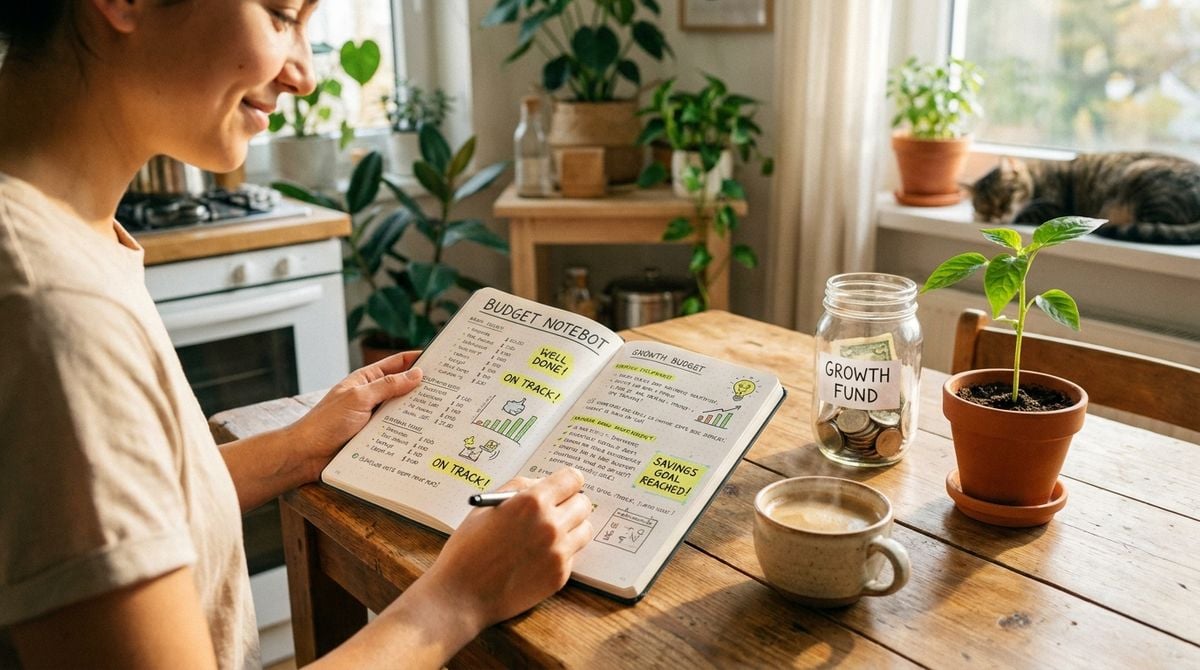
A household budget often starts with good intentions and a blank spreadsheet, then breaks down after the first unexpected repair bill. Outsiders tend to imagine budgeting as a rigid plan that demands perfect discipline. In practice, the most useful budgets look a lot like ordinary life, with room for birthdays, car trouble and the occasional takeout dinner. Newcomers who expect that messiness usually find the process less discouraging. A realistic plan also makes it easier to celebrate progress, since every small win becomes visible on the page. The sections below describe the points that people notice first when they start and the details that are easy to miss.
Money decisions at home are shaped by routines, family needs and the timing of paychecks and bills. A plan that ignores those realities rarely lasts beyond a few weeks. Building a budget around real habits takes a little more honesty, yet it creates a far more dependable tool. The ideas here are general information about organizing household money, not personal financial advice. Each household has different goals, so the best approach is the one that fits your own pattern of spending and saving over time. Asking everyone in the home for input at the start often produces a plan that people feel comfortable following.
Start With the Money You Actually Spend
Many people begin with the income they hope to earn, but a useful budget starts with the money that has already left the account. Gather a few months of statements, receipts and app records so you can see where the money really goes. Newcomers often underestimate small purchases, subscriptions and convenience items, which can add up quickly. Readers may also want to visit cashbuffalo.org. Once the categories are clear, the plan reflects real behavior rather than wishful thinking. Looking at the largest categories first is often the quickest way to see where small changes could make a noticeable difference.
Sorting Fixed Costs From Flexible Ones
Fixed costs such as housing, insurance and loan payments tend to stay the same from month to month, while flexible costs change with the season and the week. Separating these two groups makes it easier to see where adjustments are possible without disrupting essentials. You can also visit Europe Liberty Reserve for more reading. Flexible spending often has the most room for change, though it also carries the most emotional weight. A clear separation keeps the conversation calm when the plan needs revision. Labeling each category with a short note about why it exists can also help people understand the reasoning behind the numbers.
Tracking Spending Without Feeling Judged
Tracking is the part many households dread, because it can feel like a report card on every purchase. Choose a method you will actually use, whether that is a notebook, a shared spreadsheet or a simple app with weekly reminders. For a related read on this site, see Smart Thermostat Savings Claims: What a Newcomer Should. Keep the tone supportive, especially when partners or roommates share the account. The goal is awareness, not punishment, and small corrections are normal. Celebrating a week where the plan worked well can reinforce good habits more effectively than focusing on every slip.
Planning for Irregular Bills
Annual fees, school supplies, holiday gifts and car maintenance often arrive without warning, which makes them feel like emergencies. A useful habit is to estimate these irregular costs and divide them into small monthly amounts. Keeping those amounts in a separate account or labeled envelope prevents them from disrupting the rest of the budget. Newcomers sometimes skip this step because the bills seem rare, yet they are among the most common reasons plans fall apart. Planning for predictable surprises turns a stressful moment into a routine transfer. Many households also keep a small buffer for true emergencies so that the irregular bills stay separate from unexpected events.
Reviewing the Plan Each Month
A budget works best when it is reviewed on a regular schedule rather than abandoned after a bad week. Set aside a short time each month to compare planned amounts with actual spending and note what surprised you. Ask whether the categories still match the household’s priorities, since needs change as children grow or work schedules shift. Small adjustments made regularly are usually more effective than dramatic overhauls after a difficult month. A monthly check-in can also reveal progress that is easy to overlook. Writing down one thing that went well and one thing to change keeps the review focused and friendly.
A Budget That Bends Is Still a Budget
A household plan does not need to be perfect to be useful. The real value lies in knowing where money goes, planning for predictable costs and reviewing the numbers with honesty and patience. Start with the simplest version you can maintain, then refine it as your routines become clearer. A budget that bends with real life is far more likely to survive than one that promises a flawless month. Over time, the habit of checking in calmly matters more than any single perfect number on the page.