Finding a rental home is exciting, yet the first visit is also the moment to look for safety issues that a listing may not mention. Smoke alarms, window latches, door locks and electrical sockets all influence daily life in a home. A quick, calm inspection can reveal problems early, when they are easier to raise with the landlord. This article explains simple checks that any renter can carry out with a notebook and a flashlight. It is general information only and does not replace advice from a qualified inspector or a legal professional.
Testing Smoke and Carbon Monoxide Alarms
Ask to see the smoke alarm in each main room and in the hallway. Press the test button and listen for a loud, clear sound. An alarm that is missing, painted over or hanging loose should be noted in writing before you commit to the property. If the building has a shared stairwell, check the alarm there as well. Ask who is responsible for testing it, and whether the landlord keeps a log. A simple written reply from the landlord is worth asking for before you commit.
Look for a carbon monoxide alarm near any gas appliance, and ask when the unit was last tested. Readers may also want to visit rapid-debt-consolidation.com.
Checking Locks, Latches and Windows
Try every exterior door and window lock on the first visit. Each should latch firmly and open without force. Check that the front door has a working deadbolt or secure lock, and that keys match the locks you will use daily.
Upper floor windows deserve extra attention. Open and close each one to see whether it stops at a safe width or opens fully, and ask the landlord about window restrictors if children will live there. Note any cracks or loose frames. Ask whether the landlord has ever repaired the same window before, and what was done. You can also visit extramoneyinfo.net for more reading.
Looking at Electrical Sockets and Wiring
Plug a phone charger into a few sockets to confirm they work and feel secure. Look for scorch marks, loose faceplates, cracked casings or sockets that feel warm. Do not use a socket that sparks or smells of burning, and report any issues to the landlord before moving in.
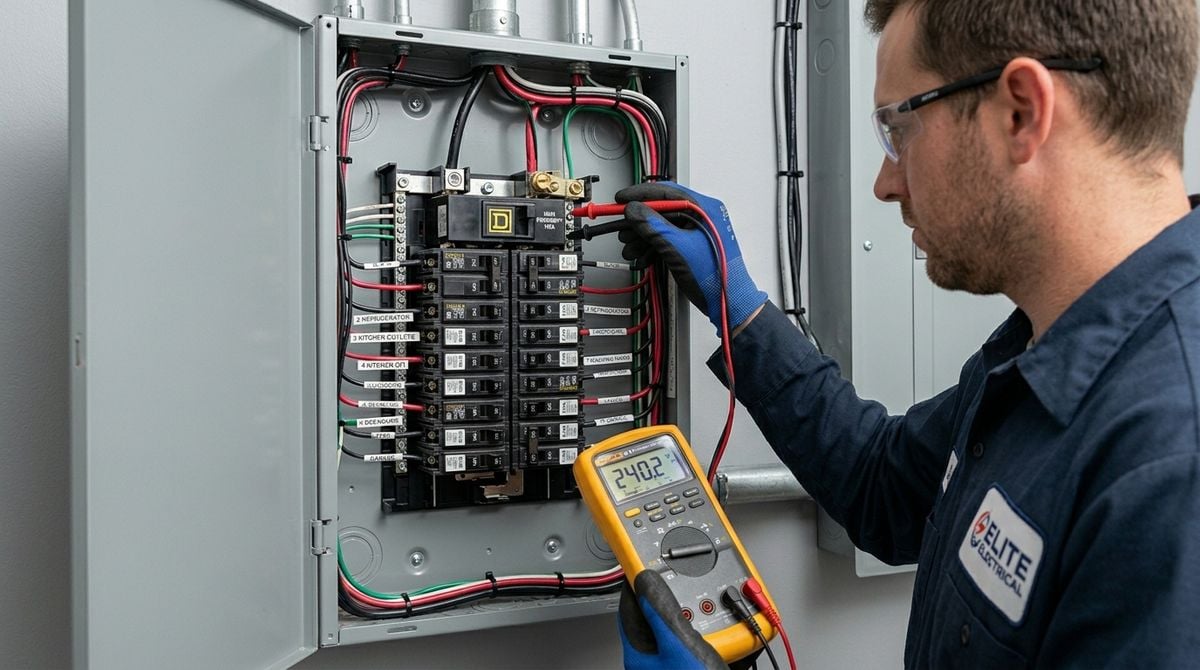
Check whether the fuse box or consumer unit is accessible and labeled. Avoid rentals where extension leads seem to be the only way to power essential appliances, since that usually points to too few sockets. Ask an electrician to confirm whether the wiring is adequate if the layout seems strange. For a related read on this site, see Managing Working Capital and Currency Swings for Global. Do not attempt to open a consumer unit yourself. If a panel looks unsafe, note it and ask a qualified electrician to inspect it. Safety comes first, even when the home looks attractive.
Looking at Water, Heat and Ventilation
Run the taps and check for steady pressure, clear water and no drips under the sink. Look for damp patches on ceilings, mold in corners and stains around windows. Ask how the home is heated and whether the boiler or heating system has been serviced recently. Look under the sink and behind the washing machine for signs of leaks, and check that appliances are placed away from water.
Make sure bathrooms and kitchens have working extractor fans or vents. Good airflow reduces condensation and keeps the home more comfortable through the year. Ask how the vents are cleaned, since blocked vents can lead to damp patches.
Walking Around the Outside and the Neighborhood
Take a walk around the building and note the lighting near the entrance, the state of the steps and any loose railings. Check whether bins, bikes or hoses create trip hazards on paths. Notice how the street feels at different times of day, if you are able to visit more than once. Check that the route from the building to the street is well lit and free from broken slabs.
Ask neighbors or the building manager about any recurring issues, such as flooding, noise or stray animals. Their answers may surface concerns that a short viewing never reveals. Write down any warnings they give you, even if they sound minor at first.
Writing Down Concerns Before Signing
Bring a notebook or a note app and record every issue you notice, along with the room and the time of your visit. Photos are helpful when you share the concern in writing. Ask the landlord to confirm repairs in writing and to explain the timeline.
Keep copies of all messages and any agreed repair list. If a concern is serious, request an independent inspection before you sign. Trust your instincts if something feels unsafe, and do not sign until you feel comfortable. If the landlord refuses to answer simple safety questions, treat that as useful information.
Starting Your New Home on Solid Ground
A thorough walkthrough gives you a clear picture of the home before the keys change hands. Test the alarms, check the locks, look at the wiring and listen to the people who know the area. Those few hours of care can prevent months of worry.