



Have you ever thought about taking your furry pal on an unforgettable trip to Canada? It's a fun idea that's easier than you might think if you get all your paperwork in order.
Picture this: you and your pet arriving at the border with everything ready, making the crossing smooth and worry-free. Your little buddy can explore freely without any hassle or stress.
In this chat, we’ll share simple steps and handy tips to ensure your pet stays safe and happy during the journey. Think of it like preparing a special outing for your best friend, one step at a time, with plenty of care and love.
So, let’s dive into the details together and get ready for a stress-free adventure that both you and your pet will enjoy!
Overview of Pet Travel to Canada Requirements
Traveling with your furry friend to Canada means gathering a special set of documents known as a pet passport, a collection of forms that tick all the boxes set by the CFIA for both dogs and cats. Now, don't get confused: this isn’t like the EU pet passport. Instead, CFIA makes sure every step is done right, so things go as smoothly as the soft purr of a content cat or the gentle wag of a happy dog’s tail.
Every little requirement, from a microchip being put in (a tiny PIN for your pet’s safety) to vaccinations and a health certificate, needs to be handled by a licensed vet in your pet’s home country. They highly recommend using a 15-digit ISO 11784 microchip, especially crucial for commercial shipments. Follow every step closely, and your pet can breeze through without facing quarantine. But miss even one detail, and your pet might face quarantine, be sent back, or in the worst-case scenario, be at risk, all at your own cost.
Also, if you're traveling with dogs that are 8 months or older or cats that are 3 months or older, you’ll need proof that they’re up-to-date on their rabies shots, or a document that’s accepted as a substitute. Pets coming from rabies-free countries like Australia, Finland, or Japan enjoy a simpler process. Stick to these age and vaccination guidelines, and entry into Canada will be as easy as a leisurely stroll in the park, keeping your pet healthy and the border checks a breeze.
Essential Documentation for Pet Travel to Canada

Planning a trip with your furry friend to Canada? It all starts with gathering the right paperwork. Every little detail can help make the journey smoother and ensure your pet stays safe along the way. Chat with your trusted veterinarian soon, someone who can fill out all these forms in English or French properly, ideally within 48 hours before you leave.
Here’s a quick guide to the must-have documents:
- Health Certificate: A form your vet fills out that shows your pet’s ID, vaccination dates, details about the vaccine manufacturer, the batch number, and when the vaccine expires.
- Rabies Vaccination Certificate: Essential if your dog is 8 months or older or your cat is 3 months or older. Vaccines that are good for up to three years are accepted.
- Import Permit: Needed if your pet is traveling without you or coming from a country where rabies isn’t under control, to meet Canada’s special entry rules.
- Microchip Record: This should show a 15-digit ISO 11784 microchip number or proof that there’s a compatible reader available. This helps confirm who your pet really is.
- CFIA Entry Forms and Species-specific Permits: Additional forms required by the Canadian Food Inspection Agency to correctly register your pet’s breed or species for entry.
All these documents are typically available at your local vet’s office. Before you set off, double-check that every form is filled out correctly and signed off where needed. Once you arrive in Canada, hand over these papers as instructed by both the CFIA and your veterinarian. With all your paperwork in order, you and your pet can enjoy a hassle-free border crossing and a wonderful, safe adventure together.
Vaccination and Microchip Standards for Canada Pet Entry
Heading to Canada with your furry friend? You'll need a current rabies vaccination certificate. For dogs aged 8 months and up and cats from 3 months up, this certificate should list the vaccine’s maker, batch number, the date it was given, and when it will expire, all written in either English or French. Vaccines valid for up to three years are okay, and if you have the original proof, there’s no need for a rabies titer test. It’s a bit like your vet jotting down all the special details for someone they truly care about.
Before any shots are given, your pet should get a 15-digit ISO 11784 microchip implanted. This little chip links perfectly with your pet’s vaccination record, kind of like matching a key to its lock for a smooth journey across borders. If you’ve used a different kind of chip, make sure you have a reader that can recognize it. It's all about making sure every little detail comes together just right.
Airline Policies for Pet Travel to Canada
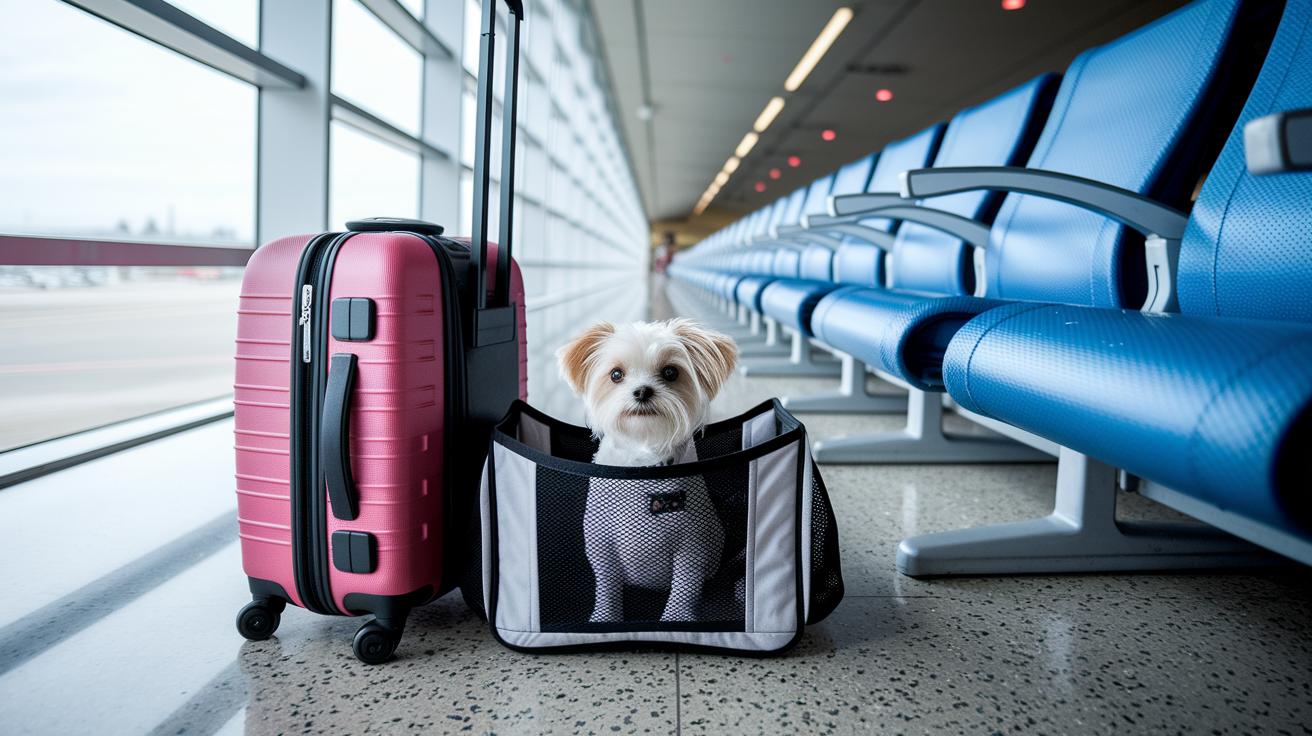
Most big airlines like Air Canada, Delta, United, and WestJet offer two ways for you to travel with your pet: in-cabin or as cargo. In-cabin travel means your pet gets to stay with you in a special carrier that fits under the seat (usually around 9×50×40 cm) and weighs no more than 8 kg with you. This makes sure your little friend is safe and comfy while you fly together.
If you choose cargo travel, your pet will travel in a temperature-controlled hold. This helps keep them comfortable even when temperatures drop below -18 °C or climb above 29 °C. Each airline has its own fee, which is usually between CAD 50–200 or USD 75–200, depending on the service you select.
| Airline | In-Cabin | Cargo | Max Dimensions | Fee Range |
|---|---|---|---|---|
| Air Canada | Yes | Yes | 9×50×40 cm | CAD 50–150 |
| Delta | Yes | Yes | 9×48×34 cm | USD 75–200 |
| United | Yes | Yes | 9×48×40 cm | USD 100–200 |
| WestJet | Yes | Yes | 9×50×40 cm | CAD 60–180 |
When your pet travels in cargo, they need to be in an IATA-approved crate. This crate should be sturdy, well-ventilated, leak-proof, and have tight latches along with some absorbent bedding. I remember packing my furry friend in a similar crate, and it really helped keep them safe during the flight.
Also, keep in mind that some pet breeds, like Pit Bull Terriers or American Staffordshire Terriers, might face extra restrictions on certain routes. It’s always a good idea to check with your airline before you travel to make sure you’re meeting all the rules.
Following these guidelines can make your journey across Canada smoother and a bit less stressful, so you and your pet can enjoy your time together every step of the way.
Border Entry and Customs Procedures for Pets in Canada
When you travel into Canada by plane or across the land border, you need to have all your pet’s paperwork in order. Imagine it like bringing your pet’s report card – you must show health certificates, vaccination records, certification, and any import permits. Make sure everything is complete and written in English or French. One family I remember had everything ready, and watching their pet happily scamper beside them made the process smooth and stress-free.
If any paperwork is missing or incomplete, trouble can follow. Pets that don’t have all the proper documents might be quarantined, sent back, or even face euthanasia, all at the owner’s cost. For pets that travel on their own or come from places without controlled rabies, an import permit is also needed, and Canadian pets leaving the country must carry CFIA-approved export certificates. In some areas like Ontario and Toronto, there are extra breed restrictions for animals such as Pit Bull Terriers and American Staffordshire Terriers. These rules might seem strict, but they’re in place to keep everyone safe, both our furry friends and people alike.
Special Considerations for Young and Service Animals in Canada Pet Travel

For puppies and kittens, the rules for travel change as they grow. If your little furball is under three months old, you don’t need any extra paperwork. But once they turn three months, until they hit eight months, you’ll need to have all the proper documents on hand. This includes a detailed health certificate, proof of vaccinations, and a record of their microchip. It’s a step-by-step process that helps keep your young pet safe and sound as they grow.
Now, if you’re bringing along a medically certified service, guide, or hearing dog, things are a bit different. These special pups don’t need rabies vaccinations when they have the right certification. All you need is a signed letter from a licensed veterinarian or an authorized agency stating that they are a service animal. This little note means you can skip the import permit, making border crossings much easier.
Other pets, like birds and rabbits, have their own set of rules laid out by the Canadian Food Inspection Agency. They might need extra permits or special tools, such as those required under CITES rules. It’s always a good idea to check with your veterinarian or local authorities to make sure you have everything you need. This way, your pet’s entry into Canada can be as smooth as the gentle patter of tiny paws.
Final Words
In the action of outlining essential requirements, this article detailed the pet passport concept, microchip, and vaccination procedures.
It walked through airline policies, customs checks, and even special rules for young and service animals.
Every section was designed to give you clear, practical insights on preparing for pet travel to canada, helping you feel confident about each step.
Following these steps can make your next trip smoother, ensuring a safe and happy journey for your furry friend.
FAQ
Can I bring my dog into Canada by car?
You can bring your dog into Canada by car if you follow all CFIA pet travel regulations, which include proper documentation, current vaccinations, and valid health certificates prepared by a licensed veterinarian.
What documents do I need to bring a pet into Canada?
You need a pet passport bundle including a health certificate, rabies vaccination proof for dogs aged eight months and cats aged three months, and often an import permit if the pet is unaccompanied or from a non–rabies-free country.
What does the CDC Dog Import Form cover?
The CDC Dog Import Form outlines necessary information regarding a dog’s health, vaccinations, and travel history, ensuring that the dog meets required health standards before entering Canada without complications.
How much does it cost to take a pet to Canada?
The cost to take a pet to Canada varies, covering veterinarian fees, documentation, possible import permits, and travel fees, including any airline charges if you fly your pet in-cabin or as cargo.
How does USDA pet travel to Canada differ?
USDA pet travel requirements are separate from Canadian CFIA rules; Canadian entry relies on CFIA documentation and health standards, so USDA forms generally do not apply for pets entering Canada.
What do I need to cross from Canada to the US with my dog?
To cross from Canada to the US with your dog, you need proper health documents, proof of current vaccinations, and any required CDC paperwork along with identification details to meet US border regulations.
What is Air Canada pet policy and can my dog fly in the cabin?
Air Canada allows pets in-cabin if the animal and its small carrier meet size and weight limits; alternatively, pets may also travel as cargo. Check airline guidelines and fees for smooth travel.