



Have you ever thought that a vet visit could feel like a fun little adventure with your pet? Imagine walking into a clinic where you’re greeted with warm smiles, just like starting a playful outing with your furry buddy. Next, you get to know each step of the visit, from the friendly check-in at reception to a careful head-to-toe look that keeps your pal in great shape. In truth, it's all set up to help your pet stay happy and healthy, one joyful checkup at a time.
Key Steps in Your Pet’s Annual Checkup
Walking into the clinic feels almost like arriving for a fun little adventure with your furry pal. The friendly receptionist greets both of you warmly and notes down your pet’s name and a few simple details, kind of like a quick pit stop before hitting the road. Usually, the whole visit takes about 30 to 45 minutes, though it might stretch a bit longer if the vet needs to run some extra tests.
Next, you sit down with the vet, who starts by asking about your pet’s history and daily habits. They might ask about your pet’s meals, playtime, or any changes you’ve noticed recently. It’s a bit like chatting over a cup of coffee with a friend who really cares about your pet. You could share, “Lately, my pet has been extra playful, almost like they’re celebrating something special,” helping the vet get a clear picture of your little buddy’s everyday life.
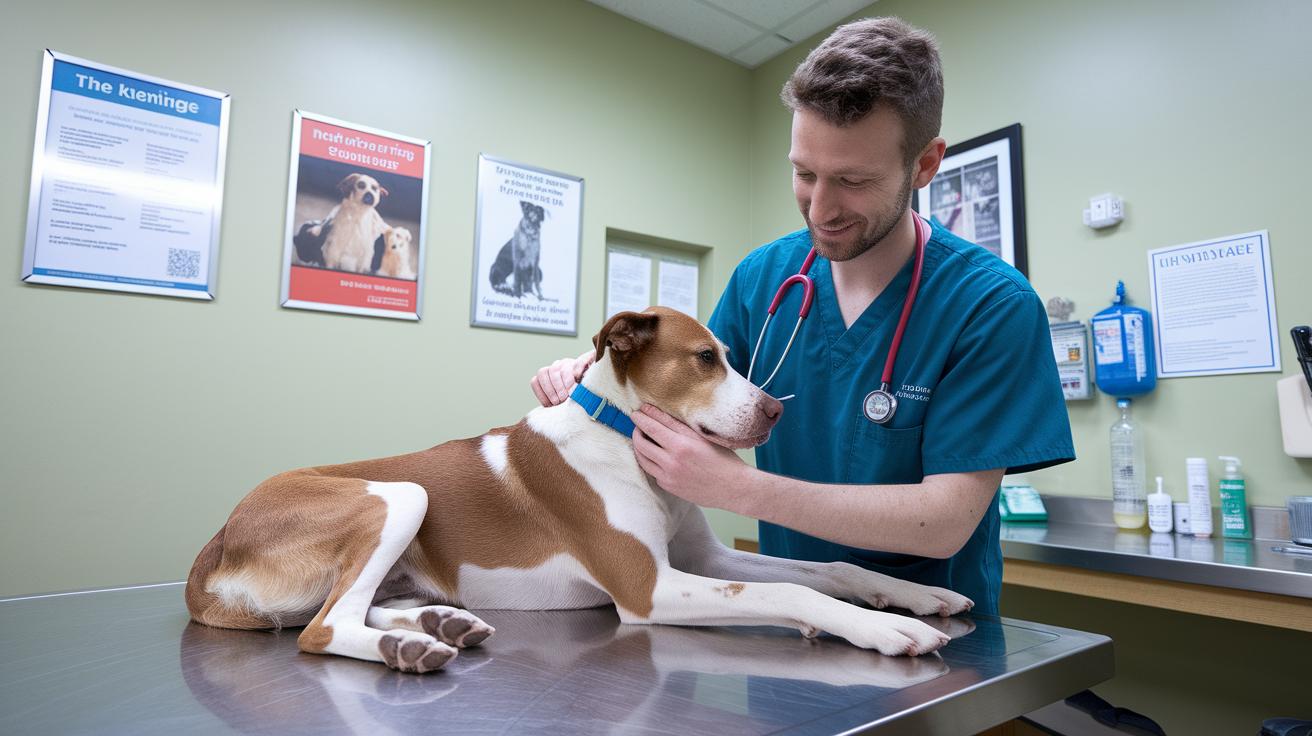
After your conversation, your pet gets a full head-to-tail checkup. The vet carefully looks at everything, checking the eyes, ears, nose, mouth, and even the little details like teeth and skin. It’s a lot like a car inspection, making sure every part of your pet is running smoothly. Once all the checks are done, the vet explains what they found and goes over any next steps to keep your pet in the best shape possible.
Preparing for Your Pet’s Annual Checkup

Getting ready for your pet’s annual checkup can feel a bit like planning a fun outing, one that also helps keep them healthy. Start by collecting any records you have, like vaccination dates, details of any medications or supplements, and any recent lab test results. It’s also a good idea to jot down everyday habits you’ve noticed, such as mealtimes, play or exercise patterns, water intake, trips to the bathroom, and any behavior changes. And hey, calling the vet’s office beforehand to book a quieter time can help keep your pet relaxed during the visit.
Before you set out, make sure you have a small list of things to bring along:
- Recent vaccination dates
- A record of any medications or supplements
- A log of meals and feeding times
- Notes on exercise and behavior
- Any questions or worries about your pet’s health
- Copies of previous lab or imaging reports
Reviewing these details, whether on paper or on a smartphone, ensures you don’t miss an important piece of information. Taking a few minutes to double-check everything can help your vet spot any issues early, setting the stage for a healthy year ahead and giving you peace of mind.
Physical Examination Procedures in a Pet’s Annual Checkup
Head, Sensory and Oral Checks
When your vet starts the exam, they greet your pet with a friendly inspection of the head and face, almost like a gentle hello. The vet carefully checks the eyes for any signs of discharge, redness, or cloudy spots that might hint at a cataract. They look into the ears, making sure there aren’t any signs of infection or pesky mites hiding away. The nose and overall facial area also get a close look to catch any unexpected changes.
The mouth gets special attention too. The vet examines the teeth, gums, and tongue, searching for any signs of dental trouble like plaque or swollen gums. A healthy mouth should show clean, pink gums and teeth that aren’t covered in too much tartar. Sometimes you might hear them say, “Your pet’s teeth look great, but let’s keep an eye on that molar area during our next visit,” which helps you understand both the good news and what to watch for later.
Heart, Lung and Abdominal Assessment
Next up, your vet listens carefully to your pet’s heart with a stethoscope. It’s like tuning in to a favorite song to make sure everything has a steady, regular beat. They also pay close attention to the lungs, listening for smooth, rhythmic breaths that tell them your pet is breathing easily.
After that, the vet gently presses on your pet’s belly, this is called an abdominal palpation, to feel for any unusual bumps or areas that might be tender. This simple step is key, as it helps reveal the hidden health of your pet’s internal organs.
Lastly, your pet’s coat and how they move aren’t overlooked. The vet checks the skin for dryness, little bumps, or any signs of parasites, while also watching how your pet walks and stretches. This helps spot any stiffness or discomfort, ensuring that every part of your pet’s health is looked after with care.
Vaccinations and Parasite Prevention at the Annual Checkup
At your pet’s yearly visit, vaccinations take center stage. The friendly vet reviews your pet’s immunization history and updates important vaccines like rabies and DHPP/DA2PP. They choose these shots based on your pet’s age, breed, and daily activities so your furry friend stays safe from serious illnesses. It almost feels like chatting with a caring friend who really understands your pet’s needs.
Next, the checkup wouldn’t be complete without a look into parasite prevention. The vet team usually tests for heartworms and sometimes checks a stool sample to spot any intestinal invaders. They also give your pet’s coat a good once-over to spot pesky visitors like fleas, ticks, and mites. These steps help catch potential issues early, so you and your pet enjoy fewer health worries down the road.
| Vaccine/Test | Purpose | Frequency |
|---|---|---|
| Rabies | Prevents the dangerous rabies virus | Once yearly or as advised |
| DHPP/DA2PP | Shields against distemper, hepatitis, and parvovirus | Every year to every three years, based on guidelines |
| Heartworm Test | Checks for heartworm infections | Annually |
| Fecal Analysis | Finds intestinal worms and parasites | Annually |
Diagnostic Tests and Additional Procedures During the Annual Checkup
Every year when you bring your pet in for a checkup, your vet might suggest a few extra tests, especially if your furry friend is getting older, belongs to a breed with known issues, or has already shown some health concerns. These tests are like little clues that help catch problems early before they become big. For instance, your vet might run a blood panel to check how well your pet’s liver, kidneys, and thyroid are doing, along with counting the red and white cells to spot any early signs of trouble. Sometimes, a fecal test is done to see if any belly parasites are causing digestive issues. Urinalysis is another common check, it helps the vet see if your pet's urinary system is healthy and if they’re staying well hydrated. And on occasion, diagnostic imaging like X-rays or ultrasounds might be recommended to take a closer look at the organs or investigate any hidden sources of discomfort.
Common additional procedures performed during the checkup include:
- Complete blood count (CBC)
- Biochemistry panel
- Urinalysis
- Diagnostic imaging (X-ray/ultrasound)
These extra tests give a complete picture of your pet’s overall health, ensuring that any potential issues are discovered early so that you can create personalized, preventive care plans for your beloved companion.
Post-Checkup Follow-Up and Ongoing Care After Your Pet’s Annual Checkup

After your pet’s checkup, your vet will go over everything with you in a warm, friendly way. They’ll chat about the exam results, answer your questions, and might suggest some new medications or tweaks to your pet’s diet. Sometimes, the clinic staff might set up booster shots or recommend a specialist if needed. It’s a reassuring moment when you get clear guidance on how to keep your furry friend happy and healthy. Your vet explains how small changes, a new treatment plan or a different feeding schedule, can really make a difference in your pet’s comfort and overall well-being. They remind you that keeping an eye on everyday habits can help catch any issues before they become bigger problems.
Moving forward, here are a few easy steps to keep up with your pet’s health once you’re home:
- Fill prescriptions or order any needed supplements.
- Book any booster or specialist appointments.
- Keep an eye on your pet’s weight and behavior each day.
- Note down any new symptoms or side effects.
- Update your pet’s records and set a reminder for the next visit.
These steps might seem small, but they really add up to big benefits for your pet’s health. Keeping a daily log of observations and sticking to follow-up appointments makes the transition from one checkup to the next smooth and helps you catch any changes early on.
Final Words
In the action, our guide walked through check-in, physical exams, vaccinations, and follow-up care. We tried to explain each step clearly, from preparing records to the vet’s head-to-tail review.
This way, you have a handy overview of what to expect during your pet's annual checkup. It’s all about making pet care simple and stress-free while keeping your furry friend happy and healthy. Enjoy applying these tips and celebrating every step toward a vibrant pet life.
FAQ
What to expect during your pet’s annual checkup?
The pet’s annual checkup starts with check-in, a review of its history, and a head-to-tail physical exam followed by a discussion of findings and next steps for care.
What does a dog’s annual exam include and what do vets do during a checkup?
A dog’s exam includes a full physical inspection—from eyes and ears to mouth, skin, heart, and limbs—with a review of diet, exercise, and behavior to maintain overall wellness.
How long does a vet checkup usually take?
A vet checkup usually takes about 30 to 45 minutes, though it can be longer if additional tests or discussions are needed.
How much does a dog’s annual exam cost?
The cost of a dog’s annual exam varies by clinic and location, typically ranging from $50 to $150 with additional services or tests adding to the overall expense.
What is meant by a low cost wellness exam or dog wellness exam near me?
A low cost wellness exam is a basic physical evaluation focusing on essential health checks, offered by affordable clinics, so check local listings to find nearby options.
What is a police wellness check on a dog?
A police wellness check on a dog is uncommon; routine health exams are performed by veterinarians, while law enforcement typically gets involved only in matters of safety or if a service dog is under special review.