



Have you ever stopped to wonder what happens when nature mixes two different animals in one amazing creature? Picture a coywolf or a grolar bear, each one a unique blend that helps them thrive in ever-changing places.
Today, I’m excited to share three cool examples that show just how clever nature can be. Each mix is like nature’s little trick for surviving, combining special traits with a hint of mystery.
So, are these hybrids just one-off surprises, or do they show us a smart design at work? Let’s dive in and discover the wonder behind these unusual animal combinations.
Defining Hybridised Animals: Natural vs Anthropogenic Crossbreeding

Hybrid animals happen when two different species come together, resulting in little ones that carry traits from both parents. For instance, in nature, animals might mate without any human help. Think about the coywolf, a mix of a coyote and a gray or eastern wolf, that naturally adapts to various environments. Then there’s the grolar bear, born when a polar bear and a grizzly bear meet, often thanks to changes in their habitats.
On the other hand, human influence sometimes plays a part in mixing genes. This is what we call anthropogenic crossbreeding. A classic example is the mule, which results from a male donkey pairing with a female horse. Its less common cousin, the hinny, is made when a male horse mates with a female donkey. These hybrids usually can’t have offspring because their chromosomes don’t match well. In farms, you might also come across beefalo, a mix of American bison and domestic cattle. Interestingly, when a domestic bull mates with a bison cow, more hybrids are born, though only the females can go on to bear young.
Another interesting case is the cama, created in 1998 by crossing a male dromedary camel with a female llama. This clever blend was designed to combine the strong build and size of camels with the prized wool of llamas. Whether nature leads the way or humans lend a hand, hybridisation shows us that combining different species can result in some truly unique animals.
Genetic Mechanisms in Hybridised Animals

Hybridisation in animals is a really interesting process where genes mix in unique ways. Sometimes, the chromosomes just don’t line up perfectly, which can make things tricky. For instance, mules inherit 63 chromosomes from a horse-donkey mix, a horse normally has 64 chromosomes and a donkey has 62. This mismatch stops mules from going through regular cell division to make offspring, so many hybrids end up struggling with reproduction.
Research shows that not all hybrids face the same challenges. Take beefalo, for example. Female beefalo can often have offspring, while the males usually can’t, which is pretty surprising. And then there are feline hybrids, like ligers and tigons. Some of these mixed cats are even able to reproduce, showing that nature loves to bend the rules sometimes. Ever think about a liger having both lion and tiger traits yet still managing to pass on its legacy? It’s one of those mysteries that adds to nature’s magic.
A particularly unexpected case is the narluga, a blend of a male beluga whale with a female narwhal. In 2020, scientists confirmed their existence by studying skull and tooth DNA. This neat discovery reminds us that mixing genes can sometimes lead to entirely new combinations. These changes might help the animal survive better or, sometimes, create challenges like reduced fertility.
All this goes to show that hybrid evolution isn’t black and white. Our understanding of how genes mix and flow across species is always evolving, inviting us to rethink what we know about nature’s endless surprises.
Iconic Hybridised Animals: Top Examples

-
Grolar bear – This cool bear is a mix of a polar bear and a grizzly bear. It lives in the icy Arctic, showing off the polar bear’s hardy, chilly endurance along with the grizzly’s strong build. A true blend of nature’s best!
-
Dzo/Dzomo – Imagine the strength of a yak paired with the hard work of domestic cattle. That’s what you get with these hybrids. The bull is called a dzo and the cow a dzomo, and they’re loved for their endurance and useful traits.
-
Coywolf – When a coyote and an eastern or gray wolf mate, they create the coywolf. This clever animal brings together the coyote’s smart hunting instincts with the wolf’s ability to adapt to different places. It’s like nature’s own team-up of skills!
-
Liger/Tigon – Ever seen a mix of a lion and a tiger? These big cat hybrids (a liger when a male lion mates with a female tiger, or a tigon for the opposite) have a mix of royal power and flashy looks. They’re truly one-of-a-kind and spark lots of wonder.
-
Pumapard – This rare feline comes from a puma and a leopard pairing. It moves with the quiet grace of a puma and shows off the leopard’s pretty spotted coat. Sometimes, these hybrids even have a smaller build, adding to their unique charm.
-
Bengal cat – A playful blend of the Asian leopard cat and our common housecat, the Bengal cat brings a touch of wild flair into your home. With its dappled, patterned fur and a friendly, curious nature, it feels like having a little piece of the wild right on your lap.
-
Mule/Hinny – These hardworking animals result from a horse and a donkey joining together. Though they can’t have babies because of their mixed chromosomes, they’re famous for their strength and reliability as pack animals.
-
Zonkey – Think of a zebra and a donkey teaming up. The zonkey shows off striking stripes on a calm, gentle body. It’s a unique mix that brings together the wild vibe of a zebra with the friendly heart of a donkey.
-
Cama – In 1998, scientists created a surprising mix by mating a male dromedary camel with a female llama. The result? A creature that combines the camel’s sturdy build with the llama’s prized wool, blending two very different animals into one.
-
Narluga – Confirmed by DNA in 2020, this rare sea creature comes from a male beluga whale and a female narwhal. It’s an amazing underwater hybrid, mixing traits from both its parents to form a uniquely fascinating cetacean.
Ecological Impacts of Hybridised Animals
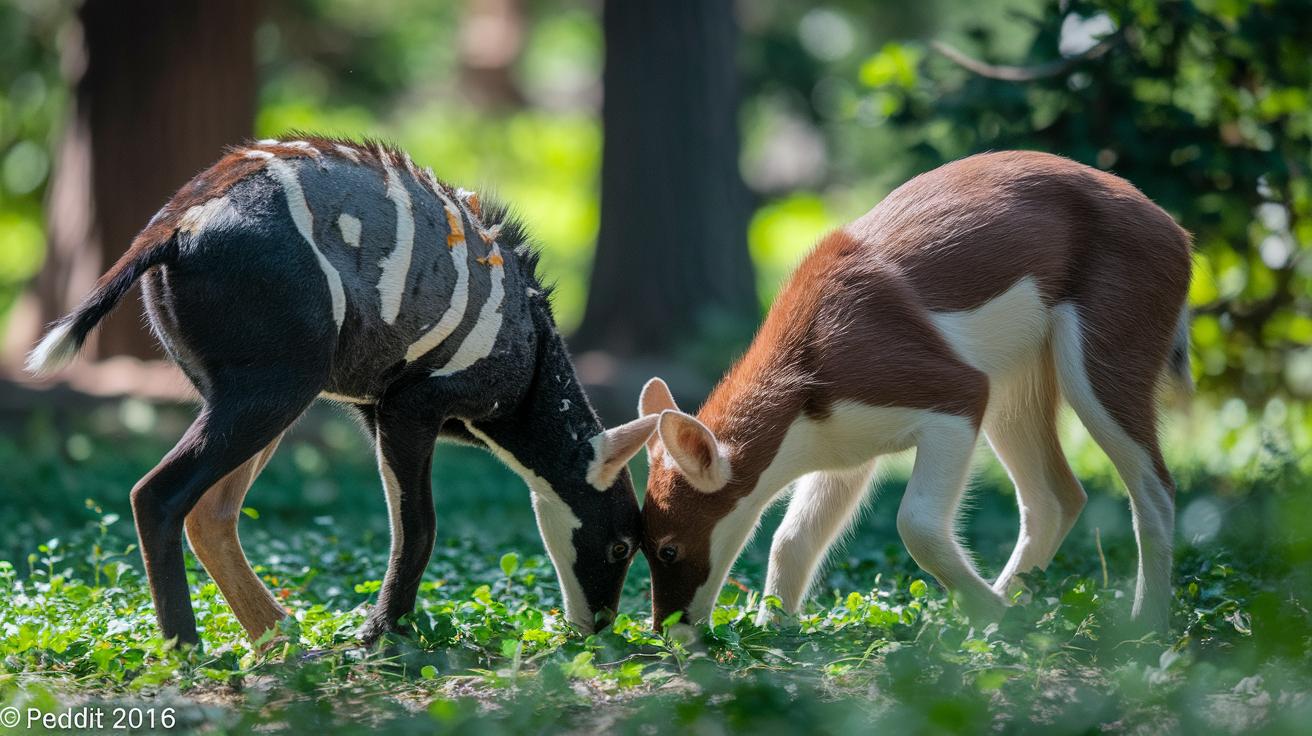
Recent work shows that mixing genes in animals does more than blend features, it changes how they handle shifting homes and food challenges. Researchers have discovered that these hybrids can act in unexpected ways, even coming up with clever foraging tricks that their parent species never did. One study even found that some hybrids use resourceful methods to gather food, sparking fresh ideas for managing nature.
New data also tells us that these animals can quietly shift their roles in the ecosystem. They manage to thrive in places changed by climate or human hands, filling gaps when other species struggle. In many cases, this gene mix might even help local populations stand stronger against tough environmental changes.
| Research Focus | Observation |
|---|---|
| Genetic Adaptations | Hybrids pick up new traits that help them cope with changing habitats. |
| Ecosystem Roles | Their unique habits can shift how local resources are used, influencing the environment. |
Ongoing research continues to shed light on what these genetic blends mean for the future. It’s a fascinating time to see how nature adapts, offering hope and smart strategies for conservation.
Ethical and Conservation Considerations in Animal Hybridisation

When you think about hybrids like mules and hinnies, one of the biggest worries is whether they’re doing okay since they can’t have babies. When a male donkey and a female horse (or the other way around) come together, their chromosomes don’t quite match, which means things get tricky when it comes to reproducing. It’s a bit surprising, imagine being strong and hardworking, yet a mule just can’t pass on its genes. This really makes us pause and ask, “How do we care for them in the long run?”
Breeding programs, like those used to create beefalo, have their ups and downs. They mix American bison traits with domestic cattle to boost meat production, but this clever blend can sometimes put the natural purity of bison genetics at risk. In these programs, domestic bulls and bison cows produce fertile daughters while the sons usually can’t reproduce. It’s a tough balancing act between getting more meat and keeping the natural heritage of these animals intact.
Humans have also been busy creating hybrids for very specific traits. Take the cama for example, a mix of a male dromedary camel and a female llama. The idea here is to get the best of both worlds: size and extra wool. But, as you might guess, this mix stokes heated debates about meddling in nature’s plan. And then you have natural hybrids like coywolves, which occur when coyotes join with eastern or gray wolves, making it even more challenging for conservationists to hold onto pure genetic lines.
Legal protections for these hybrid animals aren’t always clear, leaving us with more questions than answers. Conservationists and animal welfare advocates often find themselves wondering, “How can we safeguard these intriguing mixes while still honoring the original species?” With the laws being so blurry, managing both pure and blended lineages turns into a real puzzle for everyone involved.
Captive Breeding and Practical Roles of Hybridised Animals
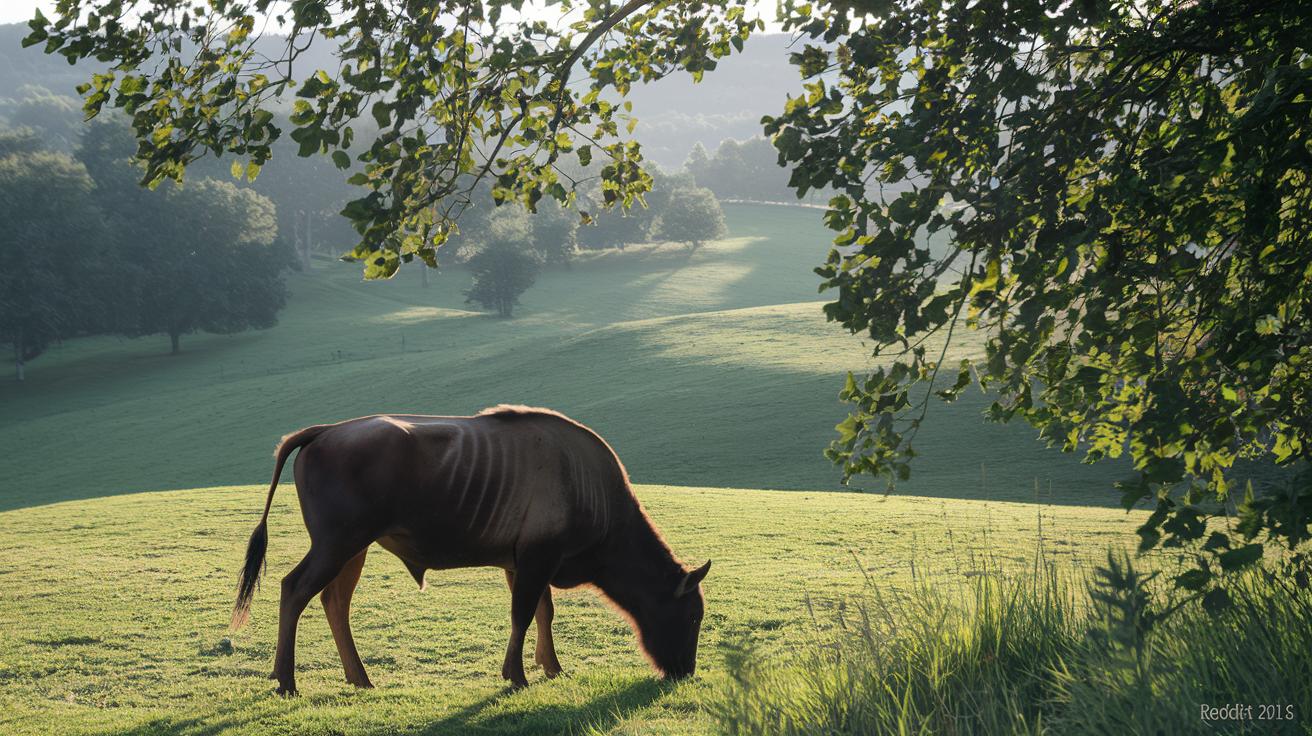
Have you ever wondered how beefalo could help our land? Scientists are discovering that these unique animals, a mix of cattle and bison, do more than just graze. They help keep pastures in tip-top shape and even lower methane emissions. Recent studies show that beefalo grazing can improve soil carbon retention by 15%, meaning farms could become a bit more eco-friendly with these gentle giants.
Now, let’s talk about dzo hybrids. These remarkable creatures, born from yaks and cattle, aren’t just useful for heavy labor anymore. Research reveals they handle high-altitude environments like pros, making them perfect for sustainable farming in challenging climates. Picture the dzo, a sturdy blend of grit and grace that supports life in rugged areas.
And then there’s the fascinating world of cama hybrids. These animals are helping researchers fine-tune breeding techniques to protect genetic diversity. They’re like a live classroom experiment in animal husbandry, showing us innovative ways to manage and preserve the genes of various species.
Final Words
In the action of exploring hybridised animals, we've seen the unique blend of natural pairing and thoughtful human intervention. The article broke down how these animals form, from examples like coywolves and mules to intriguing cases such as the cama and narluga. It also touched on their role in nature and ethical care. Each insight paints a picture of our ever-changing bond with our pets and wildlife. Here's to embracing the wonders of hybridised animals with an open heart and informed mind.
FAQ
Q: What does the hybridised animals list include?
A: The hybridised animals list includes examples like coywolves, grolar bears, mules, ligers, and more. These animals form when different species mate naturally or are bred by humans.
Q: What are some examples of hybrid animals?
A: Hybrid animals include real-life examples such as the beefalo (bison and cattle), dzo (yak and cattle), and coywolf (coyote and wolf), each merging traits from two parent species.
Q: What is an example of a hybridized organism?
A: An example of a hybridized organism is the cama—a blend of a dromedary camel and a llama—created by crossbreeding to combine the camel’s size with the llama’s wool yield.
Q: Is it possible to hybridize animals, and what does hybridization mean?
A: Hybridization means mixing genes from two separate species, either naturally or through human-led breeding. Many animals, such as mules (donkey and horse), demonstrate how species can combine, though often with unique reproductive traits.