


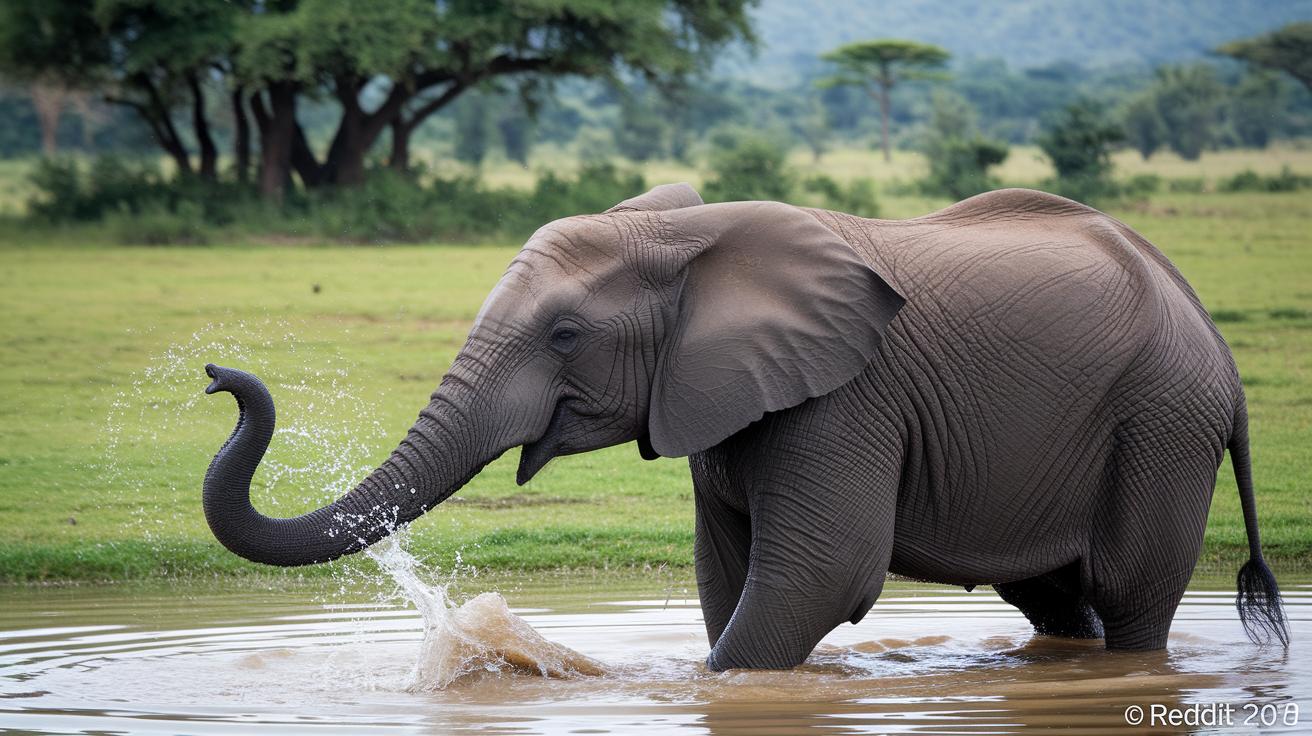
Have you ever thought about how long-nosed animals do so much more than just sniff around? These wonderful creatures use their long snouts as handy tools to explore, find food, and even chat with each other in their own way.
Think about an elephant’s trunk, which works almost like an extra hand, or a giant anteater perfectly tracking down a tasty meal. It’s pretty amazing how nature has gifted them with these clever adaptations.
In this article, we take a little journey into how these special noses not only help animals survive but also show off nature's knack for creativity. Have you ever noticed how nature always finds a way?
Overview of Animals with Long Noses
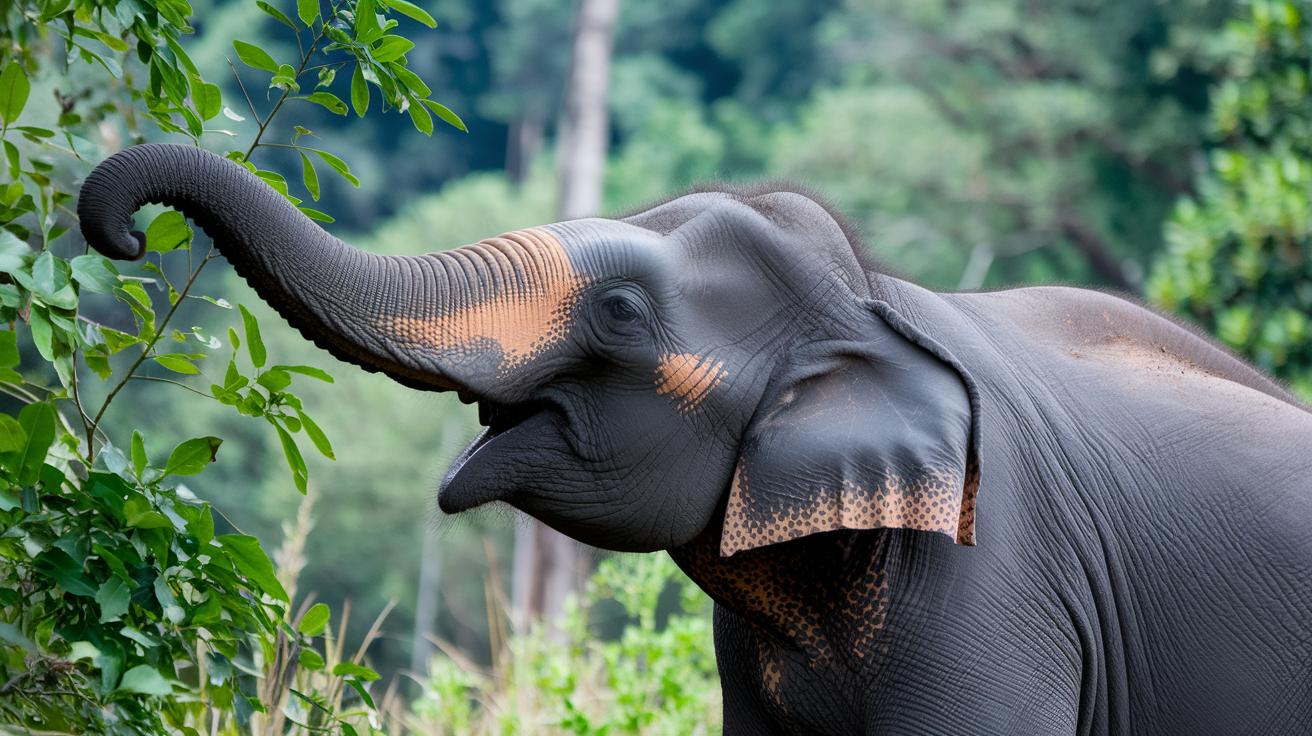
Long noses are more than just a quirky feature in the animal world, they’re like built-in tools that help creatures find food, explore their surroundings, and even chat with one another. Think about an elephant’s trunk. It’s not just a nose; it’s also an upper lip filled with 40,000 muscles, giving it a kind of super-flexibility that makes it a true natural multitool.
Different types of animals, from mammals to reptiles and even some aquatic pals, have these extended noses. Mammals often use theirs for sniffing out tasty treats and sharing signals with each other. Snakes, on the other hand, use a special organ called Jacobson’s organ by flicking their tongues to catch little whiffs of scent, almost like when you catch the aroma of a fresh bake. And some water-dwelling creatures have evolved long faces that help them scoop up food and even use echo sounds to know what’s around.
- Elephant
- Giant anteater
- Proboscis monkey
- Tapir
- Shrew
These unique noses deserve a closer look because they do so many things. For example, the giant anteater can smell things 40 times better than a human can! It’s amazing how these noses not only boost their sense of smell but also help with special feeding habits, social interactions, and exploring their environments. In truth, by studying these cool features, we get a peek into the different ways animals evolve to thrive in their own little corners of the world.
Majestic Mammals with Long Noses
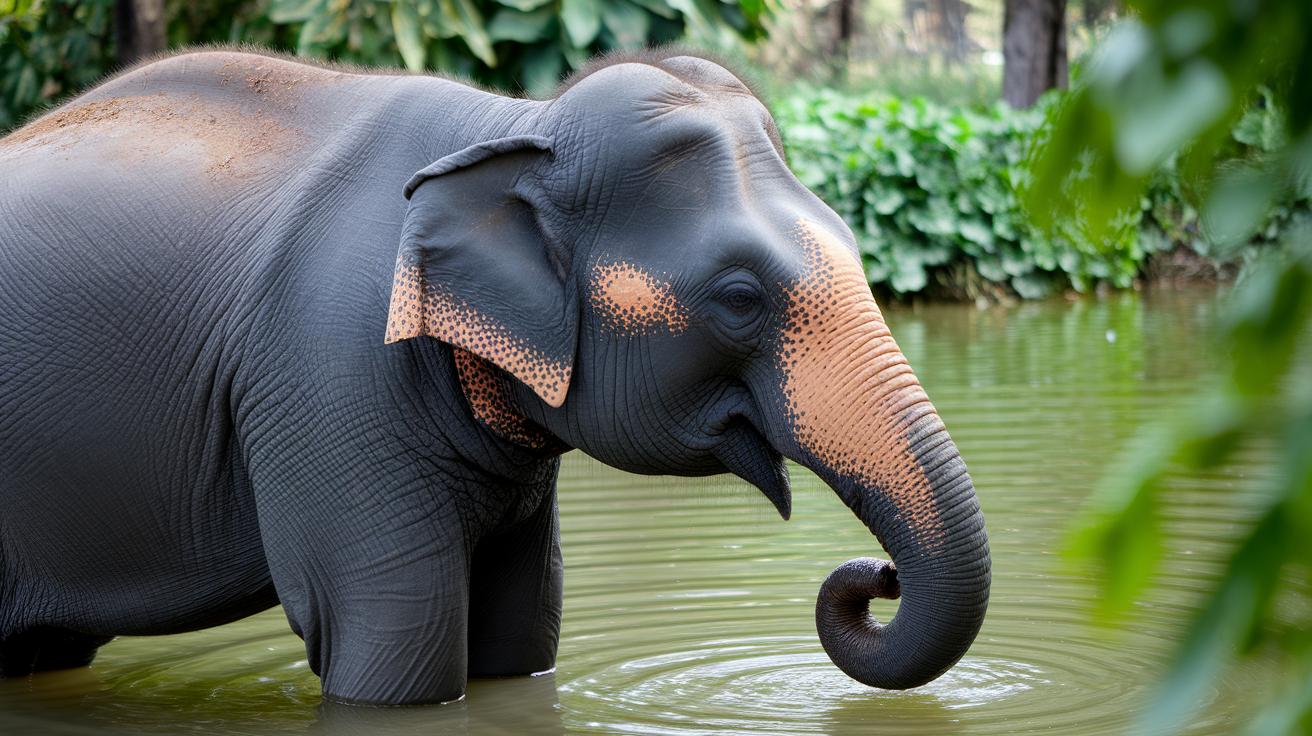
Elephant Profile
The elephant’s trunk is something truly amazing. It’s powered by 40,000 muscles all working in unison like one clever, flexible tool. More than just a nose for breathing and feeling its way through the world, it acts like an extra hand, helping these gentle giants grab food, sip water, and even call out to one another. Imagine it as nature’s very own multitool, built just for their everyday needs.
Every day, an elephant uses its trunk to discover what’s around, pick up little objects, and even give itself a refreshing shower. Each graceful move shows off its cleverness and quick adaptability, making the trunk one of nature’s most impressive creations.
Anteater Adaptations
The giant anteater is a real champion when it comes to its sense of smell, it’s 40 times sharper than a human’s! This super sniffing ability helps it find ant and termite homes hidden among the bushes and undergrowth. And then there’s its cousin, the tamandua or lesser anteater, whose 16-inch-long tongue slips into tight spots to gobble up tasty insects. With a nose like that and a tongue built for the job, these critters are perfectly set up to find their next meal.
Proboscis Monkey
The proboscis monkey turns heads with its funny, oversized nose. Male monkeys have these large, hanging noses that aren’t just for show, they play a big role in how they chat with each other and attract mates. Their noses come in different shapes and sizes between males and females, adding a unique twist to their social lives and group dynamics.
These charming features do more than just look interesting; they help the monkeys understand each other’s moods and roles in the troop, highlighting just how creative nature can be.
| Species | Nasal Feature | Primary Function |
|---|---|---|
| Elephant | Trunk with 40,000 muscles | Breathing, grasping, drinking, vocalizing |
| Giant Anteater | Enhanced sense of smell | Finding ant and termite nests |
| Proboscis Monkey | Large, pendulous nose | Social signaling and mate attraction |
Aquatic and Reptilian Animals with Long Noses
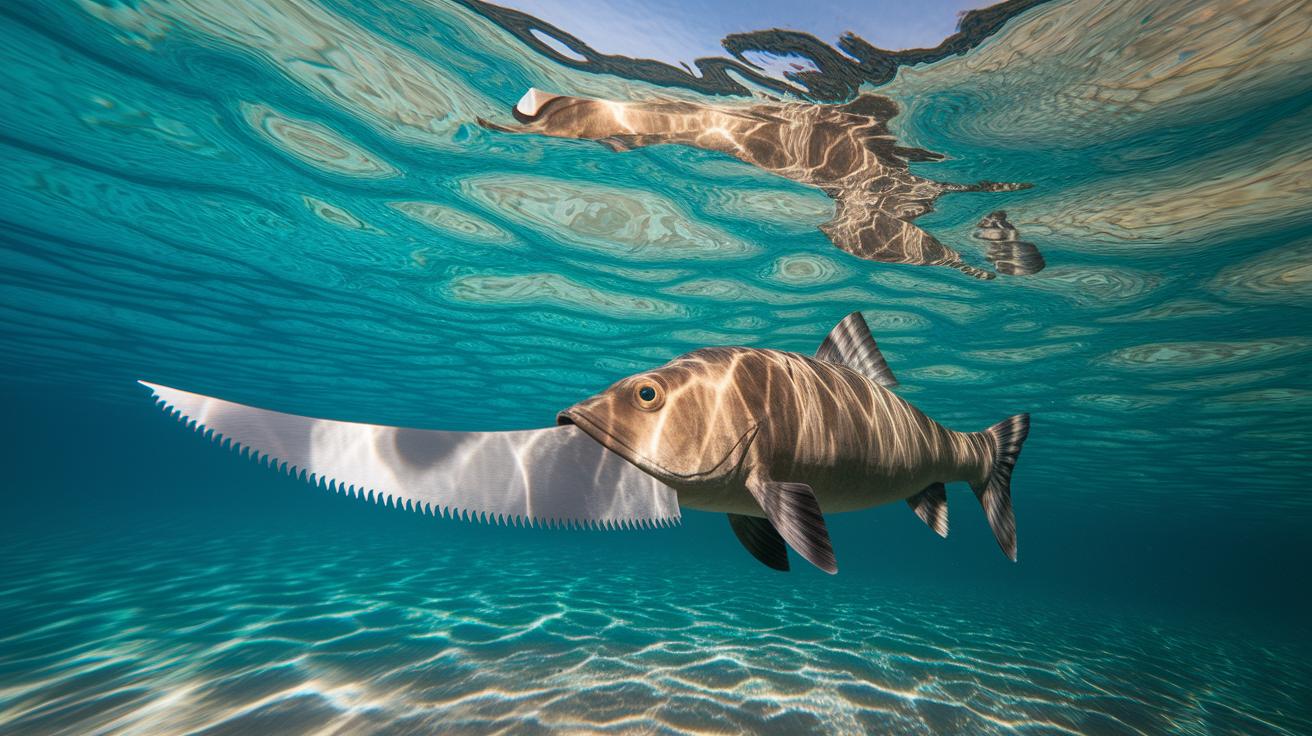
When you peek below the water’s surface or wander along bright riverbanks, you’ll notice some animals boast impressively long noses. These special noses aren’t just for looking cool. They help creatures feel their way around and even grab a tasty meal.
In water, many animals have extended, pointy snouts that act like natural tools. For instance, whales use their long noses for echolocation, sort of like nature’s own sonar, and to catch zippy prey. Over on dry land, some reptiles also show off unique nose shapes that fit their lifestyle perfectly. At first glance, these unusual features might seem quirky, but they really make a difference when it comes to quick feasting and staying aware of their surroundings.
Here’s a peek at a few cool examples:
| Species | Unique Nose Feature |
|---|---|
| Sawfish | A blade-like snout that slices through schools of fish |
| Swordfish | A pointed bill used to stun and spear prey |
| Needle-nosed Turtle | A narrow snout perfectly designed for suction-feeding on small creatures |
| Representative Whale | An elongated rostrum that helps with precise echolocation and catching prey |
These long noses go far beyond simply looking impressive. They boost each animal’s ability to sniff out food, dodge danger, and navigate tricky environments. It’s nature’s way of ensuring that these creatures thrive by turning an ordinary nose into an amazing survival tool.
Evolutionary Benefits of Long Noses in Animals
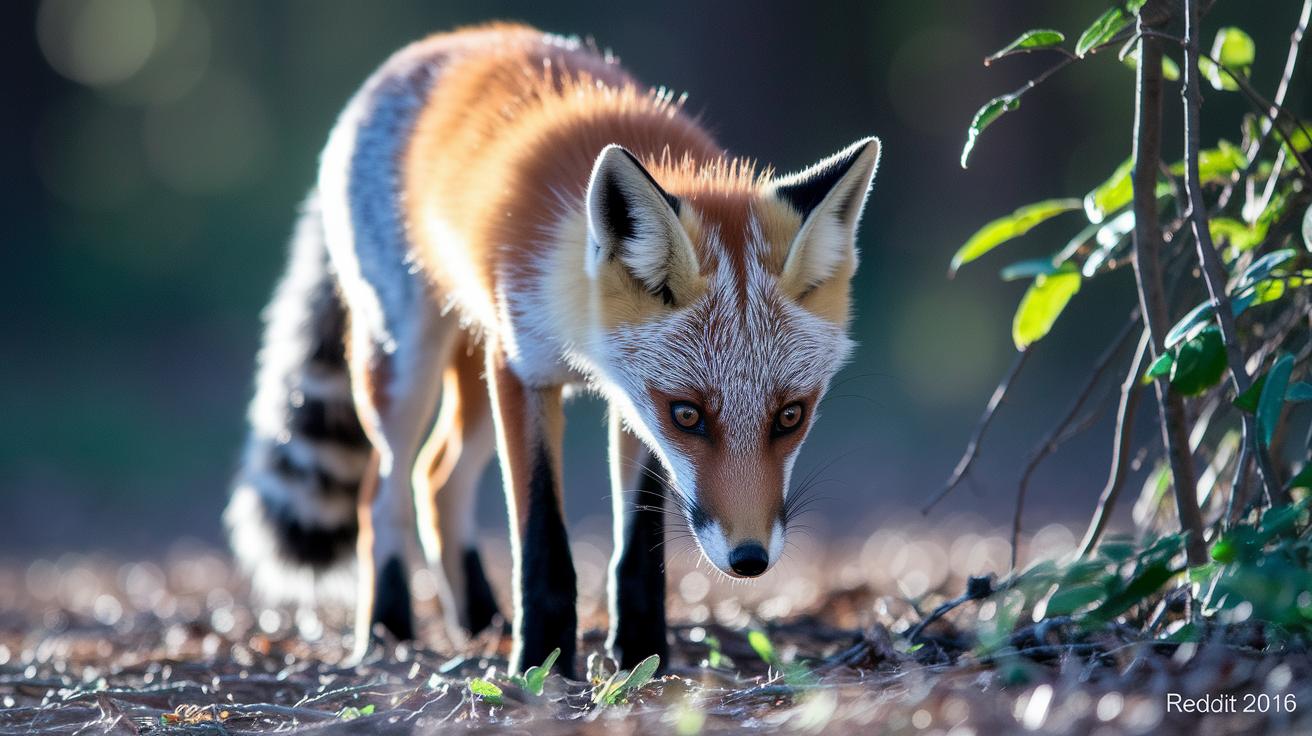
Isn’t it amazing how animals have grown longer noses over time? Nature gave them this clever feature to help sniff out food, handle little objects, share quiet signals with each other, and even keep their bodies just the right temperature.
Picture it like this:
- Their super-powered sense of smell helps them find meals and notice danger from a distance.
- Their improved grip with their noses makes grabbing food and exploring easier.
- They use subtle nose movements to whisper secrets in animal language.
- Their smart noses help keep their body temperature comfortable, whether it’s hot or cold.
- All these tricks together mean they can settle in and thrive in lots of different places.
It’s pretty neat to see how this extra nose length plays a key part in helping animals live their best lives every day.
Comparative Anatomy of Long Noses in Wildlife
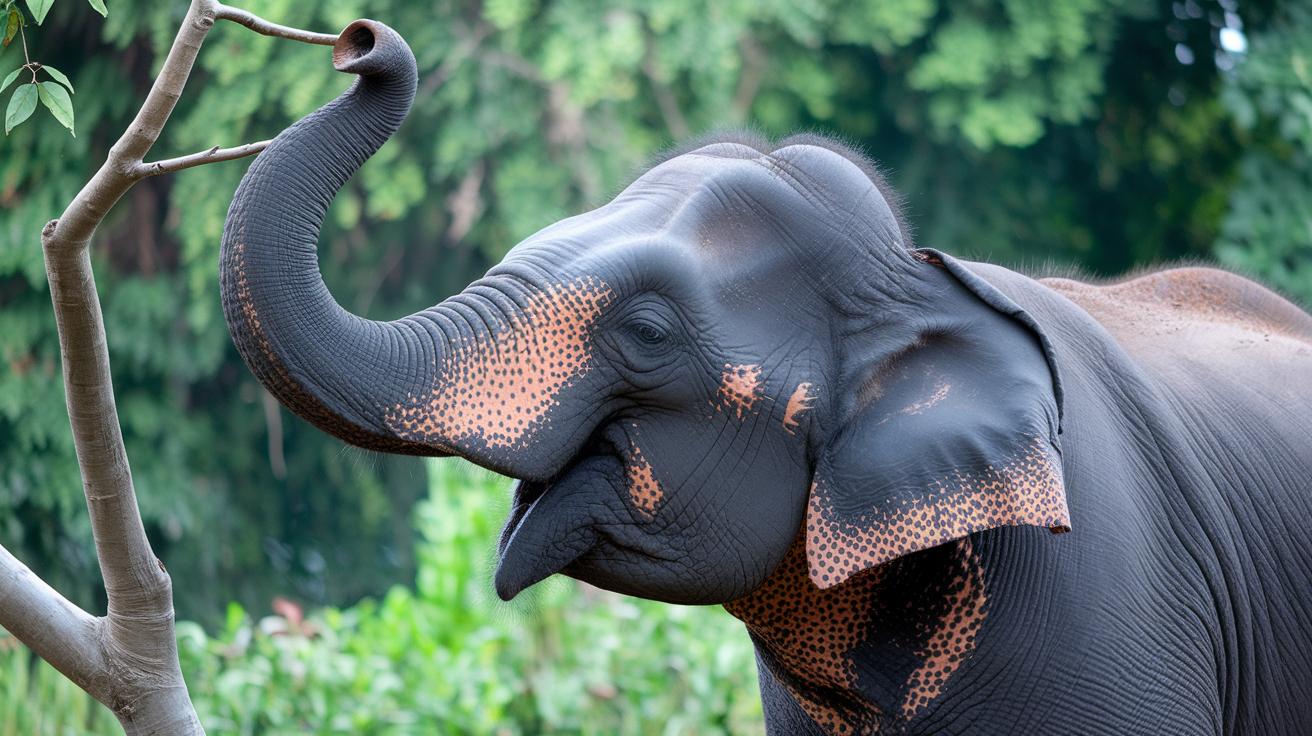
Different animals sport unique nose designs that help them thrive. We look at factors like muscle groups, bone structure, and nostril shape to understand how these noses have changed over time. Take the elephant, for example, its trunk is built with an intricate mix of muscles and bones that lets it perform amazing tasks, unlike the simpler noses you see on other mammals. In primates, you notice a clear difference too: Old World monkeys usually have tiny, curved nostrils, while New World monkeys show off round, widely spaced ones. Even watery and scaly creatures have their own twists; whales, for instance, use long, straight beaks for echolocation, and some reptiles have sleek snouts that give them an edge while hunting. It all shows how evolution has shaped each animal’s nose into a specialized tool for its own lifestyle.
| Animal Group | Snout Type | Key Adaptation |
|---|---|---|
| Mammals | Robust and flexible | Enhanced grasping and sensory perception |
| Primates | Varied nostril shapes | Social signaling and dietary efficiency |
| Aquatic/Reptilian | Sleek and streamlined | Improved prey detection and hydrodynamics |
Our four-legged, winged, and scaled friends have noses that tell a story about where they live and what they need. Depending on their surroundings, animals develop noses for grabbing objects, for finding food efficiently, or for tuning into the world around them. Land mammals often build strong, versatile noses to handle every texture and challenge they face. Primates, meanwhile, polish their nasal features to aid in social chatter and varied eating habits. And, in water or in the wild, animals like fish and reptiles enjoy slim, smooth snouts that streamline their movement and sharpen their hunting skills. These natural nose tweaks are one of the clearest examples of how life adapts to its ever-changing environment.
Conservation and Human Interactions with Animals with Long Noses
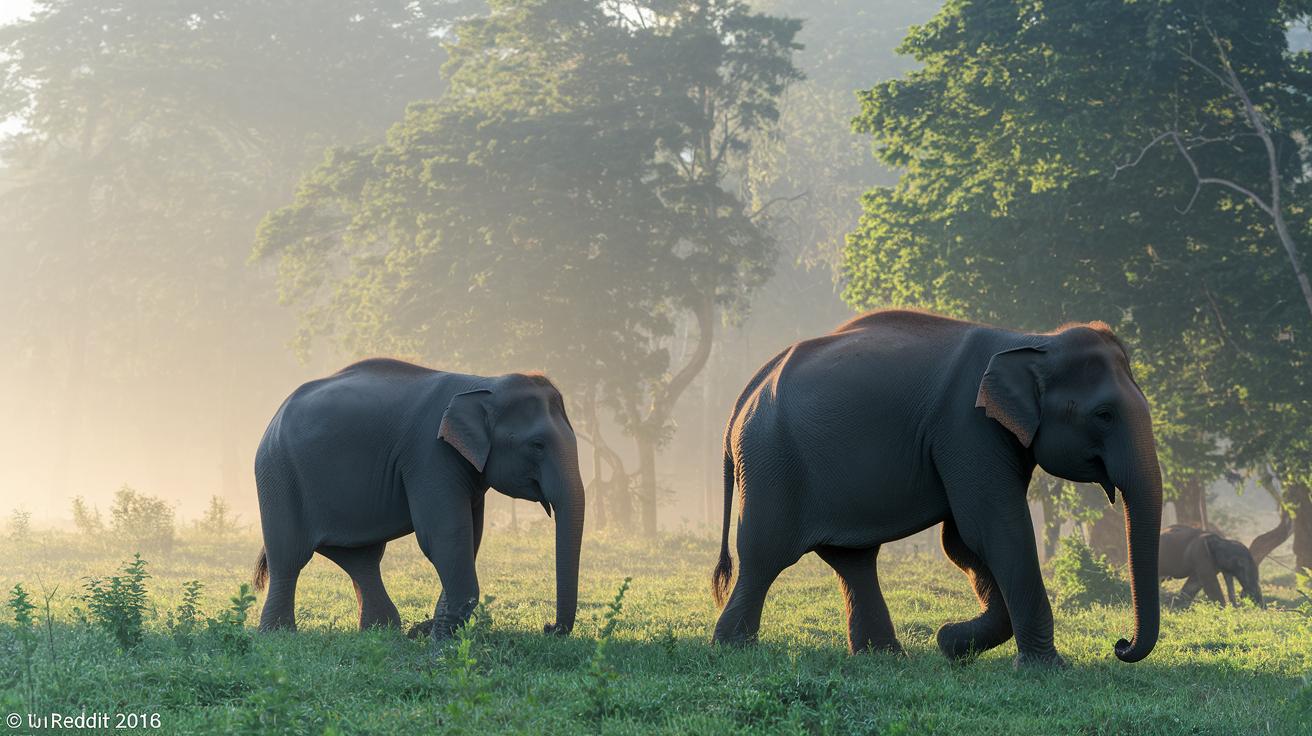
Elephants, with their amazing trunks and majestic presence, face a real danger due to poaching for ivory. It’s heartbreaking to see these gentle giants risk harm during hunts for their treasured tusks. Similarly, the charming proboscis monkeys are struggling as forests in Borneo shrink because of deforestation. And then there are the giant anteaters, quietly dealing with the loss of their homes and the threat of road accidents on busy highways. Have you ever noticed how even a tiny new road can change an animal’s whole world?
Across the globe, caring communities, dedicated conservationists, and proactive governments are teaming up to help these unique creatures weather the storm. Working together, they create safe spaces, teach everyone a little more about nature’s wonders, and build natural pathways so these animals can roam more freely.
- Protected reserves
- Community education
- Wildlife corridors
Final Words
In the action, we explored how animals with long noses use their special snouts to sense, eat, and communicate. We touched on standout examples in mammals, aquatic and reptilian species, and even looked at the benefits and challenges these adaptations bring. Protecting these creatures helps keep our natural world vibrant and lively. Every small act of care supports these fascinating beings, ensuring that animals with long noses can continue to charm us every day.