


Have you ever watched a creature move so slowly it almost seems like time is taking a nap? Imagine a sea anemone, inching along at just 4 to 10 inches every hour, as if it’s taking one huge, calming breath. It settles quietly on rocky ocean floors, showing us that life can be gentle and unhurried. Watching it, you can’t help but marvel at its clever way of thriving and feel the soft pulse of nature’s own heartbeat.
Identifying the Slowest Animal on Earth: Sea Anemone

Have you ever watched something move so slowly that it feels like time is on pause? That’s the sea anemone for you, the true champion of the slow pace, creeping along at just 4 to 10 inches per hour. Imagine it settling onto the ocean floor, completely unhurried and serene, like your pet enjoying a lazy afternoon nap.
This little marvel sticks quietly to rocks or underwater surfaces with its special "foot" called a pedal disc. It even secretes a bit of mucus, kind of like nature’s own slip 'n slide, to glide forward with hardly any effort. It’s a gentle, almost dreamy movement that reminds us to appreciate the beauty of taking life slow.
Ranking the Slowest Animals on Earth: Top Five Languid Species

Have you ever paused to watch nature's slow-motion show? We looked at how fast these animals really move in their natural homes, and each one reveals a smart way to save energy and keep going. Their measured speeds aren’t about being lazy, they show clever adaptations that help them thrive.
| Rank | Animal | Speed |
|---|---|---|
| 1 | Sea anemone | 4 – 10 inches per hour |
| 2 | Banana slug | ≈ 6.5 feet in two hours |
| 3 | Seahorse | ≈ 5 feet per hour |
| 4 | Garden snail | Up to 1 millimeter per second |
| 5 | Three-fingered sloth | ≈ 1 foot per minute |
From the almost undetectable slide of a sea anemone to the gentle pace of a three-fingered sloth, each creature shows off a truly unique way of moving. Isn’t it fascinating how slow steps can be a smart trick for survival?
Biology of the Slowest Animal on Earth: Sea Anemone Adaptations

Sea anemones stick around in one spot, rarely venturing elsewhere. Their slow, deliberate movements aren’t random at all, they’re the result of tiny, refined tweaks in their biology that have been honed over countless years.
Pedal Disc Locomotion
Picture the anemone’s base as a clever, flexible carpet made of special muscle fibers called actomyosin. These fibers, arranged in varying densities along the edge, give the sea anemone a unique way to shift around compared to other slow movers like starfish, which don’t have this neat fiber setup. When the base contracts, it gently readjusts its grip on the surface beneath, much like a quiet, careful inching forward. It’s a bit like noticing a small, thick band of muscles at the rim that helps guide its measured progress.
Mucus and Energy Efficiency
The mucus the anemone secretes is more than just a slick coating, it’s packed with a blend of glycoproteins and polysaccharides (that’s a fancy way of saying special sugars and proteins) that help reduce friction on the rocky floor. Imagine a snail trail glistening in the early light; that’s the kind of smooth, energy-saving glide the mucus provides. This clever mix minimizes drag and lets the anemone conserve energy, perfectly designed for a slow and steady pace.
Habitat and Environmental Factors for the Slowest Animal on Earth

Imagine a quiet underwater nook where sea anemones settle in for a cozy life. They pick safe spots along coastal tide pools, rocky seabeds, and calm, sheltered underwater surfaces. Using a special pedal disc and a generous splash of mucus, they stick around firmly, this sticky trick not only roots them securely but also lets them glide slowly across the ocean floor. It’s like they’re in their very own retreat, with stable water temperatures and salt levels, keeping a steady buffet of drift plankton and nutrients nearby. If you’re curious, you can explore more about their charming setup at https://ribbon.co?p=4877.
Now, picture their land buddies like slugs and snails. These little creatures need the humidity too, thriving in cool, moist spots like shaded gardens, wetlands, or forest floors. Moving at about 31 inches per minute, they rely on one elongated foot and a slimy trail to help them slide over damp surfaces with ease. Their high-humidity homes keep them from drying out, making every move slow but perfectly suited for conserving energy. Both the sea anemone and the gentle slug show us that, whether in water or on land, a consistently moist and supportive environment is the secret to their easygoing, deliberate pace.
Ecological Role of the Slowest Animal on Earth
Have you ever noticed how some creatures seem to move at their very own relaxed pace, yet play a big part in nature? Consider sea anemones gently bobbing in the ocean, slowly capturing drifting plankton. Their calm, careful feeding not only keeps them fueled but also helps keep the ocean’s food web in balance. By nibbling on tiny organisms, these marine pals stop abrupt plankton surges and add a steady rhythm to the nutrient cycle. Even when food is in short supply, their low-energy routine pays off for both predators and prey, fostering a diverse and harmonious underwater community.
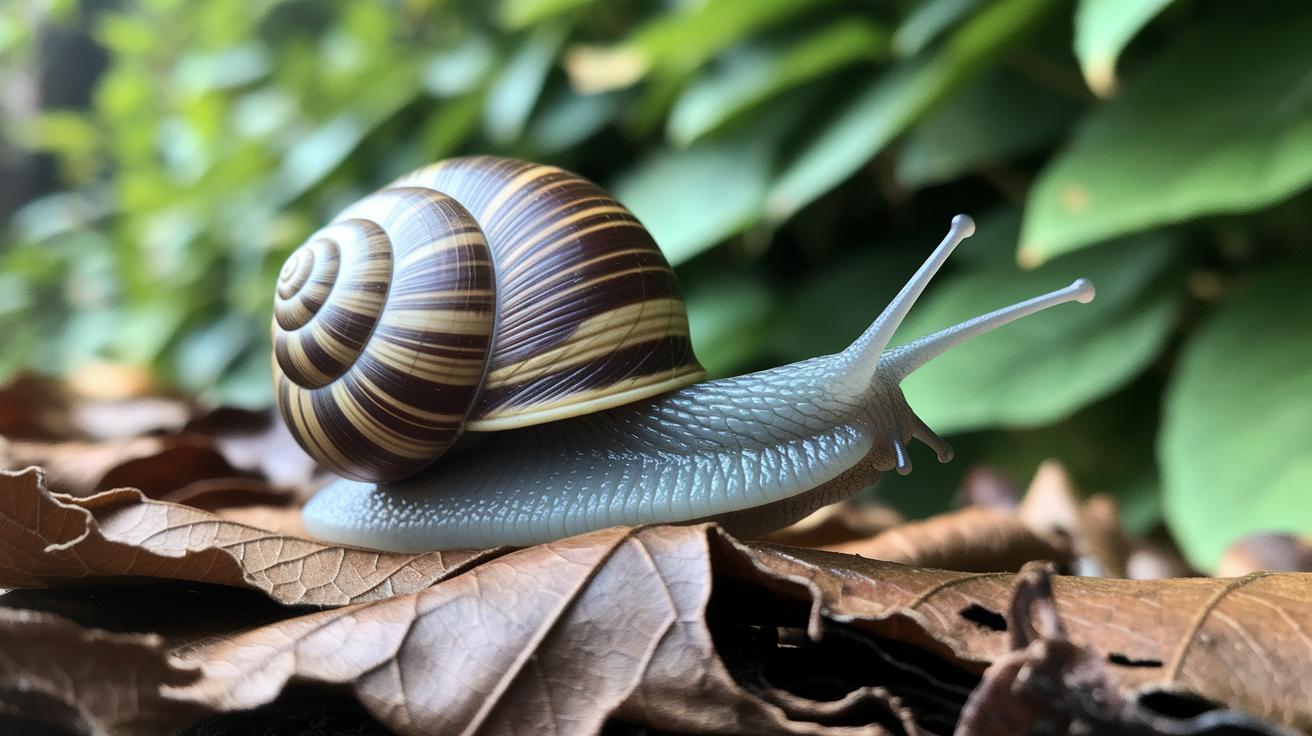
On land, garden snails work quietly as nature’s recyclers. Moving at roughly 1 millimeter per second, they steadily munch on decaying leaves and plant bits, breaking them down into soil-rich nutrients. Their unhurried, methodical pace is like a gentle reminder that sometimes slow and steady truly wins the race. By gradually releasing essential minerals back into the earth, these little snails help keep the soil healthy and vibrant. Both the sea anemone and the garden snail show us that taking life slow can bring big benefits to their ecosystems.
Conservation and Research on the Slowest Animal on Earth

When researchers study animals that move as slowly as a snail, they often use cool tools like high-res time-lapse photos, slow-motion videos, and even laser tracking. This way, they can capture every tiny moment of a sea anemone’s journey, just 4 to 10 inches per hour, without disturbing its peaceful home. It’s almost like watching a gentle, unhurried dance in nature.
Sea anemones deal with challenges like changing water temperatures, pollution, and losing their natural habitats. And you know what? Greenland sharks, which swim at less than 1.9 mph because of their slow metabolism, show similar struggles in our oceans. Even these easygoing creatures face big risks from environmental shifts. Their story reminds us that slow-moving animals need extra care, thoughtful protection, and close monitoring.
Scientists believe that learning how these unhurried movers live gives us awesome insights into energy use and lasting strength. Comparing these low-speed species helps us see how environmental pressures affect creatures that depend on steady habitats and unique body functions. Studying them offers a peek into nature’s smart tricks for saving energy. And truly, research like this is more needed now than ever.
Final Words
In the action, we uncovered how the sea anemone glides gently by moving just 4 to 10 inches per hour using its pedal disc and mucus. The post also shed light on ranking unhurried creatures and their roles within nature, from marine settings to moist land habitats. We’ve seen how these slow movers support their surroundings and hint at fascinating energy conservation strategies. Every detail reminds us that even the slowest animal on earth can inspire wonder and care in how we appreciate wildlife.
FAQ
What is the slowest creature on Earth?
The slowest creature on Earth is the sea anemone, which moves just 4 to 10 inches per hour using its pedal disc and mucus.
What are the top slowest animals in the world?
The top slow animals include the sea anemone, banana slug, seahorse, garden snail, and three-fingered sloth; each is known for its deliberate pace and unique movement style.
What is the slowest animal in the ocean?
The slowest animal in the ocean is the sea anemone, which uses its pedal disc and mucus to slowly navigate its underwater environment, moving only 4 to 10 inches per hour.
Is a sloth slower than a snail or turtle?
The question of whether a sloth is slower is answered by comparing speeds: a snail, moving about 1 millimeter per second, is slower than a three-fingered sloth (around 1 foot per minute), while turtles generally move at a faster pace than sloths.
How do the fastest and slowest animals compare?
Comparing extremes, the fastest animals like the cheetah can run nearly 60 mph, while the slowest, exemplified by the sea anemone, crawl at just 4 to 10 inches per hour, highlighting nature’s wide range of speeds.