


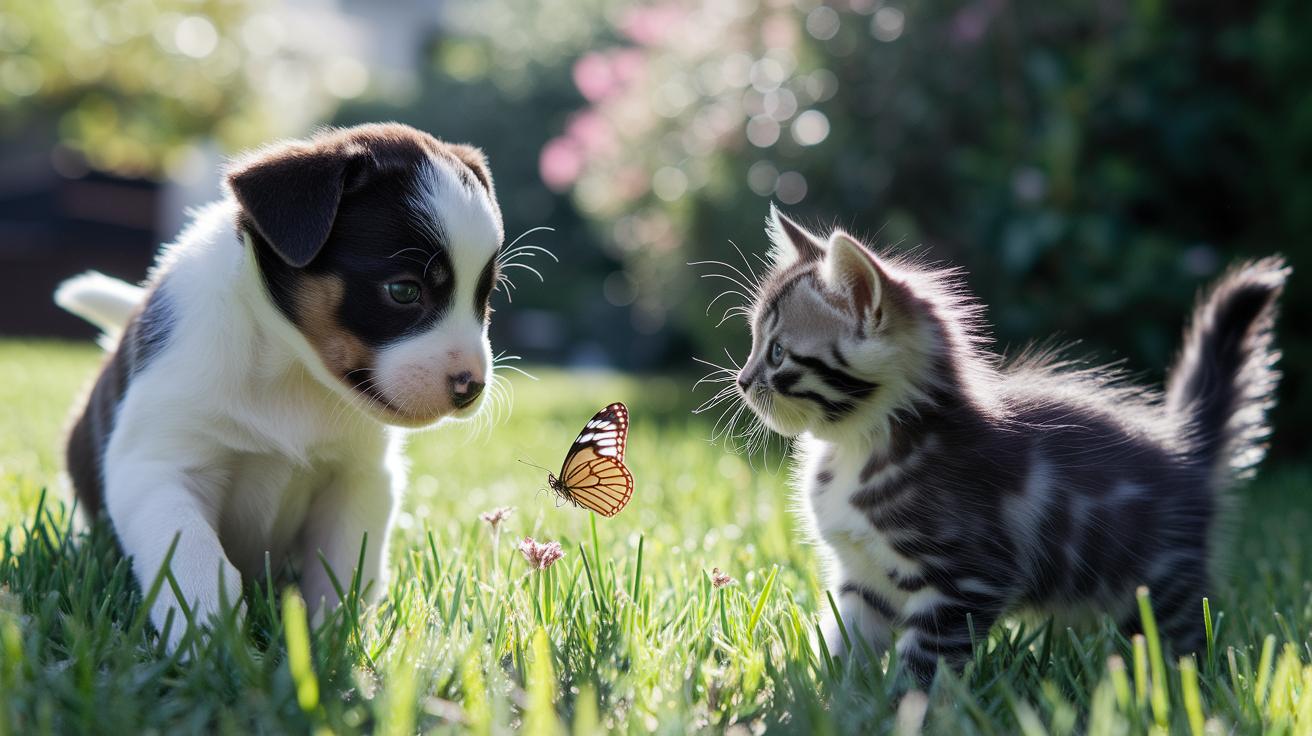
Have you ever wondered if our animal pals are just acting on instinct or if they’ve got a secret plan up their sleeves? Picture an octopus figuring out how to nudge open a jar or a cat sneaking into every little nook, like it’s on a tiny, secret mission. These clever creatures aren’t just playing around, they’re learning, adapting, and even helping keep nature in balance. Their curious antics make the outdoors feel like one big, exciting stage full of surprises. Today, let’s dive into how these smart habits give them a survival boost and fill our everyday moments with a little extra wonder.
Why Curious Animals Captivate Us

Ever watched an octopus work its magic to crack open a jar for a delicious treat, or seen an African gray parrot cleverly use a tool to reach a hidden snack? It’s truly amazing. Animal curiosity isn’t just playful mischief, it’s a survival trick that nudges them to explore new places, learn cool skills, and adapt to the wild.
Think about a cat quietly checking out every little nook in your home, or a bushbaby exploring its nighttime surroundings with wide, curious eyes. Even a fox listens intently for the faint rustle under the leaves to find food. Each of these moments has a charm of its own, like nature’s own little adventure.
For thousands of species, this curious spirit isn’t an extra, it’s essential. In our ever-changing world, curiosity acts like a friendly guide, encouraging animals to discover, innovate, and overcome challenges. This constant quest for knowledge keeps each animal uniquely important in balancing the great outdoors.
10 Odd Fauna Curiosities from the Wild

-
Octopus (Octopoda): Imagine an octopus puzzling over a jar like it’s on a mini-adventure. Its knack for solving tricky problems shows that these sea creatures are curious explorers, always eager to go beyond just the basics.
-
Bushbabies (Galagidae): These tiny, wide-eyed nocturnal primates spend their nights under a whisper of moonlight, carefully checking out everything around them. It’s as if each object is a new mystery waiting to be solved.
-
Foxes (Vulpes vulpes): Picture a fox pausing, ears perked as it listens for the soft crunch of hidden prey under fallen leaves. Their super-sensitive hearing turns every rustle into an exciting clue in nature’s big puzzle.
-
Penguins (Spheniscidae): Ever seen a penguin offer a pebble as a token of affection or carefully arrange a nest on rocky shores? Their unique way of courting and building shows a delightful mix of playfulness and precision.
-
Dolphins (Delphinidae): These playful marine friends chat with special whistles and move in sync with each other, almost like they’re dancing through the waves. Their clever interactions remind us how smart and engaged they are with the world around them.
-
Elephants (Loxodonta): With trunks that work much like a set of gentle, flexible hands, elephants explore unfamiliar textures and objects with tender curiosity. It’s a marvelous reminder that even big creatures love to discover new things.
-
Raccoons (Procyon lotor): Known for their nimble paws, raccoons turn everyday items into puzzles waiting for a solution. They delicately explore containers and corners, treating each new object like an exciting mystery to unravel.
-
African Gray Parrot (Psittacus erithacus): These brilliant birds use tools to grab food in clever ways that might surprise you. Their resourcefulness reflects a high level of smarts and an awareness of their surroundings that is truly inspiring.
-
Rats (Rattus): Don’t let their small size fool you, rats can tackle complex, multi-step puzzles. They work through challenges like little engineers, using their problem-solving skills to earn tasty rewards.
-
Goats (Capra aegagrus hircus): Ever watch a goat sniff and nibble on a new object?
Quirky Companion Animal Behaviors
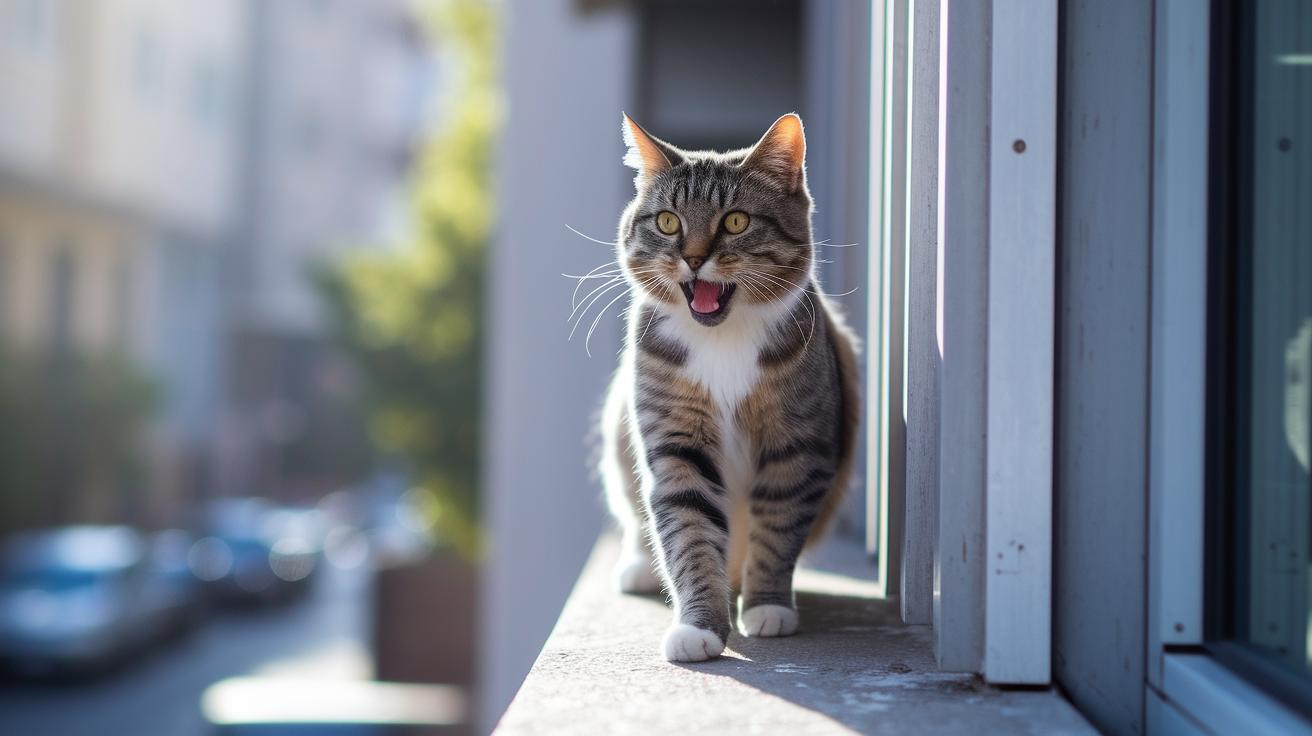
Pets at home can brighten your days with some delightfully quirky behaviors. Take cats, for example. They’re born explorers, gently tapping at a mysterious box or balancing on a high shelf like tiny acrobats. Imagine a cat eyeing a narrow ledge and leaping over with a mix of playful excitement and quiet determination. It’s a little adventure every time!
Dogs, on the other hand, show off their curiosity with their amazing sense of smell. On a walk, they stop at every new scent, turning a simple stroll into a fun sniffing expedition. Each hidden aroma feels like a mini story waiting to be uncovered, a secret shared only with those with keen noses.
Parrots add an extra spark with their joyful mimicry. They love to copy sounds from around the neighborhood or even the voices of family members, filling the room with a lively, humorous soundtrack. Their playful imitations remind you of the beauty in the small wonders of nature.
Then you have clever goats and pigs, making every moment fun. Whether they’re nudging a door open or figuring out a way to reach a tasty treat, their curious antics invite us to see the world with wonder. Even the prairie dogs join in by exchanging gentle head tilts and soft nudges, almost as if they’re sharing little secret messages with each other.
For more fun facts about pet behavior, check this out: fun facts about pet behavior.
Unusual Marine Eccentricities Among Curious Animals
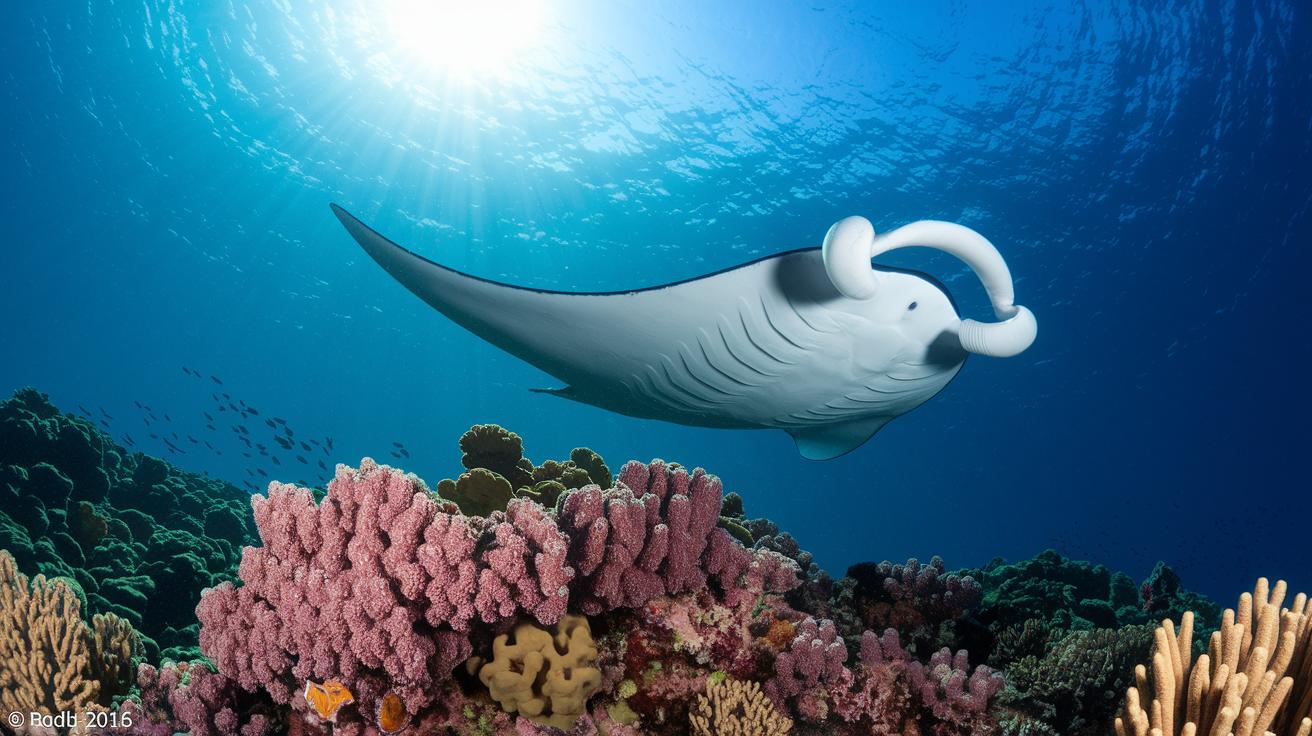
Manta rays cruise through colorful reef waters with a grace that almost feels like a dance. Imagine watching one slow down near a busy cleaning station, its broad, shining fin unfurled like a living sail as tiny fish buzz around, tidying up bits of debris. It’s amazing how these gentle giants sometimes swim in loosely gathered groups, subtly changing their course as the ocean currents shift, almost as if they share a quiet, secret language. For instance, in one study, a bunch of manta rays suddenly switched direction together during a current change, showing off a surprising level of teamwork beneath the waves.
Seahorses, though small, put on a mesmerizing courtship ritual that rivals any underwater show. Picture a male seahorse, tail gracefully curled, spinning slowly around his partner in a delicate spiral. Their dance is like a miniature waltz, with every twirl helping to strengthen the bond that lets the male later carry the developing young. Many have marveled at how each synchronized twist during their mating dance seems to promise a brighter future for the next generation.
Measuring and Studying Curiosity in Animals
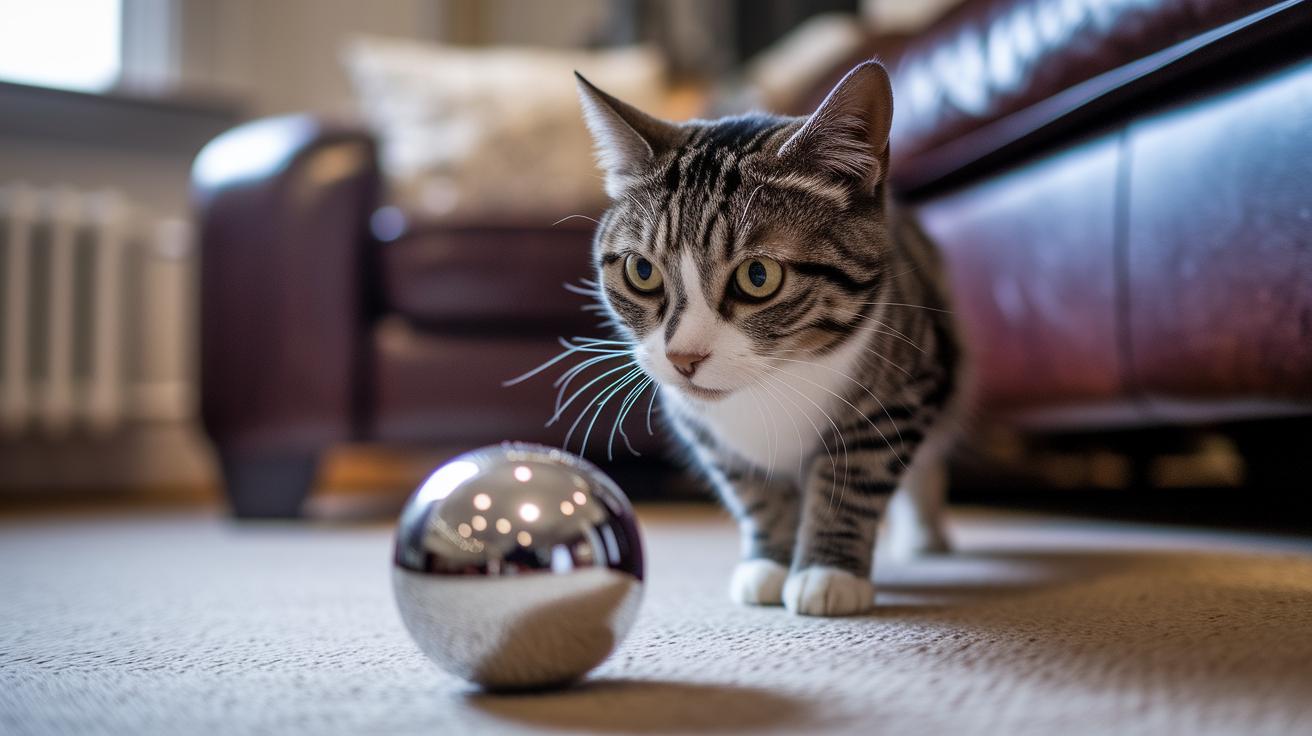
Scientists love to see firsthand how our animal friends respond when something new pops up. One favorite experiment is the novel-object test, where they introduce an unfamiliar item to an animal and watch carefully to see when it decides to come closer, sniff around, or even play with it. Picture a cat slowly creeping towards a bright, shiny ball or a bushbaby cautiously checking out a dangling string. These little moments offer a peek into the way animal minds work when faced with something unusual.
Next, scientists set up problem-solving mazes to challenge curious creatures like raccoons and dogs. They create puzzles that require the animals to make choices or even use simple tools to get through. It's quite fun to watch them figure things out, whether they're trying to uncover a hidden treat or find a way out of a cozy little enclosure. Every moment is recorded, as researchers note the clever strategies each animal uses to overcome a challenge.
In another approach, researchers simply count how many times animals engage with something new within a set period. Watching cats or bushbabies interact with fresh objects helps scientists gather clues about how these animals learn and remember. Every sniff, paw-tap, and cautious step builds a better picture of their natural drive to explore, information that can shape improved care ideas for animals both in the wild and in our homes.
All of these experiments come together to form a richer understanding of animal behavior. By measuring curiosity, scientists collect insights that help shape animal-welfare plans and conservation efforts, ensuring our beloved species thrive even as the world around them changes.
Final Words
In the action of exploring curious animals, we unraveled fascinating examples from octopuses opening jars to parrots using tools. We saw how animals, from bushbabies to companion pets, rely on their natural inquisitiveness to thrive. The blog painted a vivid picture of wild and domestic behaviors that show the natural drive to explore. Research techniques further remind us that curiosity is key to survival. What a delightful reminder of nature's playful spirit, sparking a sense of wonder and hope for our beloved creatures.
FAQ
What is Curious Animal TV?
Curious Animal TV is a media platform that captures engaging animal stories and behaviors on screen. It offers viewers captivating scenes of nature and wildlife curiosity in diverse settings.
What are some examples of the world’s most curious animals?
The list includes species like octopuses, bushbabies, foxes, and African gray parrots. These animals use their curiosity to explore, find food, and adapt to different environments.
Are humans the most curious animals?
Humans display notable curiosity, though many animals also show amazing inquisitiveness. Each species uses curiosity in unique ways for survival, exploration, and learning about their surroundings.
Are cats curious animals?
Cats are naturally curious creatures. Their habit of exploring boxes, high places, and new objects helps them learn about their environment while satisfying their natural instincts.
What is Curious Animals movie?
Curious Animals movie is a film that highlights fascinating animal behaviors and unusual wildlife antics. It offers viewers a visual treat filled with remarkable scenes of animals in action.
Who are Curious Animals band?
Curious Animals band is a musical group inspired by the playful and inventive spirit of animal behavior. Their music reflects creative energy and a connection with the natural world.
What are the top 10 most intelligent animals?
The top 10 most intelligent animals often include dolphins, elephants, African gray parrots, octopuses, dogs, cats, ravens, pigs, chimpanzees, and rats, all known for impressive problem-solving skills.