



Have you ever wondered if an animal could zip past a speeding car? The wild world is full of amazing speedsters that dash on land, soar through the sky, or glide in water. Imagine a falcon diving almost 240 mph or a cheetah sprinting like a flash, nature really knows how to put on a show.
Isn't it exciting to think about how these creatures move? Their bursts of energy and unique skills remind us that the natural world is full of surprises, much like watching your favorite pet play. Today, let's take a closer look at these incredible animals and see why they're the ultimate masters of speed.
Fastest Animal on the Planet Across Land, Air, and Water
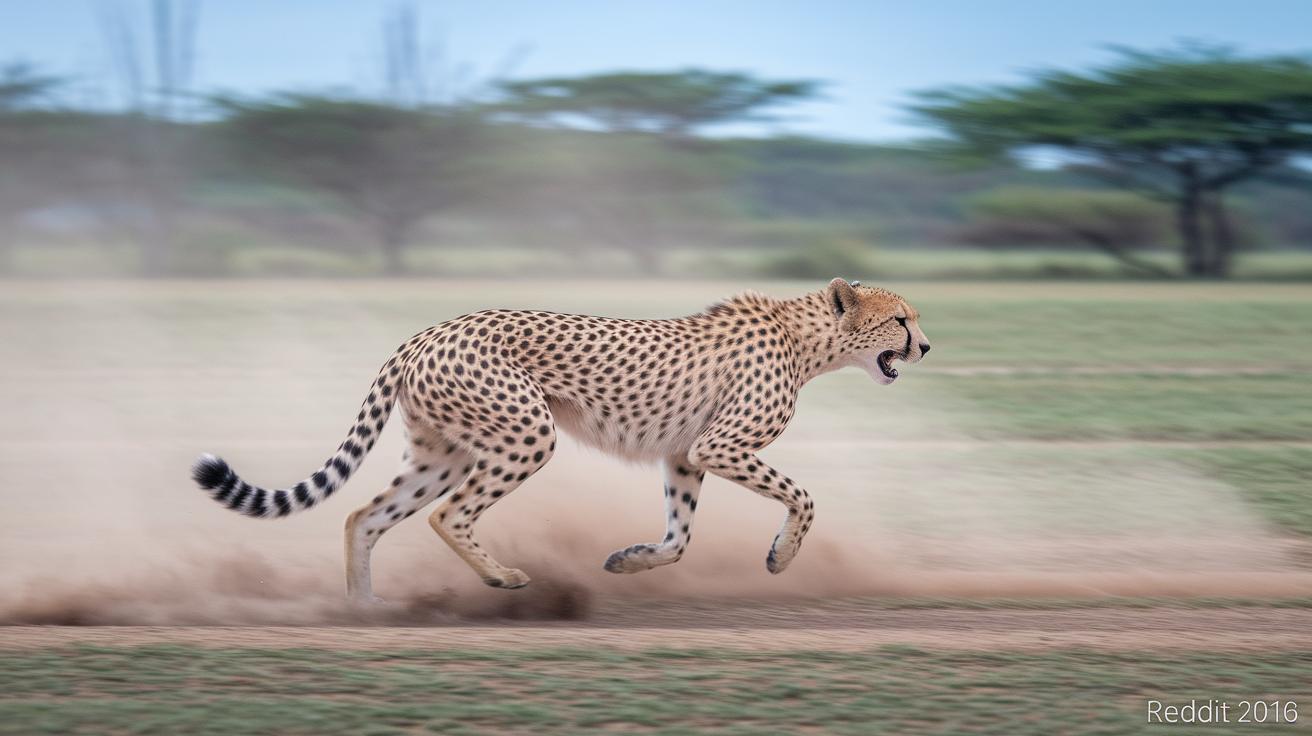
Imagine stepping into three very different worlds: a busy land filled with quick dashes, a sky where birds glide on breezy currents, and a water world where creatures zoom with ease. Each place has its own speedy superstar, and learning about them shows just how clever nature really is.
On solid ground, animals race with strong muscles, sprinting like they’re on a fast track. Up above, birds take flight and ride invisible highways in the sky, reaching speeds that seem almost magical. Down below, fish and marine mammals carve through water with sleek, built-for-speed bodies. Each spot in nature has its own way of pushing limits.
Check out these amazing numbers: the peregrine falcon can swoop at a staggering 386 km/h (240 mph) when diving, making it the king of the skies. Over on land, the African cheetah rockets up to 104.2 km/h (64.8 mph), a burst of energy that leaves us in awe. In our watery world, the sailfish glides along at 109 km/h (68 mph), earning its title as the fastest in the ocean. And let’s not forget the pronghorn, which can hit 89 km/h (55 mph) and keep a steady 64 km/h (40 mph) for about 11 km, showing off real endurance. Rounding out our list, the white-throated needletail flutters through level flight at an impressive 170 km/h (105 mph).
If you’re curious to dig even deeper, you’re in for a treat. Up next, we'll explore a closer look at the science behind these speeds, how body shapes make a difference, and more comparisons that bring these speedy animals into sharper focus.
Fastest Terrestrial Mammal: Cheetah’s Record‐Setting Sprints
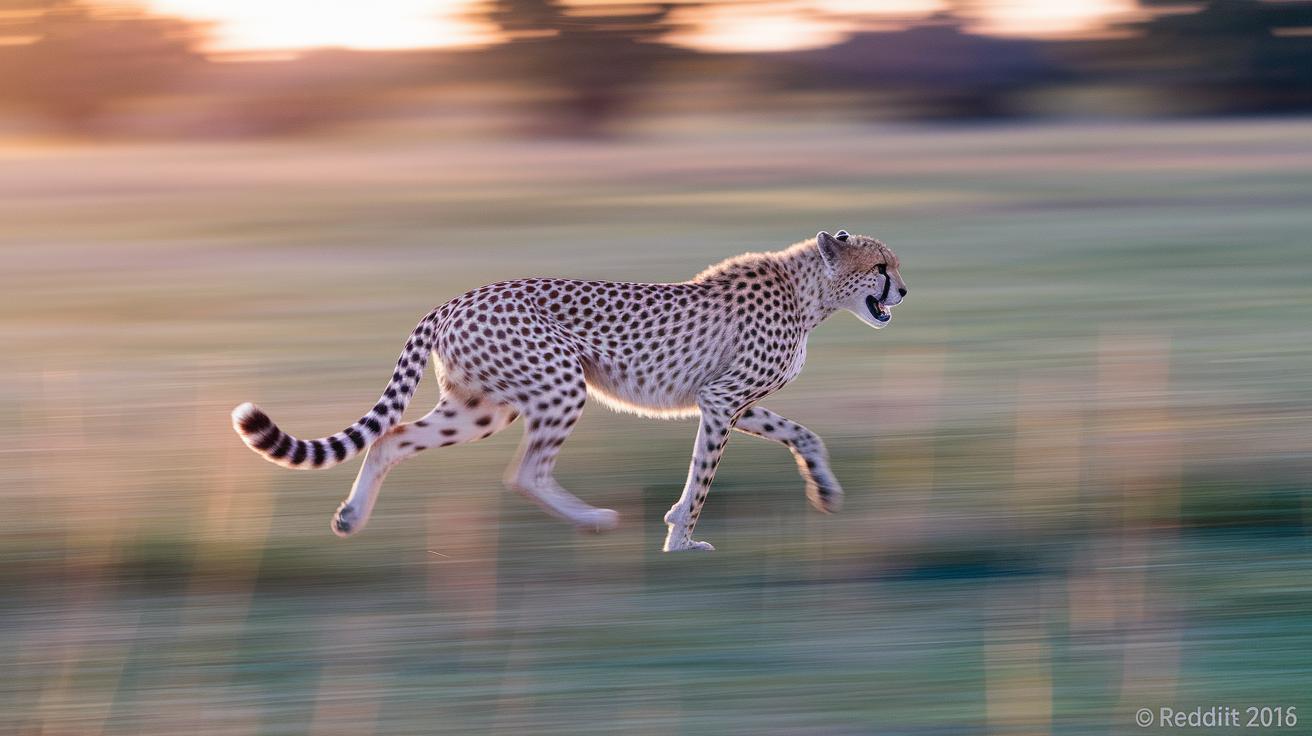
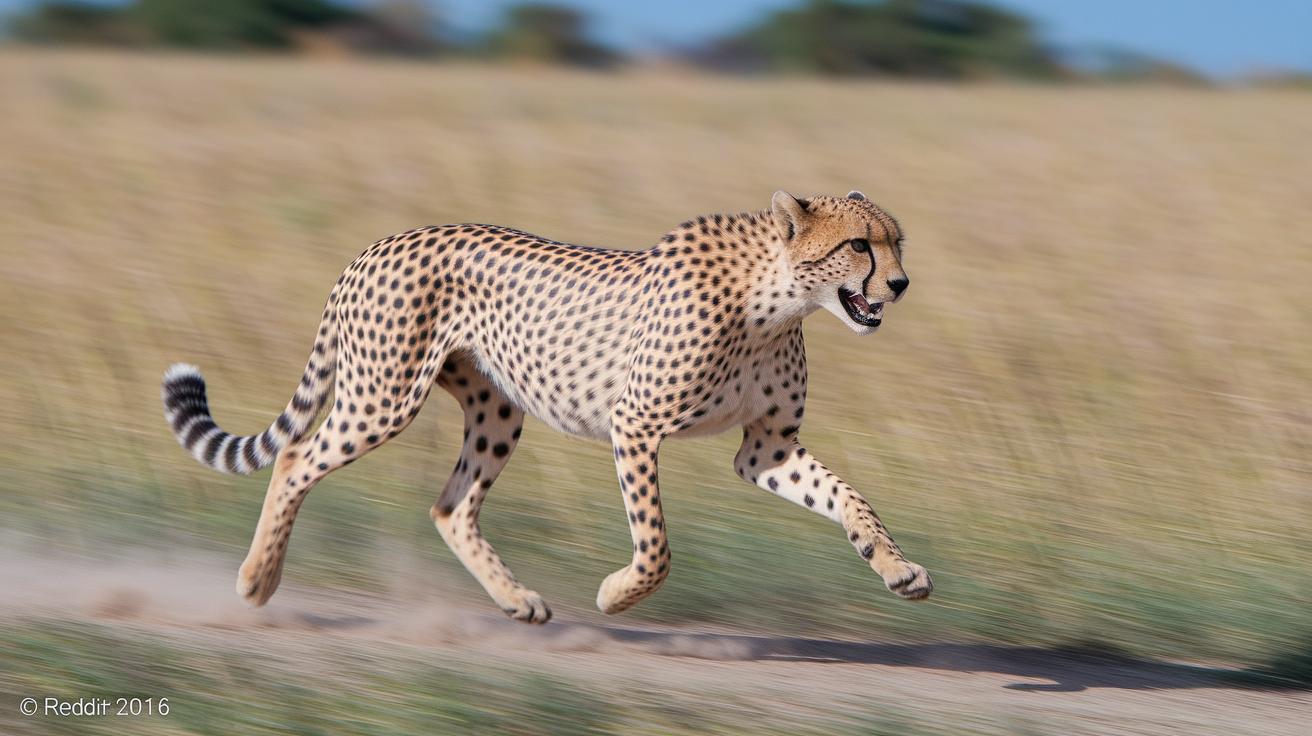
The cheetah is simply amazing, it's the fastest land animal around. This graceful creature can zip up to 104.2 km/h, and it goes from standing still to 72 km/h in just 2.5 seconds. Imagine that burst of energy; it really feels like watching a flash of lightning across the savanna.
| Animal | Scientific Name | Top Speed (km/h) | Endurance (km) |
|---|---|---|---|
| Cheetah | Acinonyx jubatus | 104.2 | 0.4 |
| Pronghorn | Antilocapra americana | 89 | 11 |
| Springbok | Antidorcas marsupialis | 88 | , |
| Thomson’s Gazelle | Eudorcas thomsonii | 81 | , |
| Blue Wildebeest | Connochaetes taurinus | 80 | , |
Even though the cheetah is built for rapid, explosive sprints, it can only keep up that speed for a very short time, about 0.4 km. This design is perfect for sneaking up on prey with a quick, decisive strike. In other words, it’s all about speed over short bursts. Meanwhile, the pronghorn shows us a different strategy, capable of maintaining high speeds for around 11 km. And creatures like the springbok, Thomson’s gazelle, and blue wildebeest remind us that nature is full of creative ways to mix speed with the stamina needed to outlast dangers.
Isn't it fascinating how each animal has its own unique way of surviving in the wild?
Fastest Bird on the Planet: Peregrine Falcon’s High‐Velocity Dive
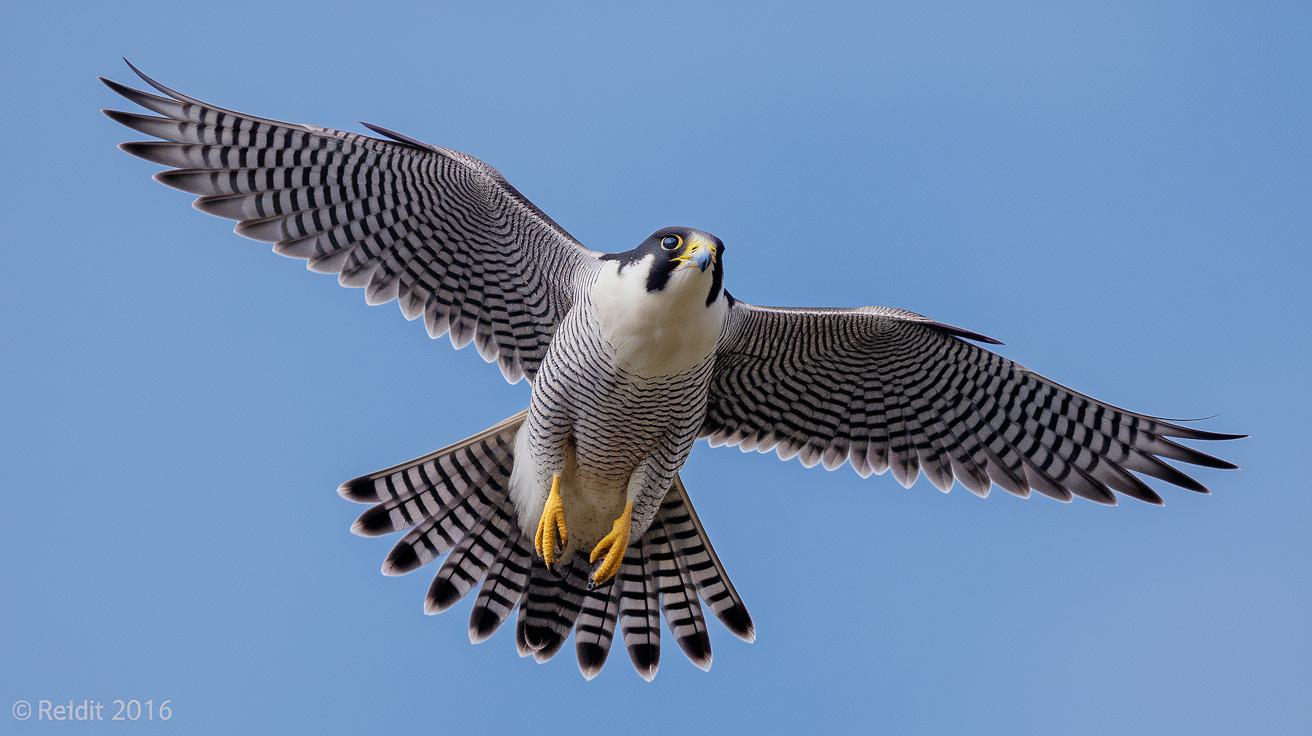
Birds show off nature’s speed in a way that feels almost magical. The peregrine falcon, for instance, is like the sky’s own race car, diving at speeds up to 386 km/h (240 mph)! Even if you’re just watching from your window, you can almost feel the rush of air as it zooms by.
Let’s have a quick look at the top five speedy birds:
- Peregrine Falcon: It can stoop or dive at an amazing 386 km/h (240 mph).
- Golden Eagle: This bird can dive at around 320 km/h (200 mph).
- White‐throated Needletail: Known for its swift level flight at 170 km/h (105 mph).
- Eurasian Hobby: It flies powerfully at about 160 km/h (100 mph).
- Grey‐headed Albatross: It can keep a steady 110 km/h (68 mph) for up to 9 hours.
What’s behind these impressive speeds? Their bodies are super streamlined to reduce drag while strong muscles give them that extra burst, kind of like a pet chasing after a ball with endless enthusiasm. Their uniquely shaped wings help them catch air currents, making rapid changes in speed and direction look as easy as a happy little skip.
Next time you’re outside or watching birds soar, take a moment to appreciate how nature designed these incredible flyers, each one a little marvel of speed and agility.
Fastest Marine Species: Sailfish and Ocean Speed Metrics
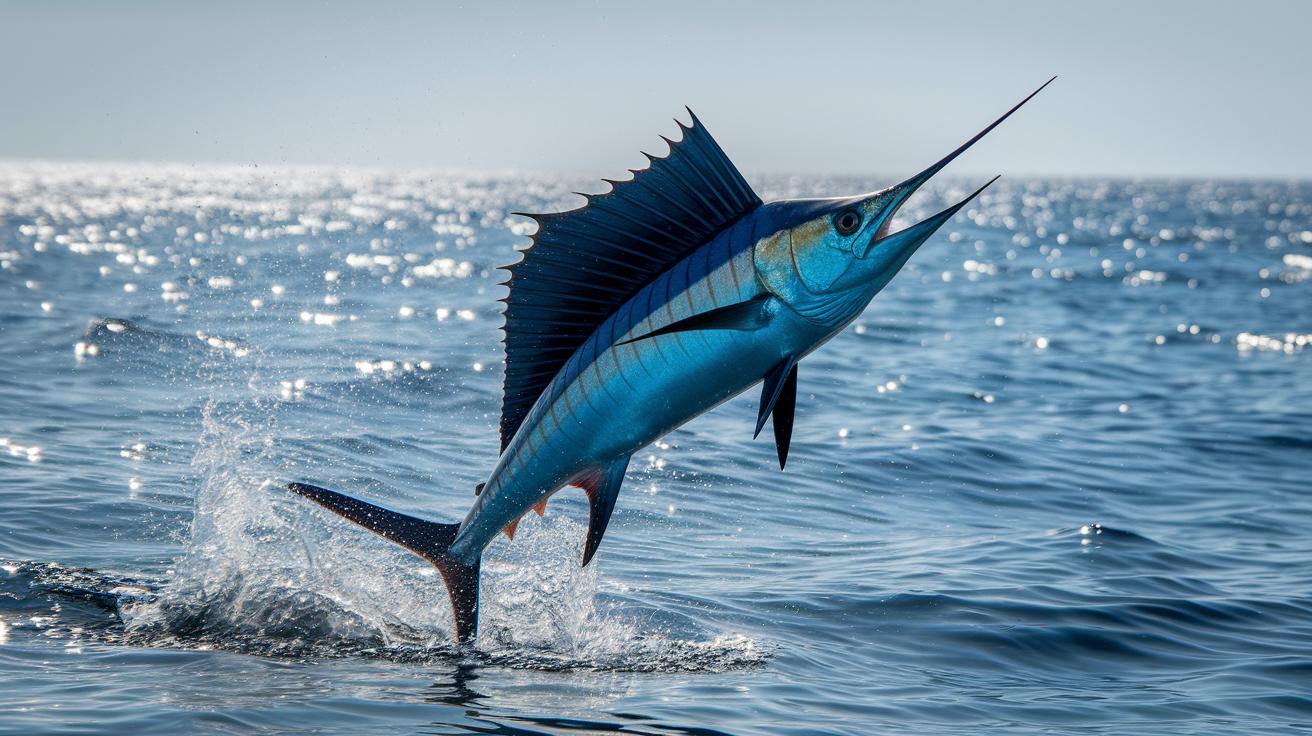
Billfish have long been known as the ocean’s speed champions. The sailfish, racing at up to 109 km/h, slices through water with its sharp, pointed bill and streamlined form. Swordfish aren’t far behind, reaching speeds around 97 km/h as they cut through water like nature’s very own racing machines.
Then there’s the tuna crew, blending agility with endurance. Yellowfin tuna, for example, can reach about 75 km/h with their muscular, compact bodies perfect for long, steady chases across the open seas. Imagine a fish that keeps a strong pace much like a marathon runner, steadily moving through unpredictable currents.
And don’t forget the shortfin mako shark, a standout among swift swimmers. This shark can clock in at around 74 km/h, its torpedo-shaped body and pointed snout minimizing water resistance like an underwater jet. It’s built for both chasing prey and making sudden dashes when needed.
Rounding out these speedy swimmers is the common dolphin. This playful sea mammal cruises at up to 48 km/h with a streamlined body and powerful tail fin, gliding gracefully through the waves like a gymnast energized by every splash.
Fastest Animal Speed Showdown: Land vs. Air vs. Sea
Nature has given each creature its own way to move fast, all to help them survive. It’s not just about setting a record; it’s about how each one has adapted to live in its world.
On land, animals show off different skills. Consider the cheetah, which dashes in at 104.2 km/h for a quick burst, perfect for catching speedy prey. Then there’s the pronghorn, cruising steadily at 64 km/h over long distances to outrun danger. Think of it like this: a cheetah’s sprint is a flash of lightning, very fast but over in a moment.
Up in the sky, birds take to the air with amazing speed. The peregrine falcon can dive at an astonishing 386 km/h, while the white-throated needletail maintains a strong 170 km/h in level flight. Their incredible speeds come from a perfect mix of power and control. Imagine floating down like a leaf in a brisk wind, graceful, yet full of purpose.
In the water, the sailfish zooms through at 109 km/h. Water puts up its own kind of resistance, so these animals have to stay super sleek to move fast. Picture a swimmer gliding with determined energy, much like a falcon diving but in the cool blue sea.
In the end, each animal is built for its own world. Yet, the peregrine falcon, with its mind-blowing 386 km/h dive, takes the crown as nature’s ultimate speed champion.
Fastest Speed Measurements in Wildlife: Tools and Techniques
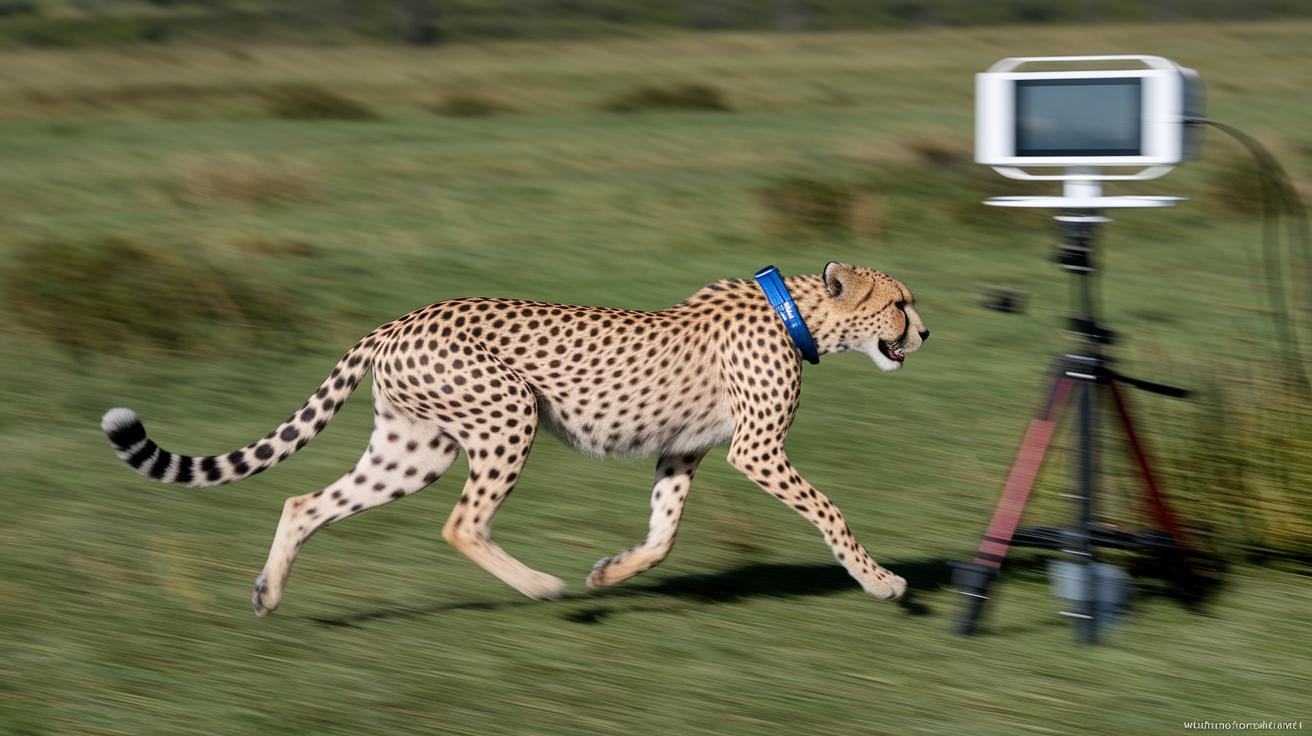
Scientists have come up with clever ways to catch the split-second bursts of energy in wild creatures. They use awesome tools that track speedy moves on land, in the sky, and even underwater, so every rapid motion gets recorded with care.
On the ground and up in the air, researchers trust high-speed cameras, radar guns, and GPS tags. For example, when watching cheetahs charge, they combine radar readings with data from tiny GPS collars to catch those explosive sprints. Falcons are tracked during their breathtaking dives using Doppler radar and fast-capture cameras. It’s not always simple, they face challenges like changes in drag and the very short time frames of these actions, so everything needs to be perfectly tuned.
Underwater, scientists estimate speed using sensors mounted on vessels and special acoustic telemetry that listens through the water. Even swift swimmers like sailfish get measured in their natural setting, despite water resistance working against them. By keeping an eye on those quick bursts of acceleration and battling variable drag, these methods deliver trustworthy measurements in an ever-changing medium.
As these tools improve, we’re sure to get even more precise data and a deeper look into the mechanics behind these quick, remarkable motions in wildlife.
Final Words
In the action, nature dazzles us with record speeds across the land, air, and sea. We saw the cheetah’s every burst and the peregrine falcon’s jaw-dropping dive, alongside the sailfish’s swift streak underwater.
This content gave a quick look at techniques used to track these athletes. It’s a reminder that the fastest animal on the planet is celebrated by many incredible speed stories – one that inspires awe and brings smiles to those who care deeply about our wild friends.
FAQ
What are the top fastest animals across land, air, and water?
The fastest animals include the peregrine falcon in the air, the African cheetah on land, and the sailfish in water, along with notable speedsters like the pronghorn and golden eagle.
How fast does the peregrine falcon dive?
The peregrine falcon boasts dive speeds up to 386 km/h (240 mph), making it the fastest animal in the sky and a standout among birds in high-velocity flight.
How fast is the cheetah compared to other land animals?
The cheetah can sprint up to 104 km/h (64.8 mph), outpacing other terrestrial animals like the pronghorn, which reaches around 89 km/h (55 mph) at top speed.
Can any animal run faster than a cheetah?
No animal on land surpasses the cheetah’s top speed, as even predators like tigers are significantly slower, securing the cheetah’s status as the fastest terrestrial mammal.
Which aquatic animal holds the speed record in water?
The sailfish is the fastest swimmer, reaching speeds of up to 109 km/h (68 mph), making it the top contender in the water among marine species.
What are some of the fastest birds besides the peregrine falcon?
Apart from the peregrine falcon, the golden eagle can dive at speeds up to 320 km/h, and birds like the white-throated needletail maintain level flight speeds around 170 km/h.