



Have you ever imagined what it might be like to meet a pet with two heads? It might sound like a fairy tale, but these animals really exist. They come about when one tiny embryo doesn’t split all the way, leaving a pet with double the head. Imagine a furry friend with two sets of eyes and ears, it sounds exciting but can be a real challenge to take care of. Today, we’re chatting about the science behind these unusual creatures and what life is like for them every day. Stick with us as we explore the true story of these natural wonders.
Defining Two-Headed Animals: Biological Polycephaly Explained

Two-headed animals aren't a special species that appears on its own in nature. Instead, they're unusual cases where the embryo doesn’t fully split during the process that normally creates identical twins. This condition is called polycephaly, which means the animal is born with two heads. While it might seem cool at first, having two heads brings a lot of difficulties. Imagine a cat with double the fun that struggles to walk steadily because each head tries to take charge in its own way. It’s a bit like a car with two steering wheels, exciting to see, but really hard to drive.
In the wild, these animals often don't make it because their mixed-up brain signals slow them down when they try to escape danger or hunt for food. Even in places like zoos where they get extra care, they still need special attention. Instead of being a smart new trick of evolution, polycephaly is really just a developmental mistake, reminding us that what might look fascinating in movies and stories is actually a tough reality for the animal.
Causes of Two-Headed Animals: Genetics and Developmental Biology
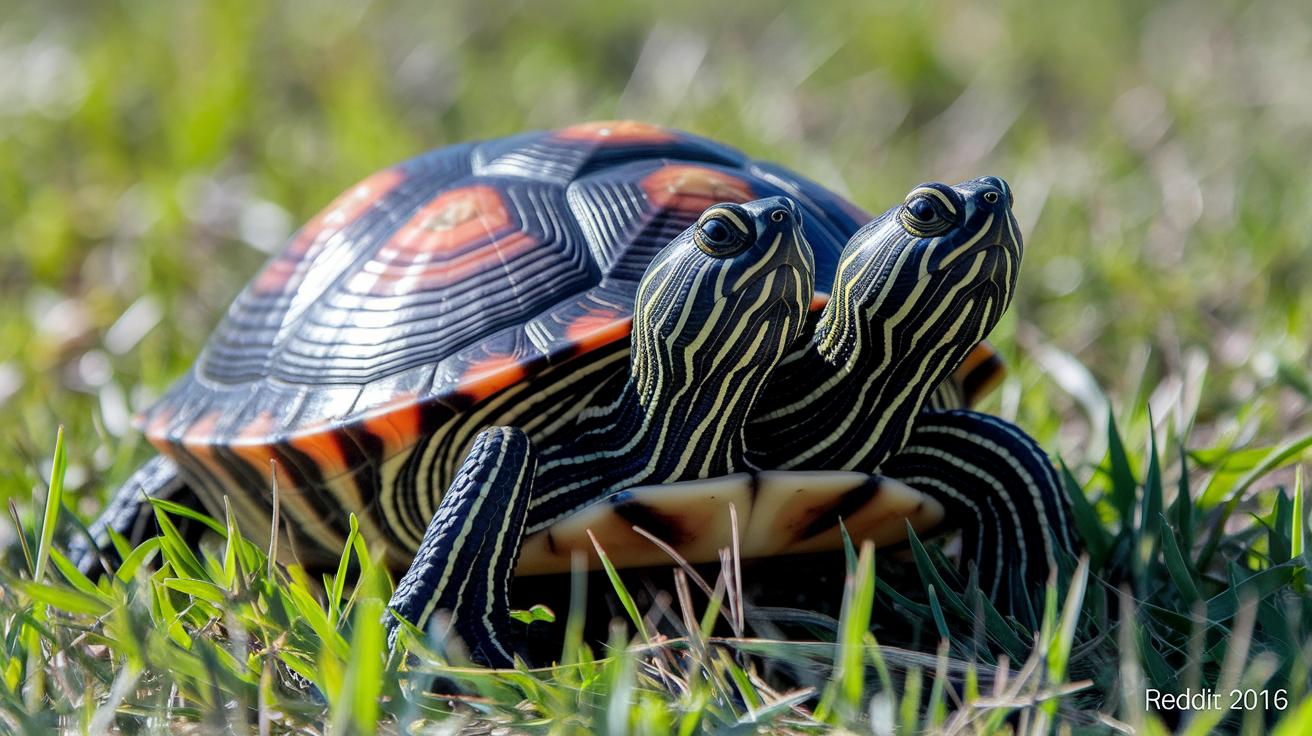
Ever wonder how an animal ends up with two heads? It all starts with one fertilized egg that doesn’t split completely like it should for identical twins. The embryo begins to divide into two little parts, but something goes awry and the separation never finishes. This unusual twist in development is called polycephaly, which simply means the animal grows extra head parts.
There are a few reasons why this might happen:
| Factor | Description |
|---|---|
| Incomplete Split | The embryo almost divides perfectly into two twins but stops half-way. |
| Genetic Mutations | Sometimes random gene changes mess with how the head is supposed to form. |
| Teratogens | Exposure to certain chemicals or unusual temperatures during early growth can disrupt normal development. |
| Environmental Stress | Extra pressures in the surroundings might disturb the embryo’s usual growth pattern. |
Each of these factors can tip the balance. For instance, a small change in the embryo’s environment might push an almost-complete split into forming two heads. At the same time, a random genetic mutation can confuse the signals that tell cells how to develop, leading to extra head formation. And yes, teratogens like certain chemicals or temperature shifts can really throw off the process. Even minor stress from the environment might add up to create this rare condition.
When these things mix together, they set off a chain reaction that results in an animal with two heads. In truth, it’s all about the delicate dance between genetic instructions and the animal’s surroundings. Isn’t it fascinating how tiny changes can create such a surprising outcome?
Documented Two-Headed Animals: Notable Case Studies

Nature can be pretty surprising sometimes. Every now and then, it throws us a curve ball by creating animals with two heads that seem straight out of a fairy tale. These unusual cases capture our hearts and stretch our imaginations, showing us both nature’s magic and its challenges.
Take, for example, “Image,” a two-headed kitten born in 2000 in Bucks County, PA. With a lot of tender, extra care from a devoted owner, this little kitten managed to pull through. Then there’s the two-headed southern black racer snake from Florida in 2020, which, despite rescue efforts, sadly couldn’t overcome the hurdles its condition presented.
Not too far away, in Perth, Australia, a two-headed kitten was spotted in 2008 by a caring veterinarian and a curious news photographer. Their photos left everyone in awe of nature’s quirky side. And in 2021, while on a sea turtle patrol in South Carolina, volunteers found a loggerhead turtle hatchling with two heads. Even though it faced rough conditions from the start, its discovery reminds us how even common creatures can surprise us in the most unexpected ways.
Another unforgettable case is the two-headed bearded dragon born in Texas back in 2005. With survival odds as slim as 1 in 25 million, its future remains a bittersweet mystery. Meanwhile, Frank & Louie, a two-faced cat born in the USA in 2000, defied all expectations. This charming cat not only beat the odds but also became a media sensation by living a full, happy life.
| Animal | Year | Location | Outcome |
|---|---|---|---|
| “Image” Kitten | 2000 | Bucks County, PA | Survived with special care |
| Black Racer Snake | 2020 | Florida | Rescued, later died |
| Perth Kitten | 2008 | Perth, Australia | Documented by vet; fate unknown |
| Loggerhead Turtle Hatchling | 2021 | South Carolina | Discovered, likely died |
| Bearded Dragon | 2005 | Texas | 1-in-25 M survival; fate uncertain |
| Frank & Louie Cat | 2000 | USA | Media sensation; lived into adulthood |
These remarkable stories show us just how unpredictable nature can be. Every case, filled with both wonder and struggle, reminds us that even the rarest conditions have their own mix of challenges and moments of unexpected beauty. Have you ever thought about how nature’s little surprises can make us see the world in a whole new light?
Survival and Behavior of Two-Headed Animals in the Wild
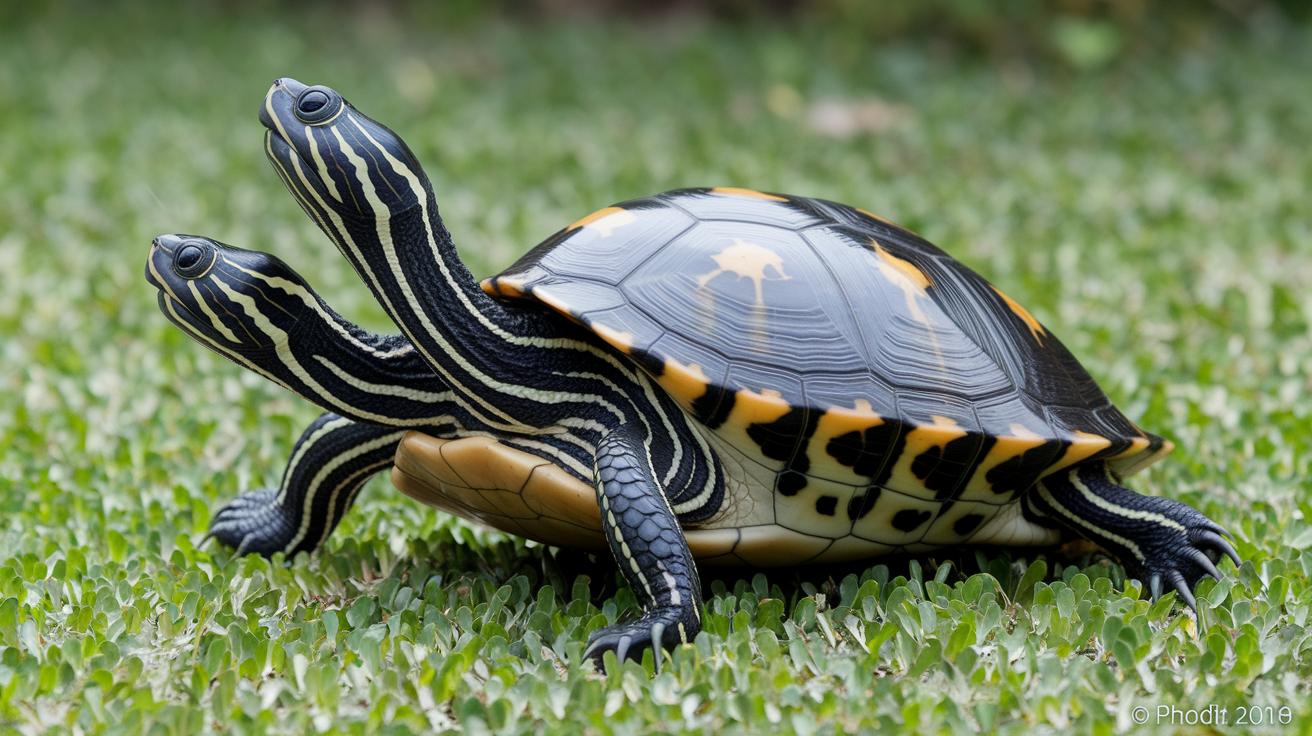
Imagine trying to take a walk with two friends, each giving you different directions at the same time. That’s a bit like life for two-headed animals. Each head sends its own signals, leaving the body confused and making every step feel like a wobbly balancing act. It’s as if a pet were trying to chase its favorite toy with one paw tugging one way and the other pulling it in another. These jumbled commands can slow them down and make it hard to catch a meal, leaving them open to danger from predators.
Even if they get extra care from humans, their life is filled with challenges. Special feeding routines and gentle handling can help, but the constant back-and-forth between two brains makes even simple tasks tricky. Each day, the two heads often disagree on basic needs like eating or escaping from harm, turning survival into a daily tug-of-war. Watching them can be both fascinating and a little heartbreaking, showing just how hard nature can be when you’re pulled in two different directions at once.
Two-Headed Animals in Myth and Folklore
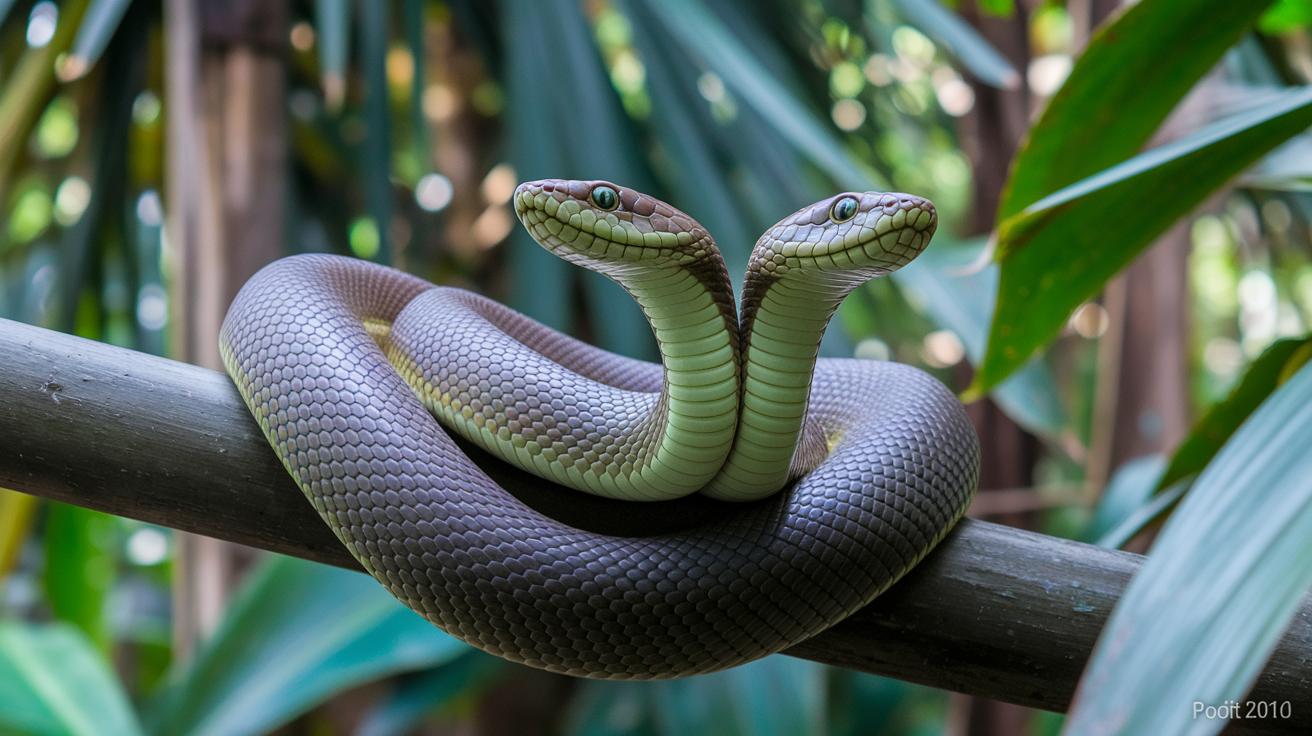
A long time ago, many cultures spun stories about creatures with two heads to explain the mysterious balance in life. They loved to tell tales of a two-headed snake that could stand for both the act of creating and the force of destroying. One head would watch over what had already happened, while the other peeked into the future. Imagine this: some tribes truly believed that this two-headed snake could unlock the secrets of nature, guiding them safely when things got murky. These stories helped put a name to those natural events that seemed too powerful for us to understand.
From every part of the world, stories of two-faced serpents and other dual-headed beings have captured hearts and minds for countless years. In many traditions, these unique animals were seen as messengers from the gods, each head offering different advice about what fate might bring. These legends remind us of life’s natural duality, blending wisdom with a touch of foolishness. They weren’t just entertaining tales but also little lessons urging us to accept the many sides of life.
Even now, we still turn to those old multiheaded myths for inspiration in art, literature, and film. Today, the image of a two-headed creature brings a mix of awe and a bit of caution, symbolizing the inner conflicts that we all face. Artists love to use these images to show that sometimes, two different points of view can peacefully coexist, even if they sometimes wrestle with each other. It’s a lasting reminder that myth and folklore are living stories, always being reimagined by new generations.
Research, Conservation, and Ethics of Two-Headed Animals

Scientists are busy trying to understand why some animals are born with two heads. They look closely at unusual changes in skull shape and use cool tools like advanced imaging and genetic tests. It’s a bit like solving a mystery, tiny changes during early development might make a baby animal split into two parts. One study even mentioned that a small change during cell division can lead to big differences in how an animal grows. Isn’t it amazing how nature creates these rare miracles?
When it comes to caring for animals with two heads, experts have some big questions to answer. Animal lovers and wildlife pros talk a lot about how best to take care of creatures with these unique features. They wonder if helping nature along could make life better for these animals or if it might cause more problems down the road. Whether in the wild or at care centers, everyone is working hard to protect these special lives with kindness, balancing scientific curiosity with a real duty of care.
Final Words
In the action, we explored what makes two-headed animals a fascinating yet challenging topic. We touched on their unique genetics, real-life examples, survival hurdles, and even the myths that surround them. Each section provided a closer look at the real science behind these cases, alongside heartwarming and cautionary tales. It's been an engaging read, filled with fascinating insights about two-headed animals and the delicate balance of nature. Stay curious, appreciate the wonders of life, and always celebrate the beauty of our animal world.
FAQ
Frequently Asked Questions
Are two-headed animals real?
Two-headed animals occur when an embryo doesn’t fully split, a condition called polycephaly. This rare defect often leads to coordination challenges and reduced survival, rather than representing a normal species trait.
Do animals ever have three heads?
Three-headed animals typically appear in myths or extreme developmental anomalies. True cases beyond two heads are exceptionally rare and arise from severe embryonic errors rather than natural species variation.
Do two-headed humans exist?
Two-headed humans form when twin embryos do not fully separate. This rare condition requires special medical attention due to extra health challenges and shared body structures.
Can snakes be born with two heads?
Two-headed snakes result from polycephaly when an embryo fails to split completely. These snakes face challenges with coordination since the heads may act independently, affecting their ability to survive in the wild.
Are there pictures of two-headed animals?
Photographs of two-headed animals document rare polycephaly cases, showing the unique physical traits and daily challenges these animals face, often leading to special care or shortened lifespans.
What role do two-headed animals play in mythology?
Two-headed animals in folklore symbolize duality. Their depictions often highlight opposing traits or forces, serving as a reminder that life can encompass both light and dark aspects.
What is the two-headed animals experiment about?
The “two-headed animals experiment” is not an intentional scientific trial but rather a term used for studying naturally occurring polycephaly, which offers insights into how developmental anomalies occur.
What does polycephaly mean?
Polycephaly means having more than one head and usually happens when an embryo doesn’t split completely. This rare developmental anomaly can occur in several animal species due to errors during early growth.
What is a two-headed beast called?
A two-headed beast is called a polycephalic animal. This term describes creatures born with two heads, a condition stemming from an incomplete split during the early stages of development.
Which two-headed animal appears in Greek mythology?
In Greek mythology, two-headed animals are symbolic rather than literal species. They often represent conflicting forces or dual natures, leaving their exact identity open to interpretation in ancient stories.
What does it spiritually mean if you see a two-headed animal?
Spiritually, seeing a two-headed animal is often interpreted as a sign of balance between opposing forces. It encourages reflection on life’s dual aspects and the harmony needed between contrasting energies.