



Have you ever wondered just how far survival instincts can stretch? In the wild, some animals even resort to eating their own kind. It sounds shocking at first, but there’s a smart reason behind it. When food is scarce, this natural trick gives the strongest a boost, helping only the best-adapted creatures pull through.
Today, let’s chat about some real-life examples, like tadpoles and sand tiger sharks. Their stories remind us that nature often finds surprising ways to keep everything in balance. It isn’t about being cruel, it’s simply nature doing what it needs to do. Isn't it amazing how the wild works its magic?
Animal Cannibals in Nature: Definitions and Core Examples
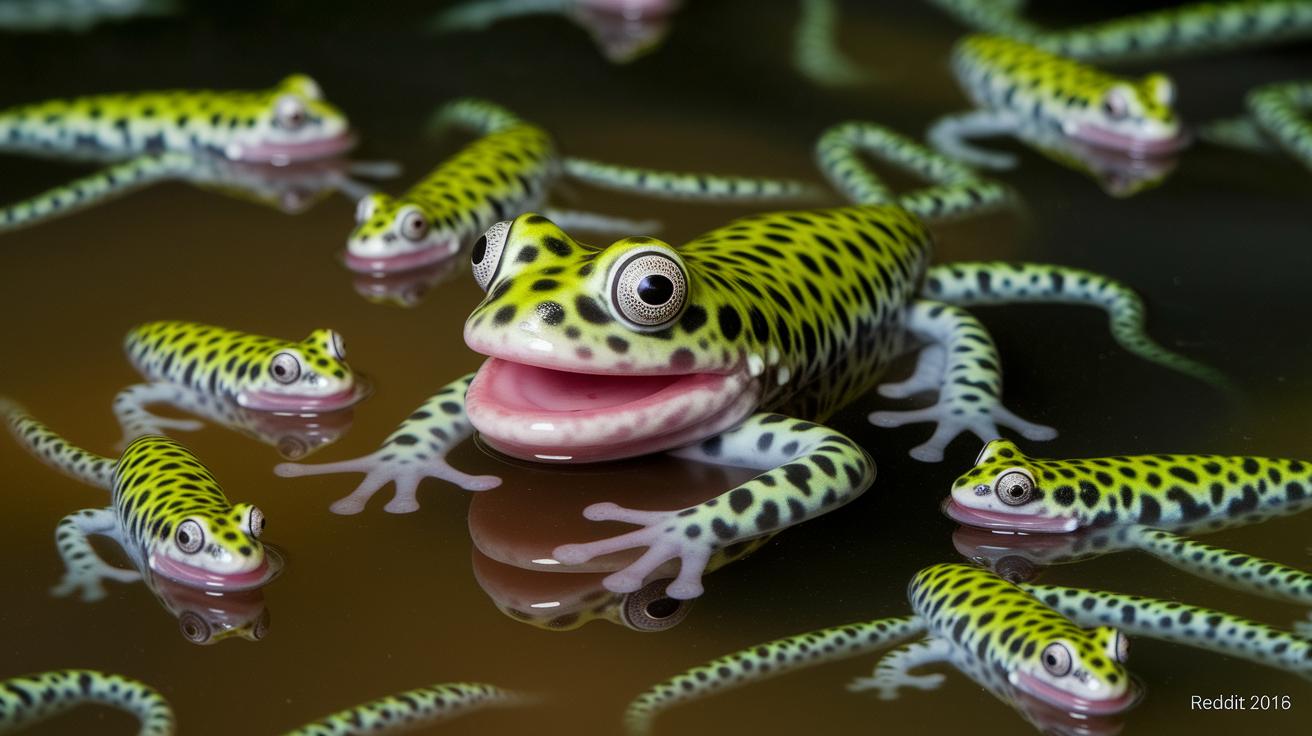
It might sound surprising, but many animals sometimes eat members of their own kind. In nature, this behavior isn’t done out of cruelty, it’s a clever way to recycle nutrients, control how crowded things get, or even help the strongest survive when times are tough. Think of it as nature’s way of making sure that only the best-adjusted animals thrive. For example, some amphibian larvae develop bigger mouths and sharper teeth just so they can eat their siblings when food is scarce. It’s a natural trick to help them grow stronger in a world where resources are limited.
Below are five examples that show different ways animals practice this unusual habit:
- Amphibian Larvae: Frogs, salamanders, and caecilians can grow special features that help them prey on their own kin when food runs low.
- Sand Tiger Sharks: Inside the womb, the strongest shark embryo often eats its smaller siblings, setting itself up for a robust start in life.
- Wild Hamsters: When food is in short supply, wild hamsters might turn to cannibalism to capture the nutrients they need to keep going.
- Comb Jellies: In the ocean, if plankton is hard to come by, comb jellies sometimes eat their young as a survival tactic during lean times.
- Certain Fish Species: Overcrowded and food-deficient conditions can lead some fish to eat their own eggs or fry, reducing competition and recycling those precious nutrients.
Each of these examples highlights how, even though it might seem harsh, cannibalistic behavior is just another natural strategy shaped by the challenges of the wild. Nature often nudges animals to make tough choices so that only the fittest continue on, ensuring survival in a sometimes unpredictable world.
Amphibian and Fish Cannibalism: Case Studies of Larvae and Embryos
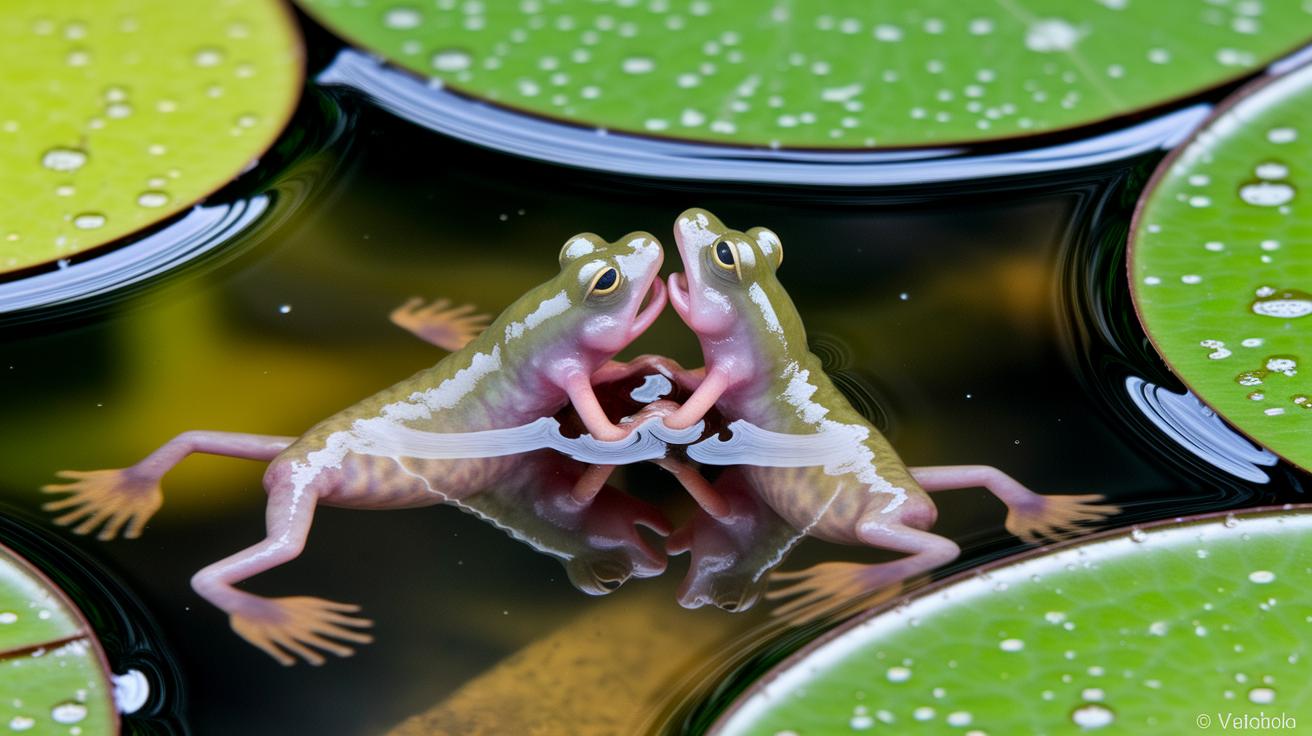
Some frog species quickly change when water quality drops or when ponds get crowded. Scientists found that tadpoles in busy, murky ponds have higher stress hormones. This can make their jaws grow differently and push them to find food faster. For instance, one study showed tadpoles shifting from gentle nibbling to bold, aggressive feeding on smaller peers. It’s a neat reminder that our environment can steer survival in surprising ways.
Salamander larvae also have their own clever ways of adapting. Their body shape and behavior change with the moisture around them and the plants nearby. When food is scarce, these little ones not only change physically but start showing early signs of bold, competitive behavior. Imagine a salamander darting about more quickly and taking bolder strikes when food is low, it’s their way of surviving tough times.
Sand tiger sharks take a very different approach to early-life challenges. Even before birth, some shark embryos may consume their siblings. This behavior isn’t just about reusing nutrients, it’s a strategy shaped by high risks and sibling competition to ensure only the strongest survives. Recent studies suggest that other fish might use a similar method, letting nature decide that only the fittest embryo gets a head start.
Invertebrate and Insect Cannibalism: Unusual Feeding Styles
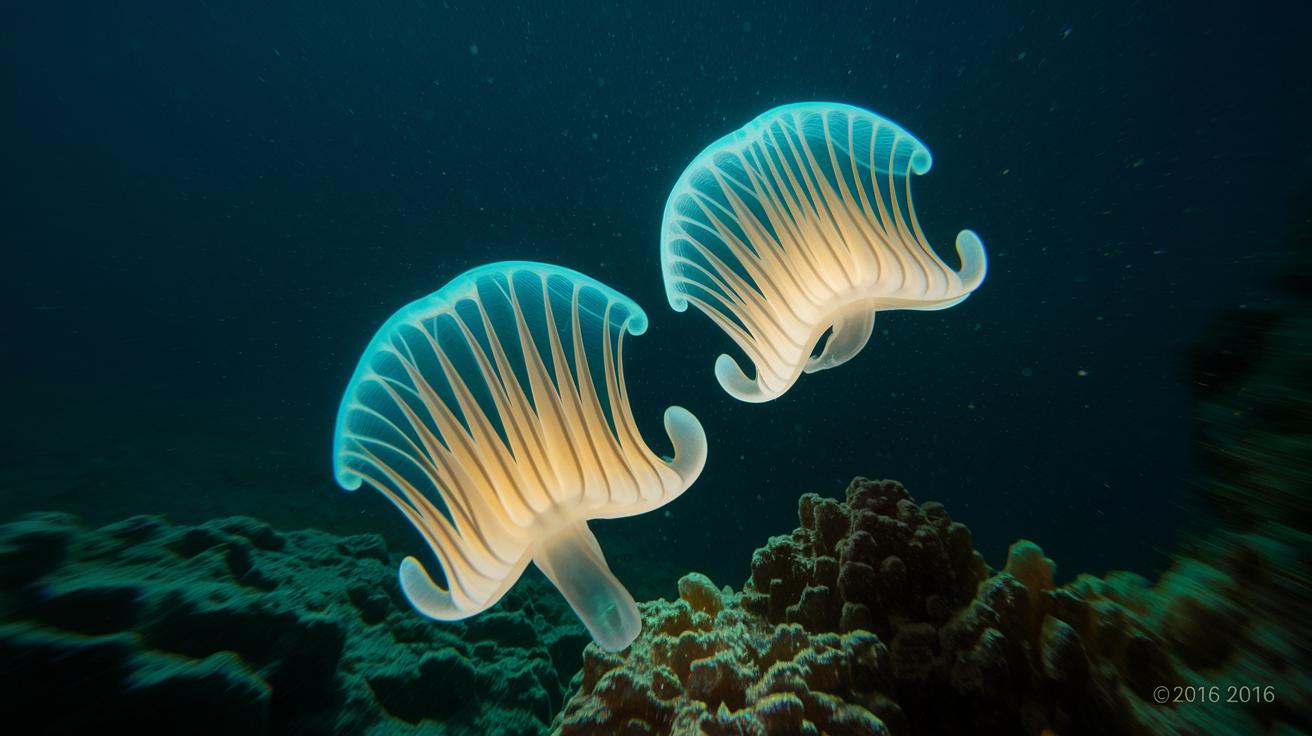
The world of tiny creatures is full of surprises, especially when it comes to finding food. When plankton becomes hard to find, comb jellies sometimes do something really unexpected, they eat their own offspring. This may sound shocking, but it’s a smart way for them to save energy and keep going during tough times.
Some spider species take things even further. Their young practice something called matriphagy, which is just a fancy word for eating their mother. Although it seems dramatic, this unusual meal pack helps boost the little spiders' growth when they need it most.
Even insect larvae get in on the action by sometimes eating their own siblings. This means there’s less competition for the limited food around, giving the survivors a better chance to thrive.
In truth, these behaviors show how nature can be extremely flexible. When food is scarce and life gets challenging, every creature finds its own clever way to recycle nutrients and stay alive. It’s a vivid reminder that sometimes life finds a way, even through the most unexpected feeding styles.
Environmental Triggers and Ecological Drivers of Cannibalism
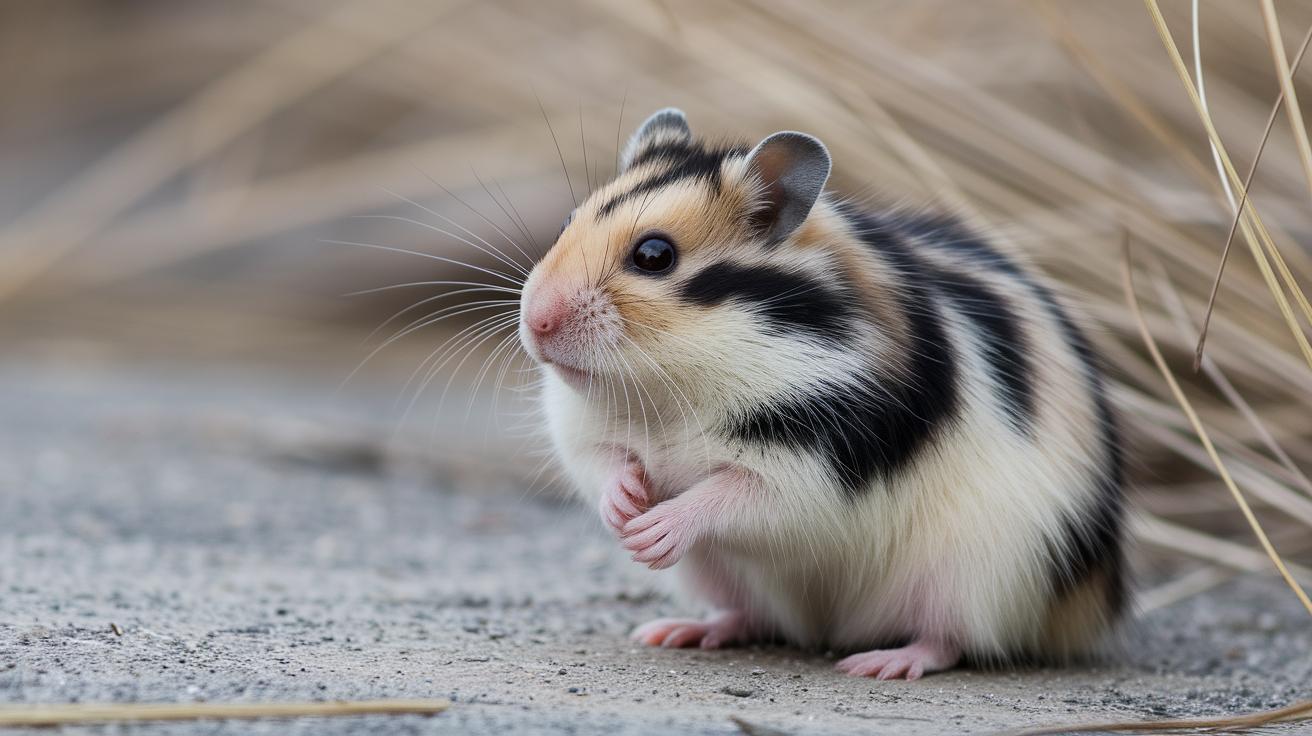
Sometimes, when life gets really tough, animals might even end up turning to eating members of their own kind. Think of a wild hamster searching desperately for food when nothing seems to be available. In crowded homes where food is scarce, even small creatures may take extreme steps just to get the extra nutrients they need. If you're curious about how animals manage during such lean times, check out how do animals adapt to the environment.
When too many animals share the same space or when seasonal changes take away their usual fare, these challenges push creatures into new survival modes. For instance, some amphibians start developing larger mouths and sharper teeth when the dry season makes food hard to come by. In dense spots, spadefoot toads might even turn to eating their own young to keep going. And in the city, where space is tight and stress levels are high, even rodents can show similar behavior. Want to know more about how urban pressures change animal habits? Have a look at animal environment.
| Trigger | Species Example |
|---|---|
| Nutrient scarcity | Wild hamsters |
| Population density | Spadefoot toads |
| Seasonal drought | Amphibians |
| Urban stress | Rodents |
Evolutionary Benefits and Mechanisms Behind Animal Cannibals
Physiological Mechanisms
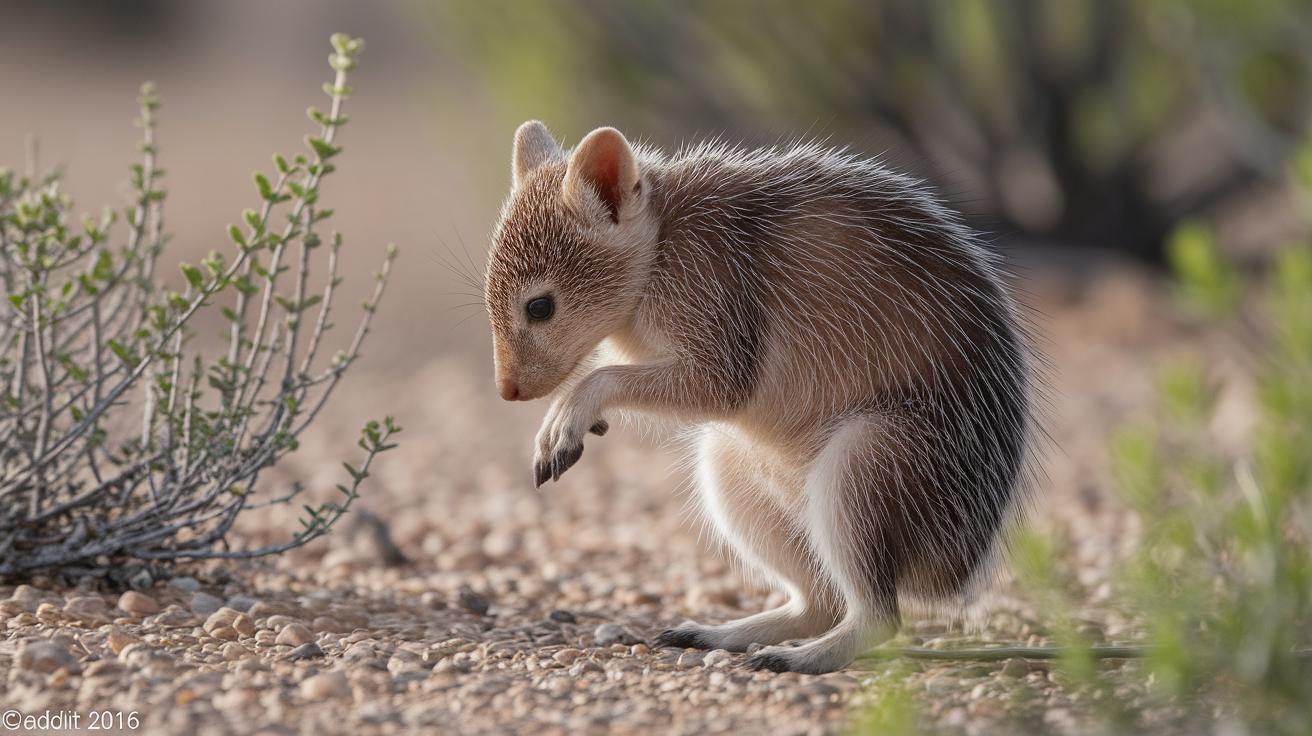
Sometimes, animals adjust themselves on the inside to better handle the challenges of their surroundings. Many species change how they use their nutrients and even tweak their body shapes when food is scarce or space is tight. It’s a bit like a built-in thermostat that adjusts to keep things running smoothly. Imagine a small creature that, when resources run low, subtly changes its growth pattern to make it through the tough times. It’s nature’s quiet way of adapting to a lean period.
Adaptive Evolutionary Theories
When animals turn to cannibalism, it’s not just a random act, it helps balance out populations and mix up genes. This behavior can ease competition among siblings and act as a natural signal that the ecosystem is under stress. Think of it like noticing extra detours on your way home when a main road is blocked. An increase in such behavior can be a clear sign that resources are running short. In essence, each animal’s survival instinct is closely linked to what’s happening around them, making the whole community more resilient over time.
Population Impacts and Scientific Case Studies of Conspecific Predation
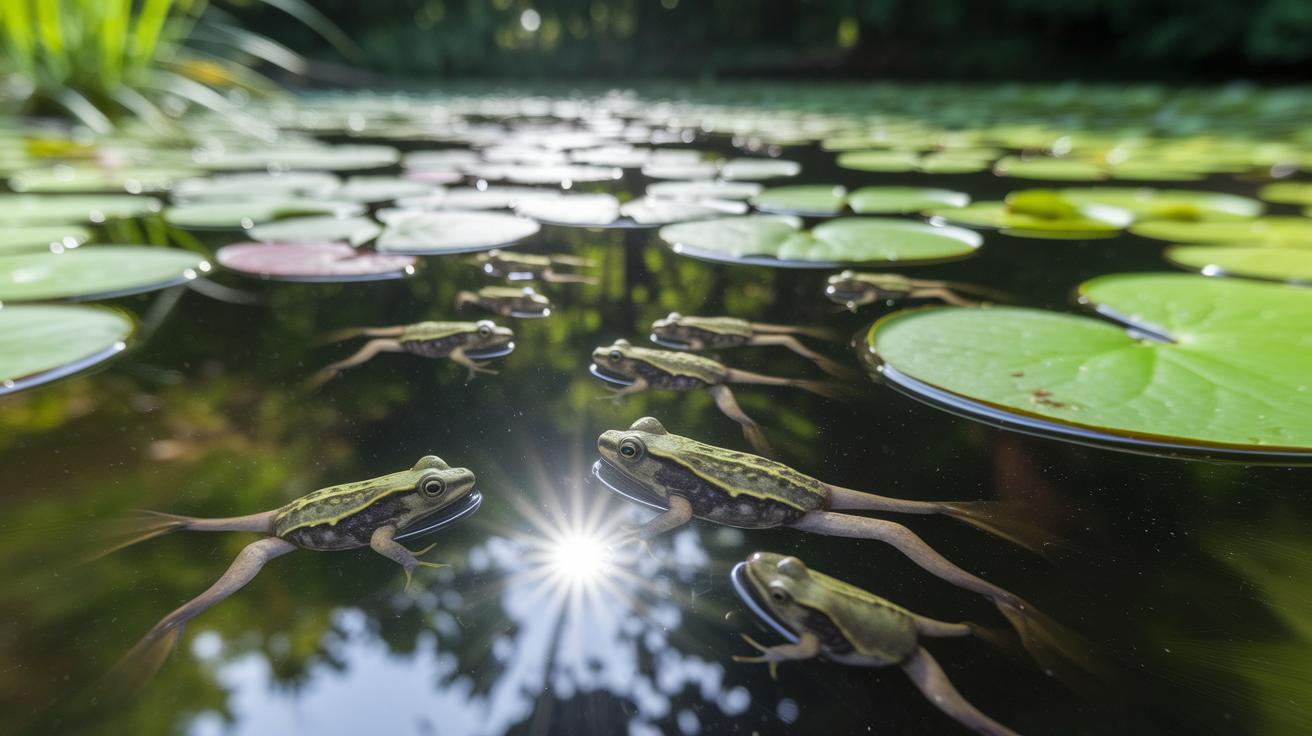
We’ve taken a closer look at some really interesting examples in nature, from spadefoot toads and fish to wild hamsters and comb jellies. We’ve mixed each example into our chats about how amphibian tadpoles adjust, what smart strategies fish embryos use, and how city life can spark these behaviors. This way, our discussion stays clear and smooth without saying the same thing twice.
Final Words
In the action, we explored how different species adapt to challenging conditions by eating members of their own kind. We saw that from amphibian larvae developing sharper features to sharks using intrauterine cannibalism, nature’s strategies keep evolving to meet survival needs.
The blog also shed light on ecological triggers and evolutionary benefits behind these behaviors. It’s fascinating and uplifting to see nature working hard to balance its own systems, especially in the case of animal cannibals.