



Have you ever stopped to think that your pet might feel things just like you do? Research shows that animals, even ones as playful as dolphins or as gentle as elephants, can feel happy, sad, and so much more. Scientists have found signs of joy and sorrow in many species, hinting that they have a deep inner world of emotions.
In this post, we explore the science behind these feelings. It turns out that our furry, feathery, or even scaled friends aren’t just simple creatures. They share real, heartfelt connections with us, making our bond extra special.
Evidence That Animals Experience Feelings

Research tells us that animals feel both joy and pain. Studies show that tigers, pigs, dolphins, birds, and elephants respond strongly to both happy and sad moments. They can seem really joyful while playing and look upset when something isn’t right. Simple tests have shown that these creatures sense their world in ways a lot like we do. It’s pretty amazing to think that the ability to feel isn’t just something humans have, it's alive in so many animals.
There are lots of examples to prove animals have deep feelings. For example, bottlenose dolphins have been seen using basic sign language to communicate. They even get stressed when the noise gets too loud, like music at 94 decibels. Rodents show empathy, and horses are full of playful energy that hints at their inner moods. These insights remind us that animals experience ups and downs, just like we do, and they live a rich, emotional life.
Biological Mood Mechanisms Underlying Animal Feelings

Brain chemicals and hormones work a lot like little messengers in our animal friends, stirring up feelings in ways that can surprise us. When these natural substances, like neurotransmitters and stress hormones, change, an animal might feel calm one moment and overwhelmed the next. It’s almost like the purr of a cozy cat turning suddenly into a startled leap when disturbed.
In the wild, many animals keep their stress hormones in check, which helps them act and react in healthy ways. Think about wild elephants: they might recall the scent of a loved one, triggering a warm, lasting memory. But when animals live in captivity, things can get a bit jumbled. For example, elephants forced to perform may show signs of deep stress or even trauma. Similarly, big cats in front of crowded audiences can experience a spike in cortisol, the hormone linked to stress. Dolphins, too, might feel uneasy when bombarded by loud, overwhelming sounds. These examples remind us how much an animal’s surroundings can shape its mood and overall well-being.
| Species | Evidence | Emotional Outcome |
|---|---|---|
| Elephant | PTSD indicators | Chronic stress |
| Bottlenose Dolphin | Auditory distress | Anxiety |
| Big Cat | High cortisol | Fear/anxiety |
Behavioral Signs of Feelings in Wild Animals

When you're out in nature, you might notice that animals show their feelings in simple, heartfelt ways. Imagine watching a prairie dog mom gently trying over and over to move her pup’s remains, it’s a quiet gesture that speaks of deep loss. These moments remind us that wild creatures, much like us, feel pain and worry.
• Prairie dog moms repeatedly trying to move their lost pups clearly show a deep, aching grief.
• Elephants often come together and let out soft, low rumbles when one of them is hurt, sharing a silent, comforting bond.
• Big cats in busy, tourist-filled areas sometimes pace or even hurt themselves, a clear sign they’re overwhelmed with stress.
• A deer might change its posture or pause when something feels off, quietly hinting at hidden unease.
• Birds emit sharp, alert calls at the first sign of danger, a mix of fear and a need to protect their flock.
Each of these small actions paints a picture of the deep emotions residing in every creature. It’s a gentle reminder that behind the wild’s beauty, there’s a rich tapestry of feelings, joy, sorrow, and the continuous need for connection, that mirrors our own.
Companion Animal Sentiment and Mood Indicators
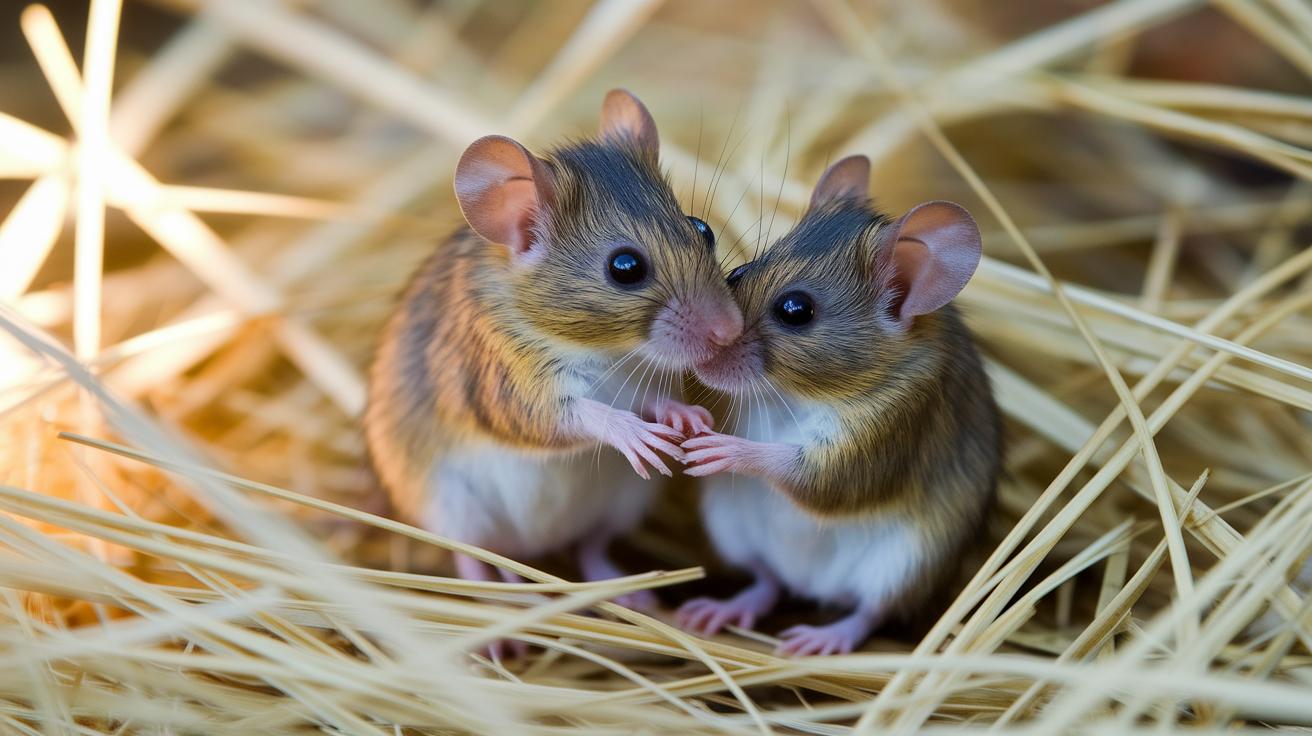
Laboratory studies have shown us that even the tiniest pets can feel deep emotions. Researchers found that little mice can pick up on a friend's distress. When one mouse is upset, its companion might come over quietly, almost like sharing a little hug. It really makes you think, empathy isn’t just a human trait!
Our furry buddies, like dogs and cats, have their own sweet ways of sharing how they feel. Take dogs, for example: when they see their owners, they wag their tails and release a happy hormone called oxytocin, which shows just how bonded they are. And cats? When they purr softly during a calm moment, it’s their gentle way of saying, “I feel safe and loved.”
Even animals like horses and other small mammals show affection in playful, caring ways. Horses might play-bow or groom each other as a fun way to connect, while our smaller pals might cuddle or groom one another. These little acts are touching reminders that our animal companions experience feelings much like we do.
Evolutionary and Ethical Dimensions of Animal Feelings

Our animal pals developed feelings over countless generations as a way to survive and stay connected. Think about it, fear helped early creatures stay on high alert, and warm feelings like affection forged the bonds that kept them safe. Ever noticed a wild dog standing guard? It’s not just instinct; it’s a little whisper from the past, a reminder that caring for each other runs deep in their history.
Today, how we treat animals should really tap into those age-old emotions. Forcing an animal to perform for our amusement can cause real, lasting hurt. That’s why we see rules like no-koala-hug policies coming up. They remind us that every creature’s wellbeing matters, and that caring for one individual is as important as looking after the whole group.
When we start to see just how complex animal feelings are, it shifts our entire outlook on their rights. It shows us that respecting their emotional world is a key part of building a kind and thoughtful community. And honestly, it makes you wonder: if our furry friends thrive on these feelings, shouldn’t we do everything we can to honor them in return?
Cross-Species Comparative Analysis of Animal Feelings

Mammals, birds, and aquatic creatures all show their feelings in ways we can see and sometimes even hear. For example, have you ever watched pigs frolicking and noticed the mix of happy grunts and anxious sounds? Bottlenose dolphins, on the other hand, solve problems in clever ways and sometimes let out distress calls that feel pretty deep. And birds? They look after each other and use alarm calls that seem to say, “Something’s up!” almost like they’re reacting to a sudden change in the breeze.
New studies on reptiles and amphibians are adding a fresh twist to what we know about animal emotions. Researchers found that these critters can change their behavior when things get stressful, hinting at basic feelings deep down. But there’s still so much to learn. Future comparisons between these less-studied animals and their furry, feathered, or finned friends might reveal even more surprising patterns in the wide world of animal emotions.
Final Words
In the action, our discussion highlighted how animals show real joy, pain, and empathy through their behavior and biology. We touched on scientific insights on brain mechanisms, observations in wild settings, and everyday moments in our homes with pets. Evidence from majestic elephants to playful dogs reminds us that do animals have feelings isn’t just a question, it’s a call to care for our furry and feathered friends. Every observation leaves us feeling inspired and hopeful for a kinder future for all creatures.
FAQ
Do animals have human-like feelings and emotions?
The evidence shows animals experience feelings much like humans. They clearly display joy, pain, and comfort, proving that emotional responses are a natural part of their lives.
Do all animals experience feelings?
The research in psychology shows that many animals—from elephants to rodents—register physical and emotional sensations. Their behaviors reveal that feelings, including grief and pleasure, are common across species.
Do animals feel empathy for other species?
Studies show that animals, such as dogs and certain rodents, display caring responses toward others, including different species. These empathetic behaviors stand as clear proof of their ability to connect emotionally.
Do animals feel that we love them?
Observations indicate that pets recognize loving gestures from humans. Their displays of affection, like tail wagging or purring, confirm that they feel and appreciate the warmth and love we share.
Do animals have thoughts or souls?
Research suggests animals exhibit basic cognitive abilities and rich inner lives. Their problem-solving, social interactions, and emotional depths have led many to believe that they possess an essence akin to a soul.