


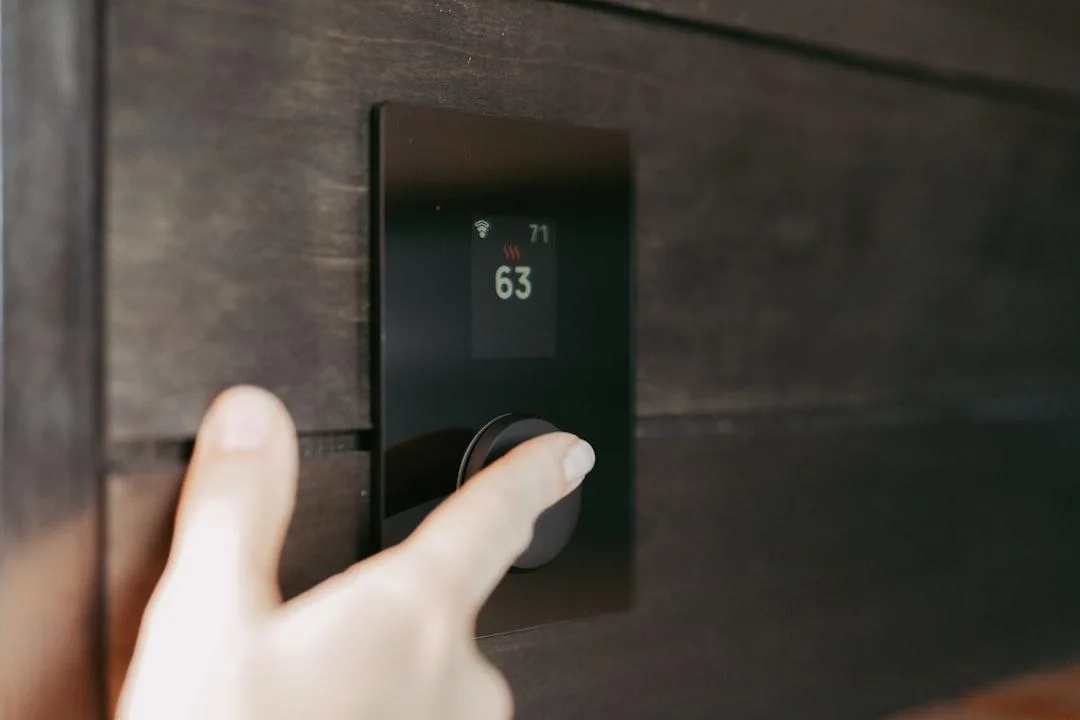
Touch-free washroom fixtures moved from premium option to default expectation across most commercial building types, and that shift changed specification requirements well beyond the sensors themselves (Centers for Disease Control and Prevention).
Why Power Requirements Reshaped Layout
Automatic fixtures require power at each location, whether hardwired or battery. Hardwired installations demand electrical coordination at every dispenser position, which is a significant departure from manual fixture rough-in.
How Battery Operation Shifts Cost to Operations
Battery powered units avoid electrical rough-in and transfer the cost to ongoing battery replacement labor. Across hundreds of fixtures, that recurring task becomes a meaningful custodial workload.
What Sensor Reliability Determines
Sensor performance varies with detection range, field geometry, and susceptibility to ambient light. A fixture that fails to detect certain approaches creates user frustration and drives the workaround behaviors that undermine the hygiene rationale.
Where Sensor Quality Shows Up in Practice
The difference appears in daily use rather than in specifications, since automatic washroom fixtures with adjustable sensor range and consistent detection fields serve a wider variety of users than fixed-range sensors calibrated to a single approach (American Specialties, Inc.).
Which Failure Modes Automatic Fixtures Introduce
Four failure modes are specific to automatic fixtures and absent from manual equivalents.
- Battery depletion rendering the unit inoperable without warning
- Sensor obstruction from soil or mineral buildup
- Ambient light interference affecting infrared detection
- Electronic component failure requiring technical service
How Accessibility Standards Treat Automatic Operation
Automatic fixtures satisfy operating force requirements by removing manual actuation entirely (U.S. Access Board). Sensors still must fall within applicable reach ranges, since a user must present a hand to activate the unit.
Why Sensor Position Is a Compliance Dimension
The activation point rather than the housing determines compliance. A tall unit with a low sensor complies, while a compact unit with a high sensor may not.
What Maintenance Capability the Shift Requires
Automatic fixtures require diagnostic and repair skills that manual fixtures never demanded. Facilities converting to touch-free without addressing maintenance capability accumulate non-functional units.
How Spare Parts Planning Prevents Downtime
Stocking common replacement components locally converts a multi-week outage into a same-day repair. Sensor modules and battery holders account for most field failures.
What the Hygiene Evidence Actually Supports
Reducing surface contact reduces one transmission pathway, though hand hygiene compliance remains the dominant variable in washroom hygiene outcomes (World Health Organization). Touch-free fixtures support good practice rather than substituting for it.
Why Complete Hand Drying Still Governs
Damp hands transfer organisms more readily than dry ones regardless of how the dispenser was actuated. Drying capacity therefore remains as important as the touch-free upgrade itself.
Why Battery Life Should Be Specified Not Assumed
Published battery life assumes a use rate that high traffic washrooms exceed substantially. Estimating replacement intervals against actual cycles produces a realistic labor forecast rather than an optimistic one.
How Low Battery Indication Prevents Outages
Units signaling low battery before failure allow replacement on a scheduled round. Units that simply stop working generate a complaint and an unscheduled trip instead.
How Retrofit Conversion Differs From New Construction
Converting manual fixtures to automatic in an occupied building requires power at positions that were never wired. Battery operation becomes the practical answer in most retrofits, which shifts cost into ongoing labor.
Why Phased Conversion Complicates Consumables
Buildings converting gradually operate two fixture types simultaneously and must stock consumables for both. Completing conversion washroom by washroom limits how long that duplication persists.
What User Communication Contributes
Occupants unfamiliar with sensor position activate fixtures inconsistently and conclude they are broken. Clear visual cues at the activation point resolve most of that confusion without any signage.
How Design Cues Reduce Service Calls
Fixtures with visible indicator lights or clearly marked sensor zones generate fewer reports of nonfunctioning equipment. The design detail directly reduces maintenance call volume.
How Retrofit Conversion Differs From New Construction
Converting manual fixtures in an occupied building requires power at positions never wired, which makes battery operation the practical answer. That choice shifts cost into ongoing labor.
Why Phased Conversion Complicates Consumables
Buildings converting gradually operate two fixture types and stock consumables for both. Completing conversion room by room limits how long that duplication persists.
How Conversion Should Be Piloted
Converting one washroom before a building-wide rollout surfaces power, sensor, and consumable issues while they remain cheap to fix. A single pilot room usually pays for itself.
How Water Pressure Affects Automatic Faucets
Sensor faucets depend on supply pressure within a defined range, and buildings outside that range see inconsistent flow. Verifying pressure before selection prevents fixtures blamed for a plumbing condition.
How Firmware and Control Boards Age
Electronic fixtures depend on control boards that eventually become unavailable. Platforms with long support horizons reduce the risk of an unrepairable fixture.
How Fixture Standardization Simplifies Support
Buildings running one sensor platform train staff once and stock one set of spares. Mixed platforms multiply both training and inventory without operational benefit.
Why Mixed Platforms Accumulate Quietly
Replacements sourced opportunistically over years produce a building with several incompatible systems. A written standard prevents that accumulation.
How Sensor Cleaning Affects Reliability
Soil and mineral buildup on sensor windows degrade detection gradually until units appear faulty. Adding sensor wiping to routine cleaning prevents most reported failures.
Why This Belongs in Custodial Procedure
Staff cleaning fixture surfaces routinely skip the sensor window. A single line in the procedure resolves a recurring service call.
How Hygiene Evidence Should Be Represented
Reducing surface contact addresses one transmission pathway while hand hygiene compliance remains the dominant variable (World Health Organization). Touch-free fixtures support good practice rather than substituting for it.
Why Drying Capacity Still Governs
Damp hands transfer organisms more readily than dry ones regardless of how a dispenser was actuated. Drying capacity remains as important as the touch-free upgrade.
How Power Strategy Shapes Long Term Cost
Hardwired fixtures require electrical rough-in at every position while battery units transfer that cost into recurring replacement labor. Across hundreds of fixtures the two approaches diverge substantially.
Why Battery Life Should Be Estimated From Use
Published battery life assumes a use rate busy washrooms exceed. Estimating against actual cycles produces a realistic labor forecast rather than an optimistic one.
What Sensor Field Consistency Determines
A sensor that misses certain hand positions creates an access barrier no dimensional check will catch. Field consistency deserves evaluation alongside mounting height during selection.
How Adjustable Range Helps
Units permitting range adjustment can be tuned to the specific washroom rather than accepting a fixed factory setting. That adjustability handles varied user approaches better.
Why Maintenance Capability Should Precede Conversion
Automatic fixtures require diagnostic skills manual fixtures never demanded. Facilities converting without addressing that capability accumulate non-functional units.
What Spare Parts Planning Prevents
Stocking sensor modules and battery holders locally turns a multi-week outage into a same-day repair. Those two components account for most field failures.
How User Communication Reduces Service Calls
Occupants unfamiliar with sensor position conclude that fixtures are broken when they are simply hunting for the activation zone. Clear visual cues resolve most of that confusion.
Why Indicator Lights Help
Units showing an activation indicator generate fewer reports of nonfunctioning equipment. The detail directly reduces maintenance call volume.
The Specification Summary
Touch-free adoption is a systems decision spanning power, maintenance capability, and sensor quality. Facilities that address all three get the benefit, while those specifying sensors alone accumulate fixtures that no longer work.