


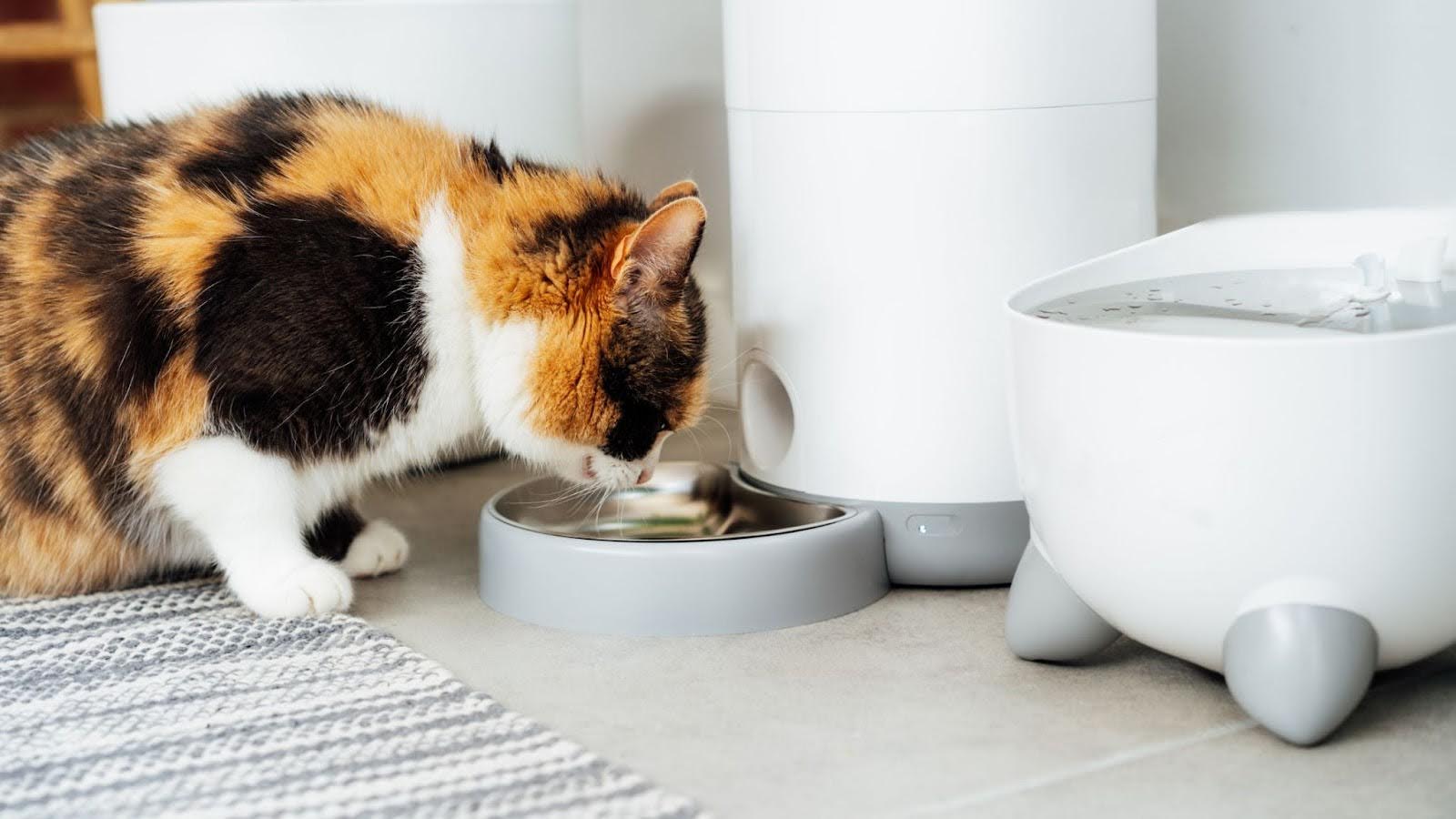
As smart homes evolve, pet care has become a technologically assisted experience. The link between people and pets has achieved a new level of technology integration. Pet parents are increasingly embracing technology that improves caregiving efficiency, insight, and emotional connection, rather than relying solely on intuition or routine.
Smart devices have become household staples. Automated feeders, real-time GPS trackers, water dispensers, and health monitors enable busy owners to keep track of their pets’ schedules and well-being while they are away. These systems provide seamless control via smartphones or voice assistants, allowing owners to feed their pets, track movement, monitor sleep, and observe behavior in real time.
This change has been especially beneficial for people who work remotely or have long office hours, allowing them to be emotionally and physically linked to their pets even from a distance.
The growth of the pet tech market is staggering. Based on a recent press announcement from one of the industry’s top smart device makers, the global pet technology market is expected to top $25 billion by 2027. The trend is being fueled not just by younger, technologically advanced pet owners but also by veterinarians who encourage these devices as part of an overall wellness plan. These technologies are no longer only for convenience; they are critical to preventive healthcare and emotional bonding.
What truly sets today’s gadgets apart is their intelligence. Many modern pet devices are integrated with simple analytics dashboards that help owners interpret behavioral patterns and detect early signs of illness.
For example, a smart collar might alert the owner if their dog’s activity levels drop suddenly or if their heart rate becomes irregular. Litter boxes for cats now come with sensors that monitor frequency and waste patterns, helping identify digestive or urinary issues early on. These insights, when shared with veterinarians, can drastically improve the accuracy of diagnoses and enable earlier intervention, saving money, stress, and potentially lives.
The growth in consumer demand has also caused more innovation in white label press release solutions, particularly for boutique pet companies that want to expand without creating their own hardware. Pet subscription businesses and online sellers are now launching their own branded technical gadgets—such as fitness wearables, automated treat dispensers, or calming devices—due to white-label alliances.
This approach allows smaller brands to stay competitive and offer value-added services without the high cost of R&D or manufacturing, while also creating a stronger bond with their customer base.
Some critics worried that automating pet care might reduce human interaction, but in reality, these devices have done the opposite. By simplifying tasks like feeding, tracking, and monitoring, they free up time and energy for owners to engage more meaningfully with their pets.
Two-way audio or treat-dispensing pet cameras enable separation anxiety alleviation for both owner and pet by enabling real-time communication during the day. Some devices are even AI-based, responding to the pet’s age, mood, or health status by modifying their play modes and routines.
Ultimately, the smart pet revolution is not about replacing love with algorithms. It’s about supporting love with innovation. As more homes become digital-first, it’s only natural that our pets become part of that ecosystem. The integration of pet tech into everyday life represents a beautiful intersection of care, convenience, and compassion.
It’s encouraging to see technology used to bridge species separation, particularly in a world where technology has led to greater species separation. Looking forward, the future of pet parenting is not just intelligent but filled with empathy to keep tails wagging and hearts full.