


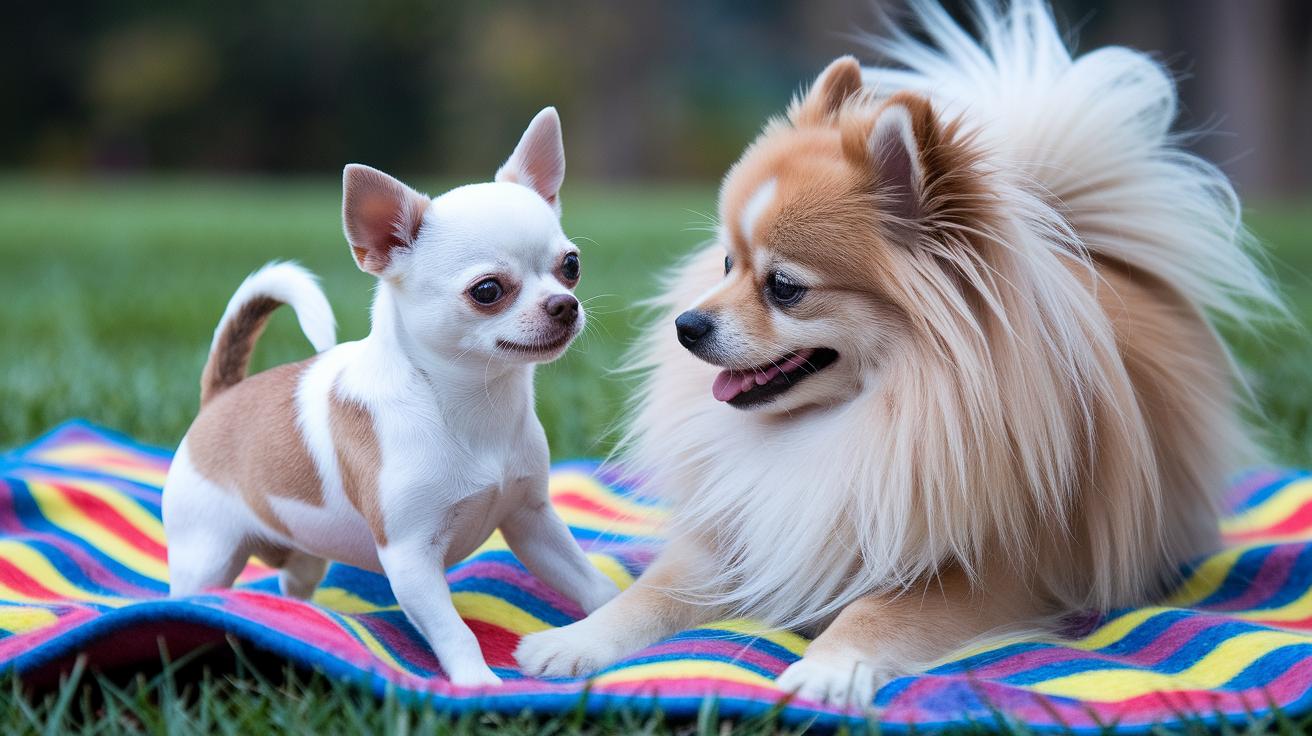
Have you ever thought about how a tiny dog can fill your home with big joy? These little pups show that even the smallest companions have huge hearts and playful energy. Imagine the feisty spark of a Chihuahua, the happy vibe of a Pomeranian turning every nook into a fun hideaway, or a Yorkshire Terrier offering snuggles after a long day. Whether you’re in a cozy apartment or a bustling home, these furry friends blend right in, brightening every moment with their charm. Get ready to see just how these small buddies can make your life delightfully cheerful.
3 smallest toy dog breeds: Cheerful Companions
Tiny dogs pack an incredible amount of personality into a little body. They’re perfect for someone living in a small apartment, a senior needing a loyal friend, or anyone who's always on the move. Their ability to adapt to any space means they bring a joyful spark wherever they go.
| Breed | Average Height | Ideal Living Situation |
|---|---|---|
| Chihuahua | 5–8 inches | Great for apartments & frequent travelers |
| Pomeranian | 5–8 inches | Ideal for seniors & small spaces |
| Yorkshire Terrier | 7–8 inches | Perfect for urban and compact homes |
Chihuahuas might be small, but their big heart and feisty spirit mean they make wonderful companions for those who are always on the go. Pomeranians, with their soft, fluffy coats and bright, lively eyes, can turn any cozy corner into a cheerful haven. And Yorkshire Terriers, just a touch taller, carry a mix of energy and affection that makes them shine in busy urban settings.
Imagine this: your little Chihuahua darting through the living room, a playful Pomeranian twirling in a sunlit nook, or a Yorkshire Terrier eagerly waiting by your side for a good cuddle after a long day. Each of these toy breeds mixes a compact size with a huge dose of love, adding a cheerful lift to any modern home.
Distinctive Traits of Petite Personalities in Smallest Toy Dog Breeds

These tiny furballs might be small in size, but they sure pack a delightful mix of cheeky playfulness and a surprisingly protective nature. Imagine sitting on the couch, and your little buddy senses you’re feeling a bit down. With a gentle nudge of his nose, he seems to say, “I’m here for you,” turning a quiet moment into a warm escape.
They pick up new tricks and commands in no time, almost like little bursts of energy saying, “Watch me do something cool!” Their eyes, so full of expression, seem to whisper that there’s so much more going on than just paying attention, they truly get you.
These pups can also be tiny protectors, watching over you like a little guardian. They love solving puzzles or playing interactive games, making each moment a mini adventure. And it’s the little gestures, a soft paw tap or a calming look, that show off their big hearts.
Think of these unique traits as little surprises that make you see how even the smallest dog can have a big personality and spirit.
Grooming Advice for the Smallest Toy Dog Breeds
Keeping your tiny buddy neat and comfy is the secret behind every joyful playtime and snuggle session. Even though these pups are small in size, they deserve extra care to keep their coat shiny and their heart full of cheer.
Start with a little daily brushing for breeds with long hair, like the Pomeranian and Maltese. This prevents knots and keeps their fur soft and tidy. Next, gently wipe their face and eyes to reduce tear stains and help those bright, soulful eyes sparkle. It's a simple step that makes a big difference.
Also, take a moment for a weekly ear check, especially if your pet is a breed like the Papillon that can be prone to infections. It’s a little inspection that can catch potential issues early on. And don’t forget a gentle, short brushing of their teeth every day; it’s a fun routine that fights plaque buildup in their tiny mouths.
Every 4 to 6 weeks, treat your playful pal to a refreshing bath. This not only cleanses their coat but also helps keep their skin healthy and comfortable.
Imagine the quiet moment as you softly brush your furry friend, a few strokes that feel like little acts of love. It’s these everyday routines that build a stronger bond and turn basic care into a celebration of your pet's happy life. Enjoy every little moment with your cherished companion!
Health Care Considerations for the Smallest Toy Dog Breeds

Caring for a tiny pup is a joy with its own set of unique challenges. These little furballs can sometimes run into problems like very low blood sugar (hypoglycemia), dental issues, wobbly knees (luxating patella), or even breathing troubles from a collapsed trachea. Knowing these risks lets you stay one step ahead with regular check-ups, kind of like giving your favorite little buddy a regular tune-up.
Taking your petite pal to the vet is super important. Most experts suggest a visit every 6 to 12 months. During these visits, the vet adjusts vaccinations just right for their size. Imagine it like this: even the smallest pup needs just as much care as a well-tuned sports car to keep running smoothly! Regular check-ups help spot potential issues early so you can tweak their care plan as needed.
There’s more to look out for, too. Preventative parasite treatments, think flea, tick, and heartworm prevention, play a big part in keeping your pup safe. Plus, following your vet’s advice on spaying or neutering not only helps with behavior but boosts long-term health. With extra love and the right care, many tiny breeds can enjoy a bright, energetic life for 12 to 16 years.
Every little step, from brushing their teeth to regular vet visits, makes sure your miniature friend stays as happy and lively as the day they wiggled their way into your life.
Effective Training Tips for the Smallest Toy Dog Breeds
Training your tiny toy dog is all about gentle care and fun moments together. Start by using lots of treats and cheerful praise – every time your little buddy follows a command, give them a tasty reward or a kind word. It really makes a difference, like when you share a secret smile with a friend over a cozy cup of coffee.
Keep your training sessions short and sweet. A few minutes here and there work best, so your pet stays interested and doesn’t feel overwhelmed. Sometimes just a couple of moments of focused interaction can brighten the day for both you and your pup.
Crate training is another handy trick. Think of the crate as your dog’s own little cozy den, a safe space to relax and feel secure. Not only does it help with housebreaking, but it also gives your pet a calm retreat when things feel a little noisy or stressful.
Socializing early is super important too. Gently introduce your mini companion to new people, other animals, and different places. These little adventures build confidence and help reduce any fear of unfamiliar faces. A few playful meet-ups here and there can really help them feel at home in the big world.
When it comes to playtime, a bit of supervision goes a long way. Small dogs can sometimes get hurt if play turns too rough. Keeping an extra watchful eye makes sure their fun stays safe and enjoyable.
| Step | Tip |
|---|---|
| 1 | Reward every good command with treats and praise. |
| 2 | Use crate training to offer a cozy spot and support housebreaking. |
| 3 | Introduce short, friendly social encounters with new faces. |
| 4 | Keep play sessions short and always supervised for safety. |
By practicing these little steps every day, you'll help your pet grow into a well-behaved and confident friend. Have you noticed how a little extra praise can brighten your pup’s day? It’s all about sharing those small, joyful moments that make pet parenting so special.
Choosing the Best Smallest Toy Dog Breed for Your Lifestyle

When you're thinking about bringing home a tiny dog, start by taking a good look at your daily routine and the space you have. Maybe you're more of a quiet homebody, in which case a laid-back friend like a Pekingese might be just the thing. On the other hand, if you're full of energy and enjoy a bit of play, a lively little Affenpinscher could be the perfect match for you. Even a small dog, believe it or not, needs its own little play area, whether that's a sunny spot in your apartment or a small patch of yard to explore.
Next, think about grooming. Some small breeds have long, flowing coats that need regular brushing to keep them neat, while others with short hair are much easier to care for. Picture this: a cozy morning spent gently brushing your long-haired buddy, which can feel like a special bonding moment, or a quick once-over for your short-haired pal to keep them fresh every day.
And don’t forget about travel. Many toy breeds are just the right size to snuggle up in a pet carrier, making them great companions for trips by car or plane. So, whether you're planning a weekend getaway or an everyday adventure, matching your lifestyle with your pet's energy, grooming needs, and travel friendliness can help you find the perfect tiny companion to brighten your life.
Take a little time to reflect on what you really need. The right pet might be just waiting to share simple moments of joy with you every single day.
Final Words
In the action, this blog post explored a quick guide to caring for tiny, lovable pups. We touched on size comparisons, unique temperaments, grooming routines, and health needs for these endearing breeds. Quick training tips and guidance on matching a pup’s personality with your lifestyle rounded out practical advice. Each section offered straightforward, relatable insights to help you keep your pet happy and well cared for. Embrace these tips and enjoy quality moments with your favorite smallest toy dog breeds.
FAQ
Q: What are the top 10 smallest toy dog breeds?
A: The top 10 smallest toy dog breeds include Chihuahua, Pomeranian, Pekingese, Yorkshire Terrier, Brussels Griffon, Maltese, Papillon, Russian Toy, Japanese Chin, and Affenpinscher. They excel in compact living spaces and offer friendly temperaments.
Q: What is a micro mini dog?
A: A micro mini dog is a term for dogs bred to stay extremely small. These breeds are specially managed to remain petite, making them popular for those who prefer the tiniest canine companions.
Q: What small dog breeds truly stay small?
A: Small breeds that truly stay small, like many teacup varieties and other tiny breeds, are bred to maintain a compact size throughout their life. They adapt well to apartment living and easier handling.
Q: Are there hypoallergenic options among the smallest toy dog breeds?
A: Yes, some of the smallest toy dog breeds, such as certain Maltese or poodle mixes, are known for their allergy-friendly coats, making them a great choice for pet parents with sensitivities.
Q: What makes cute small dog breeds popular?
A: Cute small dog breeds win hearts with their charming looks, playful personalities, and easy care. Their petite size suits many living situations and their affectionate nature brings joy to families.
Q: What are teacup dog breeds?
A: Teacup dog breeds refer to ultra-small versions of toy breeds purposely bred to remain tiny. They are ideal for small homes but need extra careful handling due to their delicate frames.
Q: How do medium dog breeds compare to small ones?
A: Medium dog breeds require a bit more space and exercise than small breeds, although they often share friendly temperaments. They suit families looking for a slightly larger pet with similar charm.
Q: Is there really a 300 lb dog?
A: A 300 lb dog is extremely rare. Most giant breeds like the English Mastiff or Saint Bernard typically weigh far less, and reaching 300 lbs is highly unusual without potential health concerns.