



Have you ever thought that a tiny dog could have such a big personality? Let me introduce you to the Scotie, a charming little friend with just the right touch of independence. Born in the sweeping Scottish valleys, these pups once helped keep unwanted critters at bay and even kept watch over families during quiet evenings.
Now, the Scotie brings a playful spark teamed with true loyalty that can brighten up any room. In this chat, we’ll dive into why this spirited breed continues to win hearts, always ready to fill your day with warmth and a bit of delightful fun.
scottie dog breed: Charming, Loyal Furry Friend
The Scotie, as many pet lovers call the Scottish Terrier, brings a slice of Scotland’s wild highlands right into your heart. Originally helped by its keen instincts to chase away pesky critters, this little dog quickly became known for being a loyal buddy with a hint of independence. Out of the many Scottish breeds, the Scotie captures hearts with its mix of cuteness and determination.
These dogs are small yet sturdy, standing about 10 inches tall and weighing between 19 to 22 pounds, and they usually stick around for 11 to 13 years. Imagine a pet with the strength of a little tank and the playful spark of a mischievous friend! Their compact size and energetic personality make them a great choice for homes where space might be limited.
- Low-set, strong body
- Dense, wiry double coat
- An independent spirit that loves its freedom
- A keen desire to chase things, thanks to a strong prey drive
- A coat that sheds slowly, which means less fur on your favorite chair
For pet parents who love keeping busy with their furry friend, the Scotie brings endless joy and mental fun. They offer just the right blend of loving companionship and a sassy streak that makes every day feel like a cozy chat with an old friend at your favorite coffee shop.
Historical Background of the Scotie Dog Breed
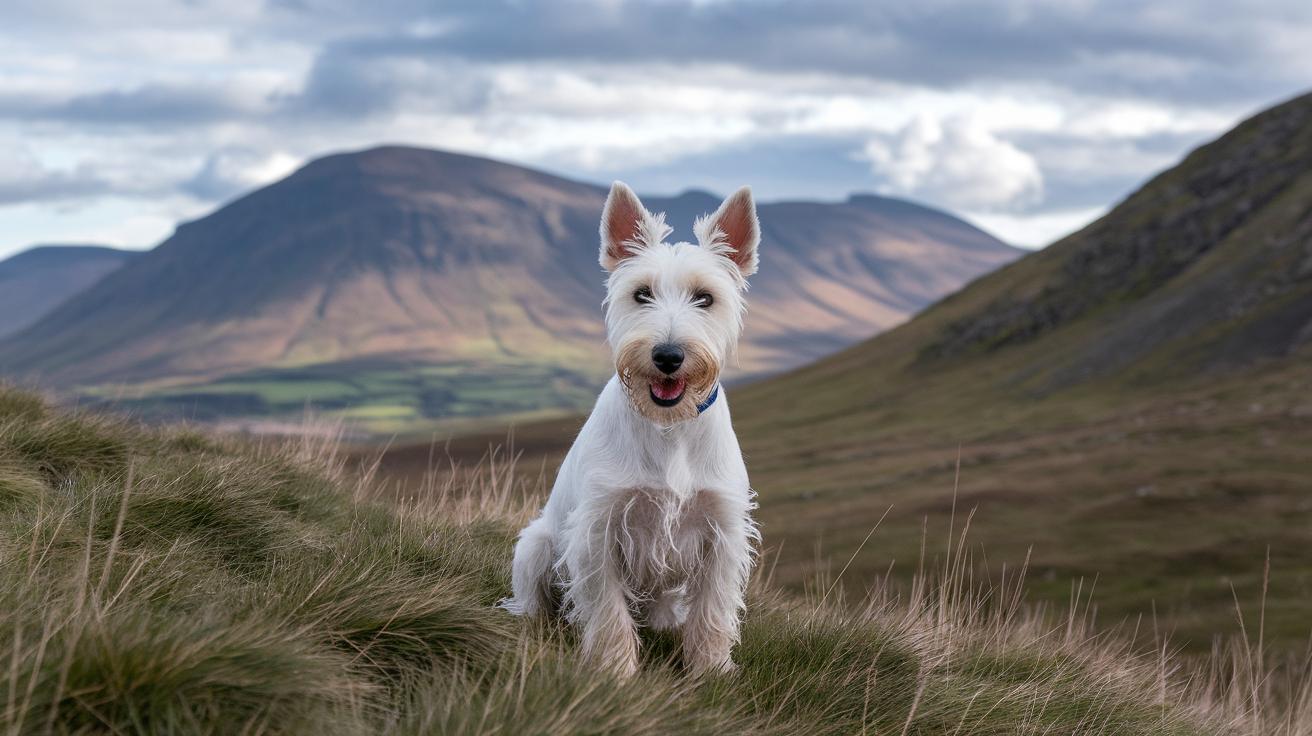
Back in the rugged Scottish Highlands of the 15th century, these early terriers worked hard to keep homes free from pesky rodents and other unwelcome visitors. They were brave little critters, always on the lookout, helping families keep their food stores safe and their homes peaceful.
As time went on, these once tireless vermin hunters became beloved members of the family. By the 19th century, when life started shifting from the countryside to town living, the Scotie’s lively and confident spirit stole many hearts. Their small, nimble frames and daring attitude made them not only excellent at dealing with pests but also perfect companions for those looking for a bit of independence and charm in a dog.
| Period | Event |
|---|---|
| 15th Century | Highland vermin control |
| Late 1800s | Standardization in Scotland |
| 1885 | AKC recognition |
Then, in 1885, everything changed when the breed's standards were set in stone and the Scotie earned official recognition from the AKC. This was a big moment that celebrated all the special qualities that had developed over the centuries, ensuring they would be cherished for generations to come.
Distinctive Physical Features of the Scotie Dog Breed
The Scotie shows off a strong, broad head and small, almond-shaped eyes that sparkle with alertness and warmth. Its head looks determined and smart, making it easy for pet parents to spot little changes like signs of discomfort or excitement during playtime.
Built on a compact, muscular frame, the Scotie stands about 10 inches tall at the shoulder. Its short, strong legs support a sturdy body made for quick bursts and playful sprints. This balanced build means it can handle fun exercises and runs without breaking a sweat.
The coat is a real standout. A rough, wiry outer layer paired with a soft undercoat keeps the Scotie comfy in all kinds of weather. You might see colors like black, brindle, wheaten, and blue, which makes each Scotie uniquely charming. And the best part? Its low-shedding coat makes grooming a breeze for busy pet parents.
Temperament Traits and Behavior of the Scotie Dog Breed

The Scotie is a confident little buddy whose lively personality shines in every moment. Its calm, yet alert presence makes everyone feel safe, as if it's quietly saying, "Don't worry, I've got this." Whether it's a quiet cuddle or a burst of playful energy, this dog is there, loyal and ready to make every moment special.
This cheerful companion is full of surprises, too. One minute, it might be lounging around, and the next, it's dashing across the yard with a playful sprint. Its spirited nature sometimes means it takes charge during play, as if it's the boss of fun. Every sound catches its attention, turning any quiet moment into a mini adventure.
Starting early with social outings is a big help for a Scotie puppy. Introduce your little friend to new people, gentle pets, and different places bit by bit. Short, happy sessions build trust and brighten its personality, helping your pup grow into a warm and friendly companion.
Grooming and Maintenance Tips for the Scotie Dog Breed
Scoties have a thick, wiry coat that sheds at its own pace, so you’ll need to brush them regularly and give their fur some extra care. Their unique coat needs special tools like slicker brushes, combs, and even a clipper set made just for double-coated dogs. Keeping up with their grooming not only makes them look neat but also helps keep stray hairs off your furniture.
Here are some easy tips:
If you love your Scotie and want to keep that classic look, it might be a good idea to get a professional groomer on board every couple of months. A pro can help manage the coat’s texture and make sure everything stays neat. They can even suggest the right grooming collar, like those recommended in trusted guides, to help your pup feel comfy during a trim. Regular grooming every 6–8 weeks strikes a nice balance between natural shedding and a smart, tidy style, keeping your Scotie both healthy and chic.
Common Health Concerns and Screenings for the Scotie Dog Breed
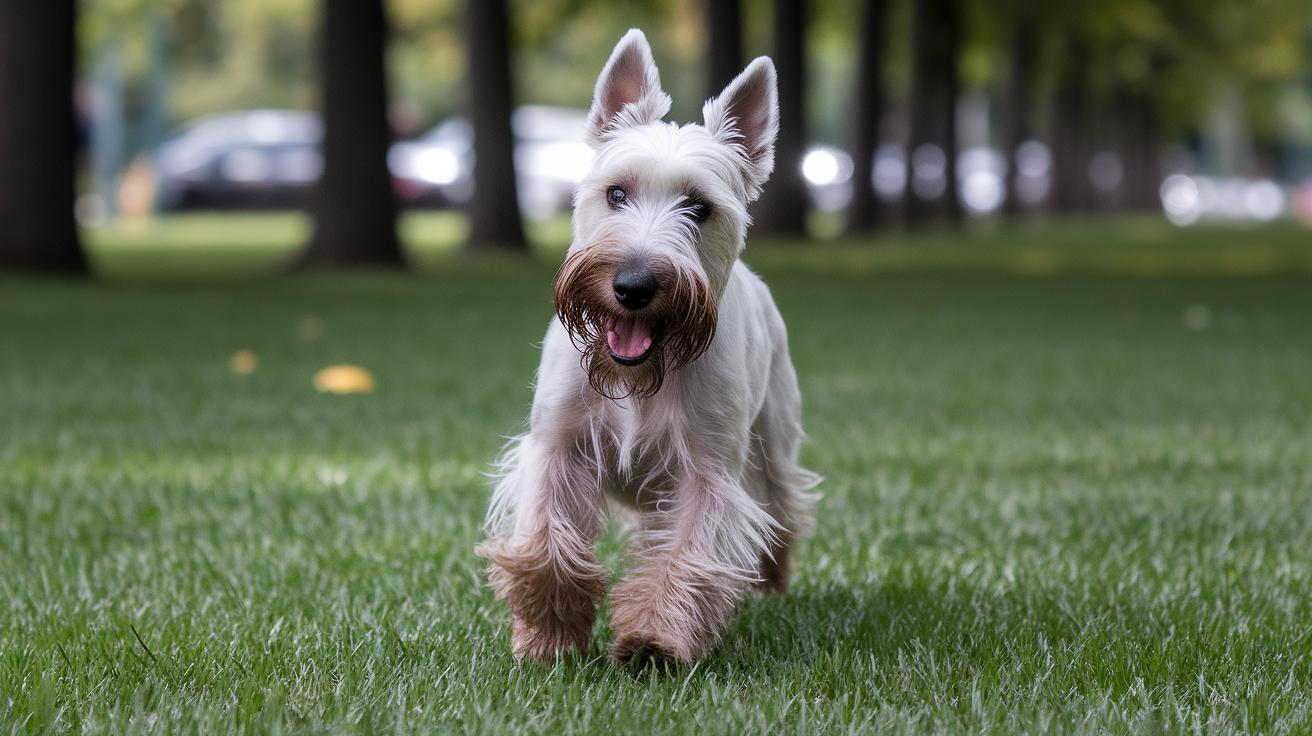
Scoties are a sturdy bunch, but like all our furry friends, they can sometimes have a few health hiccups. Most Scoties live a joyful life of about 11 to 13 years, and a little extra care can help make sure they keep wagging their tails. Regular vet checkups and screenings can catch small issues before they grow big, letting you spend more happy moments with your buddy.
| Health Issue | Screening Method | Prevalence |
|---|---|---|
| Von Willebrand’s disease | Blood test | Moderate |
| Cryptorchidism | Physical exam | Low |
| Cardiomyopathy | Cardiac ultrasound | Rare |
| Cystinuria | Urine amino acid analysis | Low |
Thinking ahead, many Scotie lovers choose genetic testing panels to spot any potential concerns early. Pairing these tests with biannual vet visits can help tailor a care plan just for your Scotie. It’s a simple routine that lets you enjoy many cheerful years with your loyal, loving companion.
Obedience Training Strategies for the Scotie Dog Breed
Teaching your lively Scotie can be a real joy when you mix in plenty of positive reinforcement. Picture this: a short, upbeat session where you reward even the tiniest bit of success with a tasty treat and the cheerful click of a clicker. When your pup sits on command, offer a quick bite and a kind word, it’s like saying, "Great job, buddy!" This gentle method builds trust and makes every step of learning feel like a fun game.
Next, it’s all about introducing those key commands like sit, stay, come, and even loose-leash walking. Enrolling in puppy or advanced obedience classes lets your Scotie learn at his own pace in a friendly, social setting. These classes not only sharpen your pet’s ability to follow commands but also let him mingle with other dogs, boosting his confidence. With each new trick mastered, your Scotie becomes an even more delightful member of your family, turning training time into a heartwarming adventure.
Exercise and Activity Requirements for the Scotie Dog Breed

Taking your Scotie out for a daily walk is essential to keep them cheerful and fit. Try to enjoy a brisk 30–45-minute stroll where your little buddy can sniff around, take in the fresh air, and get some much-needed exercise. These walks not only help burn off their energy but also strengthen their tiny legs. And when you're in a secure, fenced area, let your Scotie have some fun off-leash. It’s a great way for them to run free, explore their world, and act on their natural curiosity.
When the weather isn’t ideal for those longer walks, indoor fun can be just as effective. Setting up games like puzzle toys, scent hunts, or even a mini agility course can keep your Scotie's mind sharp and body busy. Try playing a game of hide-and-seek with treats, it’s a delightful way to combine exercise with mental challenges and ensures your furry friend stays happy, healthy, and entertained.
Nutritional Guidelines for the Scotie Dog Breed
Just like we change as we grow, our Scotie dog needs different amounts of calories at different stages of life. When they’re puppies, they need extra energy to help them grow big and strong. Adult Scoties enjoy a steady supply of calories to keep them active and playful, while older pals do better with a bit less to help maintain a healthy weight. A good meal plan usually includes about 20–25% protein to strengthen and repair muscles, paired with 10–15% fats to give enough energy without adding extra pounds. It’s all about keeping your furry friend happy and in tip-top shape.
Feeding your Scotie two meals a day can be a smart idea. This routine helps manage hunger and keeps their metabolism steady. It’s important to measure each portion based on your dog’s age, level of activity, and weight goals so they’re never overeating. As your pet’s needs change over time, a few adjustments might be needed to keep everything balanced.
Sometimes, a little extra boost can make all the difference. Adding supplements like glucosamine for joint health or omega-3 for a shiny, healthy coat can provide that extra support your Scotie needs. These small touches help keep your buddy feeling energetic and ready for new adventures.
Family Compatibility and Lifestyle Fit of the Scotie Dog Breed
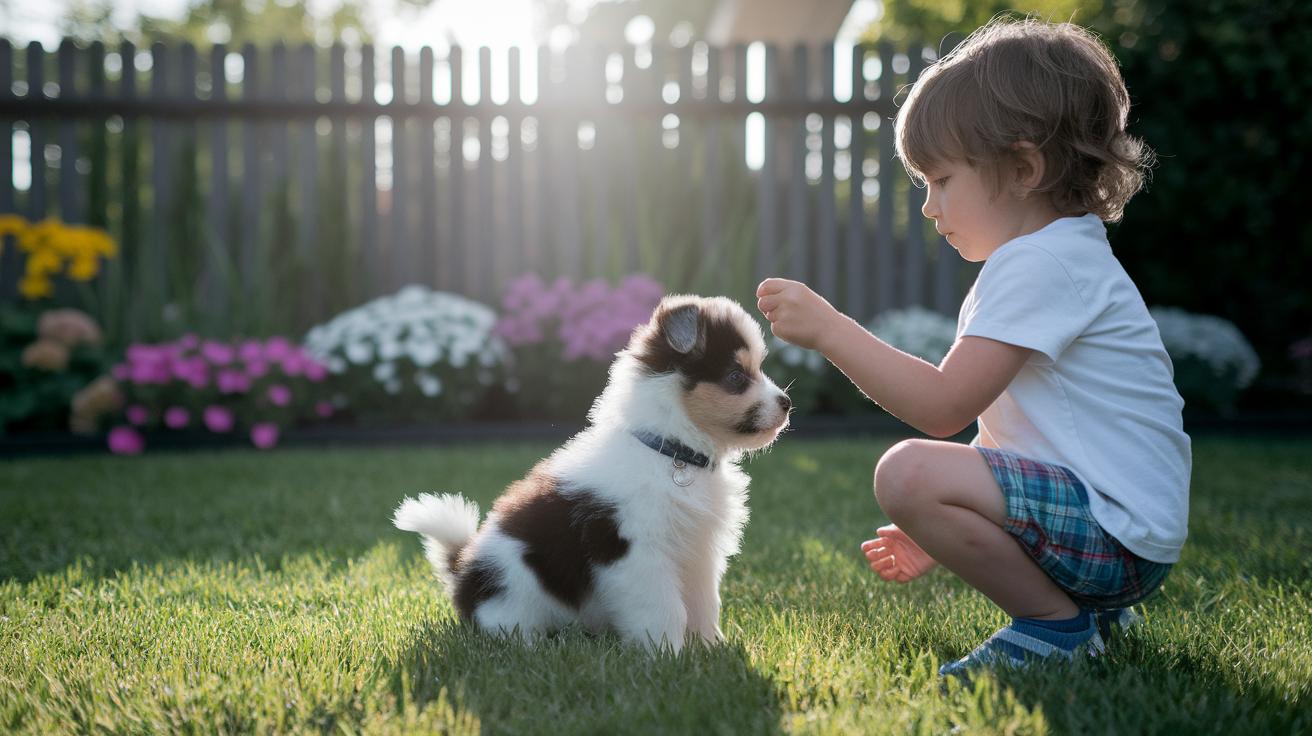
Scoties are wonderful family buddies who shine when given a little extra care from the start. When a Scotie meets kids and other pets with gentle guidance, it quickly learns the art of being a loving companion. Picture a sunny afternoon where a child teaches a pup simple commands, or a short game of fetch fills the air with contagious laughter, these are the moments that bring magic into a home.
Introducing a Scotie to other pets early on makes all the difference. Imagine a playful kitten’s tiny squeal and a curious Scotie responding with a soft, careful snuffle. That gentle curiosity helps create a warm, friendly atmosphere where every member of the family feels welcome.
Scoties are also great for different living spaces. Their compact size makes them a perfect match for city apartments, yet they still relish a daily dose of exercise and fun. A brisk walk around the neighborhood, a quick play session in the backyard, or even a few quiet moments together can make all the difference. In truth, these simple routines offer the perfect balance for both their energetic and independent sides.
Buyer’s Guide and Locating Reputable Scotie Dog Breed Breeders
Have you ever dreamed of bringing a Scotie puppy into your life? These charming little companions usually cost between $1,500 and $3,000. That price tag reflects not only their adorable traits but also the careful, thoughtful work breeders do to ensure these puppies get a great start, often, paying a bit more means extra care is given to their health and living environment.
When you’re on the hunt for a trustworthy breeder, start by asking plenty of questions. Check if they have clear health records, like vaccination updates and genetic tests (tests that help spot any hidden health issues). I always make sure to see a written pedigree and ask if there’s any family history of health concerns. A visit to the breeder’s facility is a wonderful way to see how the pups are cared for firsthand. A good breeder will welcome you to check out where the puppies are raised and honestly share their breeding practices.
And remember, if you’d like to give a loving home to a Scotie in need, rescue organizations and local shelters can be fantastic options. Many pups are waiting for a caring owner just like you, ready to fill your life with joy.
Registration and Breed Standards for the Scotie Dog Breed

When you're ready to register your Scotie with the AKC, start by gathering all the important paperwork. You’ll need proof of lineage, your pup’s vet records, and a completed application form. Usually, a microchip is also required so that your furry friend can be officially identified. It’s kind of like checking items off a to-do list, making sure every detail is in place for your loyal companion.
Scoties are known for their charming traits that make them stand out. They typically sport a height of about 10 inches at the shoulder, paired with a thick, wiry coat and a determined look. Their smooth and confident stride reflects their agility and energy. In the show ring, a well-cared-for Scotie will impress with a shiny coat, balanced weight, and a calm demeanor. This isn’t just about meeting the set standards, it also shows the loving care and regular exercise that keeps your pup looking and feeling its best.
Final Words
In the action, we explored the scottie dog breed in all its aspects, from a brief history and distinct physical features to lively temperament and reliable care routines. We touched on grooming tips, workout routines, nutritional guidelines, and even buyer advice. Every section offered practical insights into maintaining a happy, healthy pet. This guide gives you a clear snapshot of the breed’s characteristics and vibrant personality. Keep these tips close and enjoy every moment with your furry friend!