

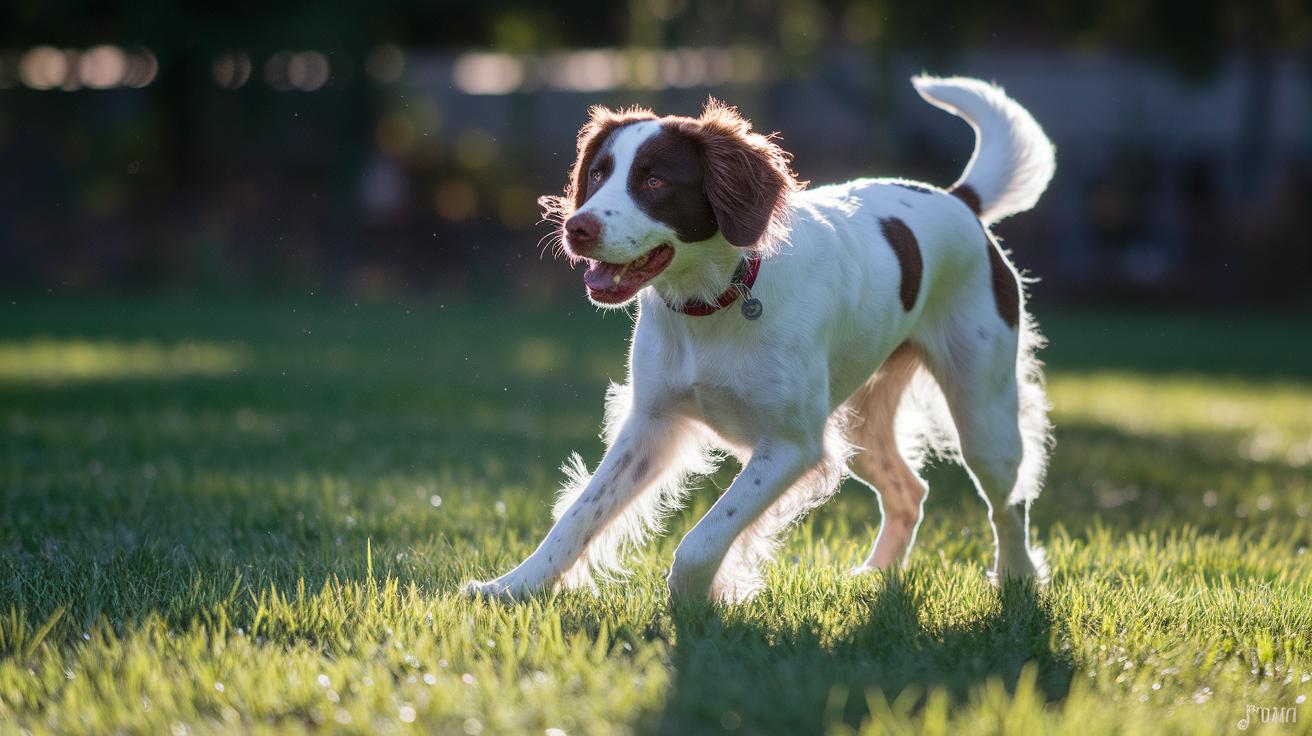
Have you ever seen a pup that’s as quick on its feet in the field as it is ready to snuggle on the couch? Meet the Pudelpointer, a blend of a pointer’s agility and a poodle’s clever charm. This dog is a real mix of adventure and affection.
Passionate breeders brought this medium-sized friend to life years ago. Whether it’s bounding happily outdoors or sharing quiet, cozy moments indoors, its lively leaps and soft, inviting eyes tell a story all on their own. Imagine a day spent in the sunshine with your buddy wagging its tail, or a quiet evening where its gentle warmth fills the room. It’s a companion that might just make you fall in love at first sight.
Pudelpointer Dog Breed Overview and History
Back in the mid-1800s, clever breeders set out to create a dog that mixed the best from two trusted breeds. Around 1825, German hunting poodles were crossed with English pointers in a careful plan that took about 30 years. Imagine a playful, smart hunting buddy coming to life! The result was a medium-sized dog known for its friendly, curious, and social nature.
In 1956, Bodo Winterhelt brought this breed to the United States, and it quickly won over both sharp-eyed hunters and family pet lovers. Breeding these dogs has always been a serious effort, with strict performance tests to prove they excel both in the field and at home. Whether you’re sneaking around in a duck blind or enjoying a sunny picnic, the Pudelpointer’s nimble agility, eager obedience, and natural pointing skills truly stand out.
Today, three international associations, in Austria, France, and North America, ensure that every new Pudelpointer stays true to its rich roots and impressive talents. Thanks to their rigorous standards, this remarkable hunting companion continues to charm its owners with a blend of discipline, warmth, and a deep, enduring bond.
Pudelpointer Dog: Lively and Endearing Companion

Pudelpointers are truly a joy to have around. They have a medium build that mixes quick movements with sturdy strength, making them just as happy playing outside as they are cuddling at home. Their coat is wire-haired, it's coarse, hard, and lies flat, kind of like nature’s own raincoat that protects them in tough weather. Typically, their topcoat is about 4 to 6 centimeters thick, so they’re built to handle long days outdoors. And, with their full facial furnishings, these dogs wear a look that’s both friendly and unique, whether you’re taking a brisk walk or tossing a ball for a fun game of fetch.
Every pudelpointer has its own flair, too. Even in one litter, some might have smoother coats and others woolly ones, which adds to their charm. Plus, they shed very little, making them a great choice for families who worry about allergies. All in all, their mix of strong, protective traits and easygoing grooming needs makes them a perfect companion for anyone looking for a dependable, playful friend.
| Coat Type | Texture | Topcoat Thickness (cm) | Frequency |
|---|---|---|---|
| Wire-haired | Coarse, hard, flat-lying | 4-6 | Common |
| Smooth | Sleek and even | Varies | Less common |
| Woolly | Soft and fluffy | Varies | Least common |
Pudelpointer Dog Temperament and Behavior
Pudelpointers are naturally eager to please and love building a strong bond with their owners. They’re curious, friendly, and enjoy meeting new people and pets, making them a true hit with families. Picture coming home to a gentle nudge and a cheerful wagging tail, it's like your very own little welcome committee. Their ease with socializing makes them a delight in any household.
At home, these dogs love to show off their playful, even a bit goofy side, which makes everyone smile. They know just when to be energetic and when to settle down for some quiet cuddle time on the couch. Early socialization is key; getting them used to kids and other animals helps them grow into well-mannered pals. Imagine a pudelpointer confidently greeting a new puppy at the park, it's a small, heartwarming moment that shows off their excellent social skills.
Mixing in different settings and friendly faces is great for boosting your pup's confidence. Even simple outings, like a short visit to a pet-friendly café or a fun playdate, can really nurture their naturally cooperative spirit.
Training and Exercise Needs for the Pudelpointer Dog

Pudelpointers are happy to learn and love making you proud in training sessions. They naturally like to point and back you up, especially when you shower them with tasty treats and genuine praise. For instance, try pairing friendly hand signals with a yummy reward, and you'll see their confidence bloom. If you decide to use a collar buzzer for recall, a range of 100 to 150 yards works great to build a strong, reliable call while keeping your dog focused during both play and work. Short, playful sessions mix training and fun, helping your pup stay engaged and cheerful.
Obedience Training
Keep your training routine warm and simple. Every time your dog obeys a command, reward it with a little treat or a loving pat on the head. Start off with easy commands and slowly introduce small distractions, this way, your furry friend learns to concentrate even when there’s a lot happening around. Mix hand signals with your regular verbal commands; it’s like creating your own secret language that your pet enjoys learning. Sometimes, using a collar buzzer can help reinforce those commands, making the sessions both effective and fun.
Field and Agility Training
Take your pup outside for some lively field drills that let their natural instincts shine. Set up a simple agility course with little jumps, weaves, and even a small tunnel, just like a mini adventure course! Start with basic obstacles and add more as your pet gains confidence. These outdoor sessions are not only a great way to burn off energy but also help your pudelpointer sharpen its hunting and retrieving skills in a fun and playful environment.
Health Considerations and Grooming for the Pudelpointer Dog
Make sure your pudelpointer gets regular vet check-ups to catch any issues before they become big problems. Even though this breed hasn’t shown many specific health concerns, simple genetic tests can help spot any family traits that might cause trouble later. A short visit to the vet can keep your pup lively and playful.
Keeping your pup looking its best is just as important as keeping them healthy. Their rugged, low-shedding coat needs a good combing to sweep away dirt and any stray bits, and a little trim around the face now and then. These grooming sessions aren’t just about looking neat, they’re great times to check for any bumps or signs of skin irritation too.
In general, a well-cared-for pudelpointer can enjoy 12 to 14 happy years. Scheduling annual genetic tests and regular wellness exams helps catch any small changes early on. Plus, sticking to a regular grooming routine works hand in hand with these check-ups to keep your dog comfy and full of energy. By keeping an eye on your furry friend during grooming, you might even spot little warning signs that mean a trip to the vet could be a good idea. With this attentive care, your pudelpointer will thrive and share countless joyful moments with you.
Pudelpointer Dog as a Versatile Hunting Companion

Pudelpointers are adored by many pet lovers for their remarkable ability to point, all while naturally backing you up during a hunt. They keep an eye on both trail and sight, even giving a little bark or vocal cue to let you know when they've spotted something. In trials from Germany to North America, they’ve shown they can handle long, challenging hunts, think six-hour duck hunts in 36°F rain and wind, by staying focused and disciplined no matter what nature throws their way.
These friendly dogs aren’t just skilled at sniffing out game; they also shine as gun dogs. They mix their natural hunting instincts with all the right techniques to retrieve game on land and in water. Sure, some might occasionally show a hard-mouth trait, but overall their reliability really sets them apart. Their calm vibe in hunting blinds and spot-on reactions in the field explain why so many seasoned hunters trust them as a true companion. Truly, a pudelpointer is a treasured partner on almost every hunt.
| Hunting Feature | Detail |
|---|---|
| Precise Pointing and Natural Backing | They instinctively point and support you during the hunt. |
| Land Game Retrieval | Skilled at fetching game on solid ground. |
| Waterfowl Retrieval | Excels at recovering waterfowl from water bodies. |
| Tracking Wounded Game | Follows trails and sight cues to track down injured game. |
| Steady in Hunting Blinds | Maintains a calm and focused presence while waiting. |
Pudelpointer Dog Breed Comparisons with Similar Pointing Dogs
Pudelpointers are known for their calm and collected nature in the hunting blind. Unlike the more energetic German Shorthaired Pointers, they sit patiently, their eyes focused and ready. You can count on them during those long, quiet field sessions.
In American lines, you’ll notice pudelpointers holding their head and tail a bit higher when they point. This gives them a lively and alert look that works really well for fast-paced action. Over in European lines, they stay level and steady, a sign of careful training and precision.
Wirehaired Pointing Griffons, with their bouncy, curlier coats, usually like to stick close to their handler. This not only makes them look unique but it also shapes how they work out in the field. While these Griffons like to be near their human friend, pudelpointers are built to cover more ground with ease. They can quickly switch from sitting calmly to tracking actively.
These differences in looks and work style help owners decide which breed fits best with their lifestyle. Whether you're spending hours in the field or enjoying everyday companionship, each breed has its own special strengths that make them a delight for hunters and families alike.
Pudelpointer Dog Acquisition: Breeders, Pricing, and Adoption

Looking for a pudelpointer can feel like embarking on a fun adventure, even if it comes with a few challenges. There aren’t many established kennels in the U.S., so you might have to roll up your sleeves and do a little extra homework. Prices for these lively pups change depending on their family tree, training background, and overall health. Since the breed first made its debut in 1956 thanks to Bodo Winterhelt, breeders follow strict rules overseen by three different associations. With cost details often on the move, it’s a smart idea to get a solid grasp of the pricing and check out each pup's performance history before you decide.
Finding Reputable Breeders
When you set out to find a good breeder, look for someone who’s totally upfront about their credentials. It’s a great idea to ask for detailed performance test results and see if they belong to well-known associations like the AKC. This tells you that the breeder takes real care in raising healthy, happy pups. Trustworthy breeders love to share a bit about their process, giving you that warm reassurance that your future furry friend is in the best hands.
Adoption and Rescue Options
Adopting a pudelpointer can be a heartwarming choice, too. There are rescue organizations out there that specialize in these dogs, even if rescue spots are a bit rarer than buying from a kennel. These dedicated groups can connect you with shelters and guide you through the process, plus the adoption fees usually come with a friendly price tag. They’ll also share key background info about the dog, so you can be really confident about welcoming your new friend home.
Final Words
In the action, this article took you through the essentials of caring for a pudelpointer dog. We explored its historical roots, unique physical traits, friendly temperament, and keen hunting abilities. Small tips on training, grooming, and comparing similar breeds were also shared, along with advice on finding reputable breeders or rescue options.
Thanks for reading. May every moment with your pet bring joy and a deeper understanding of all the special qualities that make a pudelpointer dog truly remarkable.
FAQ
Where can I find Pudelpointer puppies and what is their cost?
The inquiry about Pudelpointer puppies and cost shows that reputable breeders list them for sale with documented AKC status. Prices vary based on lineage, location, and breeder reputation, so careful research is advised.
What is the temperament of a Pudelpointer and are they good family dogs?
The question about temperament reveals that Pudelpointers are friendly, social, and playful. They bond well with families when properly introduced to children and other pets, making them excellent companions.
What are the coat characteristics of a Pudelpointer including shedding, hypoallergenic traits, and color variations like black?
The query about coat traits indicates Pudelpointers have coarse, low-shedding coats that are often hypoallergenic. They come in various colors, including black, suiting diverse pet owner needs.
What are the problems with Pudelpointers?
The question on potential issues shows that Pudelpointers may display stubbornness without early, consistent training. Regular exercise and socialization help maintain their balanced, cooperative behavior.
What breeds make up a Pudelpointer?
The inquiry regarding breed composition explains that Pudelpointers are a mix of German hunting Poodles and English Pointers, combining the best traits from both breeds for hunting skills and companionship.
What does Pudelpointer AKC status mean?
The question about AKC status means the breed is recognized by the American Kennel Club. This recognition ensures that established breeding standards and performance tests maintain the breed’s quality.