


Have you ever thought that a quick check-up might be the secret to keeping your pet’s twinkle alive? Regular visits to the vet are like a tune-up for your furry friend, catching little hints of trouble before they grow into bigger issues.
Our guide shares simple, smart tips to help your pet feel their best. From routine physical exams to watching their weight and nutrition, we’re here to offer friendly, down-to-earth advice.
Stick with us, and you'll see how a few mindful steps today can help create a healthier, happier tomorrow for your beloved companion.
Ensuring Regular Veterinary Check-Ups in Preventive Pet Wellness Care
Taking your furry friend to the vet every six to twelve months is like giving them a gentle tune-up. It’s a warm, caring way to catch little changes, maybe a slight shift in weight or a tiny change in behavior, that might need a bit of extra attention before turning into a bigger issue. I always like to think of it as a friendly check-in that keeps your pet feeling their best, now and as they grow older.
Next, let’s take a look at a few key parts of a routine visit:
| Check-Up Item | Description |
|---|---|
| Physical exam | A full look-over to spot early signs of any illness |
| Weight assessment | Measuring your pet’s weight to keep them at a healthy balance |
| Dietary review | Chatting about their food habits to help prevent obesity |
| Lab testing | Simple blood tests that can catch hidden health issues |
| Vaccination review | Ensuring all shots are up-to-date so they’re protected |
Having this routine creates a clear health map for your pet, helping you and your vet spot any new twists in their well-being. Plus, it builds a loving, trust-filled partnership where every visit is a step toward a healthier, happier life with your best buddy.
Strategic Vaccination and Immunization Timelines for Preventive Pet Health

Vaccines are a must-have for keeping our furry friends happy and safe. They help build a strong immune system that fights off nasty germs and dangerous diseases, like rabies. Think of each shot as a little shield, making sure your pet can romp around without worry.
When you’re setting up a vaccination plan for your pet, it helps to tailor the schedule to fit their unique lifestyle. Core vaccines are essential for all pets, protecting against illnesses that can be really harmful. Then there are lifestyle vaccines that depend on your pet’s daily adventures. For instance, if your dog loves spending time outside chasing butterflies, they might need a few extra boosters. On the flip side, if your kitty mostly enjoys cozy indoor naps, the schedule might be simpler. A fun tip: jot down all the vaccine dates in your calendar or diary, just like noting down your pet’s meal times, to never miss a beat.
Keeping track of every immunization is super important, too. This little record not only helps remind you when it’s time for the next booster but also builds up a reliable shield of protection as your pet grows. And remember, regular check-ins with your vet will help fine-tune the plan, making sure your best buddy stays safe and sound.
Comprehensive Parasite Control Methods in Preventive Pet Wellness Care
Parasites can really mess with our furry friends, causing uncomfortable itchiness, skin problems, and sometimes even more serious health issues. For example, little fleas might set off allergic reactions, while ticks can pass on infections that affect your pet's overall health. In warm, moist places, these pesky critters are active all year long, so it’s super important to stay on top of prevention.
| Parasite | Prevention Method |
|---|---|
| Fleas | Topical medications and oral chews |
| Ticks | Preventive collars and topical treatments |
| Heartworms | Monthly oral chews and injections |
| Intestinal Worms | Deworming procedures and oral medications |
Mixing up and choosing the best parasite control products is crucial for keeping your pet safe and happy. Sometimes, a particular pet might do better with a chew rather than wearing a collar. I always say, have a quick chat with your veterinarian to figure out which options work best for your pet’s unique needs and your local climate. Staying on top of regular check-ups and product rotations can keep those pesky invaders at bay, ensuring your pet stays playful, healthy, and comfy all year long.
Nutrition Advice and Balanced Diet Planning for Preventive Pet Care

Choosing the right pet food is like laying the first brick in building a happy, healthy life for your furry buddy. When you’re checking out commercial pet foods, look for mixes rich in nutrients that match your pet’s age, breed, and energy level. You know how you’d want whole chicken or real veggies listed first on your plate? It’s the same idea here, good food means plenty of proteins, vitamins, and minerals to keep your pet bouncing with energy. Imagine comparing two bags of pet food: one starts with whole chicken and the other is crammed with fillers. Which would you choose? The one with whole chicken, of course, it’s packed with the goodness your pet truly deserves.
Another key tip is to watch the portion sizes to keep your pet at a healthy weight. Using a measuring cup or scale to give the right amount, just like following a recipe, can help avoid any extra pounds that might lead to health problems later. And if you notice your pet’s weight changing unexpectedly, it might be time to tweak their diet a bit. A little trick? Try swapping those high-calorie treats for lower-calorie ones, so your pet still feels special without upsetting their healthy balance.
Sometimes, your pet might have special needs, like extra joint support or allergies, that call for a few extra ingredients in their meal plan. In these cases, adding nutritional supplements or opting for a specialty diet can be really helpful. Just make sure to chat with your veterinarian first, ensuring you’re making the best choice for your furry friend's unique needs.
Maintaining Oral Hygiene and Dental Cleaning Protocols for Pets
Taking care of your pet’s teeth is a caring way to show love. When their teeth and gums are healthy, it not only keeps them smiling but also supports their heart and kidney health. Mealtimes become more enjoyable for your furry friend when they aren’t in discomfort.
Brushing their teeth every day with pet-safe toothpaste is a simple yet powerful routine. I like to use gentle, circular motions on each tooth, imagine softly massaging away any worries. Daily dental chews work like little helpers that scrape off buildup and freshen their breath. And a quick reminder: don’t skip that annual vet check-up. These visits help catch any dental issues early on and let your vet offer personalized brushing tips for your pet.
It’s also smart to keep an eye out for signs like bad breath or red, swollen gums. If you notice these hints, it might be time to give their dental routine an extra boost.
Developing Exercise Regimens and Mental Stimulation in Preventive Pet Wellness

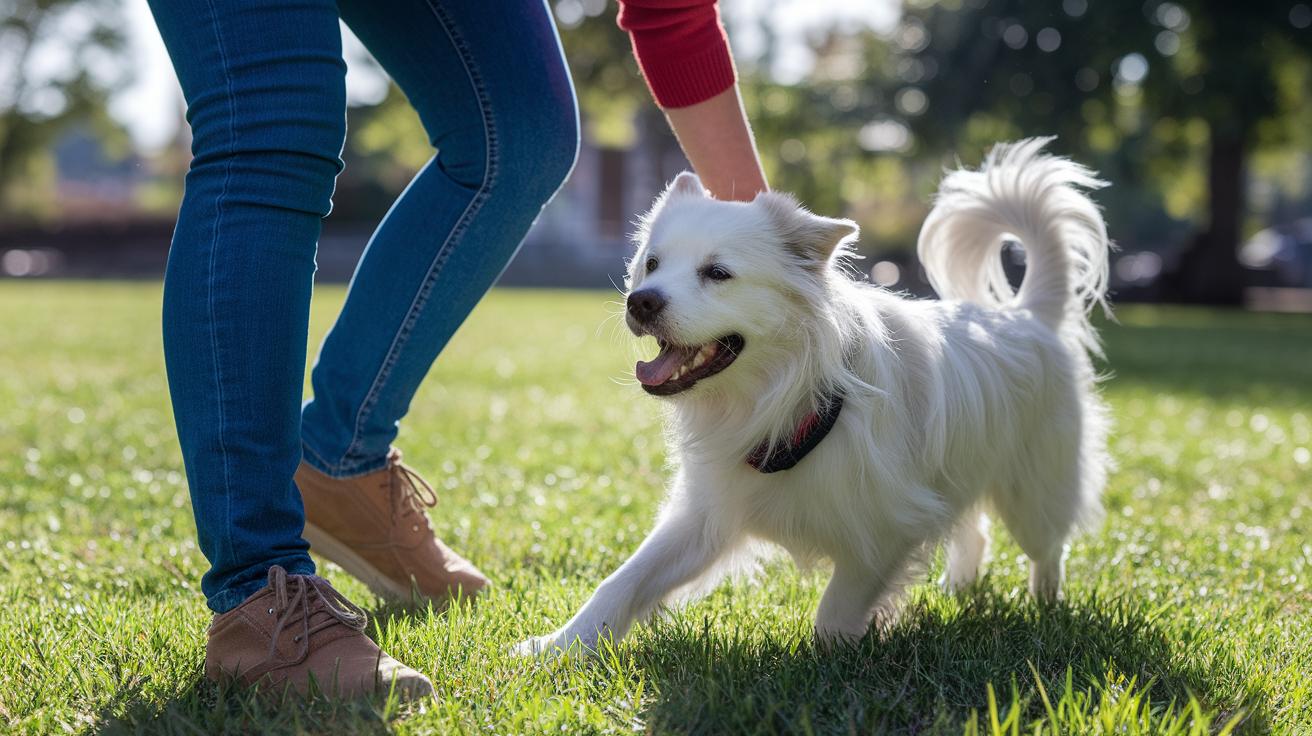
Before planning your pet’s fitness routine, it’s important to notice how much energy and mobility they really have. Every pet is special, some race around with endless zest, while others enjoy a slow, gentle stroll. Have you ever seen your pet sparkle when they chase a squeaky toy or lie basking in the sunny spot on the floor? For example, a joyful dog on a brisk park walk tells you just how much fun and safety can go into a well-planned exercise routine.
A daily routine can be simple and fun, mixing short walks with playful moments and a touch of training. Imagine starting the day with a 20-minute morning walk, then playing a game of fetch later on, and winding down with a cozy cuddle that includes a bit of gentle stretching. Not only does this help maintain a healthy weight and build strong muscles and bones, but it also sets up a heart-healthy habit. Small, enjoyable activities every day go a long way in keeping your pet happy and fit.
At home, you can add extra fun with interactive puzzle toys or quick training drills. These playful brain teasers not only ease stress but also help keep your pet mentally sharp and engaged.
Creating a Safe, Stress-Free Environment and Behavioral Wellness
Start by making your home friendly for your furry friend. Check for common hazards like loose cords and plants that might be harmful, and add a few safety touches, non-slip mats and secure barriers work great to keep those curious paws safe. A secure space makes your pet feel cozy and relaxed, almost like a warm hug.
Next, build a routine that fits into your day. Stick to regular meal times, plan fun play sessions, and set up a quiet spot for rest. This steady schedule helps melt away any anxiety, making your pet feel more at ease. Try little tricks like giving a treat for calm behavior or gently guiding them when things go off track; these small steps boost their confidence and bring you closer together. And sometimes, meeting a neighbor’s pet or enjoying a quick visit to a familiar park can really brighten their day.
Finally, put together an emergency kit that includes first-aid items along with a simple evacuation plan. These careful preparations mean that when unexpected moments pop up, you’ll be ready to keep your pet safe and cared for.
Tailored Senior Pet Care: Ongoing Health Maintenance and Preventive Strategies

Senior pets usually need a vet visit about twice a year to catch any early signs of aging issues. A quick lab test can spot small changes in how their organs work, giving the vet extra clues about what might be going on, even if it doesn’t show during a normal check-up. For instance, a simple blood test might pick up early kidney changes, so the vet can make adjustments before any problems get worse. It’s all about being proactive to keep your cherished friend comfy and happy.
It’s also important to tweak their diet as they get older. Since their metabolism naturally slows down, switching to a food formula made for senior pets can make a big difference. Adding supplements like joint support chews can help keep them moving easily and reduce arthritis discomfort. Plus, a few slow walks or short play sessions can keep their muscles strong, while a tailored diet helps manage their weight and energy.
Keep an eye out for little changes in your pet’s behavior or movement. If you notice they’re avoiding stairs or resting more than usual, it might be time for another check-up.
Natural and Holistic Preventive Measures in Pet Wellness Care
Have you ever noticed how a gentle boost can make your pet feel extra loved and cared for? Integrative medicine mixes natural ingredients with regular vet care to keep your furry friend happy and healthy. It’s like giving them a cozy, warm hug every day.
Imagine adding a little extra help with things like probiotics, which keep your pet’s tummy smiling, or fish oil that brings out a lovely, shiny coat. Even herbal extracts like chamomile can work wonders by soothing those little moments of stress so your pet can just relax and enjoy life. These natural touches work side by side with routine care to cover all the bases.
When choosing products for your pet, it helps to look for veterinarian-approved, organic options that are free of harsh chemicals. A quick chat with your vet can lead you to the perfect products that match your pet’s unique needs, ensuring every day feels a bit more special.
Final Words
In the action, this article highlighted the value of routine veterinary check-ups, smart vaccination schedules, ongoing parasite control and balanced nutrition strategies, plus proper dental and exercise regimens. It also shared practical advice on creating stress-free environments, senior pet care, and natural wellness choices.
Each section offers preventive pet wellness care tips to keep our furry friends happy and healthy. Small changes build big results. Keep exploring these ideas, and your pet’s well-being will shine.
FAQ
What are the best preventive pet wellness care tips?
The best preventive pet wellness care tips involve setting up regular vet check-ups, keeping vaccines up to date, using parasite prevention methods, offering a balanced diet, and ensuring regular exercise to maintain overall pet health.
What are preventive pet wellness care tips for cats?
Preventive pet wellness care tips for cats include routine veterinary visits, timely vaccinations, indoor parasite control, a balanced diet suited to their age and lifestyle, and simple play sessions for mental stimulation.
What are some practical ways to take care of animals, including for kids and classroom settings?
Practical ways to care for animals include meeting their basic needs with proper nutrition, hygiene, daily exercise, regular vet care, and engaging activities that teach empathy, responsibility, and gentle handling.
What are the health care tips for pets?
The health care tips for pets focus on routine check-ups, balanced nutrition, proper dental care, vaccinations, and regular exercise, all of which help in detecting issues early and supporting their overall well-being.
Is it worth adding preventative care to pet insurance?
It is worth adding preventative care to pet insurance because it covers routine exams and vaccinations, reducing the risk of expensive treatments later and helping maintain your pet’s long-term health.
What is the hardest pet to take care of?
The hardest pet to take care of often includes animals with specialized diets, high energy levels, or unique health needs, which require extra time, effort, and resources from their caregivers.
Which is an important part of preventative health care for pets?
An important part of preventative pet health care is regular veterinary check-ups, as they help catch potential issues early and establish a solid foundation for a tailored care plan.