


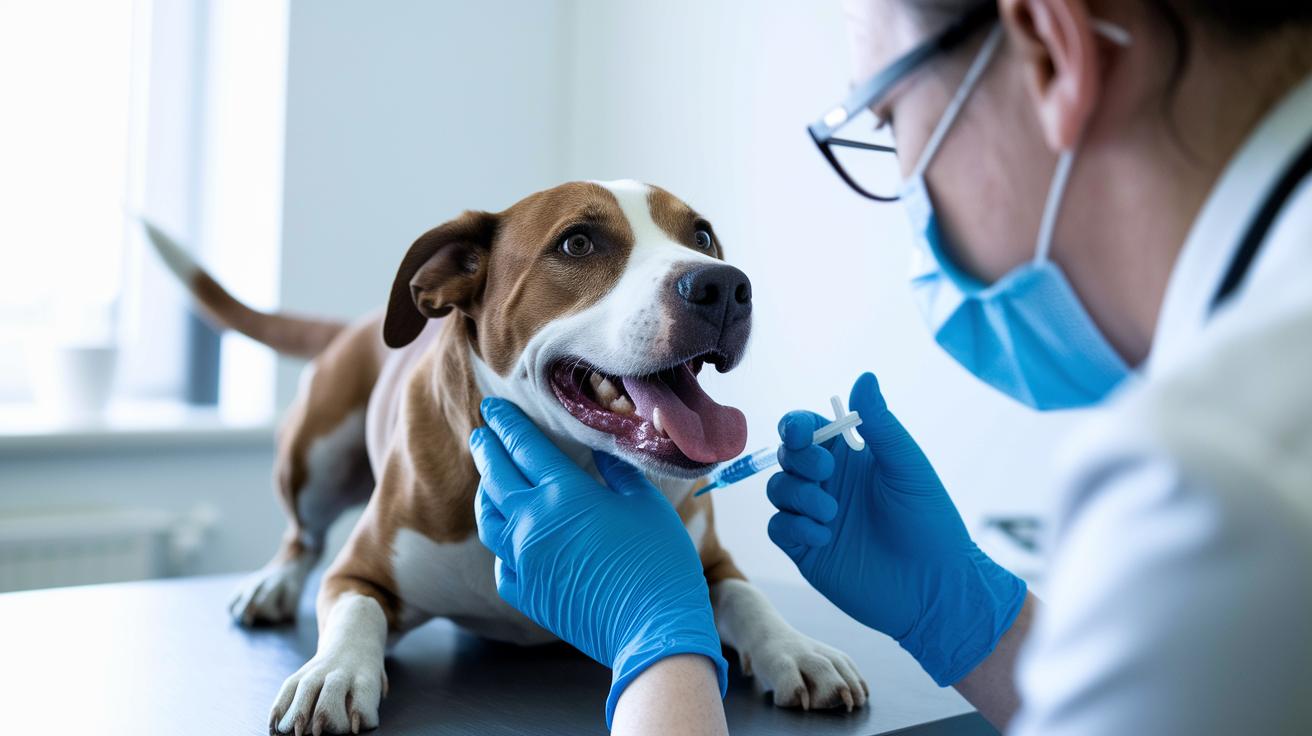
Ever wonder if your pet’s vaccines are doing enough? Just like that favorite toy that’s a bit worn out, your pet’s immune system can sometimes use an extra boost. The first round of vaccines gives their body a good start, but over time the protection can fade. Booster shots are like a friendly reminder, encouraging the immune system to keep making those important antibodies. In this chat, we’ll explore how these boosters help your furry friend stay safe, happy, and ready for all the next playful adventures.
How Pet Vaccine Boosters Protect Your Pet’s Health
Your pet's very first vaccines spark its immune system to action. When your puppy or kitten gets its initial shots, those safe, tiny exposures teach their body to make antibodies, like a first lesson in knowing which germs to fight. Just as a beginner’s practice builds a foundation in sports, early vaccinations lay the groundwork for defending against common illnesses.
Over time, that strong initial defense can start to fade. Even though a booster shot a year later can keep your pet’s protection sturdy for up to three years, the immune system naturally lets some of those antibodies slip away. Everyday stress, little health changes, or simply daily exposures can quiet that built-up shield. That’s why sticking to the booster schedule is so important, it helps prevent those unexpected health challenges.
Booster shots work like friendly reminders for your pet’s immune system. They wake up the immune memory cells, similar to refreshing an old map so you always know the way. When your pet gets a booster, its body quickly ramps up antibody production again, renewing the protective shield. This steady reinforcement means your furry friend stays safe, happy, and ready for countless joyful adventures.
Key Types of Pet Vaccine Boosters and Core Vaccines

Core vaccines are like the basic supplies every pet needs, think of them as a starter kit for keeping your furry friend safe from common, serious diseases. Even if your pet isn’t always mixing with other animals, some boosters, like the rabies shot, are essential because they protect against a deadly virus and are often required by law.
- Rabies booster: Keeps both dogs and cats safe from a fatal virus while following legal rules.
- Distemper booster: Refreshes a dog’s shield against a highly contagious disease.
- Parvovirus booster: Helps build strong protection against a severe canine virus that can strike fast.
- Adenovirus booster: Aids in guarding pets from illnesses that hurt their breathing and liver.
- Bordetella booster: Protects dogs from kennel cough, which is really important if they’re spending time in places like daycares.
- FeLV booster: Supports a cat’s health by fighting off the feline leukemia virus.
It really pays to think about your pet’s everyday life when choosing boosters. For example, if your dog loves the excitement of a busy park or daycare, a canine influenza shot might be just what’s needed to keep it happy and healthy. And as with any care routine, a pet’s past reactions and health history can help tailor the perfect vaccine schedule, kind of like tweaking a favorite recipe to better suit your pet's unique taste.
Recommended Booster Schedules for Dogs and Cats
Puppies and kittens start their vaccine series as early as 6–8 weeks old and finish by 16 weeks. This early round of shots builds a strong base of protection against serious illnesses. A booster shot at one year is like a quick recharge for your pet’s immune system, refreshing the antibodies so they can keep fighting off infections. Then, depending on the vaccine and your pet’s lifestyle, subsequent boosters are usually needed every one to three years. For example, a playful pup at doggie daycare might need a different approach than a calm, indoor kitty.
| Vaccine | Age to Start | First Booster | Subsequent Booster Interval |
|---|---|---|---|
| Rabies | 4 months | 1 year | Annually or every 3 years |
| Distemper/Parvovirus/Adenovirus | 6–8 weeks | 1 year | Every 1–3 years |
| Bordetella | 8 weeks (if needed) | 1 year | Annually for high exposure |
| FeLV | 8–12 weeks | 1 year | Annually or as recommended |
| Canine Influenza | Varies | 1 year | Annually for high social exposure |
Sticking to these schedules not only keeps your pet healthy but also helps you follow local vaccination rules, especially for rabies. In many states, pets need a rabies shot at around four months old with boosters on a strict timeline for legal reasons. A short delay might not be a big deal, but if it stretches past the recommended time, it’s important to get that booster to keep your pet’s defense strong. By keeping up with these intervals, you’re not only looking after your companion’s wellbeing but also meeting community and legal standards.
Potential Side Effects and Safety Considerations of Boosters

After your pet gets a booster, you might notice a few mild side effects. It’s quite common for a pet to feel a little sore at the injection spot, have a brief fever, or even seem a bit tired. Think of these reactions as your pet’s gentle way of saying the vaccine is working. Maybe you'll catch your dog quietly licking the spot where they got the shot, or your cat snoozing for a bit longer than usual. Usually, these small changes pass quickly without needing extra help.
If your pet has a history of reacting to vaccines or has any autoimmune issues, they may need a little extra care. In those cases, your vet might recommend a different schedule or even adjust the vaccine type to be extra gentle. It really pays to let your vet know all about your pet’s past reactions so they can plan the best approach.
It’s also a smart idea to keep a close eye on your pet during the first 24 to 48 hours after the booster. Watch for any signs that might seem out of the ordinary, like increased discomfort, unusual swelling, or other symptoms that stick around longer than expected. And hey, if anything seems really off, don’t hesitate to call your vet for advice and a little peace of mind.
Understanding Costs and Finding Affordable Booster Clinics
Many vet clinics package booster shots with regular check-ups and services like microchipping, spaying, neutering, or even travel health certificates. This bundle deal makes each shot cheaper and keeps your pet’s care on schedule without any surprises. It’s a simple way to get all the care your pet needs, saving you money while keeping them healthy.
For pet parents on a budget, local community vaccine clinics often offer special seasonal vaccination events at lower rates. These events help keep booster shots affordable and make it easier to keep your pet’s immunity strong. You might even ask your regular clinic about package deals for multiple immunizations throughout the year. By exploring these cost-saving options, you ensure your furry friend stays protected without stretching your wallet.
Effective Strategies for Scheduling and Tracking Booster Shots

Many clinics now let you book same-day appointments online, making it super easy for busy pet parents. With just a few clicks, you can see open times and pick a slot that works with your hectic day. Whether you're new to pet care or a seasoned pro, these user-friendly systems help keep your pet’s booster shots on schedule without any hassle.
Keeping track of your pet’s vaccination dates is a breeze, too. You can jot down the dates in a digital log or a simple calendar. Many pet health apps even send you friendly email or text reminders, so you never miss an appointment. It’s like having a little helper reminding you when it’s time for your pet’s next shot.
Taking a moment every few months to review your pet’s upcoming shots is a smart move. Mark your calendar or peek at your pet’s health record to ensure there are no gaps. This small step not only keeps your pet’s vaccinations up to date but also gives you more peace of mind so you can enjoy every moment with your furry friend.
pet vaccine boosters: Elevate Your Pet's Immunity
Titer testing is really just a simple blood check that counts the antibodies in your pet’s system. It’s like taking a quick snapshot of their immune strength so the vet can see if they might need a booster shot, kind of like checking the battery on your favorite gadget to make sure it still has some charge.
With the test results in hand, your vet can create a booster plan that fits your pet perfectly. Instead of sticking to a one-size-fits-all schedule, the booster is only given when your furry friend’s immunity starts to fade. Imagine it like crafting a custom meal plan, making sure they get protection exactly when they need it, without unnecessary extra injections.
Researchers are now exploring vaccines that last longer and even testing new ways to deliver them, such as patches or oral shots. These advances mean that your pet might need even fewer boosters over time. It’s really exciting because this smarter, more personalized approach not only cuts down on stress for both you and your pet but also ensures every vaccination works just right.
Final Words
In the action, we explored how pet vaccine boosters work to reawaken your pet’s immune defenses and protect them from disease. We looked at core vaccines, booster schedules, possible side effects, and cost smart ways to keep your pet safe and happy. The guide also shared tips on tracking booster shots and introduced newer methods like titer testing. Let this insight help you feel confident about your pet care choices. Stay proactive and positive as you keep your pet's health in tip-top shape with regular pet vaccine boosters.