



Have you ever wondered if a regular vaccine routine might be the secret behind your pet’s joyful bounce or that gentle purr? Making sure your furry friend gets their shots on time not only keeps them safe from harmful illnesses but also meets state rules.
A set schedule helps boost their natural defenses while giving you a comforting sense of security, you know they’re protected. So, stick with it. Those few small shots today could be the key to a healthier, happier pet tomorrow.
Pet Vaccination Schedule Overview
A clear vaccination plan works like a safety net for your furry friend, keeping them safe from dangerous illnesses while also meeting legal requirements. Each vaccine builds a protective shield against health risks, so keeping up with these shots is vital for their overall well-being. Plus, it helps overcome challenges like the natural antibodies from mom that might block early vaccines.
Sticking to a regular vaccine routine not only keeps your pet healthy but also makes sure you follow state laws, especially with the rabies shot. This plan helps you stay on track with both essential vaccines and those optional ones that suit your pet’s lifestyle and risks. It’s a smart, proactive way to cover safety and legal bases while giving your pet a strong defense.
Canine Vaccination Timeline
- At 8 weeks – Your puppy gets the very first DAP shot to jumpstart its immunity.
- At 12 weeks – A booster shot comes in to reinforce protection as mom’s antibodies begin to fade.
- At 16 weeks – A second booster finalizes the primary series.
- At 1 year – A core booster is given, which includes the legally required rabies injection.
- After the first year – Regular boosters are needed either annually or every three years, depending on the vaccine and your dog’s lifestyle.
Feline Vaccination Timeline
- At 6–8 weeks – Kittens receive their first FVRCP shot to start building protection.
- At 12 weeks – A booster is given to enhance their growing immunity.
- At 16 weeks – A second booster helps solidify their defenses.
- At 1 year – A follow-up booster shot, including rabies and the core FVRCP vaccines, keeps them safe.
- Beyond the first year – Ongoing boosters will be scheduled based on your vet’s advice and your cat’s needs.
It’s a great idea to keep a detailed record of every vaccine, note the date, the type of shot, and when the next one is due. This careful tracking makes it easier to manage schedules during trips or special circumstances, ensuring your pet stays protected and ready for every playful moment.
Puppy and Kitten Vaccination Schedule: Supplementary Details
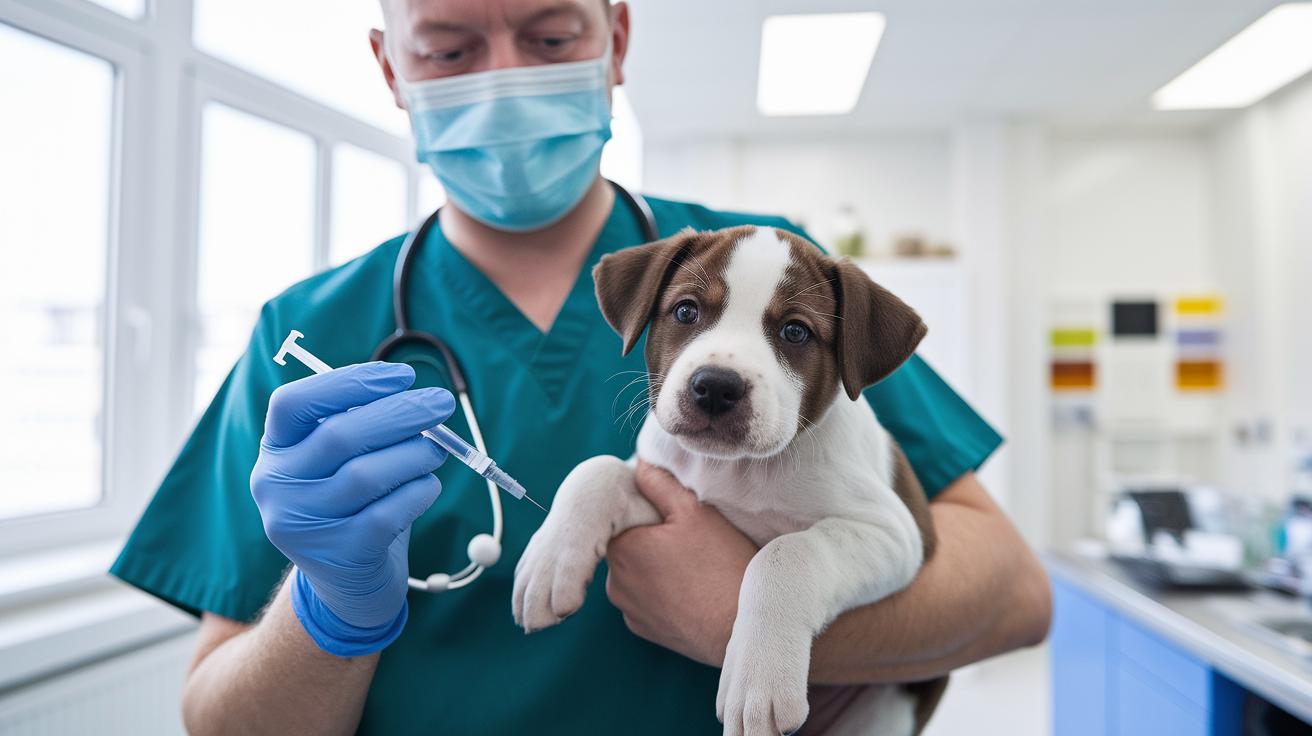
The schedule above lays out the big steps, from that very first vet visit to giving the right shots (DAP for puppies and FVRCP for kittens), spacing out the doses, and even handling those pesky maternal antibodies. Let’s add a few more friendly pointers to complete your pet care guide.
-
For puppies, the vaccines target things like parvovirus, distemper, and adenovirus. Kittens, on the other hand, get protection from panleukopenia, viral rhinotracheitis, and calicivirus.
-
If you’re keeping an eye on your budget, check out low-cost clinics at animal shelters. They offer these vaccines at friendly prices, making it easier to stick to the schedule.
-
It’s smart to write down all your pet’s vaccinations and plan regular follow-up appointments. This helps build long-lasting protection for your little companion.
For example, if you’re looking to save on costs, ask your local animal shelter about their vaccine options, they might just have the affordable solution you need.
Adult Pet Vaccination Schedule: Booster Cycle & Titer Testing
Keeping your pet safe means giving them the booster shots they need. For our furry friends, this means getting the rabies vaccine every one to three years for dogs, along with the DHLPP series, which can be done yearly or every three years depending on your pet’s lifestyle. Cats have a similar routine with rabies and FVRCP vaccines to guard them against serious illnesses. Following these schedules isn’t just about meeting legal rules, it’s about keeping your pet healthy and protected.
Sometimes a titer test can be a helpful alternative. These tests check your pet’s antibody levels, which can be useful if your pet had a tough time with previous vaccines or if you need up-to-date records for travel. In many places, if a titer test shows enough antibodies, you might skip the booster for a while. But be careful, waiting too long might mean you have to start the full vaccine series over to make sure your pet’s immune system is strong.
It’s a great idea to have a chat with your veterinarian before changing your pet’s vaccination plan. Their advice will help you weigh the benefits of a titer test against the need for a booster, ensuring your pet remains safe, healthy, and up-to-date with the current guidelines.
Pet Vaccination Schedule: Core vs Non-Core Vaccines
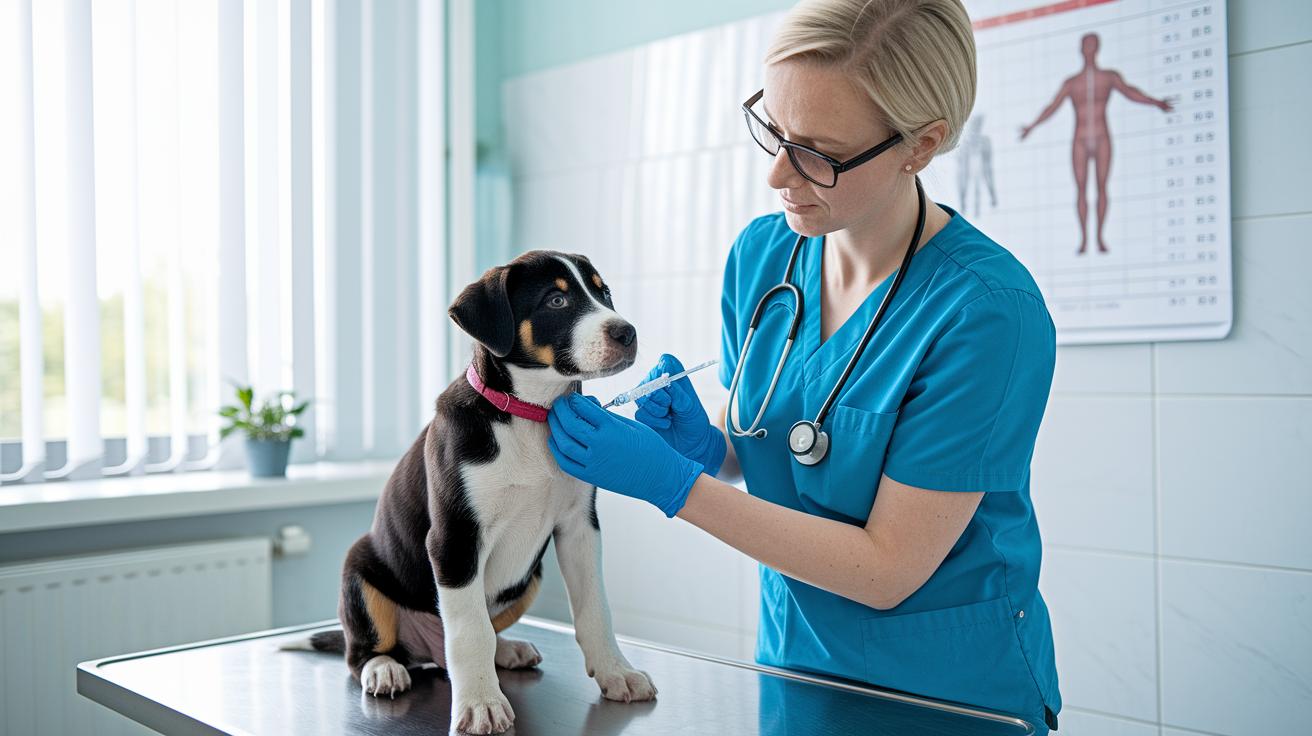
Core vaccines are a must for every pet. They protect against serious, sometimes life-threatening diseases while also meeting legal rules, like the rabies shot. Non-core vaccines are extra boosts that might be a good idea if your pet’s day-to-day life puts them in touch with more germs. Together, these shots work hand-in-hand to build a reliable safety net for your furry friend's health.
A smart mix of vaccines helps guard your pet from many potential dangers. For example, if your dog often hangs out at boarding places or plays with lots of other dogs, the Bordetella shot can offer extra protection. It’s a bit like tossing on an extra scarf when it’s chilly, just a little more comfort that makes all the difference.
Canine Core and Lifestyle Vaccines
| Vaccine | What It Does |
|---|---|
| Rabies | Legally required for all dogs; typically given at 1 year of age with boosters every 1–3 years. |
| DAP | Protects against distemper, adenovirus, and parvovirus; usually given as a series at 8, 12, and 16 weeks for puppies. |
| Bordetella | Great for dogs who socialize a lot; often recommended for those spending time in group settings. |
| Leptospirosis and Lyme | Offered based on your pet’s geographic location and outdoor exposure. |
Feline Core and Lifestyle Vaccines
| Vaccine | What It Does |
|---|---|
| FVRCP | Covers viral rhinotracheitis, calicivirus, and panleukopenia; usually started between 6–8 weeks in kittens. |
| Rabies | Required for cats; follow your vet’s advice for boosters. |
| FeLV | An optional vaccine for cats that go outdoors or are at higher risk. |
Working with your veterinarian to fine-tune your pet’s vaccine schedule is key. With the right blend of core and extra shots, you’ll help your pet enjoy many happy, healthy days ahead.
Pet Vaccination Schedule for Special Situations
Sometimes, your pet might need a vaccination plan that’s a bit different from the usual one. Whether you’re taking them on new adventures, moving into a fresh home, or caring for a pet with ongoing health issues, a customized approach can make all the difference.
Before any trip, make sure your pet carries proof of vaccinations that go beyond just the basics. And if you’ve recently rescued or adopted a pet, it’s a great idea to start those core shots right away. For pets with chronic conditions, a modified schedule tailored to their unique health needs might be necessary. Plus, if you share your home with a less common buddy like a ferret or a rabbit, it’s best to follow the specific guidelines your vet suggests.
Paying attention to what makes your pet special, and adjusting their vaccine timing to match their lifestyle, means you can keep their tail wagging and ensure they’re always ready for the next unexpected adventure.
Pet Vaccination Schedule Tracking & Appointment Planning

Keeping track of your pet’s shots is like having a special calendar just for their health. Nowadays, digital tools and online clinic portals make it super easy to keep up with every vaccine and appointment. They even send you friendly text reminders and automated alerts so you never miss a booster or first dose.
These handy tools record all the important details, like the date, vaccine type, lot number, and when the next shot is due. Plus, it helps you keep an eye on costs. For example, vaccines like DAP usually cost between $20 and $60 per shot, and rabies shots usually run from $20 to $30. The extra vaccines, which aren’t always essential, are often under $100. That way, even when money is tight, you have plenty of options for your furry friend.
| Tool/Method | Description | Cost | Reminder Features |
|---|---|---|---|
| Vet Clinic Portal | Online pet records | Free | Email/SMS alerts |
| Mobile App | Pet health management | $0–10 | Push notifications |
| Manual Diary | Printed chart | Free | User-set calendar alerts |
By double-checking costs and booking appointments well ahead of time, you can keep those important vaccines on schedule. A little extra planning goes a long way in keeping both you and your pet happy and healthy.
Final Words
In the action, the blog post painted a clear picture of a complete immunization guide that spans puppy and kitten first shots, adult booster cycles, differences in core versus non-core vaccines, and even special situations. It offered insight into digital tools and record management for smooth appointment planning. Maintaining a regular pet vaccination schedule is key to keeping our furry friends safe and healthy. Our goal is to inspire confident, informed choices so every pet gets the care they deserve. Enjoy celebrating your pet’s health with a little extra peace of mind.
FAQ
What is the proper vaccination schedule for a dog?
The proper vaccination schedule for a dog starts with initial puppy vaccines at about 8 weeks, followed by boosters at 12 and 16 weeks, then core boosters like rabies annually or every three years per vet guidelines.
What is the recommended pet vaccination schedule for cats?
The recommended vaccination schedule for cats begins when kittens are around 6–8 weeks old, with follow-up vaccines at 12 and 16 weeks and yearly boosters or as advised by your veterinarian.
How often do pets need vaccines?
The frequency of pet vaccines depends on age and vaccine type, with puppies and kittens needing a series of initial shots followed by regular boosters for adult pets, usually on an annual or triennial basis.
Which dog vaccines are absolutely necessary?
The essential dog vaccines include the core shots such as the DAP series for puppies and the rabies vaccine, which is legally required in most areas and critical for protecting against serious diseases.
At what age can I stop vaccinating my dog?
Vaccinations for dogs continue throughout their lives, starting with a puppy series and followed by regular boosters based on vaccine type and your veterinarian’s recommendations to maintain immunity.
What is the schedule for the 5-in-1 or puppy vaccine shot series?
The 5-in-1, or DAP vaccine series for puppies, starts at 8 weeks with boosters at 12 and 16 weeks to overcome maternal antibodies and build a strong immune system.
Is there a dog vaccination schedule chart PDF available?
A schedule chart PDF is available from many veterinary clinics and online sources, providing a handy visual guide to track your dog’s vaccination timeline and keep up with necessary shots.
What is the pet vaccination schedule like in 2022 and in California?
The pet vaccination schedule in 2022 and in California follows standard protocols with core vaccines for both dogs and cats, though local laws and updates may slightly adjust timing and requirements.
What adult dog vaccines are needed?
Adult dog vaccines generally include a rabies booster every 1–3 years along with annual or triennial core shots like DHLPP and lifestyle vaccines, ensuring ongoing protection against common diseases.