


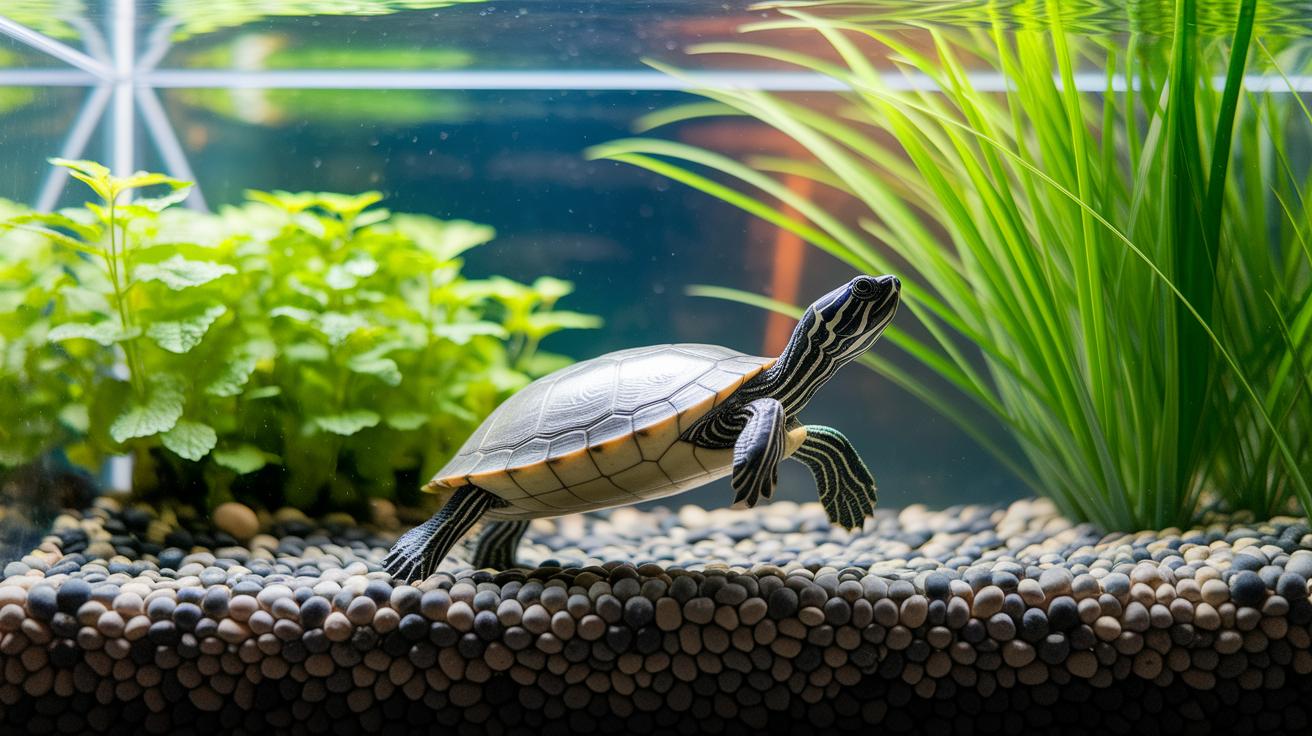
Ever think your turtle’s home could bring you more smiles than you expected? Imagine turning daily care into a fun little adventure for both you and your shelled buddy. Picture a comfy setup with a cool water area for swimming and a dry, sunny spot where your turtle can bask like it’s on a mini vacation. This guide shows you easy steps to create just that, a home that helps your turtle live a long, happy life.
Crafting the Perfect Pet Turtle Environment
Imagine setting up a cozy home for your turtle where every detail is thoughtfully considered for a long, happy life. Turtles can live for around 20 years and come in almost 270 different species, so you really need to plan a habitat that grows with them. Picture a space that has a lively water area for them to swim and a dry spot where they can rest. It’s a bit like designing a home with a relaxing pond on one side and a sunny spot perfect for basking, just like having the best of both worlds for your little buddy.
A good turtle setup depends on keeping the water clean. A reliable filter works wonders, and regular water changes a few times a week help keep things fresh and healthy. Whether your turtle loves splashing in the water or waddling on dry land, their space should meet all their needs. Think of it as making sure that the water is deep enough (about the height of the turtle’s shell plus a couple of inches) while also giving them lots of room on land to explore.
Lighting and heating are also key. Your turtle needs about 12 hours of light each day, whether that’s from natural sunlight or a good UVA/UVB lamp. Imagine the gentle warmth of a lamp that not only lights up the tank but also helps your turtle keep its body temperature just right while soaking in essential UVB rays, kind of like a morning boost from the sun. With all these elements in place, you’ll create a lively and safe home that makes every moment with your pet turtle special.
If you’re just starting out, there are plenty of guides that break down the setup into simple, step-by-step instructions. Just take it one step at a time, and soon you’ll have a pet turtle environment that is both beautiful and practical, a true haven for your long-term companion.
Designing a Custom Turtle Enclosure Setup

Building a turtle home can be a really fun project that also helps your pet thrive. Start with at least a 40-gallon tank for an adult turtle, and if your little buddy grows bigger, remember, more space is key! Think of it as a tiny world where water and dry land live together in harmony.
Now, if you’re ready to dive into the details: make sure the water is as deep as your turtle’s shell plus an extra two inches. For example, if your turtle’s shell is 4 inches high, aim for 6 inches of water so it can enjoy a comfy swim. Also, choose a filter that handles twice the tank’s volume, so a 40-gallon setup would need an 80-gallon filter. And don’t forget, each time you change the water (a few times a week works best), rinse or replace the filter media using some tank water. It’s a bit like giving a friend’s fishbowl a gentle clean to keep everything crystal clear.
For the land area, design a basking spot that’s large enough for your turtle to cover its entire shell. This dry area should sit right under a heat lamp equipped with UVA/UVB bulbs and a dedicated heat source like a Zilla Mini Halogen Bulb. Picture it like a sunny little patio where your turtle can relax, warm up, and control its body temperature.
By clearly separating the water and land areas, you’re giving your turtle a safe spot for both active swims and peaceful naps. It’s the perfect way to ensure they have everything they need for both fun and rest.
Mastering Temperature and UV Lighting in Turtle Environments
Imagine setting up a smart thermostat that you can tweak from anywhere, making sure your turtle’s basking spot is always just right. For example, you could use a programmable thermostat that sends just the right heat pulses from a small halogen bulb while syncing perfectly with UV light from another bulb – kind of like timing your morning coffee perfectly.
Next, consider using sensors that watch the temperature in real time. They adjust the light’s brightness and heat automatically so your turtle always enjoys a warm spot to bask and the steady UV it needs for healthy shell growth. It’s like having a gentle, invisible helper managing everything without you lifting a finger.
Finally, position your thermostat-controlled heat source right over the basking area and keep an eye on it remotely. This smart setup means you don’t have to repeat the same adjustments over and over. Instead, it creates a natural day-and-night rhythm, just like you’d see in the wild, making your little turtle haven both efficient and comforting.
Maintaining Optimal Aquatic Water Quality for Pet Turtles

Remember, the basics like filtering, water changes, and cleaning are already covered elsewhere. Here, we’re diving into those extra little details that really fine-tune your turtle’s watery home.
Make it a habit to check your water’s pH and chlorine levels. If you spot a chlorine spike, add a dechlorinator, think of it like adjusting the seasoning in your dinner: a little tweak makes all the difference.
For mixed terrariums, aim for about 60% humidity in the land area. It’s a bit like ensuring the right moisture in your favorite baking recipe to help everything come out perfectly.
These extra measures add a touch of precision care to your turtle’s well-being without redoing the basics.
Selecting Substrate, Live Plants, and Decor for a Naturalistic Pet Reptile Ecosystem
When setting up your turtle’s watery haven, picking the right substrate is key. Not only does it make the home look natural and appealing, but it also helps keep things clean and just the right level of humid. Stick with species-appropriate gravel or sand that fits your turtle’s needs and creates a safe, healthy space.
Adding live plants to your aquarium brings a burst of freshness. They oxygenate the water and offer cozy hideouts for your turtle. Just make sure you choose turtle-safe varieties and clear away any debris regularly. Natural touches like faux rocks or ornaments can also liven up the area, giving your pet’s home character and a true sense of nature.
Toss in some driftwood to add extra texture and a fun nook for exploration. These natural decor pieces help shape a habitat that feels like the real outdoors. And by including a few interactive elements, you ensure your turtle’s space isn’t just a place to live, it’s a joyful environment where your pet can truly thrive.
Routine Maintenance, Safety Measures, and Seasonal Care in Pet Turtle Environments

Keeping your turtle’s home in tip-top shape is key to making sure your little buddy stays safe and happy. Start by setting up a regular feeding schedule and a weekly cleaning routine to keep the habitat fresh. For example, checking the water quality is like giving your turtle a mini check-up each week, it’s simple and effective.
A great safety tip is to use secure covers on water enclosures. A sturdy lid stops your turtle from wandering off and, if you have an outdoor pen, it even keeps pesky predators away, kind of like locking up something special at night.
Remember, seasonal changes need special care too. In winter, bump up the basking temperatures or add a little extra heat to help your turtle stay toasty on chilly mornings. And when summer comes around, try cooling strategies like light misting or a fan by the water to keep things comfortable when it gets hot.
Always keep an eye out for any little hiccups. Check for issues like clogged filters, lamp problems, or compacted substrate so your turtle’s world stays safe and sound.
Final Words
In the action of creating a perfect pet turtle environment, you've discovered how to mix water and land areas, manage temperature and UV lighting, and maintain water quality. We touched on choosing the right substrate and decor that add a natural touch while keeping upkeep simple.
It’s all about putting together simple steps to let your turtle thrive. Every little detail works together to form a balanced habitat, ensuring happiness and health for your shelled companion. Enjoy the process and watch your pet turtle flourish!