


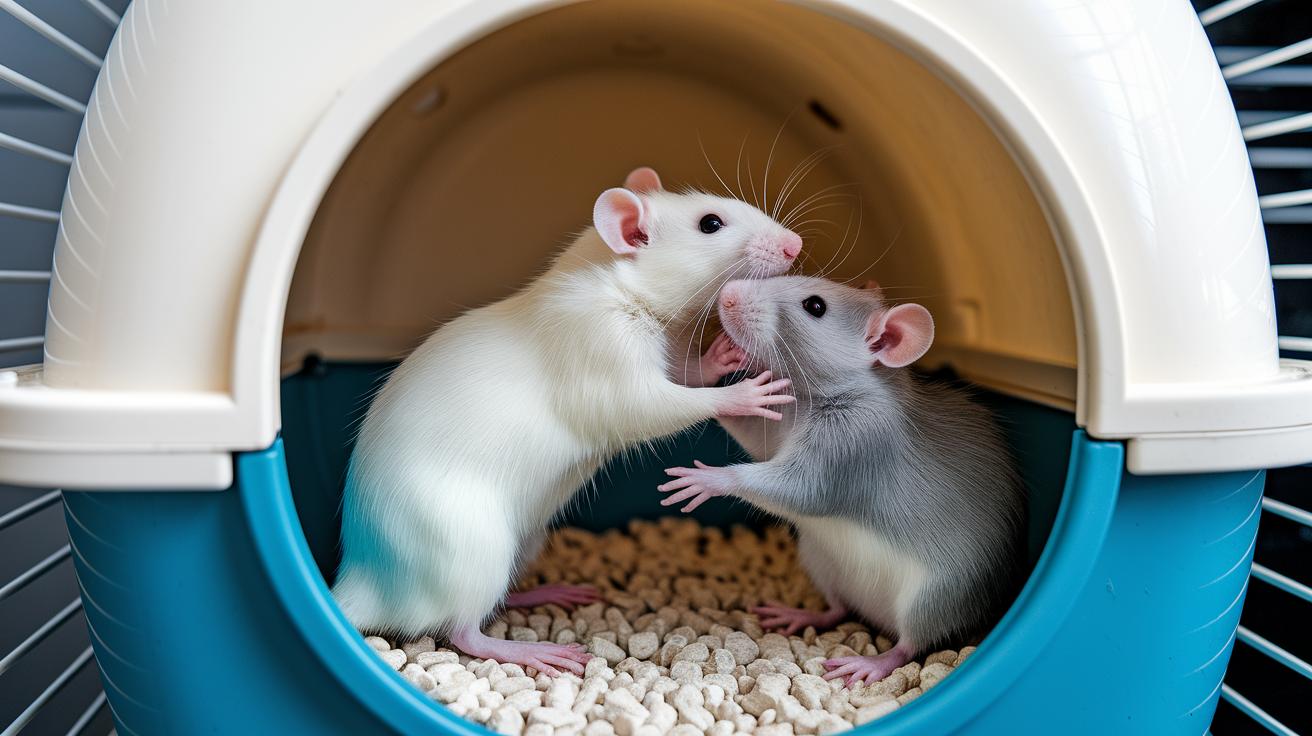
Have you ever stopped to appreciate the little magic of pet rats? These tiny friends burst with character, with every twitch and whisker telling its own charming story. Imagine a painter’s palette coming to life, each rat parts with its own splash of color, unique pattern, and playful instinct.
In this chat, we’ll explore the various personalities and looks of these delightful critters. Their special quirks and adorable traits can truly light up your home with unexpected joy.
Ever notice how a small, lively pet can add so much heart to our lives? Let’s dive into the world of pet rats and find out how they can become your next cherished companion.
Overview of Pet Rats Breeds: Classification and Core Varieties
When it comes to pet rats, calling them "breeds" is a bit off, it's more about different varieties. Instead of the strict breeds we see in dogs or cats, these little critters are shaped by breeding that focuses on how they look and behave. Think about it like a painter mixing different colors: each pet rat adds its own special touch with its colors, patterns, eye sparkle, ear style, coat feel, and even tail size.
Here’s a quick look at what we notice:
| Feature | Description |
|---|---|
| Base coat colors | The main color of the fur |
| Marking patterns | Distinct spots or stripes |
| Eye color variations | Different shades that brighten their look |
| Ear placement types | Standard high ears versus the adorable Dumbo style |
| Coat textures | The feel of the fur from smooth to fuzzy |
| Size/tail differences | Variations in body build or tail length |
These six pieces are like the building blocks for understanding pet rat variations. When you can tell if a rat sports a classic Agouti look or a deep black coat, or if its ears are perked high or have that unique Dumbo charm, you’re really seeing what makes each one special. And honestly, it’s not just about how they look, it gives you a little peek into the personality traits that have naturally evolved over time. Isn’t it amazing how these tiny details can tell such a rich story?
Genetic Foundations and Physical Traits in Pet Rats Breeds

Genes are like the secret recipe behind your pet rat’s unique charm. They shape everything, from the glimmer of their fur in the morning light to the special spot where their ears rest. It all starts with just a few key genes that set the stage for each little friend’s look.
For example, pet rats mainly sport two base coat colors. The agouti pattern, coming from genes marked as AA or A–, gives a natural, spotted style, almost like a patchwork of nature’s own design. On the other hand, when the aa genes take over, you get a deep, even black coat that feels sleek and classic.
And it isn’t only about color. Genes also decide the feel of their fur, making some rats sport a smooth, satin-like coat while others have a fun, crinkly rex texture or a coarser, bristle feel. Their eyes are typically a rich black, but in albino rats, you’ll notice a lighter, softer hue due to a lack of pigment.
Even where their ears sit is part of their special design. Most pet rats have high-set ears, known as DUDU or Dudu, which give them that alert look. But then there are the adorable Dumbo rats, whose lower-set ears add extra warmth and personality.
| Trait Category | Variants | Genetic Basis |
|---|---|---|
| Coat Color | Agouti, Black | AA/A– for Agouti, aa for Black |
| Coat Type | Satin, Rex, Bristle | Coat‐type genes |
| Eye Color | Black, Albino | Pigment gene expression |
| Ear Type | Standard, Dumbo | Genetic markers for ear placement |
All these genetic details work together like a well-tuned orchestra to create the beauty of every pet rat. When you understand how coat color, fur texture, eye shade, and ear style are passed down, it becomes easier to appreciate what makes each rat one-of-a-kind. And guess what? This blueprint not only shapes their looks, it often gives clues about their personality and care needs, making your time together even more special.
pet rats breeds: Charming and Unique Companions
Standard Rat
These little fellas usually measure about 6 to 8 inches and boast a rainbow of fur colors, from the classic agouti to sleek black. They’re calm, easy to handle, and perfect for anyone who wants a pet with a friendly, balanced personality. Fun fact: Many pet owners say their Standard Rat cozies up in your lap almost as fast as it scampers around its play area!
Dumbo Rat
Dumbo Rats are hard to miss with their big, low-set ears that give them an endearing, almost childlike look. They’re incredibly sociable and love interacting with you, mixing playful energy with gentle affection. Imagine saying, “A Dumbo Rat is like the life of your living room party!” Their charm really lights up the room.
Hairless/Sphynx Rat
Hairless or Sphynx Rats have a distinct, smooth look since they lack most fur, except for a bit around their whiskers. Their unique appearance can be especially appealing if you’re sensitive to animal hair. Just a heads up, though, they might need a bit extra care for their skin or eyes. If you’re into a pet that stands out and are okay with a little extra effort, a Hairless Rat might be the perfect choice.
All three types come with their own special charm. First-time pet owners might lean toward the gentle Standard or the fun-loving Dumbo Rat, while those who admire a more unconventional friend and are comfortable with a bit more care might find that the Hairless Rat is a delightful match.
Rare Ornate Variants Among Pet Rats Breeds

Rex Rat
The Rex Rat has bouncy, wavy fur that gives it a fun, textured look. Its naturally curly whiskers add extra charm, making it a playful pet that many rat lovers simply adore.
Satin Rat
The Satin Rat dazzles with a shiny, smooth coat that catches the light. Usually seen in soft fawn or agouti shades, its glossy fur offers an elegant glow that’s sure to captivate any pet enthusiast.
Bristle Coat Rat
Bristle Coat Rats feature rough, upright hairs that naturally stick out. This creates a unique, almost sculptural feel when you touch them, a delightful difference from other rat breeds you’ll find.
Topaz Rat
Topaz Rats are all about warm, inviting hues, often showing off a lovely fawn or golden-brown color. Their fur radiates a gentle glow that feels much like a comforting hug, making them a special favorite among pet owners.
Tailless (Manx) Rat
Tailless or Manx Rats come from a quirky genetic twist, leaving them with no tail or just a tiny one. Sometimes blended with traits like those of Dumbo rats, they bring a fun and unexpected twist to the classic rat look.
- Soft, wavy fur that offers a delightful, textured feel.
- Shiny, smooth coats that glow under the light.
- Rough, upright hairs giving off a uniquely bristly touch.
- Warm, glowing fur colors that invite a cozy embrace.
- Tail designs ranging from completely tail-free to very short tails.
Full-Size and Mini Variety Analysis in Pet Rats Breeds
Dwarf or micro rats are these tiny, adorable critters, up to about 75% smaller than the usual pet rats. Even though they’re petite, they’re full of energy and curiosity, brightening up any little space they call home. You might use a snug cage for them, but be sure to pick bedding and toys that keep them safe from slipping through tiny gaps.
Standard pet rats come in at about 6 to 8 inches long, which makes holding them easy while still giving them plenty of room to romp around. Every little rat has its own spunky personality, so setting up a cage with spots to climb, hide, and chew really adds to their daily fun and well-being.
Giant rats, on the other hand, are built bigger and need extra room and gentle care. They thrive in larger habitats with sturdy, spacious enclosures that match their grand size and playful spirit. If you're caring for one of these larger friends, it’s all about creating a safe, roomy home where they can explore and feel secure.
Selecting the Right Pet Rats Breeds for Your Home

When you're thinking about welcoming a pet rat into your cozy home, take a moment to consider your daily routine and space. Some rats are laid-back and enjoy quiet time, while others are like little whirlwinds that love to play and need room to explore.
Just like we all have our unique traits, pet rats can vary by age and gender. Many pet parents say that male rats are often the cuddle experts with a gentle heart, and females might bring a dash of independence along with playful mischief. A young "popcorn" rat might need a few weeks to feel right at home, while an adult is usually quick to settle in and share their charm.
Different breeds have their own personalities too. For example, Dumbo and Burmese rats are cherished for their sweet and gentle ways. On the other hand, hairless rats require extra care for their skin and a little more warmth, reminding us that every little friend has unique needs.
When it comes to finding your perfect pet rat, checking local breeder directories and reading up on a seller’s reputation is a smart move. Look for breeders who provide clear details about their rat's background and health. Spending a little extra time on research can mean a lot when you're about to invite a joyful new friend into your life.
In-Home Care Instructions and Enclosure Recommendations for Pet Rats Breeds
A cozy, well-thought-out home is the first step to making your pet rat feel safe and loved. Choose a cage with solid floors and distinct levels where your rat can scurry about and hide when it needs a little privacy. Each rat should have around 2 to 3 cubic feet of space so it can explore freely. And don’t forget, the gaps between the bars should be less than ½ inch to keep your little friend from finding any sneaky escape routes.
Feeding your pet rat is also a big part of keeping them happy and healthy. It’s best to use complete commercial pellets, which are packed with all the nutrients they need. Mix in some fresh veggies or fruits now and then for extra vitamins and hydration. A small piece of lean protein as a treat can even boost their energy and muscle strength. Imagine each mealtime as a tiny celebration of goodness that lifts both your spirits and your pet’s.
Daily play and social time are just as important. Your pet rat loves a bit of gentle handling and playful moments throughout the day. Spend time with your rat, switching up the cage layout occasionally to keep things interesting. Having a same-sex buddy around can make your pet feel even more at ease. These little interactions help build trust and make sure your furry friend stays alert, affectionate, and ready for another day of adventures.
Preventative Healthcare and Lifespan in Pet Rats Breeds

Taking care of pet rats means noticing that each type has its own special needs. For instance, Hairless rats can be a bit more sensitive. Their thin coat makes them prone to dry skin and even eye problems, so keeping an eye on them, especially in dry weather, is essential. And then there are Rex rats, the ones with the extra curly fur, and some pet parents have found that these little ones might have shorter lifespans than their regular-coated friends. It’s pretty interesting how their unique looks go hand in hand with different health needs. I remember a friend saying, "My Hairless rat needed extra moisturizing in the winter," which really shows how every rat type has its own way of thriving.
Other pet rat varieties can also face their own challenges. Some might get cranky if the temperature swings too much, or they might need more grooming to keep their skin smooth and comfy. By paying close attention to what each breed needs, you can spot little signs of trouble early on. That way, you can act quickly with some gentle, loving care and keep your furry companion happy and healthy.
Routine health check-ups are a must for watching your pet rat live its best life. Checking on your rat every week, keeping their bedding fresh, and maintaining a cozy room temperature between 65°F and 75°F all help create a safe haven for them. Regular care like this doesn't just spot problems early, it also helps your little buddy feel lively and loved every single day.
Adoption Resources and Retail Pricing Details for Pet Rats Breeds
If you’re excited to invite a pet rat into your home, consider giving rescues or humane societies a try. These organizations often have sweet, well-socialized rats ready to bring a little extra love to your family, all without breaking the bank. Adoption fees usually fall between $10 and $20, making it an affordable way to welcome a new furry friend. Many local shelters and specialized rat rescue groups nurture these little critters until they're comfortable and ready to settle into a new home, and they’re known for their gentle, adaptable nature.
On the flip side, if you're thinking about purchasing a pet rat through a retail breeder, prices can range from around $20 to $50 or even more. The cost depends on factors like the rat’s rarity or special genetics. Responsible breeders share detailed paperwork about the rat’s lineage and health clearances to ensure you’re getting a healthy companion with a trustworthy background. Plus, checking out online forums or attending local rodent events can be a fun and helpful way to connect with reputable breeders. This extra step helps make sure your new friend is just the right match for your home.
Final Words
In the action, we explored the exciting world of pet rat varieties by breaking down physical traits, temperament, care needs, and size differences. We touched on genetic basics, in-home care tips, and how each factor guides you to pick the best fit for your home.
This clear guide offers straightforward insights for anyone wanting to nurture these delightful companions. Enjoy celebrating the unique features and charm of pet rats breeds.
FAQ
What pet rat varieties are available with different sizes and features?
The various rat varieties include Dumbo, Rex, and fancy rats. They differ by size, coat texture, and markings, and online picture guides can help you see which style fits your home.
What breed of rat makes the best pet?
The best pet rat depends on your needs. For example, many rat owners love the friendly nature of Dumbo or fancy rats for their calm temperament and easy handling.
How can I find pet rats for sale?
Pet rats are commonly available through breeders, pet stores, and rescue groups. Look for reliable sources that provide clear health and care information for a safe companion.
Is it better to have one, two, or three pet rats?
The number of pet rats is important because they thrive socially. Adopting at least a pair helps keep them active, happy, and well-adjusted to social life.
What gender of rat should I choose as a pet?
The gender choice depends on personality and your interaction style. Many find males to be more cuddly, while females can be playful, so meeting potential pets helps in making the best call.
How do pet rats compare with other small pets like hamsters and mice?
Pet rats often form close bonds and enjoy engaging play compared to hamsters or mice. Their social nature and interactive behavior make them an enjoyable companion for many pet parents.