



Ever thought about how a little pet mouse might add a special charm to your home? These tiny companions come in a variety of soft, cuddly looks, almost like a cloud of delicate wonders. Their fur can be smooth like river stones or playful with gentle curls, bringing a bit of everyday magic with every squeak.
In truth, each pet mouse has its own unique style that can brighten even the coziest corners of your space. Imagine sharing your living room with a tiny friend whose adorable appearance makes you smile every single day. So, if you've been looking for a pet that's both cute and perfectly at home in your life, a pet mouse might just be the delightful fit you need.
Key Pet Mice Breeds and Varieties
Pet mice come in all sorts of adorable looks, each defined more by their unique fur textures and color patterns than by a strict breed label. This means you can pick a mouse that perfectly fits your home’s vibe, your daily routine, and even your decor style. There are seven different kinds of coats that feel as soft and varied as if you were running your fingers through a bundle of tiny clouds, from shiny, sleek fur to playful curls that seem to dance in the light. And when you pair these with the five distinct color groups, every mouse becomes a little piece of art with its own personality.
Let’s take a closer look:
- Standard: This type features short, sleek fur that naturally shines just like a smooth stone by a creek.
- Satin: Imagine fine, dense hair that catches the light with a soft, glossy shimmer, almost like satin ribbons.
- Long Hair: A longer, silkier version of the standard coat, offering a gentle, flowing texture.
- Long Hair Satin: Think of long, luscious fur paired with that smooth, satin-like gleam.
- Frizzie: A playful, compact coat with tight waves and quirky, curly whiskers that add a touch of whimsy.
- Frizzie Satin: Wavy fur enhanced by a shiny, satin finish that catches your eye.
- Hairless: Barely any hair at all, letting you appreciate the delicate, almost translucent skin underneath.
And when it comes to color patterns, here’s what you might see:
- Self: A consistent, uniform color that gives a clean and polished look.
- Tan & Fox: A charming two-tone style with a lovely, noticeable colored underside.
- Marked: A mix of distinct pattern subgroups that create a unique flair.
- AOC: Each hair shows multiple colors, almost like nature’s own tiny banding.
- AOCP: Bold, multi-color patterns that skip white, giving your little friend a standout look.
Coat Types in Popular Pet Mice Breeds
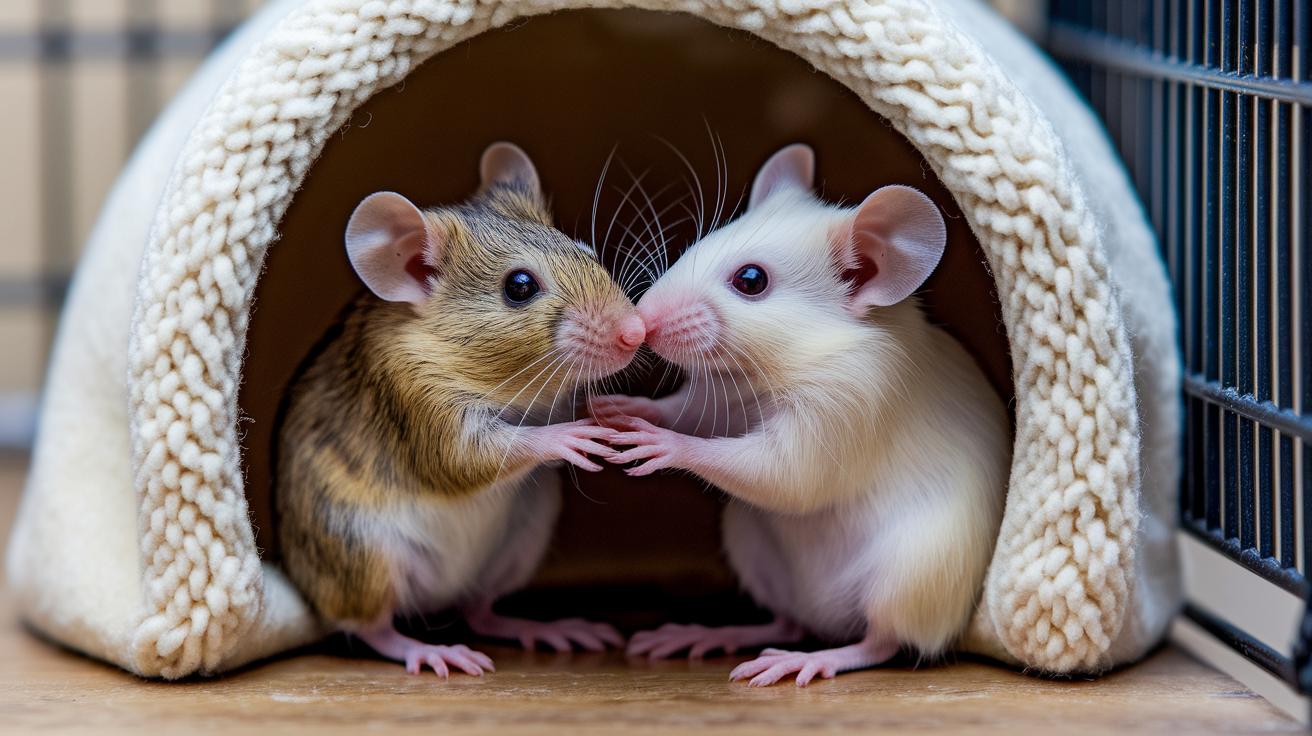
When you welcome a pet mouse into your home, you might notice their fur comes in different styles. Some mice sport short, shiny coats that are a breeze to maintain with just a quick wipe or a gentle brush. Others, like the Long Hair or Long Hair Satin types, need a bit more attention, imagine softly combing through velvety strands to keep them smooth and tangle-free.
For those with the charming Frizzie look, featuring tight little curls, a light comb or even a damp cloth can help tame the playful waves. And if you have a Hairless mouse, they may not need brushing at all; a mild wash with a damp cloth can be perfect for clearing away natural oils and keeping their skin happy.
Regular grooming is more than just keeping your tiny friend looking adorable. It’s a special time to check for any skin issues or signs that they might be uncomfortable. Plus, every mouse is unique, genetics play a big part in how their fur grows and behaves. Researchers have found that even small genetic differences can tip the balance between a sleek Standard coat and the bouncy curls of a Frizzie, adding even more character to your pet's appearance.
| Coat Type | Hair Description | Key Features |
|---|---|---|
| Standard | Short, sleek, and naturally shiny | Easy care, a timeless look |
| Satin | Fine, dense, and silky to touch | Glossy shimmer and smooth texture |
| Long Hair | Long, fine, and luxuriously silky | Graceful flow, needs extra care |
| Long Hair Satin | Long with a delicate satin shine | An elegant mix of length and glow |
| Frizzie | Tight, wavy fur with charming curls | A playful look that might need a light smooth |
| Frizzie Satin | Wavy with a beautiful, lustrous sheen | Curvy texture enhanced by extra shine |
| Hairless | Mostly or fully bare, showing tender skin | A striking appearance, big ears, and few whiskers |
Grooming your pet mouse is a chance not only to keep them looking their best but also to bond with them and ensure they’re feeling well. It’s amazing how a little attention can reveal details about their health and highlight the unique story written in their fur by genetics. Enjoy those moments, they’re as special as the tiny pitter-patter of paws on a quiet afternoon.
Color Patterns and Markings Across Pet Mice Breeds
Isn't it amazing how pet mice show off such vibrant coats, each one reflecting a bit of their playful personality? Sometimes you'll see a mouse with one smooth, solid color all over, and other times, you'll notice a fun two-tone look, with a warm tan or reddish top paired with a bright white belly. And occasionally, a little artistic detail pops up, like a natural mask or a stylish flair that makes them feel extra special!
| Color Group | Description | Example Markings |
|---|---|---|
| Self | One color all over the body | Solid chocolate or grey |
| Tan & Fox | Two-tone look with a warm reddish tan top and white belly | Golden fur on top with a white underside |
| Marked | Nine style variations that often include a mask-like pattern | Hooded or capped designs |
| AOC | Hair with bands of two or more colors | A subtle banding effect |
| AOCP | Distinct, multi-color patchworks (without white) | Bright, mixed patterns |
Temperament Profiles and Care Needs of Pet Mice Breeds

Pet mice may not live long, just about 1 to 3 years, but they sure know how to fill that time with charm. They thrive on being with others and are most active when the house is quiet at night. You can often see them exploring with bright, curious eyes, making every moment feel like a mini adventure.
These little buddies love gentle handling and fun, safe spaces to play. Think tunnels to scamper through, wheels to run on, and hammocks to lounge in. Picture a tiny explorer zipping through a twisty tunnel, filling your heart with a warm smile.
Creating the perfect little world for your mouse is key. They need a balanced rodent diet and a comfy, spacious cage with dust-free bedding, about 10 gallons for each pair so they can roam around freely. Regular checks help you keep their home snug and also let you spot any small changes in how they act or look.
If you have a long-haired mouse, a gentle brush now and then will keep its silky fur smooth, kind of like running your fingers through a soft, velvety blanket on a lazy day. On the other hand, hairless mice feel best in a cozier cage, with a room temperature around 75–80°F and extra bedding to protect their sensitive skin.
With routine cleaning, playful moments, and proper care, every pet mouse gets a nurturing spot where its unique charm can truly shine.
Choosing the Ideal Pet Mice Breed for Your Home
Choosing a pet mouse is like welcoming a tiny friend into your life. Think about your experience with pets, the space you have, your grooming routine, and the look that catches your eye. For many first-time pet parents, the Standard and Satin mice are like a cozy, welcoming hug, they’re friendly, easy to care for, and don’t demand much grooming.
If you’re enchanted by the idea of a luxurious coat, then Long Hair or Long Hair Satin mice might steal your heart with their gleaming, silky fur. Just a heads-up: they need a bit of regular brushing to keep that coat looking its best. And then there are the Frizzie and Frizzie Satin mice; their playful, curly coats and quirky whiskers make them stand out, though they do require a little extra gentle handling.
For something completely different, consider the Hairless mouse. They’re eye-catching, no doubt about it, but because their skin is extra sensitive, you’ll want to keep their habitat warm and snuggly with soft bedding.
Here’s an easy guide to help you decide:
- Standard & Satin: Great for beginners, these little pals are friendly and low-maintenance, perfect for small spaces.
- Long Hair & Long Hair Satin: Ideal for more experienced pet parents who adore a striking look and don’t mind a bit more grooming.
- Frizzie & Frizzie Satin: Perfect if you love a unique, curly coat and are ready to spend a bit more time on gentle care.
- Hairless: Best for those ready to go the extra mile with a controlled, warm environment for sensitive skin.
- Color and Markings: If you love capturing adorable photos and having a pet that shines even in low light, pick mice with colors that brighten your space.
Advanced Genetics and Rare Pet Mice Breed Insights
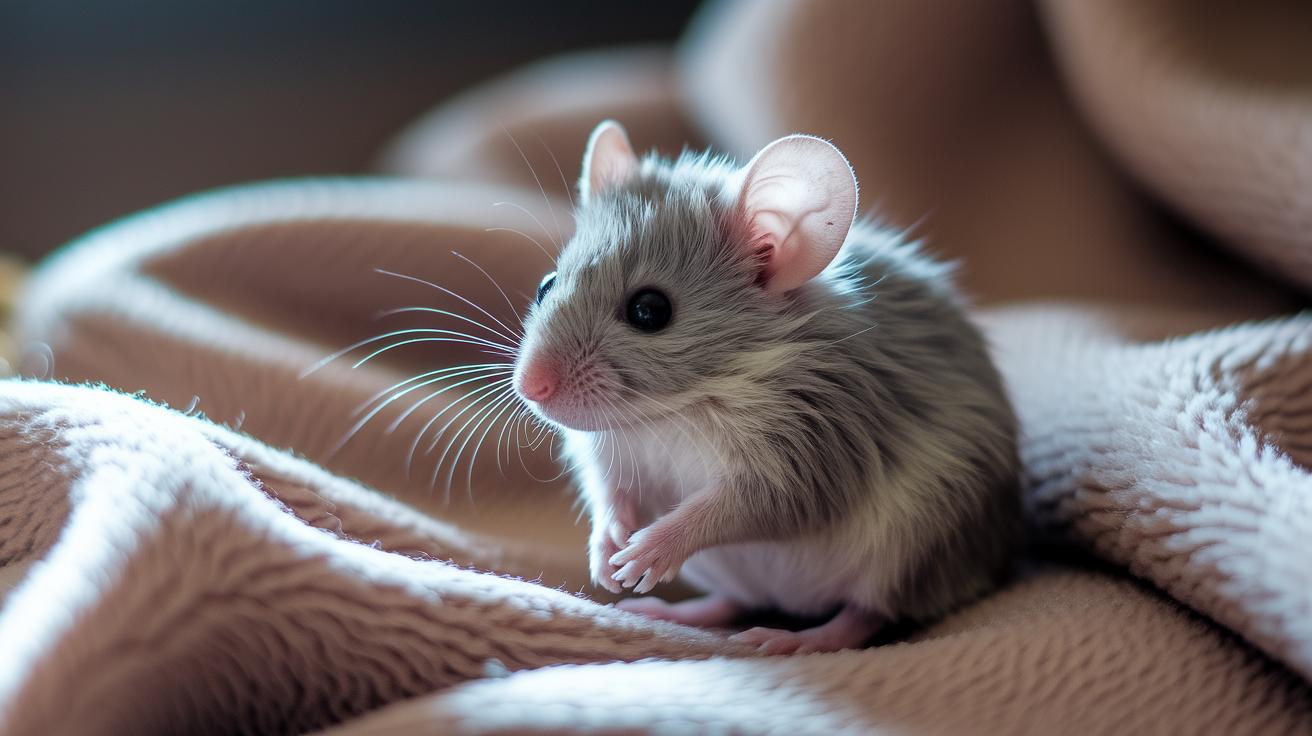
You know, it’s pretty amazing how selective breeding has transformed wild mice into the adorable pets we welcome into our homes today. Breeders start with wild Mus musculus and, over time, pick out the traits that make each little mouse uniquely charming. With lots of care, they’ve brought about a variety of genetic variations, from classic fur types to those truly rare coat mutations that make your heart skip a beat.
Take, for example, the Rex and Velvet mutations. Rex mice have naturally curly coats that give them a soft, tousled look, almost like a stylish, cuddly charm. And then there are Velvet mice, famous for their super-soft, plush fur that feels just as delightful as a warm hug. These unique traits pop up because of tiny changes in their genes, and sometimes they follow simple patterns of recessive or dominant inheritance. It’s like nature’s way of mixing and matching to create something special.
For those of you who love pet shows, breeders work extra hard to keep detailed records of each mouse’s lineage and mutation history. They note everything from mutation stability to pretty color patterns, ensuring that every show mouse meets the set standards. Imagine a breeder jotting down that a particular line consistently balances dominant fur colors with a hint of recessive curl, pretty cool, right?
All in all, this deep dive into mouse genetics shows us how the magic of nature pairs with thoughtful breeding. It’s a beautiful blend of science and love that helps these fascinating creatures evolve, all while keeping them endearing and ever-so-special in our hearts.
Final Words
In the action, we explored key aspects of pet mice breeds, from diverse coat types and color patterns to care needs and temperament quirks. We broke down each category with neat tables, bullet lists, and easy insights so every pet parent could find what works best for their little friend.
This guide shows how understanding each breed detail makes pet mouse care fun and rewarding. Every tip is meant to boost your confidence in choosing the perfect match for your home, keeping both you and your pet happy.
FAQ
Q: What are some popular pet mice breeds with pictures?
Popular pet mice include fancy mice with various coat types like standard, satin, and long hair. Many online galleries offer pictures to help you compare their shiny or silky coats and unique color patterns.
Q: Where can I find pet mice breeds for sale?
Pet mice are available through reputable breeders and pet stores. Websites often display pictures and details of different fancy mouse types, giving you an easy way to choose your new little friend.
Q: What is the best breed of pet mouse and what kinds can be kept as pets?
The best pet mice tend to be fancy mice known for their friendly and adaptable nature. They come in many coat types and colors that make them ideal companions for pet lovers.
Q: Do pet mice like being held?
Pet mice often enjoy being held gently if they are well socialized. Their individual personality plays a role, so supporting them securely helps them feel calm and safe.
Q: Is it better to get male or female pet mice?
Male and female mice may differ in temperament; males often are a bit more interactive while females can be less territorial. It’s best to select based on each mouse’s character and your comfort level.
Q: What are rare pet mice breeds or rare fancy mouse colors?
Rare pet mice feature unusual coat textures and uncommon color markings, such as distinct multi-color patterns. These unique traits make them intriguing choices for pet enthusiasts looking for something special.
Q: What is the difference between a fancy mouse and a house mouse?
Fancy mice are bred for their friendly nature and attractive coat types, ideal for pets. In contrast, house mice are wild and lack the tame qualities necessary for a safe, pleasant home environment.
Q: Are there large pet mice breeds available?
Some pet mice have been selectively bred to be larger than typical fancy mice. They still share the friendly traits of standard pet mice while offering a bit more heft in size.