


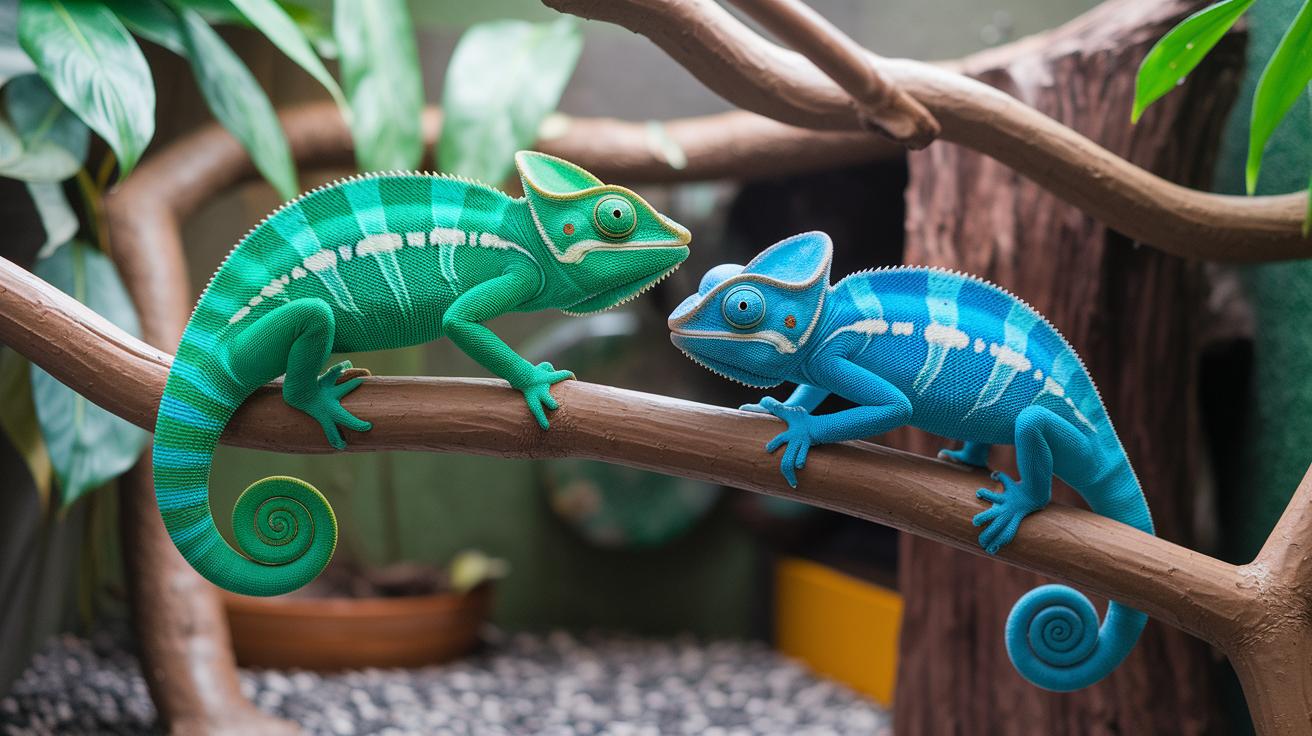
Have you ever thought about how a pet chameleon might match your own personality? These fascinating friends do more than simply change colors, they each have their own little quirks and care needs that can brighten your day. Today, we're chatting about five popular types of chameleons, from the bright, eye-catching flap-necked to the noble Oustalet’s. We’ll share fun, easy-to-understand details about their habits, sizes, and origins so you can pick the perfect scaly companion for your home and lifestyle.
pet chameleon breeds: Charming Care and Comparisons
Chameleons are simply fascinating pets, and their unique looks and habits can really catch your eye. Out of roughly 180 species around the world, only a few are common as pets, so it’s important to look at their differences before choosing one that fits your lifestyle. Take the small flap-necked chameleon, for example, it dazzles with bright yellow-green colors and a cool throat flap that flashes as a little warning sign.
There are five popular pet chameleon breeds, each with its own charm. Veiled chameleons, originally from Yemen and Saudi Arabia, handle daily routines like perching on branches and misting with ease. Meanwhile, the panther chameleon from Madagascar boasts stunning color changes, even though they may be a bit smaller when kept at home. Jackson’s chameleons from East Africa steal the spotlight with their three horns and a color shift from brown to vivid green. Oustalet’s chameleons, sometimes called Malagasy giants, need lots of space as they can grow up to 30 inches. And then the colorful flap-necked chameleons from Tanzania keep things compact, measuring around 12 inches. Each one offers a unique mix of size and personality, making it easier to find the perfect match for your home.
| Breed | Origin | Adult Size | Lifespan |
|---|---|---|---|
| Veiled Chameleon | Yemen & Saudi Arabia | 10–24 inches | 6–8 years |
| Panther Chameleon | Madagascar | ~21 inches (smaller in captivity) | Varies |
| Jackson’s Chameleon | East Africa | Moderate | Varies |
| Oustalet’s Chameleon | Madagascar | Up to 30 inches | Varies |
| Flap-Necked Chameleon | Tanzania | ~12 inches | Varies |
Beginner-Friendly Chameleon Options for New Owners

Starting out with chameleons is an exciting journey! When you're new to reptile care, it's a good idea to choose species that are a bit forgiving and can handle small slip-ups. Pick chameleons that thrive on a simple routine without needing an overly fancy diet or setup. That way, even if you miss a care task every now and then, your new friend can still be happy and healthy.
The Veiled Chameleon is a fantastic choice for beginners. They adjust well to life in captivity and need a straightforward care routine, a good, heavy spray each day provides the moisture they crave, kind of like a refreshing shower on a warm day. Their diet of live insects mixed with leafy greens is simple and easy to manage. Plus, these chameleons are pretty chill about little mistakes, making them a reliable companion for first-time pet owners.
On the flip side, if you're considering Jackson’s Chameleons, be aware that they have more specific needs. Their smaller size makes them appealing, but they require extra care, including misting three times a day and sticking to an all-insect diet. This means they’re probably better for someone who’s already a bit familiar with chameleon care rather than a complete beginner.
Specialized Care Guidelines for Top Chameleon Breeds
Care for Veiled Chameleons
These little climbers love a home that feels as breezy as a cool forest. They do best in enclosures with airy mesh screens, letting in fresh, gentle breezes all day. A daily, heavy mist is like a refreshing shower for them, mimicking light rain to keep them hydrated and happy. Their meals should be a balanced mix of live insects and leafy greens, imagine a picnic that fuels their tiny, vibrant energy. Plus, be sure to add tall branches so they can climb and explore at their leisure. And remember, too much handling can be overwhelming for these sensitive souls.
Picture this: treating your pet like a tiny arboreal athlete, with a mesh-screened room bursting with branches, their very own natural playground!
Care for Panther Chameleons
Panther Chameleons need a little extra care, especially when it comes to keeping their surroundings moist. They flourish with two gentle spritzes and one full, heavy spray each day, creating snug humidity levels that keep them comfortable. This moist environment is super important since these chameleons can be very particular about their space. Their diet is a delightful mix of insects and plant matter, offering them a mini buffet of nutrients. However, they can be territorial and sensitive to stress, so a calm and spacious habitat free from constant disturbances is key.
Imagine pampering a little monarch with a balanced meal and a gentle, refreshing bath, ensuring they feel right at home in their very own leafy kingdom!
Care for Jackson’s Chameleons
Jackson’s Chameleons are a bit more delicate, preferring cooler temperatures and a precise hydration routine. They need about three light mists throughout the day to stay comfortably moist and relaxed, like a soft, cool breeze keeping them content. Their diet is strictly live insects, so feeding them quality bugs is essential to keep their energy up. Since they get easily stressed, it's best to tuck their enclosure away in a quiet, peaceful corner where disturbances are few and far between.
Think of it like caring for a rare collectible: minimal disturbance and precise care create a cool, quiet retreat that lets your Jackson’s chameleon truly thrive.
Exploring Rare and Exotic Chameleon Pet Varieties

We've already covered details like where these chameleons come from, their size, and the way they catch your eye. Now, let's share some extra care tips and fun insights into their behavior that every pet lover will appreciate.
-
Oustalet’s Chameleon:
- This little guy can sometimes burst into unexpected hunting mode. Keep an eye on its interactions with other pets because its bursts of energy might catch you by surprise. Imagine watching it suddenly change colors and pounce on a moving toy – a true display of its wild roots.
- To keep it happy, add plenty of vertical spaces for climbing. It creates a mini jungle right at home, letting this chameleon feel like it’s back in its native habitat.
-
Flap-Necked Chameleon:
- Its unique neck flap isn’t just for show – it acts as a warning when it’s stressed. A calm, quiet space can really help reduce these signals. Picture your Flap-Necked slowly slipping into a cozy hideout, its neck flap softly fluttering like a little alarm to let you know it's time to relax.
- Make sure to set up a controlled UV light and a gentle temperature gradient. This helps it show its true colors and keeps it feeling healthy and secure.
Guide to Selecting and Purchasing Pet Chameleons
When you're thinking about bringing a chameleon home, the first thing to consider is where your new friend comes from. Captive-bred chameleons are raised in a home-like setting, which usually means they’re healthier and more comfortable with indoor care. A good breeder will proudly share that their chameleons come from a captive background. This not only keeps the little guy calm but also shows respect for nature.
Next, it’s important to think about the cost and what you’re signing up for in the long run. Prices can vary a lot. For example, Veiled Chameleons might cost between $30 and $60, while Panther Chameleons can run anywhere from $200 to $500. Higher prices often hint at extra care, better health checks, and a safer home environment. So, when you see a higher price, remember it might mean that you’re investing in a pet that has been well cared for and is set up for a happy life.
Also, make sure you’re dealing with someone you can trust. A responsible breeder will happily show you health records, explain their quarantine process, and even share customer reviews. Don’t hesitate to ask, “What do you do to keep your chameleons healthy and happy?” This question can go a long way in making sure your new pet is coming from a nurturing home.
Finally, keep an eye out for great places to find chameleons. Local reptile expos, specialty pet stores, and reputable online sites are all good choices. Ask questions like, “How long have you been breeding chameleons?” or “Can you share what other pet parents have said about you?” These simple chats help you know that your pet is not only well-raised but also ready to start its new life with you.
Essential Habitat Requirements for Pet Chameleon Breeds

When you set up your chameleon’s home, choose a tall cage with a mesh screen. This design gives your little friend lots of room to climb and plenty of fresh air. Try adding fun elements, like hanging vines, safe natural branches, or even a tiny water feature that mimics a gentle stream. Fun fact: chameleons love different textures in their surroundings because it helps ease stress and brings out their natural instincts.
Pay special attention to your misting system and humidity control. Use a timer-controlled mister that drips water slowly so it never pools on the bottom. Think of it like a soft morning dew settling on leaves, steady, safe, and soothing. This not only keeps the environment just right but also helps prevent slips and bacterial growth.
Lastly, look at your lighting and temperature setup. Your chameleon needs about 10–12 hours of full-spectrum UVB light, with room temperatures around 75–85°F and a basking area up to 95°F. Always make sure that all fixtures are firmly attached and cords are tucked safely away. Imagine a well-tended garden where every spot is both inviting and secure, you want your pet’s space to feel just as comforting.
Final Words
in the action, this article explored the top pet chameleon breeds, examined beginner-friendly options, and shared specialized care tips. We broke down each step, from choosing the right chameleon and setting up safe habitats to selecting reputable sellers, all with clear guidance and real-life insights.
The tips and care guidelines should help you feel happier about caring for your pet chameleon breeds. Enjoy watching your little friend thrive and add more warmth to your home.
FAQ
What sizes do pet chameleon breeds come in?
Pet chameleon sizes vary. Small species like Jackson’s remain compact, while medium types and larger ones—such as the Malagasy giant—grow noticeably bigger, offering options for different space needs.
What is the best chameleon pet for beginners and the easiest chameleon to take care of?
The best and simplest chameleon for newcomers is often the Veiled chameleon. Its hardy nature and forgiving care habits make it ideal for those just starting out.
Where can I find pet chameleon breeds for sale, including a Panther chameleon?
Pet chameleons, like the Panther chameleon, are available from trusted reptile breeders, specialty pet stores, and reputable online marketplaces, ensuring you get a healthy, captive-bred pet.
What are some rare pet chameleon breeds?
Rare pet chameleon breeds include the Malagasy giant and carpet chameleon. These unique chameleons are known for their unusual sizes and distinct skin patterns that make them stand out.
What breed of chameleon makes the best pet?
The best pet chameleon often includes breeds like Veiled, Panther, and Jackson’s. These species are loved for their striking appearances and popular care characteristics, fitting different pet owner needs.
Which chameleon is known for lower aggression?
The least aggressive chameleon is usually the Veiled chameleon. This species is known for its calm demeanor, making it easier to handle when kept in a serene, stress-free setup.
What are the main differences among popular chameleon species such as Panther, Veiled, and Jackson’s chameleon?
Popular species differ in care and appearance. Veiled chameleons are hardy, Panther chameleons display vivid color shifts, and Jackson’s grow unique horns while shifting from brown to bright green.
What does “Carpet chameleon” refer to?
The term “Carpet chameleon” refers to a less common species known for its distinct patterned skin. Research its care needs if you’re interested, as it can have unique habitat requirements.