


Ever wondered if a tiny dog might have a touch of royalty? Meet the Papillon, a little pup with a history that goes all the way back to 13th-century France. Imagine a lively companion with ears that flutter like delicate butterflies as it skips about. More than just a pretty face, this charming dog brings cleverness, endless energy, and deep loyalty to every home. Have you ever seen a pet that seems to carry a bit of royal magic? Consider giving the Papillon a try, you might just find your next best friend.
Papillon Dog Breed Overview and Key Traits
Did you know the Papillon’s roots go way back to 13th century France? This tiny dog was once called the "dwarf spaniel" or "butterfly dog," thanks to its big, fringed ears that dance like delicate wings. Imagine it strolling through palace gardens as a charming companion to French nobility. It’s hard not to fall in love with a pup that has such a royal past.
These little dogs stand just 8–11 inches tall at the shoulder and tip the scales at 5–10 pounds. Their long, silky coat is mostly white with delightful splashes of black, tan, sable, or tricolor. Picture a tiny performer draped in a cascade of colors, with feathered ears, legs, chest, and tail that add a touch of elegance and playfulness.
Papillons are known for their energetic and clever character. Though small, they carry themselves with a confident spirit, making them surprisingly good watchdogs. They love regular playtime and little brain teasers to keep their energy balanced. Loyal and affectionate, these pups bring tons of charm and enthusiasm to any family. They aren’t the classic lapdogs who demand constant cuddles, but rather spirited friends ready to explore and share happy moments with you.
Papillon Dog History and French Origins

Back in the 1500s, talented artists like Titian captured glimpses of what we now call the Papillon. These early paintings show small, elegant dogs that already carried a hint of magic. Imagine a painter carefully sketching a dog with delicate features and butterfly-like ears, setting the stage for a breed that would win many hearts.
In France and Belgium, these little dogs quickly became the charm of high society. The royals and nobles adored their playful spirit and graceful look. They weren’t just pets; they were a sign of elegance, mingling in royal courts and busy noble households, and slowly but surely, their delightful appeal spread far and wide.
Over time, devoted enthusiasts refined these early traits into the modern standard. They aimed for a lovely white coat accented with dashes of color and, most notably, those perky, fringed ears. The name "Papillon" means "butterfly" in French, perfectly capturing the breed’s enchanting appearance, while the drop-eared variety came to be lovingly known as "Phalène."
Papillon Dog Physical Characteristics and Functional Traits
Papillons are just the right size, which makes them quick on their feet and easy to care for at home. Their balanced build lets them dash around playfully inside even small spaces.
| Measurement | Range |
|---|---|
| Height | 8–11 inches |
| Weight | 5–10 pounds |
They stand tall and walk with a confident, graceful trot that shows off both their energy and elegance. Their long, flowing fur, with pretty feathering along the ears, chest, and legs, plus a high-set, feathery tail, adds a bit of flair to every step. For a bit of fun, try brushing them with gentle, sweeping strokes like you're getting ready for a calm, sunny afternoon with a good book. Regular brushing isn’t just for looks; it also keeps their skin healthy and happy, so their stylish coat matches their lively spirit.
Papillon Dog Temperament and Personality Profile
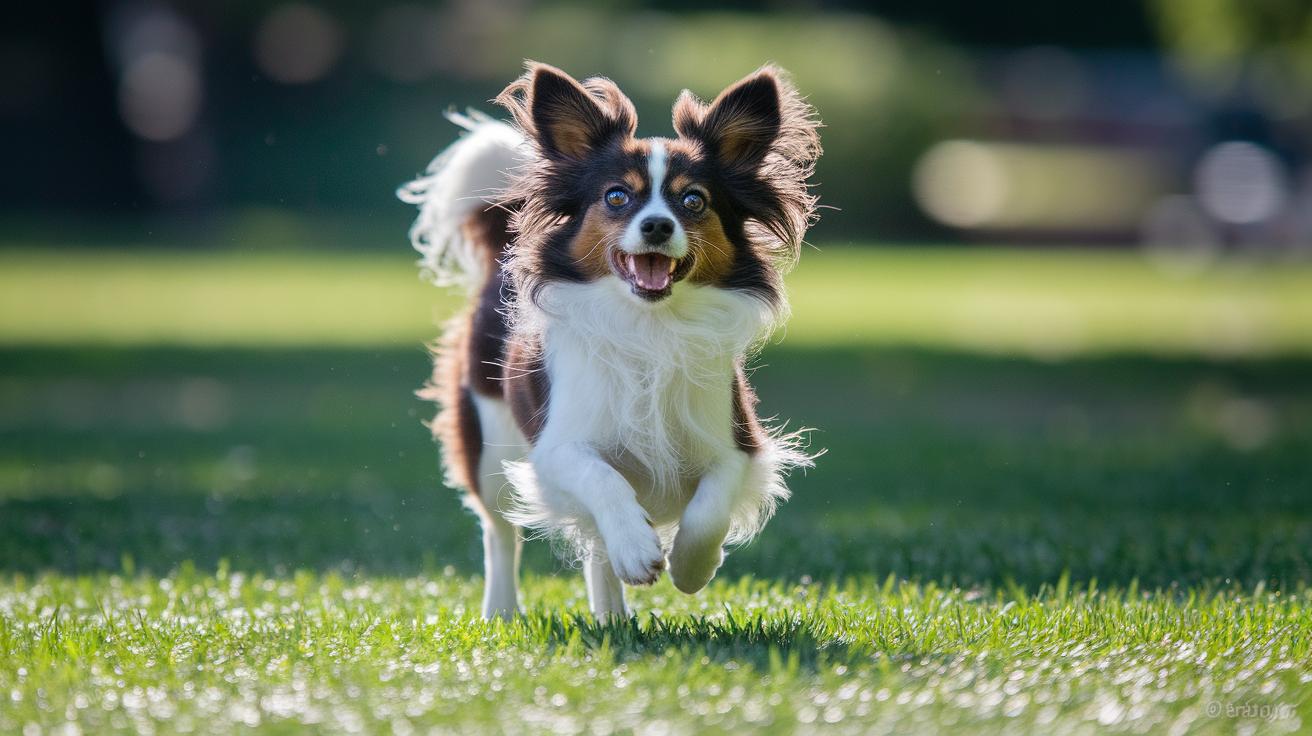
Papillons are lively little dogs packed with energy and character. They're known for their spirited nature and have a knack for being tiny watchdogs, always alert and ready to keep an eye on things. Even on a quick stroll, you might catch one scanning its surroundings like a mini guardian. Picture a playful pup halting mid-run to listen closely to an unexpected sound, it's a charming peek into their naturally vigilant side.
But, like many small dogs, Papillons can sometimes develop what folks call "small dog syndrome" if they aren't guided from an early age. Left untrained, they might get a bit bossy or stubborn, sometimes even trying to tell a much larger pet what to do during playtime. Using simple tactics like treats and praise in short, focused training sessions really helps shape a calm and respectful behavior.
Well-socialized Papillons make wonderful companions for families, kids, and even households with several pets. They’re always eager to join in on family fun, mingling comfortably with both people and other animals. Imagine a tiny, butterfly-like pup darting happily between children or settling quietly next to another pet on a lazy afternoon, that’s the affectionate, friendly nature of a Papillon shining through.
Papillon Dog Training and Socialization Essentials
When starting out with your Papillon's training, using a positive approach really makes a difference. Try to keep sessions short, just 5 to 10 minutes, in a quiet spot where your little friend can focus. Use cheerful praise and some tasty treats to mark the right moves right away. You can even toss in a clicker or a favorite toy to spice things up. For instance, a quick “Good job!” paired with a treat each time they follow a command helps build a fun, consistent learning vibe.
Socializing your Papillon between 8 and 16 weeks is super important. At this age, your pup is like a tiny explorer ready for new adventures. Introduce them to different people, other pets, and a variety of places. It’s like letting them enjoy a mini adventure filled with friendly faces and interesting smells. Over time, these experiences help boost their confidence and make daily outings a lot more enjoyable.
Building a solid base with simple commands like sit, stay, and come is key to a well-behaved pup. Keep your instructions clear and repeat them often so your furry friend knows what’s expected. Alongside this, starting leash walks and potty training early on helps your Papillon learn the house rules without making training feel like a chore. Keep it light, fun, and full of little rewards, and you’ll both enjoy every moment of the journey.
Papillon Dog Care and Grooming Requirements
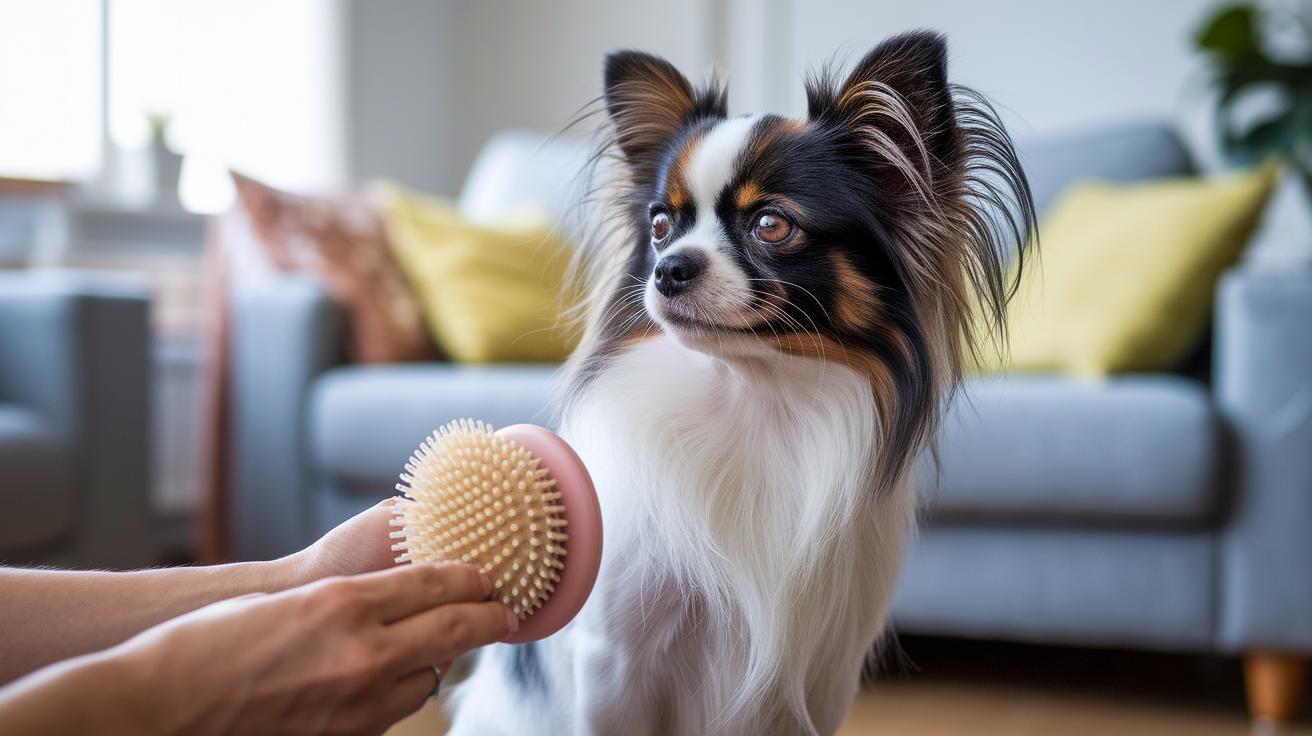
When it's time to groom your papillon, having the right tools makes all the difference. Grab a soft-bristled brush, a gentle shampoo made for fine coats, nail clippers, a pet-friendly toothbrush with toothpaste, and some ear cleaning supplies. Imagine spending a lazy afternoon gently brushing through your papillon's silky fur, like untangling a delicate scarf, to keep it smooth and free of mats.
Here’s a simple routine to keep your little one shining:
- Brush the coat every week
- Give a mild shampoo bath once a month
- Clean the ears weekly
- Trim the nails every 3–4 weeks
- Brush their teeth 2–3 times a week
It’s also helpful to have monthly and yearly checks. Each month, take a moment to look closely at your papillon’s ears for any debris and check the eyes for signs of irritation. Regular nail trims and tooth brushing can prevent discomfort and health issues. Then, once a year, try a thorough grooming session. Trim any extra hair and give their skin and fur a careful review. This caring routine not only keeps your little butterfly dog healthy but also helps you spot any early signs of problems, so your furry friend can always look and feel radiant.
Papillon Dog Health Issues and Lifespan
Papillons usually live between 12 and 16 years. Their lifespan depends on a mix of factors like good genes, proper nutrition, and regular exercise. Keeping them on a healthy path with a balanced diet and the right amount of activity helps these little dogs stay lively, even though they have a delicate build.
One common problem papillons face is luxating patella. This means the kneecap slips out of place, causing discomfort or even pain. Smart breeders keep a close watch on this issue by checking the kneecap’s condition and advising pet parents to control weight and ensure moderate exercise to keep joints stable.
You should also be alert for issues such as an open fontanelle, where the soft spots on their skull stay open a bit longer than usual, or a collapsed trachea, which can make breathing hard for your furry friend. Dental problems can pop up too, so regular teeth checks are key to avoiding pain or infections.
Regular vet visits are like a safety net, catching potential problems before they grow. Many responsible breeders run genetic tests, including skull X-rays and dental exams, before a puppy finds its new home. Spotting issues early and giving your papillon the care and love they deserve can really help them enjoy a long, happy life.
Papillon Dog Apartment Living and Family Fit
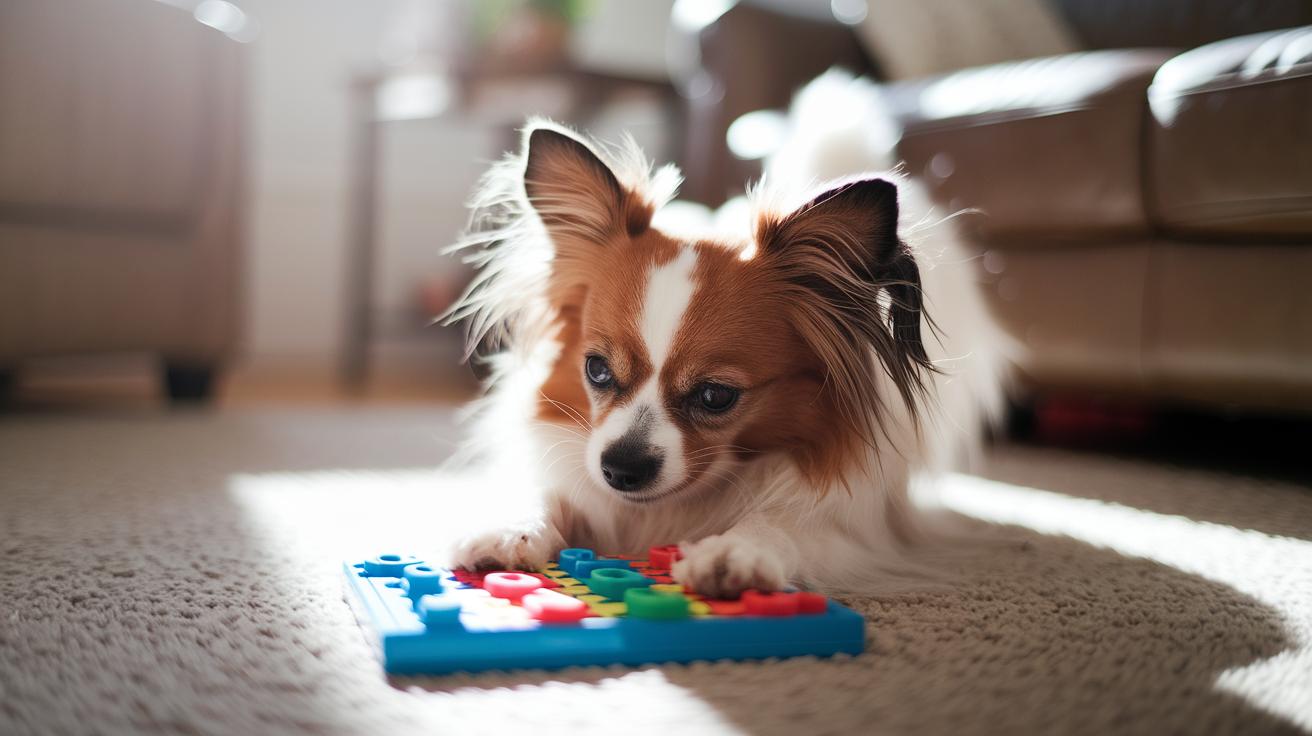
Living in the city? Papillons adjust quite well when you keep them moving with a few fun walks, playful sessions, or even some engaging puzzle toys. Picture yourself enjoying a brisk stroll on a cool morning, then coming home to cuddle up as your pup settles into relaxed, indoor games. It’s a simple routine that helps manage their energy so that they don’t get too hyper in the apartment.
When it comes to family life, papillons really make themselves at home. They form close, loving bonds with their owners, making them wonderful companions for both seniors and families with active kids. Introducing them slowly to other pets or little ones in a gentle, controlled way makes the transition easy, kind of like easing into a warm, welcoming circle of friends. With just a bit of care and a lot of love, your papillon can quickly become the heart of a happy, bustling household.
Papillon Dog Adoption and Cost Expectations
Adopting a Papillon can feel like a treat for your wallet or a little splurge, depending on where you find your new buddy. If you visit a shelter, you might pay around $300, a warm, welcoming price for these delightful pups. But if you go to a breeder, be prepared for fees anywhere between $900 and $3,200. Prices change based on factors such as the pup’s family history, coat color, and whether they come from champion or rare show-quality lines. And remember, the initial cost is just the start, ongoing health care is another key part of pet ownership.
When looking for a trusted breeder, don’t hesitate to ask for full health records and pedigree details. They should test for issues like luxating patella (a knee problem) and collapsed trachea (a breathing issue), and it’s a good idea to learn about the temperaments of both puppy parents. Visiting the breeder’s facility can really help you see the living conditions and how well the puppy has been socialized early on. These simple steps go a long way to ensuring a happy, healthy beginning for you and your new French butterfly pup.
Final Words
In the action of exploring the papillon dog breed, we uncovered its charming French history, compact size, and silky, patchy coat. We also chatted about their spunky personalities, training tips, and grooming routines that keep these little pets happy. Each section shared quick, useful advice, from health checks to living comfortably in small spaces, so you can feel confident about their care. Enjoy every playful moment with your papillon dog and know that every tip is meant to boost their joy and well-being.
FAQ
How much do Papillon dogs cost?
Papillon dog cost typically ranges from $900 to $3,200 when purchased from breeders, with adoption fees starting around $300. Pricing factors include pedigree, lineage, and champion quality.
How do you pronounce Papillon dog?
The Papillon dog name is pronounced “pa-pee-yohn,” echoing its French roots and meaning “butterfly.”
Are Papillon dogs hypoallergenic?
Papillon dogs are not truly hypoallergenic. Their fine, silky coat sheds minimally but may still trigger allergies in sensitive individuals.
Where can I find Papillon dogs for sale?
Papillon dogs for sale are available through reputable breeders, shelters, and adoption agencies. Always verify health and pedigree records before welcoming a new pet home.
What is the Papillon dog’s temperament like?
The Papillon dog temperament is lively, alert, and full of personality, making them engaging companions who are friendly and intelligent with proper training.
Can Papillon dogs be black and white?
Papillon dogs often feature a white base with contrasting patches of black. This striking pattern is one of their distinct and charming coat variations.
What is the origin of Papillon dogs?
Papillon dogs trace their origin back to 13th-century France, where they were first known as dwarf spaniels and later earned their name due to their butterfly-like ears.
Do Papillon dogs bark a lot?
Papillon dogs bark to alert their owners to unfamiliar sounds or visitors, but proper training and socialization help keep their barking under control.
Are Papillons high maintenance dogs?
Papillons require regular grooming, exercise, and early training. Despite their small size, they have high energy levels and thrive with structured routines.
Why are Papillons expensive?
Papillons are expensive because of quality breeding, validated pedigrees, and health screenings. Their cost reflects their show-level lineage, unique coat patterns, and careful breeder selection.