


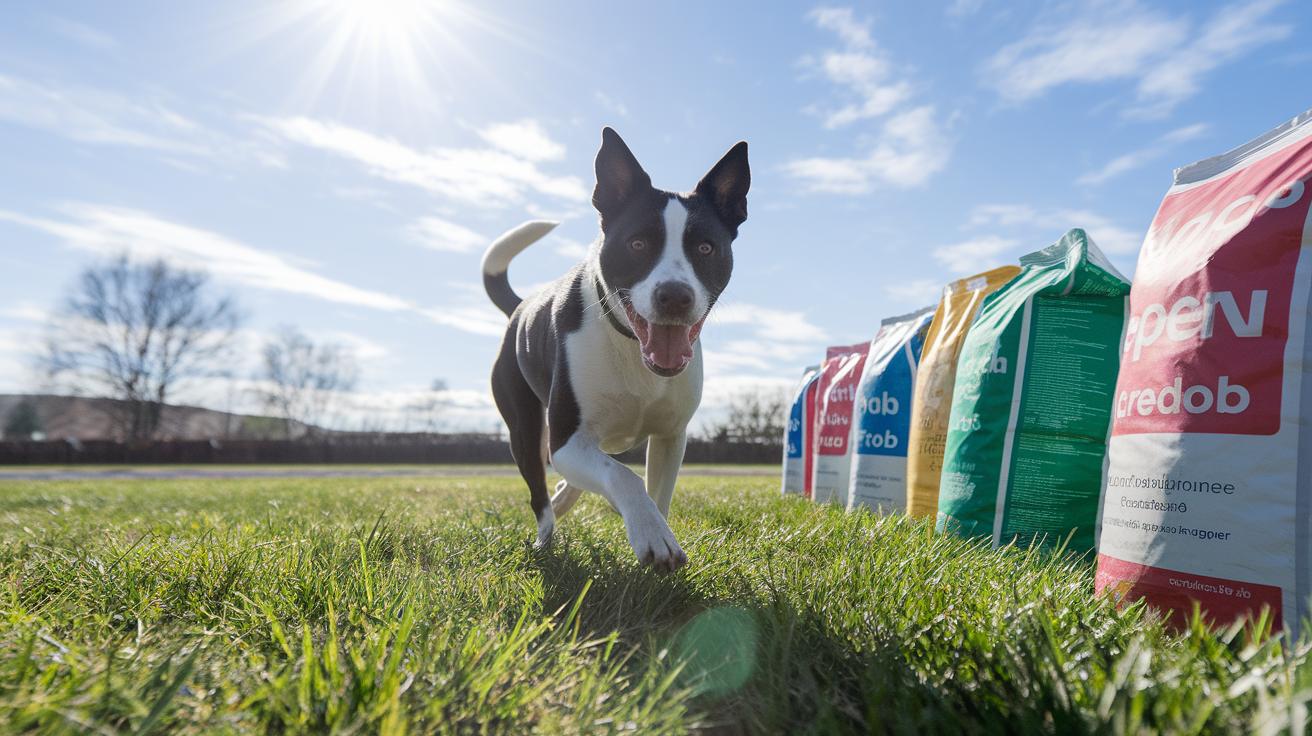
Have you ever watched your active pet race around and wondered if their food is really giving them the energy they need? It turns out that a busy buddy might need up to 30% more calories than a more relaxed one.
Imagine serving up a meal that acts like a little power-up, packed with quality proteins and quick energy boosters that help your furry friend zoom around and explore all day. In this chat, we'll dive into how the right mix of nutrients can keep your pet energized, letting them sprint, leap, and enjoy every moment outside.
Comprehensive Outdoor Pet Nutrition for Active Animals
If your furry friend is bursting with energy, they might actually need 20-30% more calories than a more laid-back pet. Imagine a speedy Greyhound that needs an extra boost before its big run. Depending on their daily activity, age, breed, and body condition, each pet's calorie needs can be a bit different. Splitting these calories into 2-4 meals a day helps maintain steady energy, especially during those long, exciting adventures.
Think of your pet's meal as a mini power-up. Quality proteins from chicken, beef, fish, or lamb help build muscles and repair tissues after a busy day outdoors. Add in healthy fats that are quick to digest for a fast energy burst, along with complex carbohydrates that offer a quick recharge. Every bite works like a little boost for your pet's next adventure.
Getting the portion sizes just right is super important. If your active pet loves to run like the wind, you might need to serve a bit more food compared to a pet who enjoys a leisurely stroll. Keeping an eye on your pet’s weight, energy levels, and overall health will help you fine-tune their meal plan perfectly.
Practical pet nutrition reminders:
- Check the type of activity and daily energy burn.
- Split your pet’s daily food into several small meals.
- Choose foods that pack a nutritional punch.
And remember – chatting with your vet about your pet’s unique needs can help adjust the feeding plan to keep them performing at their best and thriving every day.
Key Nutrients in Outdoor Pet Nutrition for Active Animals

Fats are your pet’s quick energy boost. They offer fast-digesting power that helps your furry friend move with extra pep when playtime calls. Picture a playful pup dashing around, energized by little packets of fat that fire them up much faster than proteins or carbs ever could.
Proteins, on the other hand, are the building blocks that keep muscles strong and tissues in tip-top shape. When your pet races through the outdoors, proteins work hard to build lean muscle and mend any little aches after a burst of action. Think of a sleek dog, happily running with all the strength that high-quality protein provides.
Carbohydrates deliver a speedy supply of energy, topping up your pet’s fuel stores almost instantly. It’s a bit like filling a race car with just enough fuel to speed through every corner. And even a small helping of vitamins and minerals plays a big part by boosting the immune system and fine-tuning how their body works, ensuring your pet is always ready for the next adventure.
Water and electrolytes are just as important. They help keep your pet well-hydrated and balanced, especially after an energetic romp. Imagine those moments when, after a lively play session, a cool drink makes everything feel refreshed and right again.
Hydration Strategies in Outdoor Pet Nutrition for Active Animals
When our playful pals run around outside, they can lose water and key nutrients really fast. You know how a cool drink feels amazing after a quick sprint? That’s why it’s important to always have fresh water available for them. And sometimes, adding an electrolyte supplement can be like giving your furry friend a little boost during longer adventures.
It’s best to avoid feeding your pet right before or immediately after a burst of energy. A good rule is to wait at least an hour after heavy play. For example, if your dog dashes around chasing a ball, let them rest for about 60 minutes before offering a meal. This little pause helps their tummy settle, just like you might take a breather after a run.
For extended outings, try healthy, easy-to-digest snacks like small bits of lean meat or freeze-dried treats. They’re a fun way to keep energy levels up while you both enjoy the day.
Practical hydration tips:
- Always have fresh water available.
- Use electrolyte supplements when needed.
- Keep an eye out for signs of dehydration, like heavy panting or dry gums.
Outdoor Pet Meal Planning and Timing for Active Animals

When you split your pet’s daily meals into 2 to 4 smaller servings, it helps keep their energy nice and steady all day long. For example, if your playful pup loves a few bursts of fun, try serving a breakfast, a little snack around midday, and a hearty dinner in the evening. It’s kind of like when you enjoy a good spread throughout your day instead of one huge meal that leaves you feeling wobbly.
It’s a great idea to feed your pet about 1 to 2 hours before any big play session or walk. This way, their tummy has time to settle, and they won’t feel too full while zooming around. Picture your furry friend eagerly waiting, tail wagging, for a fun romp at the park, a light, well-timed meal can make all the difference in keeping that energy balanced.
After a bout of active play, don’t forget to offer a meal that mixes protein and carbohydrates. This combo acts like a mini repair workshop, helping their muscles recover and replenishing their energy quickly, kind of like grabbing a quick snack after a bike ride. And remember, if you’re thinking of trying out a new food, slowly mix it with their current chow over a week or so. Keeping things gradual helps avoid any upset tummies, and regular check-ups with your vet will make sure your pet’s meal plan stays just right for all those busy days.
Supplement Solutions in Outdoor Pet Nutrition for Active Animals
When your adventurous pet sets off on a lively outdoor adventure, a little extra boost can really help. Think of a quick snack like a jerky strip or a supplement chew as a mini pick-me-up, almost like a refreshing sip after a sunny walk.
During those long, playful moments, mixing a bit of electrolyte powder in water can be a game changer. Imagine your pet sipping on a cool, tasty drink that not only quenches thirst but also replaces important minerals lost during fun, active play. Plus, natural herbs like turmeric or ginger act like little helpers, supporting joint comfort and smooth digestion, almost as if they’re giving your pet a gentle nudge to keep moving.
Here are some friendly tips to keep in mind:
- Check with your veterinarian before adding any new supplement to your pet’s diet.
- Introduce new treats slowly over several days.
- Watch for any changes in how your pet behaves or digests after starting something new.
By following these simple, vet-approved tips, you can make sure your pet stays full of energy and ready to enjoy every moment of the great outdoors.
Case Studies and Expert Tips in Outdoor Pet Nutrition for Active Animals

Have you ever seen a racing Greyhound burst into a speedy sprint? These graceful athletes truly shine on meals that are low in carbs but packed with fats and proteins. One trainer once shared a heartwarming story: after slowly switching to lean proteins and fast-burning fats, a Greyhound blazed past its competition in record time. It just goes to show how even small changes in food can give them an exciting boost!
On the other hand, working herding dogs need fuel that lasts. Their busy days call for steady-release carbohydrates mixed with a moderate dose of fats, so they get energy that lasts all day long. One experienced handler mentioned that by tweaking portion sizes and swapping a few ingredients here and there, their diet perfectly matched their dog’s long hours of work. It’s amazing how little adjustments can lead to big results!
Expert veterinarians also suggest that pet parents schedule nutrition reviews every few months. These check-ups help ensure that your pet’s food plan fits their changing activity levels and health needs. By keeping an eye on things like energy, weight, and overall wellness, you can fine-tune the diet as needed.
Key tips include:
| Tip | Detail |
|---|---|
| Meal Portions | Gradually adjust portions based on your pet’s daily activity. |
| Ingredient Swaps | Consider switching up ingredients to give bursts of energy when needed. |
| Vet Check-Ups | Book regular check-ups to see if the diet needs a little extra love. |
This thoughtful, research-based approach lets pet parents tailor feeding plans that truly spark energy in their active companions. It’s like creating a menu that keeps our furry friends happy, healthy, and ready for any adventure!
Final Words
In the action of mastering pet care, this article breaks down feeding routines, hydration methods, meal timing, and supplement options for active animals. We explored how proteins, carbs, and essential nutrients work together to fuel playful energy. The guide also offered practical examples and expert insights for tweaking plans as your pet's needs change.
Keep embracing outdoor pet nutrition for active animals, and enjoy every moment spent with your lively companion.
FAQ
Best outdoor pet nutrition for active animals
The best outdoor pet nutrition for active animals includes high-quality proteins, healthy fats, and complex carbohydrates that supply extra calories—typically 20–30% more—to support energy needs during physical activities.
What is a Pet Diet Formulator?
A Pet Diet Formulator is a tool that customizes your pet’s meal plan by balancing nutrients, calorie needs, and activity levels to craft a personalized, well-rounded diet.
What is veterinary nutrition?
Veterinary nutrition involves designing balanced diets for pets, taking into account their health, breed, and activity levels, with advice from professional veterinarians to keep them thriving.
How many calories should my dog eat to lose weight?
The calorie intake for weight loss depends on your dog’s size, breed, and activity level, typically reducing maintenance calories by about 20–30% to help shed extra pounds.
How often and how much should I feed my dog, including small or 1-year-old pets?
Feeding frequency and portions vary; smaller dogs or 1-year-olds may benefit from multiple small meals each day to maintain steady energy, while larger dogs might do well with two meals.
How do I use a nursing dog calorie calculator?
A nursing dog calorie calculator estimates the extra calories needed during lactation to support both the mother and her puppies, helping adjust their diet for optimal recovery and milk production.
What diet should an active dog have, and how do I feed them?
Active dogs thrive on a mix of high-quality proteins, healthy fats, and complex carbohydrates. Feeding them before and after play or exercise ensures sustained energy and aids recovery.
Which food is the highest nutritious for animals?
The highest nutritious pet food is one that balances lean proteins, natural fats, and essential vitamins and minerals, supporting muscle health, energy, and overall wellness in pets.