


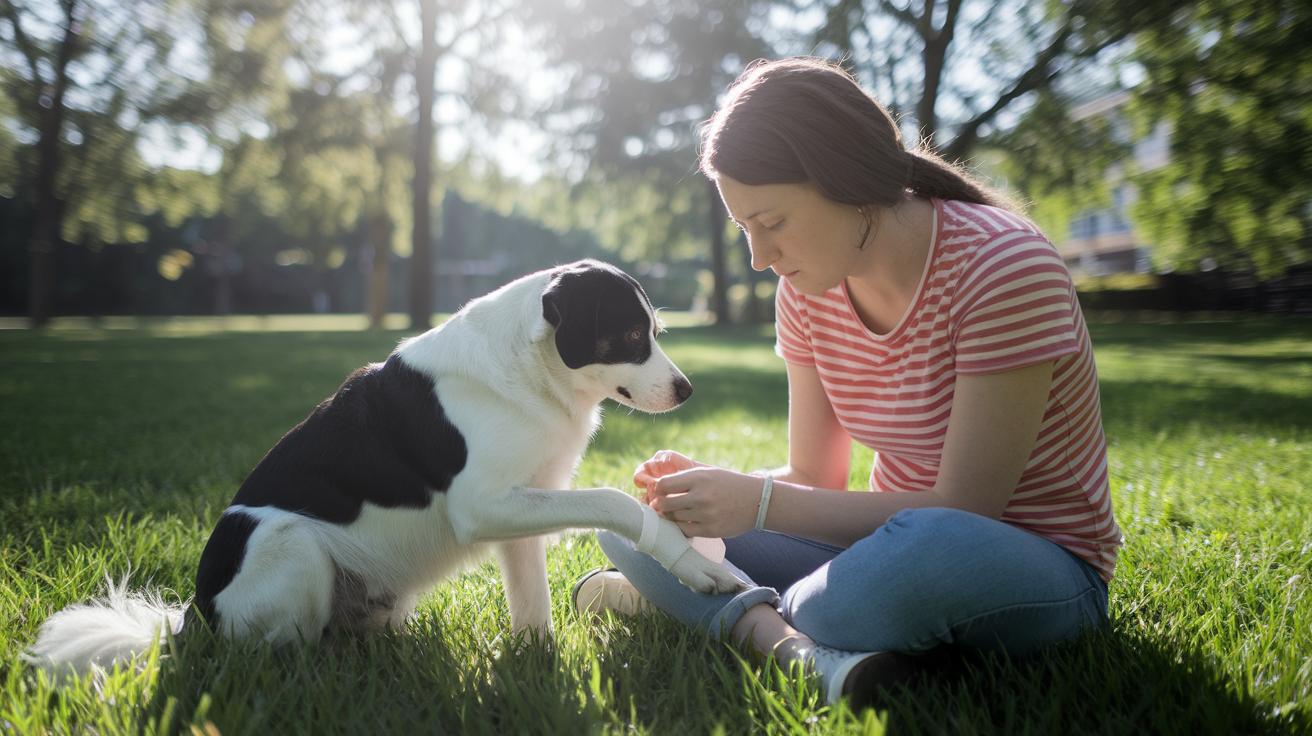
Ever been out with your pet and wondered what to do if they get hurt? It can be a little scary at first, but having some basic first aid tips gives you real peace of mind. Next, take a moment to check the area around you, secure your pet with a leash, and gently look for any signs that something might be wrong. With a simple kit and a few easy steps, you’ll soon be ready to help your furry friend if a little mishap occurs during your outdoor adventure.
Outdoor Pet First Response Procedures
When your furry friend gets hurt outside, your very first move should be to check that the area is safe. Take a moment to scan around for things like loose stones, uneven patches of ground, or even wild critters that might be nearby. By keeping calm, you help ease your pet’s worries. Picture your dog limping near a fallen branch, it makes sense to pause and look around to spot any dangers before heading closer. This careful look-around helps keep both you and your pet out of harm's way as you prepare to help.
- Ensure the area is safe for both you and your pet
- Use a leash or muzzle to secure your pet as you approach
- Check vital signs like breathing, and make sure their airway and circulation are okay
- Watch for signs like fast breathing, pale gums, or obvious weakness
Next, once you know it’s safe, slowly approach your pet while still keeping safety in mind. Secure your pet with a leash or, if you need to, even a muzzle to prevent any unexpected surprises. Then, take a moment to check their breathing, making sure their airway is clear and blood is circulating well. Look carefully for any signs that something might be off, like rapid breathing or gums that look pale, since these could be clues that your pet is in trouble, even if they seem awake. Each little step helps you figure out whether more first aid, like CPR or stopping bleeding, is necessary before you can get professional help.
Essential Outdoor Pet First Aid Kit Supplies

When you're out on an adventure with your pet, having a handy first aid kit can really save the day. It gives you that extra bit of confidence to handle little mishaps when you're away from home. Packing a few easy-to-use items in a waterproof case is always a smart move. Imagine you're enjoying a walk in the park and notice your furry friend has a small cut, being able to quickly clean it up and wrap it makes all the difference.
Here's a friendly checklist of must-have supplies:
- Vet wrap for snug bandaging
- Self-adhering bandages to keep dressings in place
- Styptic powder to stop minor bleeding
- Sterile gauze pads to cover wounds
- Antiseptic wipes for cleaning up scratches
- Adhesive tape for extra security on gauze
- Tweezers to carefully remove splinters or ticks
Each item plays its own little role. For instance, vet wrap and self-adhering bandages protect and hold the area steady, while styptic powder and gauze pads help control bleeding. Antiseptic wipes are great for cleaning and preventing infections, and adhesive tape ties everything together, all without any fuss. Tweezers come in handy when you need to remove a pesky splinter or tick that could cause trouble later on.
It’s a good idea to check your kit regularly too. Make sure nothing is expired or used up, so your supplies are always ready when you need them. With this simple setup in a waterproof, durable case, you can enjoy your outdoor fun knowing you're prepared to take care of your pet until you can get professional help if things get serious.
Common Outdoor Pet Injuries & Animal Injury Treatment
When your furry friend gets injured outdoors, it can really throw you off. Accidents happen in a flash, a cut here, a heat crash there, or even a bite, and knowing a few simple steps can help you keep your pet safe until the vet can take a look. Think of it as being a good friend: calm, caring, and ready to help when things go a bit sideways.
Cuts & Wounds
If your pet gets a little scrape or cut, first gently clean the spot with an antiseptic wipe. Press a clean cloth or piece of gauze against the wound to help slow down the bleeding. Once things calm down, wrap the injury with a bandage or some vet wrap. It’s a bit like carefully tucking in a favorite toy, small actions that really make a difference in stopping the injury from getting worse.
Heat-Related Issues
Hot weather can catch your pet off guard. When you notice heavy panting, lots of drooling, or a sudden sluggishness, move your pet out of the sun right away. Give them cool water to sip and gently dab their body with a damp cloth. These quick steps help lower their body temperature, much like finding relief on a sweltering summer day.
Bites & Stings
If your pet gets bitten or stung by a snake or insect, staying calm is key. Try to move them slowly to avoid more harm and clean the area as best as you can without adding stress. Cover the wound lightly with a clean bandage and keep an eye out for signs of swelling or unusual behavior. Being careful here can help stop the problem from getting worse and might even ease your pet’s discomfort.
Poisoning & Choking
Sometimes, a pet may accidentally ingest something harmful or start choking. Look out for signs like sudden vomiting, clumsiness, or struggling to breathe. If you see these signs, gently check their mouth for any debris or toxin that could be blocking their breathing. If you spot something small, carefully try to remove it, but always be gentle. This quick check can help your pet breathe normally until a vet steps in to offer more help.
Portable CPR & Choking Response for Outdoor Pets

When you're out enjoying nature with your pet and an emergency happens, quick, calm action is key. This guide walks you through simple, life-saving CPR steps and how to clear airway blockages, much like the first aid you'd use for yourself, only with some pet-friendly tweaks.
CPR Techniques for Canines and Felines
If your pet suddenly struggles to breathe, performing CPR might give them a fighting chance. For a large dog, start by giving two rescue breaths; gently close their mouth and breathe into their nose. If your pet tips the scales above 60 pounds, use the heel of your hand to do chest compressions at about one per second, aim for 60 per minute. You’ll want to alternate 30 compressions with two breaths. Imagine you're on a quiet camping trail, heart pounding but steady, calmly following these steps to help your furry friend keep their precious oxygen flowing until professional help arrives.
Clearing Airway Obstructions
If your pet is choking, it’s all about gentle speed. Carefully open their mouth and look for any blockage you might see. If you spot something, try to remove it bit by bit and check for a little rise in the chest when you give rescue breaths. This careful, step-by-step approach can help them breathe easier and keep them safe on their journey to recovery until you get to a vet.
Prevention & Field Safety Tactics for Outdoor Pet Care
When you head outdoors with your pet, a little planning goes a long way. Stick to clear, well-used trails so you can dodge poisonous plants and other hidden hazards. Keep an eye on the sky, too, sudden weather changes can catch you both off guard. And don’t forget to pause for a drink; a few water breaks mean your furry buddy stays comfy on longer walks. Using tick and flea preventatives is like giving your pet a cozy shield against pesky critters. It's all about smart habits that keep outdoor adventures fun rather than stressful.
Keeping things secure is just as important. A sturdy leash is a must; it stops your pet from wandering into unsafe spots or getting too close to unfamiliar animals. Watch them close so you catch any signs of tiredness or distress early on. With these field safety steps, you create a safe space where your pet can happily explore, making every adventure as joyful as it is secure.
Emergency Vet Access & Outdoor Transport Planning

When you're out enjoying adventures with your pet, having a clear plan for emergency vet access is a lifesaver. It’s a great idea to scout out nearby emergency clinics ahead of time – for example, check out the one at 4450 Stine Rd STE A, Bakersfield CA 93313 – so you always know where to head when every second counts. I even keep a printed list of my vet’s contact details; trust me, it can really save you time when you need to quickly explain what’s going on with your furry friend.
Have you ever set up a special carrier or stretcher for unexpected vet trips? Preparing one before you head out, like choosing a sturdy, portable option, makes a huge difference in keeping your pet safe during an emergency. I like to keep a leash and muzzle handy too; these help keep your pet calm and secure when you’re in a rush to get them the care they need.
It’s also wise to have a clear, practiced emergency transport plan. Whether you’re on a remote hike or just out on a local trail, knowing the fastest route to the clinic and having all the necessary supplies ready takes a lot of worry off your shoulders. This proactive approach not only eases your stress but also ensures that your pet gets the vital care they deserve as quickly as possible.
Post-Emergency Recovery & Outdoor Pet Health Monitoring
After an outdoor emergency, it’s really important to keep a close watch on your pet’s vital signs. Look for a steady breathing pattern, a normal heartbeat, and any unusual behaviors that could hint at discomfort or hidden injuries. It’s a bit like watching over a little buddy who’s had a rough day, the tiniest change in appetite or energy can tell you something’s off. And hey, make sure to jot down any of these shifts. Then, don’t forget to schedule a visit with your vet to be on the safe side and ensure that your furry friend heals properly.
In the weeks following the incident, keep an eye out for any delayed signs that might pop up, like little clues of internal injury or shock. Set up a calm, quiet spot at home where your pet can kick back and recover. This is also a great time to brush up on your first aid skills, learn from what worked and what didn’t during that hectic moment. With steady monitoring and regular check-ups, you not only help your pet bounce back fully but also boost your confidence for handling similar situations when you’re out and about with your best friend.
Final Words
In the action of handling outdoor emergencies, this outdoor pet first aid guide delivers clear, step-by-step procedures. It covered quick assessments, essential first aid kit supplies, pet injury treatments, CPR techniques, prevention tips, and strategies for emergency vet access.
Every section offers practical advice to keep our furry pals safe when they need it most. Embrace these simple yet effective tips, and feel good knowing you're well-prepared to care for your cherished companion during any outdoor crisis.
FAQ
What does the outdoor pet first aid guide pdf offer, and is it available for free download?
The outdoor pet first aid guide pdf offers clear, step-by-step instructions for managing emergencies with your pet outdoors. It’s often available as a free download, making it easy for pet parents to access essential care tips quickly.
What can I expect from a pet first aid manual PDF, booklet, or online resource?
A pet first aid manual PDF or booklet provides essential instructions for handling common outdoor emergencies. Online versions offer practical guidelines to help pet parents quickly respond to injuries, ensuring prompt and effective care.