

Ever thought your little yard could become a playful gym for your pet? Just imagine stepping outside and seeing a space filled with fun ideas that keep your furry buddy moving and smiling.
Outdoor areas don’t only boost fitness, they spark curiosity and light up your pet’s mood. Whether it’s setting up a DIY obstacle course or laying out a simple agility track, every little corner turns into a safe spot for running, jumping, and exploring.
So why not take those everyday backyard items and transform them into exciting workout gear for your pet? It’s all about making playtime a little more like health time.
Essential Outdoor Pet Exercise Equipment Ideas to Kickstart Pet Fitness
Outdoor exercise isn’t just about keeping your pet fit, it also lifts their mood and sparks their curiosity. Experts suggest that pets get at least 150 minutes of walking each week, but those high-energy pups might even need two hours or more daily. Plus, a fun outdoor setting can help curb boredom-fueled antics like endless barking or chewing.
Imagine turning your backyard into a playful space where your furry friend gets to explore, jump, and run in a controlled, safe environment. It’s like a mini, safe playground tailored just for them!
Try out these creative ideas to keep your pet active and cheerful:
- Create a DIY agility course using repurposed ramps or makeshift hurdles made from untreated lumber. A good rule of thumb is a 3-foot ramp for every 1 foot of platform height, giving your pet a fun yet low-risk challenge.
- Build an elevated balance platform from old pallets or sturdy garden timbers to help improve your pet’s coordination and foot placement.
- Set up simple obstacle layouts featuring non-slip surfaces for safe play. Think rubber mats or mulch-covered zones that offer a gentle landing every time.
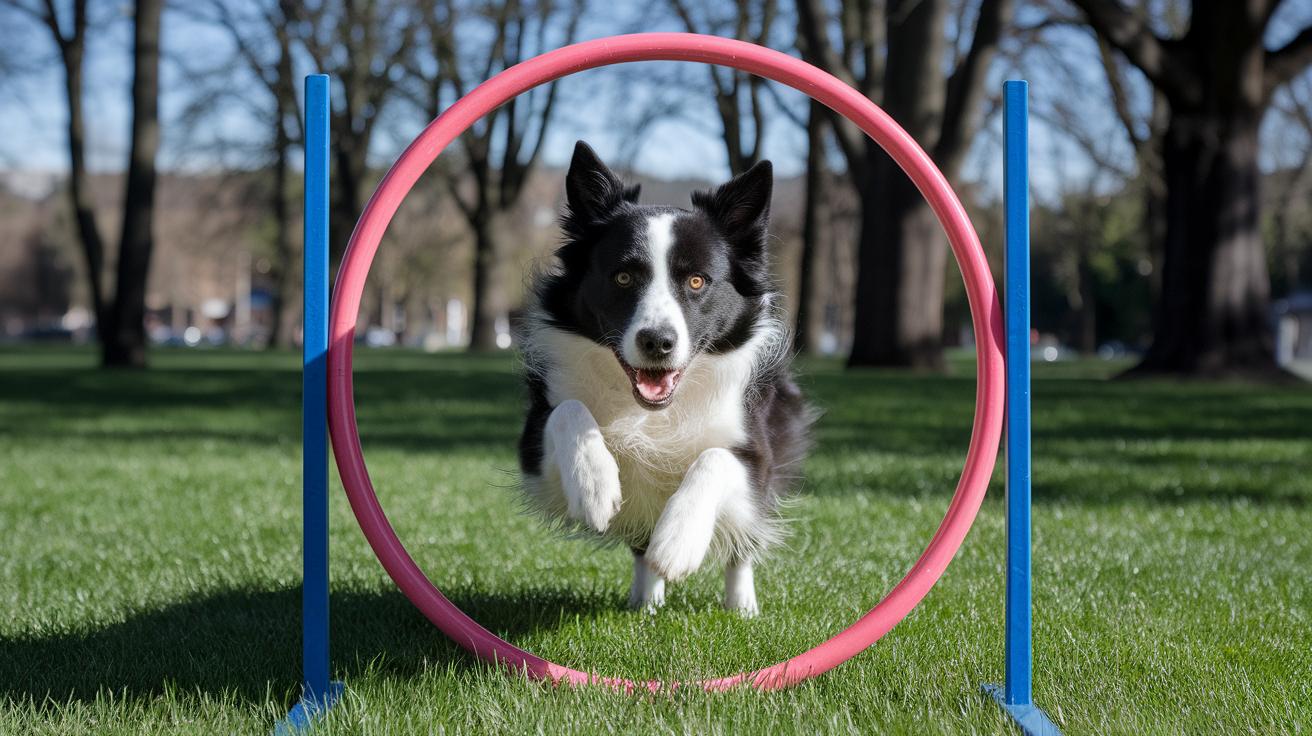
Even in a small space, you can design a compact play area using everyday materials. Arrange your obstacles about 4–6 feet apart to give your pet plenty of room to run while keeping things stable. Picture your dog happily weaving through a mini obstacle course, balancing on a secure platform and leaping over a low ramp. Each step not only boosts strength and confidence but also makes every moment a fun adventure.
This playful setup helps strengthen bones and joints, aids digestion, and even keeps boredom at bay. Isn’t it amazing how a little creativity can transform your outdoor space into a fitness arena for your beloved pet?
DIY Outdoor Pet Exercise Equipment Ideas for Ramps, Platforms, and Obstacle Courses

Looking for fun, new ways to jazz up your backyard for your furry pals? Try crafting ramps with side rails that you can take on and off whenever you need. Imagine the joy on your pet’s face as they enjoy a ramp made with untreated 2×12 lumber cut to a 3:1 height ratio, finished off with outdoor-grade non-slip strips. It’s all about making playtime both safe and exciting!
Switch up your design with the seasons in mind. When winter rolls around, snap on removable covers to keep icy patches at bay. In the summer heat, think of cooling mats or textured rubber tiles that stay firm under the sun. And why not add a burst of color? A coat of weather-resistant paint can brighten your yard and make every play session feel like a mini celebration.
Try your hand at building a portable obstacle hurdle that’s as light as a feather but tough enough for play. Use materials like PVC mixed with wooden reinforcements for extra strength. Here’s a little guide to get you started:
- Measure and mark the pieces you need.
- Cut the materials to the right size.
- Assemble the frame securely with outdoor screws.
- Top it off with a non-slip coating on all the surfaces.
Picture this: a hurdle so easy to set up that you can have everything ready for play in just minutes. More playtime means happier pets, right?
And don’t forget about safety! Make sure each piece is firmly attached, surfaces stay free from splinters, and everything sits well on even ground. Here’s a quick table with some handy safety tips:
| Tip | How to Apply It |
|---|---|
| Secure fastenings | Use outdoor-grade screws and brackets |
| Non-slip surfaces | Add rubber strips or textured coatings |
| Weatherproofing | Use weather-resistant paint and covers |
Finally, tweak the height and texture of each element to suit different pet sizes and personalities. Lower balance beams with gentle slopes work wonders for small pups or curious kittens. Every pet deserves their own fun challenge, and a setup that’s just right can turn playtime into the best part of the day.
Budget-Friendly Backyard Pet Playground Design Using Household Items
Have you ever thought about turning your backyard into a fun exercise zone for your furry friend without splurging on fancy equipment? With just a few everyday items you likely already have, you can create a playful space that’s both safe and engaging. Imagine arranging garden paver stones like a mini hopscotch course, each stone offers a chance for your pet to practice balance and coordination with lots of fun and confidence.
Then, consider using adjustable-height plyo boxes, about 16 inches tall, as raised platforms that invite your pet to climb and jump at a gentle pace. Picture your dog happily leaping up onto a secure box while you cheer them on. It feels like a mini celebration of movement, all without any high costs.
You can also repurpose rubber feed bowls (available in 4-quart or 2-quart sizes) as mini platforms that provide a stable, non-slip surface for balance training. And if you have light step stools lying around, why not rearrange them to form a dynamic pathway that challenges your pet in new ways?
| Item | Fun Use |
|---|---|
| Garden paver stones | Set up running lanes or stepping stations for balance |
| Plyo boxes | Create climbing challenges |
| Rubber feed bowls | Design mini platforms with a non-slip surface |
| Step stools | Arrange a flexible, playful exercise pathway |
All these simple, budget-friendly items, each costing less than $25, come together to build an inviting backyard playground. Feel free to experiment with placements to match your pet’s unique personality and energy level. In truth, watching your pet explore and play in an environment you created is a joy that’s hard to beat.
Selecting Durable, Weatherproof Materials for Outdoor Pet Gym Equipment

When you’re setting up an outdoor pet gym, it’s important to pick materials that can handle rainy days and sunny afternoons. Start with sturdy options like rot-resistant cedar or pressure-treated wood to build a frame that stands strong no matter what the weather brings. A solid foundation keeps things steady, so your furry friend feels secure when they’re playing. And remember, avoid smooth or uneven surfaces that might lead to slips, adding non-slip rubber to ramps and platforms gives your pet a safe, gentle grip in any condition.
It also helps to think about your local weather. In sunny areas, UV-protected plastics can be great since they won’t fade or crack over time. You might even consider weatherproof coatings for wooden parts, so they stay smooth and easy to clean. For extra safety, try adding textured overlays that boost traction without messing with stability. For example, a thin layer of textured rubber on your cedar board can turn simple lumber into a pet-friendly, safe exercise spot.
| Material | Benefit |
|---|---|
| Pressure-treated lumber | Handles heavy weather and resists rot |
| Non-slip rubber surfacing | Provides secure footing and minimizes slips |
| UV-protected plastics | Stops fading and cracking from strong sunlight |
Cost, Layout Planning, and Maintenance Tips for Outdoor Pet Exercise Equipment
When you’re planning an outdoor workout area for your furry friend, it’s great to start with your budget in mind. You might be surprised that custom dog agility equipment can cost over $1,000, while a DIY project using everyday items can run anywhere from $25 to $200. This means you can keep things simple at first and try out some backyard fitness ideas before committing to a bigger setup.
For a safe and fun layout, try spacing out your obstacles about 4 to 6 feet apart. This gives your pet plenty of room to run and jump. Imagine a sunny patch of grass where a small platform sits alongside a low hurdle or balance beam, it turns every jump into a little celebration and builds both strength and confidence.
Keeping your setup in tip-top shape is just as important as planning the design. I suggest checking your DIY equipment every month. Look for loose screws, worn-out spots, or rough edges that need a little TLC. Here’s a quick checklist to guide you:
| Check | What to Look For |
|---|---|
| Fastenings & Joints | Loose screws or wobbly parts |
| Non-Slip Surfaces | Kiln surfaces showing signs of wear |
| Edges | Splinters or rough spots |
If you notice your pet seems a bit sore or isn’t as excited to use an obstacle, give them a break for a couple of days, maybe 2 or 3. Then, try adjusting the obstacle’s height or angle before letting them try again. This little tweak keeps your pet safe and motivated to play, while also making sure your setup lasts. Regular check-ups like these ensure that the adventure stays secure, fun, and a delightful part of your pet’s day.
Safety, Ergonomic Design, and Troubleshooting Outdoor Pet Exercise Equipment

When it comes to making pet exercise equipment safer and friendlier, think beyond the basics. Imagine replacing standard soft landing zones with designs that can actually adjust to your pet’s needs. For example, consider a ramp that can slide and change its incline. You might start with a gentle 10-degree slope that eases down to a softer 3-degree as your pet gains confidence. I once noticed my dog hesitating, so I slowly altered the ramp’s angle, and it made a world of difference in his comfort.
Research shows that when pets are unsure about fixed obstacles, switching to a modular design with flexible gaps can really ease their strain while making their playtime more engaging.
- Try out obstacles with adjustable angles and segmented platforms.
- Tweak ramp slopes or platform heights based on how relaxed your pet feels while playing.
- Consider using simple sensor systems that notice even tiny shifts in your pet’s movements during active sessions.
In one case, a pet’s slight limp was managed by lowering the ramp just a bit, turning confusion into a clear, comfortable path for play.
Final Words
In the action, we explored creative pet gym set-ups, from DIY ramps and obstacle courses to backyard play areas built with household items. We touched on safety tips, cost planning, and the selection of durable, weatherproof materials. Each section aimed to empower you with practical ideas that spark fun and promote pet health. Keep these outdoor pet exercise equipment ideas handy as you celebrate active moments with your furry friends. Here’s to many joyful and healthy pet adventures ahead!
FAQ
What are some creative small outdoor pet exercise equipment ideas?
Creative small outdoor pet exercise equipment ideas include DIY obstacle courses with mini ramps and low platforms. They offer fun and engaging ways to keep your little pet active and healthy outdoors.
What dog exercise equipment can I use outdoors?
Outdoor dog exercise equipment might include durable ramps, agility platforms, and safe running tracks. They provide a secure setting for your dog to burn energy, stay fit, and have fun.
What are some ideas for large outdoor pet exercise equipment?
Ideas for large outdoor pet exercise equipment include robust agility courses, strong ramps, and spacious platforms. These setups are perfect for big dogs and help support vigorous exercise without compromising safety.
What outdoor pet exercise equipment works best for small dogs?
For small dogs, outdoor pet exercise equipment can feature scale-appropriate hurdles, compact ramps, and mini obstacle courses. These designs ensure a safe and fun workout that builds balance and confidence.
Can indoor dog exercise equipment be repurposed for outdoors?
Indoor dog exercise equipment can often be adapted for outdoor use by adding weatherproofing or using portable designs. This lets you bring familiar, effective workout options into your backyard setting.
What are the best outdoor pet exercise equipment ideas?
The best ideas combine safety, durability, and fun. Consider DIY ramps, obstacle courses, and weather-resistant agility setups that keep your pet active and engaged while standing up to outdoor conditions.
What canine fitness equipment should I consider?
Canine fitness equipment for outdoor setups can include DIY builds like balance platforms, ramps, and simple agility courses. They help improve strength, coordination, and reduce boredom-related behaviors in your pet.