


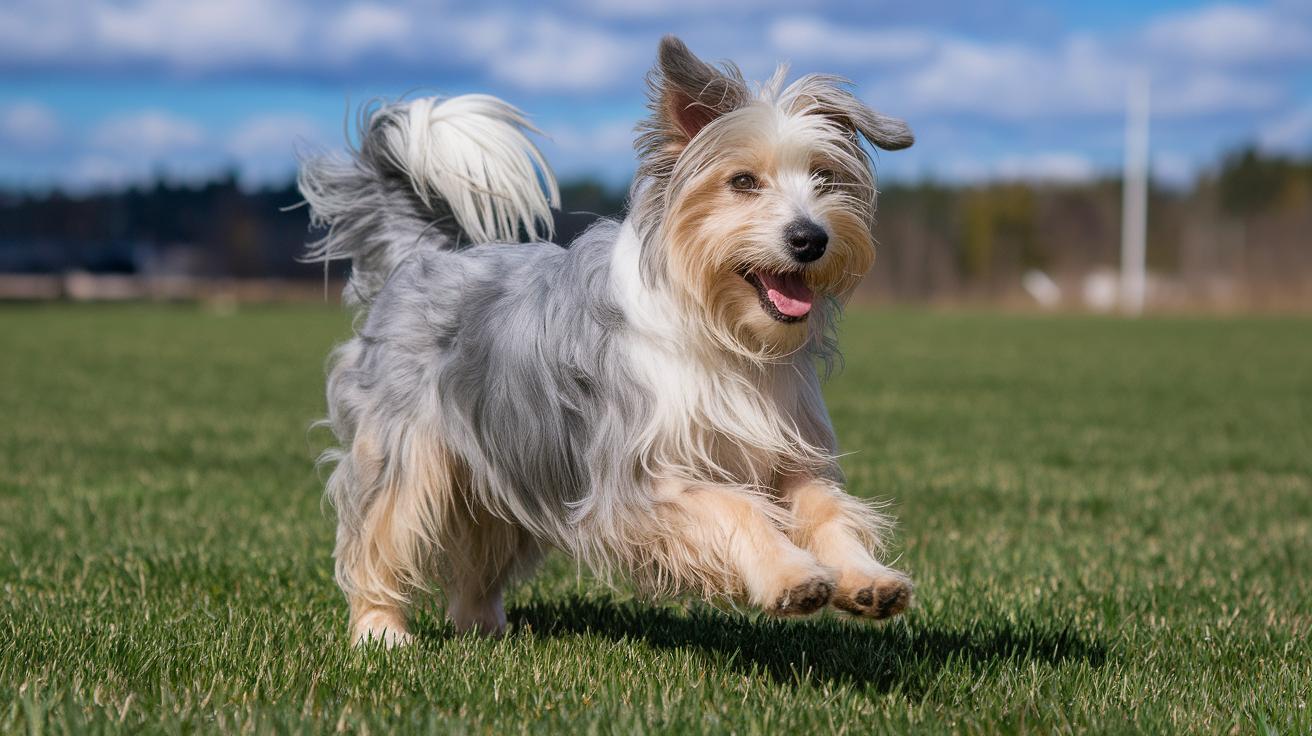
Have you ever thought a little dog could carry a world of history within its tiny frame? The Hungarian Mudi got its start out in wide, open fields where shepherds needed quick and clever helpers. Today, its lively spirit and warm, loyal heart bring smiles to pet lovers everywhere, all while whispering tales of hard work and days spent outdoors. With its burst of energy, keen intelligence, and a legacy born from rural adventures, this charming breed shows us that every playful companion has a story to tell.
mudi dog: Vibrant Origins, Lovable Traits
The Hungarian Mudi started its journey on the wide, open pastures of Hungary where shepherds depended on these nimble dogs to keep an eye on sheep and cattle. In 2022, this agile breed won recognition from the American Kennel Club for its lively energy and strong work ethic. Days spent outdoors, patrolling varied terrain, helped mold their athletic figures and tough, bright spirits.
Mudis are known for their colorful personality, a mix of alertness, playful energy, and a warm, loyal nature that easily wins over pet lovers. They thrive on both mental and physical challenges, so think long walks full of excitement, playful games, and quick training sessions that get their herding instincts going. Many pet parents cherish the deep bond they form with their Mudi, a companion always ready for a new outdoor adventure.
These little dynamos are built to be on the move, often living happily for 12 to 14 years with plenty of exercise and tender care. Their endless need for stimulation not only keeps their minds sharp but also lets their vibrant personalities glow each day. Welcoming a Mudi means embracing both a rich heritage and an ever-playful, energetic friend.
Origins and Hungarian Heritage of the Mudi Breed

The Hungarian Mudi first appeared in Hungary's countryside back in the 1800s. Shepherds needed clever and dependable dogs for rounding up sheep and cattle, and these little helpers proved they were up to the task right away. Imagine working on a farm where every day is a new adventure, that’s where the Mudi shined, showing off its agility and quick thinking in all kinds of weather and terrain.
Over the years, especially during and after the world wars, fewer Mudis were around as rural life changed. But passionate pet lovers and devoted breeders never gave up. They worked hard to keep the Mudi’s natural herding ability, lively spirit, and tough resilience alive.
It’s kind of like keeping a precious family tradition alive, each generation has passed down the unique qualities of the Mudi with lots of love and care. Their story is a beautiful reminder of hard work, agility, and loyalty that still makes these dogs so special today.
Physical Characteristics and Breed Standards of the Mudi Dog
The Mudi is a lively and smart dog, built just as you'd expect from its playful spirit. This delightful breed is measured very carefully by experts to ensure every pup has a perfect blend of quickness and endurance. Adult Mudis usually stand between 14 and 18 inches at the shoulder and weigh from 18 to 29 pounds. This neat, compact build makes them quick on their feet and great for all sorts of exciting activities. They also boast a sturdy, wedge-shaped head with perked-up ears, and a solid topline that’s both strong and graceful.
The Mudi’s coat is another standout feature. It feels a bit different from dog to dog, ranging from fine to more coarse, yet every Mudi has a short, tidy coat. Around the neck, you might notice a mane-like tuft, and the ears and legs often have pretty feathering. They come in an eye-catching mix of colors including black, white, gray, brown, yellow, and even merle. Each combination of colors is unique, adding to the breed’s charm while still following the traditional standards that celebrate the Mudi’s history and work-ready nature.
| Trait | Standard |
|---|---|
| Height | 14–18 inches |
| Weight | 18–29 pounds |
| Coat Colors | Black, white, gray, brown, yellow, merle |
| Coat Texture | Fine to coarse |
| Structure | Compact, wedge head, upright ears |
This careful attention to detail keeps the Mudi’s traditional working qualities alive, all while showcasing its unique, versatile look. Every aspect, from size and shape to the varied coat colors, confirms the Mudi as a dependable and spirited friend for busy, active pet lovers. Watching a Mudi move, you can truly see how strength, agility, and a charming personality come together in one remarkable dog.
Temperament and Behavioral Traits of Mudi Dogs

Have you ever watched a Mudi in action? These dogs are alert and chatty, almost as if they're always trying to share their latest discovery. Their sharp senses mean nothing escapes them, even the faintest rustle or unusual sound can spark a quick, clear bark like a natural alarm for their loved ones.
These clever pups are true independent thinkers. They tackle puzzles and games with the speed of a little genius, keeping themselves busy and curious. When they’re engaged in a fun challenge, it’s like seeing a tiny mind at work, so mixing up tasks and games is a great way to keep them happy.
Once a Mudi trusts you, prepare for a whole lot of love. They show their affection through gentle cuddles and playful antics that can brighten any day. Around strangers, they stick to the sidelines, a quiet reminder of their protective side. Just look into their eyes, you might see a heartfelt promise to always watch over you.
Sure, their barks can be a bit noisy sometimes, but that’s really just their way of keeping everyone in the loop. A quick bark tells the family that something’s changed, keeping the household aware and safe. With a mix of smarts, tenderness, and a loyal spirit, Mudis make the perfect companion for any active family looking for charm and a watchful friend.
Training Techniques and Exercise Needs for Mudi Dogs
Training your Mudi is all about keeping things fun, positive, and full of treats, toys, and lots of praise. These active pups light up when they know they're being cheered on. Every time your furry friend follows a new command, a small treat right away can make all the difference. It’s a little pat on the back that not only makes them happy but also deepens the special bond you share.
Starting early goes a long way with Mudi puppies. By eight weeks, it’s a great idea to sign up for simple obedience classes to lay the foundation for good behavior. As your little Mudi learns to socialize and follow gentle cues, they get ready for tougher challenges down the road. Reward-based techniques that use kind, steady signals can help make training both faster and a lot more fun, even on days that feel a bit overwhelming.
Daily exercise is a must for these spirited dogs. Aim for at least 60 minutes of activity every day, mixing in fun mental challenges to keep their minds as active as their bodies. Picture your Mudi dashing through a mini agility course or enjoying a lively game of flyball; these playful exercises boost both their physical skills and their love for learning. Keeping the workouts varied will help ward off boredom and keep your loyal friend excited for the next round of fun.
- Start obedience classes around eight weeks old
- Use different reward-based drills to keep things interesting
- Ensure at least 60 minutes of daily exercise and play
- Introduce herding or agility activities for extra engagement
- Rotate activities to maintain your pup’s interest
- Stick to a consistent training routine to build good habits
Combining regular training with playful moments not only sharpens your Mudi’s natural herding and agility skills, but also turns learning into a joyful part of your day together. Enjoy each small victory along the way, you and your furry pal are on an exciting journey of discovery and bonding.
Grooming and Coat Care for Mudi Dogs

Mudi dogs thrive with a bit of regular grooming to keep their coat healthy and comfy. Try brushing your pet two to three times a week. It’s like sharing a little massage time with your furry friend, just a few minutes can help sweep away dirt and prevent tangles.
While you're brushing, take a peek at their ears and eyes. It’s a simple check that might catch a little irritation or extra grime before it becomes a worry. Luckily, their coat doesn’t need fancy trims by a pro; home brushing and the occasional bath will do the trick to keep their fur shiny and fresh.
When shedding hits, it’s smart to add a little extra brushing. Those extra moments not only help manage loose hair but also become fun bonding time. Think of it as bonus cuddle sessions where you get to pamper your pet while keeping them looking stylish.
Remember, grooming should feel relaxed and fun, not like a chore. Enjoy the time, chat with your pet, and deepen the bond you share while keeping them happy and well-cared for.
Nutrition and Health Care Tips for Mudi Dogs
For adult Mudis, it’s best to serve them two balanced meals a day, adjusting the portions based on their age, size, and how active they are. And if you have a Mudi puppy, they benefit from three to four smaller meals spread throughout the day to keep up with their rapid growth. Following a diet that meets AAFCO guidelines helps support joint health, which is especially important since Mudis can sometimes face joint issues like hip or elbow dysplasia. Many pet parents find that feeding an adult Mudi twice a day keeps their energy steady and helps manage their weight.
When planning meals, aim for high-quality proteins (think real meat), fresh vegetables, and a balanced mix of carbohydrates. You might also consider adding supplements like glucosamine or chondroitin, these help keep those joints strong and flexible, especially in more active dogs. Together with a nutritious recipe, these ingredients work nicely to support your Mudi’s overall wellness.
Regular vet visits are key to keeping your Mudi healthy. Routine check-ups let your veterinarian monitor your pet’s weight, adjust their diet if needed, and catch any signs of developmental issues early on. Plus, keeping up with vaccinations and parasite prevention really helps your furry friend stay in top shape.
A handy tip is to maintain a feeding diary or simply jot down notes about what your Mudi eats. This makes it easier to tweak their diet as they grow. With careful planning and regular veterinary oversight, your Mudi will be set for a vibrant, energetic life filled with tail wags and playful moments.
Common Health Issues and Lifespan of the Mudi Breed

Mudi dogs are full of life and energy, lighting up any room they enter. But, like all active pups, they sometimes encounter a few health bumps along the way. One issue to watch for is hip dysplasia, where the hip joint doesn't form as it should. This may mean your furry friend needs a little extra help, whether it’s dietary supplements, some careful exercise, or even surgery to ease the discomfort.
And then there’s elbow dysplasia, a problem with the elbow’s shape that can leave your dog feeling sore. Your vet might suggest pain medicine or surgery to help get things back on track. Patellar luxation, when the kneecap slips out of place, is another concern that can cause discomfort, but physical therapy or a surgical repair can often set things right.
Some Mudis might also experience epilepsy, which shows up as unexpected seizure episodes. With the right medication from your vet, these episodes can generally be managed. Cataracts, which cloud the lens of the eye, are another potential problem. If these aren’t treated, they could lead to glaucoma, another eye issue. Usually, surgery is the way to restore clear vision.
Regular vet visits and a lot of love can really help manage these health issues, so your Mudi can keep enjoying playtime and adventures. Typically, these spirited friends live between 12 and 14 years, so keeping an eye on how they move and behave, and catching any changes early, can make all the difference.
| Condition | Description | Management |
|---|---|---|
| Hip Dysplasia | Joints don’t form properly | Supplements, careful exercise, surgery |
| Elbow Dysplasia | Elbow joint malformation | Pain medications, surgery |
| Patellar Luxation | Kneecap slipping out of place | Physical therapy, surgery |
| Epilepsy | Unpredictable seizure episodes | Medication |
| Cataracts | Clouding of the eye lens | Surgical removal |
Staying on top of routine vet checkups is key. Not only does it help catch these conditions early, but it also gives you the chance to celebrate your Mudi’s vibrant and playful nature for many happy years to come.
Adoption Tips and Finding Trusted Mudi Breeders
Finding a Mudi puppy in the U.S. can feel a bit like hunting for a hidden treasure. These charming pups are pretty rare, so prices usually hover between $800 and $1,200. It really pays off to start looking early because the best breeders often have waiting lists. Many pet parents find comfort in referral lists from Mudi Club, which introduce you to breeders known for treating their pups with care and ethical love.
Before you welcome a Mudi into your family, it’s a good idea to do a little homework. Look for a breeder who’s happy to share full health records and plenty of details about the puppy’s background. It’s also important to see that the puppies have warm, friendly interactions with kids and other pets – a little social time that helps them grow into balanced companions. Asking the right questions can reveal a lot about how the breeder runs their little world.
Don’t forget that adopting from a rescue group is another wonderful option, especially if you’re ready to give a loving home to an older dog. Whether you’re buying from a breeder or adopting from a rescue, making sure that health and responsible practices come first guarantees your new buddy will start life on the best paw possible.
| Question | Purpose |
|---|---|
| Can I see health clearances for parents? | Ensures genetic health and responsible breeding |
| Are puppies socialized with children and other pets? | Helps develop a friendly and well-rounded personality |
| What is the vaccination schedule? | Confirms the puppy’s early health care |
| How do you screen for genetic disorders? | Shows commitment to responsible breeding practices |
| Can I visit the breeding facility? | Gives you insight into the care and environment of the pups |
Comparing the Mudi Dog to Similar Herding Breeds

When you meet a Mudi, you'll immediately notice how it stands apart from breeds like Border Collies and Pulis. These friendly dogs might be a bit smaller than Border Collies, but they come in a delightful mix of colors, think deep blacks, warm browns, or playful spots, and they sport those perky, upright ears that add so much character. Their fur isn’t as tangled as a Puli’s, making them a bit easier to care for and giving them an extra charm. Imagine having a pet who’s both a quick worker in the field and a loving companion at home, doesn’t that sound like a perfect match for daily adventures?
Mudis are also known for being quite the little chatty watchdogs. They have a way of letting their family know when something’s off, all while keeping a warm and friendly vibe. Whether you’re heading out for a brisk walk, a fun play session, or even a long hike, these spirited dogs are right there with you, full of energy and life. Their small build and adaptable personality make them a charming addition to any active household, offering a lovely balance of herding instincts and family-friendly affection.
Final Words
In the action, we explored the Mudi Dog breed’s rich history, lively temperament, and need for exercise and mental challenges. We touched on its physical traits, grooming habits, nutritional routines, and even how to find trusted breeders.
The article brought together easy-to-follow guidance and practical tips for caring for your mudi dog. It’s a reminder that with proper care, these energetic companions can thrive and add immense joy to your life. Enjoy every moment with your furry friend!
FAQ
Where can I find Mudi puppies and reputable breeders?
The search for Mudi puppies and trusted breeders means looking into specialized breeder lists, referrals from the Mudi Club, and rescue groups who follow ethical practices. Always ask about health clearances and socialization.
What is the price range for a Mudi dog in the US?
The cost for a Mudi dog in the US generally hovers between $800 and $1,200, reflecting the rarity of the breed and the care breeders put into health clearances and early socialization.
How would you describe the temperament of Mudi dogs?
The temperament of Mudi dogs shows they are alert, affectionate, independent, and intelligent, making them lively companions that bond closely with owners while remaining cautious around strangers.
Do Mudi dogs bark a lot?
The barking behavior in Mudi dogs is used as an alert mechanism. They tend to bark when they detect unusual sounds, but the frequency of barking varies from one dog to another.
What does a Mudi mix mean?
The term Mudi mix refers to a dog that has part Mudi heritage combined with traits from another breed, often resulting in a blend of physical attributes and personality characteristics unique to that mix.
Are Mudis good family dogs?
Being good family dogs, Mudis form strong, affectionate bonds with their loved ones, show protective instincts, and are well-suited for active families willing to provide regular exercise and mental stimulation.
What is the difference between a Mudi and a Pumi?
The difference between a Mudi and a Pumi is clear in size and coat features; Mudis are slightly smaller with a broader color range and a compact build, while Pumis often have a more textured, corded coat.