


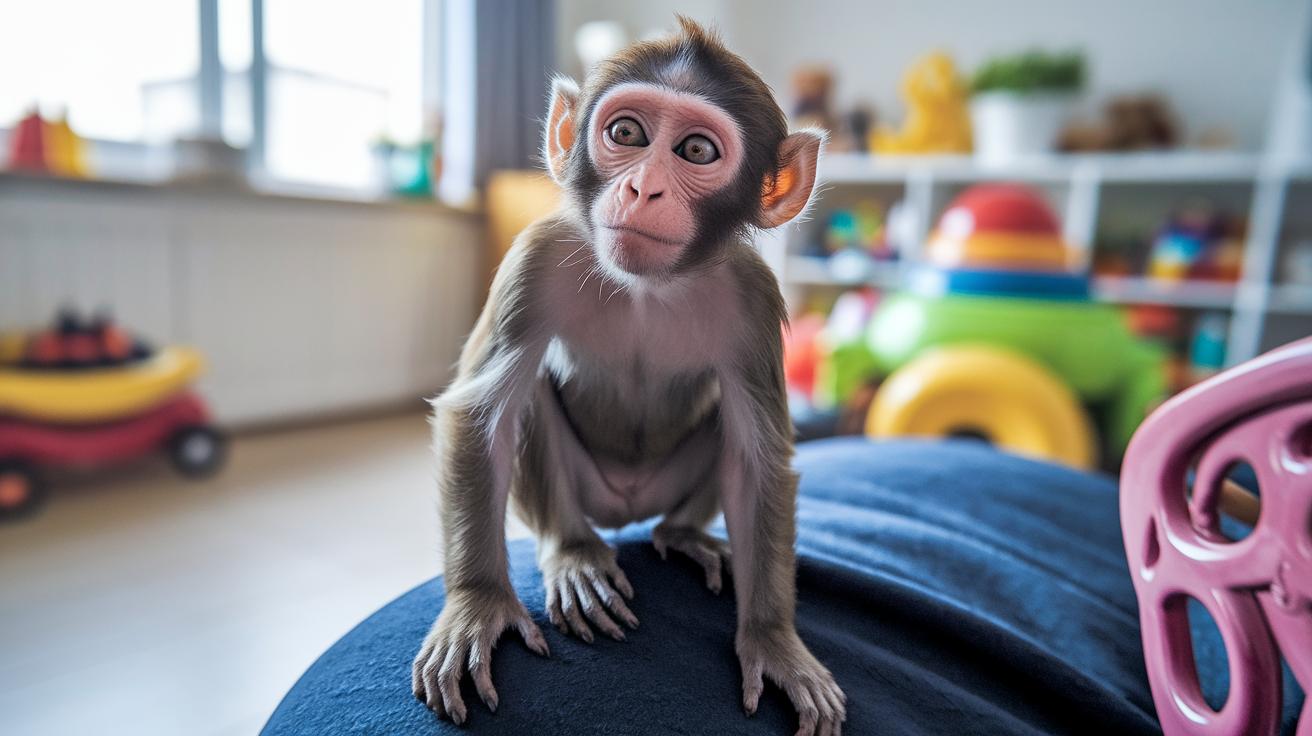
Ever thought about having a smart, playful monkey friend at home? It might sound a bit wild at first, but there are many different primate pals out there waiting to charm you. Some are full of wit and energy, and they come with care needs that grow with you over time.
Today, we'll dive into the world of primate pets, talking about the different breeds, what it might cost to care for them, daily feeding and fun routines, and even a few legal tips to keep things on track. Every primate friend has its own mix of charm and challenge, so it’s good to know what to expect before inviting one into your home.
Isn’t it amazing how a pet’s playful antics can light up your day? This guide is here to help you decide if a joyful, primate companion might be the perfect fit for your family.
Overview of Monkey Pet Breeds: Species, Care Needs, Cost, and Legal Status
When it comes to primate pets, folks often think of tarsiers, tamarins, chimpanzees, squirrel monkeys, macaques, capuchins, marmosets, spider monkeys, and guenons. These animals come at very different price tags, some start at about $4,000 while others can cost up to $75,000. Plus, you’ve got daily costs for food, fun enrichment toys, and visits to a vet who really gets these unique creatures. Take the capuchin, for example. Its small size and clever personality make it a favorite among exotic pet lovers, but owning one means planning for regular check-ups and a proper diet.
In the U.S., you can legally own these primates in 31 states. But here’s the catch: several other countries have put a ban on private ownership of these exotic animals, and even the United Kingdom seems to be shifting towards a ban. So, if you’re seriously thinking about making one of these monkeys your companion, it’s really important to check your local rules in advance.
Monkeys aren’t your run-of-the-mill house pets. Because they are wild and very smart, they need lots of mental and physical stimulation to stay happy and healthy. Caring for one means you’re in for a long-term commitment, setting up secure housing, keeping a watchful eye on their antics, and finding ways to channel their natural instincts. With the high costs, legal hurdles, and unique behavior requirements, deciding to bring a primate into your home is a big choice that needs careful thought.
Comparative Profiles of Popular Monkey Pet Breeds

If you’re thinking about adding a monkey friend to your family, it really helps to see what makes each one special. Each breed has its own unique mix of size, lifespan, and the kind of home they need. Below is a handy HTML table that shows you the weight, height or length, lifespan, and a key housing tip for nine popular simian companions. This simple snapshot can help you see which little primate might fit best with your lifestyle and space.
| Breed | Weight | Height/Length | Lifespan | Special Housing Needs |
|---|---|---|---|---|
| Tarsier | ~6 oz | 7″ tall | N/A | Nocturnal, unique posture |
| Tamarin | ~32 oz | 12″ long | 15 years | Corner-waste habit; secure indoor cage |
| Marmoset | ~9 oz | 7″ long | 15 years | Needs insect-fruit diet and UV light |
| Squirrel Monkey | ~2 lb | 14″ tall | 25 years | Requires ample branches for acrobatics |
| Capuchin | ~9 lb | 18″ tall | 40 years | Highly intelligent; secure play area |
| Spider Monkey | ~30 lb | 2+ ft long | Variable | Vast space with vertical climbing structures |
| Macaque | Up to 40 lb | Varies | 30 years | Requires enclosure ≥30 sq ft to prevent escape |
| Guenon | ~15 lb | 22″ tall | 25 years | Thrives in group settings |
| Chimpanzee | 150+ lb | 5+ ft tall | 60 years | Needs vast, secure space and supervision |
Remember, each of these simian pals has its own special needs when it comes to daily care. It’s important to match their requirements with your home and lifestyle so everyone can be happy and healthy together.
Capuchin Monkey Care: Behavior, Diet, and Costs
Capuchin monkeys are clever, playful little creatures that steal your heart with their cheeky antics. They love to explore and keep busy, so they need plenty of fun and engaging activities every day. Since they can’t be trained for a regular toilet, you end up using diapers for them, something that really calls for a pet parent who’s ready to jump in with a hands-on approach.
They do best on a mix of fresh fruits, insects, and special primate food made just for them. Think of it like whipping up a tasty, varied breakfast for a buddy, you add some juicy fruit, a few crunchy bugs, and that special primate blend to keep them bouncing with energy throughout the day.
Also, these little primates need a safe space to climb, play, and explore. A cozy habitat with lots of room, safe play areas, and fun toys is key to keeping them happy and out of trouble around the house.
Keep in mind, owning a capuchin can be pretty pricey. The initial cost can be between $10,000 and $25,000, and you’ll need to plan for extra expenses each year for their care and fun activities. With a lifespan running up to 40 years, getting a capuchin is a long-term adventure that takes both financial smarts and lots of love.
Housing, Enrichment, and Health Needs for Small Simian Pets

When you’re setting up a comfy home for your small simian pals, it’s important to design spaces that feel just right for each species. For example, tamarins do best in a 7′×7′ indoor cage with tightly spaced bars and an outdoor area that has UV lighting. Macaques need a secure enclosure of at least 30 square feet to keep them safe, while spider monkeys thrive in a space larger than 100 square feet, filled with vertical climbing features. Squirrel monkeys enjoy hanging out in groups with plenty of perches and room to scamper around. Marmosets, being more delicate, benefit from UV lighting for vitamin D and an insect-rich diet to cover their nutritional needs. And don’t forget, every small simian needs lifelong diapering and regular skin checks to stay healthy and comfy.
- Provide lots of climbing spots and perches that remind them of their wild home.
- Set up fun, interactive toys that spark their curiosity and challenge their minds.
- Keep their space tidy with regular grooming sessions and skin inspections.
- Use UV lighting indoors to help them soak up vitamin D.
- Switch up their enrichment items daily so they never get bored.
- Encourage social play by housing them in groups or letting them interact with their buddies.
A balanced diet is just as important. Feed your primate a mix of fresh fruits, veggies, insects, and specially formulated primate food to help them stay active and strong. Keep an eye out for any signs of nutritional gaps or weight issues, and schedule regular vet visits to keep them in top shape. These small steps can truly make a big difference in the quality of life for your little simian friend.
Legal, Ethical, and Safety Guidelines for Keeping Monkey Pet Breeds
If you’re thinking about having a monkey as a pet, it’s really important to do your homework first. In the United States, only 31 states allow people to own primate companions, and many other countries have put a ban on private ownership. Even over in the United Kingdom, things are moving toward a strict prohibition. So before you decide to welcome a monkey into your family, make sure to check your local rules and get any permits you need.
On an ethical note, having a primate isn’t like owning your everyday pet. These lively little buddies need a lifelong commitment to both their physical wellbeing and emotional health. They aren’t quite like their wild relatives who get to live in natural, complex social groups, which means you’ll need to be ready to give them extra care and attention every day.
When it comes to keeping everyone safe, be sure to know about some of the health risks too. Monkeys can carry things like the herpes B virus and other diseases, so regular visits to a vet who understands exotic pets are a must. Plus, monkeys can sometimes bite, scratch, or even act aggressively, so you’ll need to train them properly and use safe, secure restraints. Having a safe home setup and practicing good hygiene can really help keep both you and your furry friend healthy and happy.
Final Words
In the action, we walked through monkey pet breeds, from tarsier to chimpanzee, shedding light on costs, legal details, housing, and care needs. We compared sizes, lifespans, and daily care routines, with a focus on capuchin monkey care and safe housing solutions. The article also touched on ethical issues and safety measures, giving you a clear picture of what pet care for these lively primates entails. Remember, caring for these special companions is all about love and commitment. Enjoy every moment with your furry friend!
FAQ
What are some small monkey pet breeds?
Small monkey pet breeds include marmosets, tamarins, and squirrel monkeys. These little primates offer a compact size but still demand specialized care and attention from their owners.
Are monkey pet breeds legal and available in the USA?
In the USA, many monkey pet breeds are available but legal ownership varies by state. Prospective owners need to check local laws and secure any required permits before bringing a monkey home.
Which monkey is best for beginners?
For newcomers, capuchin monkeys are often seen as a good option due to their engaging nature and manageable size. Remember, even the most beginner-friendly monkeys require a commitment to expert care.
Where can I find pet monkeys for sale?
Pet monkeys for sale are typically found through licensed exotic breeders or rescue organizations. It’s important to verify credentials and legal permits to ensure a safe, responsible adoption.
What is the best breed of monkey to own as a house pet?
The best breed for a house pet varies, as no monkey is a perfect house companion. While species like capuchins or marmosets might seem appealing, all need extensive, specialized care and display natural wild behaviors.