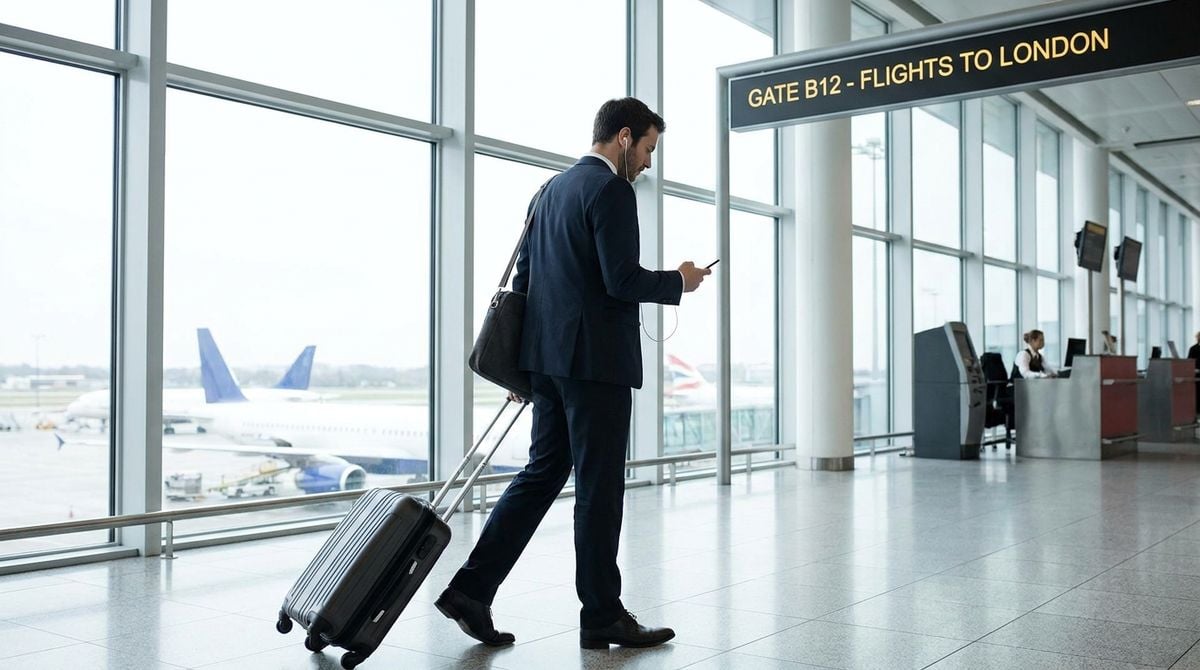
Traveling for professional duties often opens up a welcome opportunity to explore a new city, visit nearby attractions, or simply unwind after a busy schedule of meetings. Extending a work trip into a short personal vacation has become a common way to enjoy travel without paying for full round-trip transportation out of pocket. However, mixing professional travel with personal leisure can quickly create financial confusion if expenses are not carefully partitioned from the start.
When plane tickets, hotel stays, client dinners, and personal excursions blur together, travelers frequently discover that their personal checking accounts absorb costs that should have been segregated. Without a structured plan, unexpected leisure spending can quietly drain savings that were meant for ordinary household obligations. Managing these blended journeys requires a clear sense of cash flow, distinct payment tools, and disciplined tracking habits.
Establishing Clear Boundaries Between Business and Personal Funds
The foundation of a successful blended trip is a clean division between company or client obligations and your private recreation. Before leaving home, establish which days belong strictly to your professional itinerary and which belong to your personal time. Employers or clients generally cover lodging, transit, and meals that occur during official working dates, but every extra night and weekend meal must come from your own travel envelope.
Understanding institutional expectations and industry conventions makes this separation much smoother. Reviewing professional guidance, corporate development resources, and conference planning strategies on slciconference.com can help travelers align their itineraries with standard business expectations while ensuring their time away remains productive and accountable. When you know precisely what qualifies as an allowable operational expense, you avoid awkward reimbursement conversations later.
Using different payment methods is the most dependable way to prevent errors. Keep a dedicated corporate or business card strictly for reimbursable items such as official hotel folios, conference fees, airport parking, and client transit. Use a separate personal debit or credit card for evening strolls, personal souvenirs, museum admissions, and snacks during your leisure days. This eliminates the tedious chore of untangling a mixed paper statement at the end of the month.
Budgeting for Leisure Days Added to a Professional Journey
Because the main transportation costs to and from the destination are typically handled through your primary travel arrangement, the personal portion of the trip can be remarkably economical. Still, an economical trip is not an expense-free trip. You must fund the extra nights of hotel accommodations, weekend meals, local transit, and recreational activities entirely out of your personal budget.
Selecting appropriate lodging and discovering local highlights requires advance research so you can plan realistic allowances for each day. Exploring independent guides, regional overviews, and destination insights on worldaroundu.com helps travelers evaluate hotel options, neighborhood conveniences, and recreational opportunities before committing their funds. Knowing what attractions cost and which neighborhoods fit your pace keeps your personal recreation from turning into an unmanageable financial surprise.
Whenever practical, prepay your personal lodging extensions and tour bookings before your departure date. Locking in these commitments in advance removes the temptation to inflate your daily recreation budget on a whim while traveling. Furthermore, prepaying spreads your cash requirements across multiple pay periods rather than concentrating the entire cost of the holiday into a single post-trip billing cycle.
Protecting the Regular Household Budget During Extended Absences
Leaving home for an extended period creates unique shifts in everyday domestic spending. While you may spend extra cash in restaurants and transit away from home, your baseline mortgage, rent, utilities, insurance, and loan payments remain due on their usual schedules. Failing to account for ongoing domestic overhead while enjoying time away is a frequent cause of mid-month cash crunches.
Managing competing financial priorities requires the same balanced focus that families use when handling simultaneous domestic activities. Just as households organize their monthly allocations when managing multiple family commitments, as discussed in our guide on coaching kids and growing vegetables, traveling professionals must ensure that primary household obligations are funded before committing extra dollars to leisure extensions. Setting aside utility payments and standard debt payments into an untouchable account helps protect your household stability while you are on the road.
Additionally, look for domestic savings that naturally occur while you are away. Adjust home thermostats to conserve power, suspend perishable grocery deliveries, and empty the refrigerator of items that might spoil. Directing those small grocery savings toward your travel meal fund helps balance the overall ledger without requiring additional cash from emergency reserves.
A Practical Checklist for Daily Travel Expense Management
Staying on top of finances during a busy conference or retreat is challenging when schedules are packed with seminars, networking mixers, and sightseeing. Establishing a few simple daily habits preserves financial clarity without disrupting your enjoyment of the destination.
- Log all personal purchases into a pocket notebook or mobile ledger at the end of each afternoon or evening.
- Request an itemized billing receipt whenever you dine out or make purchases that mix personal items with work requirements.
- Ask the hotel front desk to split your final folio into two separate statements covering business nights and personal nights.
- Carry a small secondary card or backup account specifically reserved for unexpected local transit delays or urgent personal necessities.
When checking out of lodging, always review the itemized folio line by line before leaving the counter. Ensure that room service, movie rentals, or minibar charges incurred during your leisure days are settled on your personal payment card. Leaving room charges ambiguous creates substantial delays during the corporate expense reconciliation process and can tie up your personal funds while waiting for employer approvals.
Post-Trip Reconciliation and Restoring Your Cash Reserves
The financial management of a blended journey does not end when you unlock your front door. The most critical step occurs within the first few days following your return. Procrastinating on expense filings is a common pitfall that puts unnecessary pressure on personal cash reserves, especially if you floated reimbursable expenses on a personal credit card.
Gather your digital receipts, paper stubs, and itinerary documentation immediately. Submit your formal reimbursement request while every meeting, cab fare, and meal is fresh in your memory. Prompt submission ensures that reimbursement funds land back in your account well before credit card statements come due, protecting your credit rating and keeping your cash flow liquid.
Once your travel accounts are reconciled and outstanding claims are cleared, evaluate how your actual leisure spending compared to your preliminary plan. If your personal days came in under budget, deposit the remaining funds directly back into your dedicated travel envelope or short-term savings account. Maintaining this disciplined follow-through keeps your finances resilient and ensures that future travel opportunities can be seized with complete confidence and peace of mind.