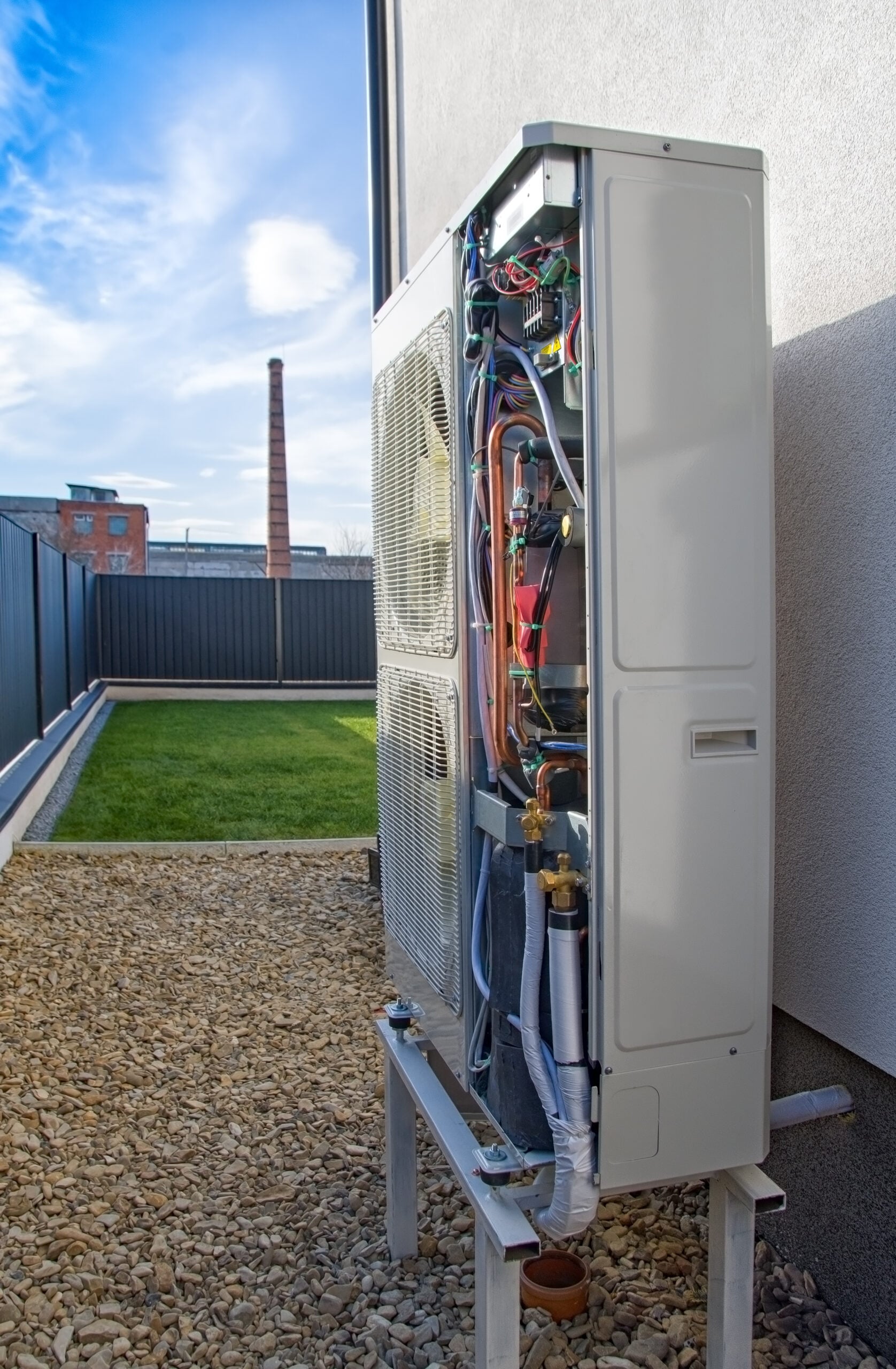
Every summer, your air conditioner works overtime to keep your home cool and comfortable. But if your unit has seen better days, it could be costing you far more than you realize. An aging, inefficient air conditioner doesn’t just struggle to keep up with the heat—it quietly drains your wallet every time it kicks on. If your energy bills have been creeping higher year after year, your residential HVAC system might be the culprit.
The Hidden Cost of an Aging AC Unit
Air conditioners, like most appliances, lose efficiency as they age. Components wear down, refrigerant levels can drop, and parts that once worked seamlessly together start to strain against each other. The result? Your system has to run longer and harder to produce the same amount of cool air it once delivered with ease.
This inefficiency translates directly into higher energy consumption. Even if you haven’t changed your thermostat settings or usage habits, an older unit will consume more electricity simply because it’s no longer operating at peak performance. Over time, this added strain can also shorten the lifespan of your system, leading to costly repairs or a premature replacement.
Signs Your Air Conditioner Is Losing Efficiency
It’s not always obvious that your AC unit is the source of rising energy bills. Some warning signs are easy to miss unless you know what to look for:
- Inconsistent cooling. If certain rooms in your home feel warmer than others, your system may be struggling to distribute air evenly.
- Frequent cycling. An air conditioner that turns on and off more often than usual is working harder to maintain your desired temperature.
- Unusual noises. Rattling, grinding, or squealing sounds can indicate worn-out components that reduce efficiency.
- Rising humidity indoors. A properly functioning AC should help control humidity. If your home feels sticky despite the system running, it may not be performing as it should.
- Older than ten years. Most residential HVAC systems have a lifespan of ten to fifteen years. As units approach this age, efficiency naturally declines.
Noticing any of these signs is a strong indication that your air conditioner isn’t performing at its best, and your energy bills are likely reflecting that inefficiency.
Why Efficiency Matters More Than Ever
Modern HVAC technology has come a long way, offering significant improvements in how effectively a system cools your home while using less energy. Older units simply weren’t built with the same standards in mind. Even if your air conditioner is still functional, it may be using significantly more electricity than a newer model to achieve the same results.
Beyond energy costs, an inefficient system also places more wear and tear on itself, which can lead to more frequent breakdowns and repair bills. In many cases, the money spent maintaining an old, struggling unit could be better invested in a more efficient replacement that pays for itself over time through lower monthly bills.
Steps You Can Take Today
If you suspect your air conditioner is driving up your energy costs, there are a few steps worth considering:
- Schedule a professional inspection. An HVAC technician can assess your system’s performance and identify specific issues affecting efficiency.
- Check and replace air filters regularly. Clogged filters force your system to work harder, increasing energy use.
- Seal gaps and improve insulation. Even the most efficient AC unit will struggle if cool air is escaping through poorly sealed windows, doors, or ductwork.
- Consider a programmable thermostat. Smart scheduling can reduce unnecessary cooling when you’re not home, easing the load on your system.
- Evaluate replacement options. If your unit is aging and repairs are becoming frequent, a newer, more efficient model may be the smarter long-term investment.
Taking Control of Your Energy Bills
An old air conditioner doesn’t have to mean high energy bills forever. By paying attention to the signs of declining efficiency and taking proactive steps, homeowners can regain control over their cooling costs. Whether that means scheduling regular maintenance, improving your home’s insulation, or planning for a system upgrade, small changes can add up to meaningful savings over time.
Your comfort shouldn’t come at the expense of your budget. Understanding how your residential HVAC system impacts your energy bills is the first step toward a cooler home and a lighter financial load.