


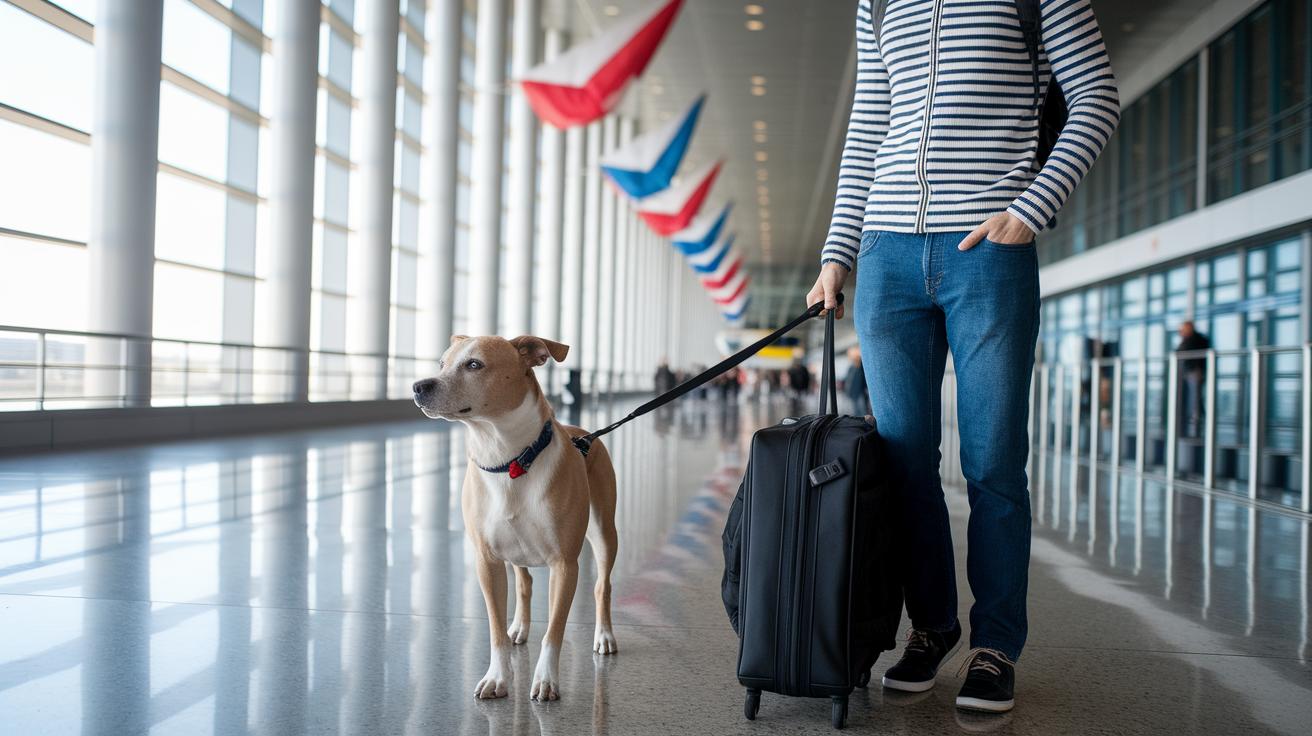
Ever thought about taking your furry friend on an international adventure? With over 220 countries each having its own pet rules, it might seem a bit overwhelming at first. But don't worry, we're here to help. In this guide, you'll get simple tips on airline policies, the paperwork you'll need, and the health checks that keep your pet safe and sound. Imagine the gentle hum of the airport as you and your pet glide through travel, stress-free and ready for new sights and smells. Let’s take this journey together and make pet travel as smooth as a wagging tail on a bright, sunny day.
Comprehensive Overview of International Pet Travel Requirements
Traveling internationally with your pet is about way more than just snagging a flight ticket. There are legal rules, airline policies, and important health checks to consider. Whether you’re moving your pet overseas or planning an adventure, it’s key to know the regulations for transporting your companion. With over 220 countries setting their own pet rules and more than 150 airlines offering different travel choices, having up-to-date details ensures your pet stays safe and comfortable.
These days, options for moving your pet are growing fast. You can choose domestic or international flights, get door-to-door ground services in the United States and Canada, or even opt for a private jet. Since 1998, specialized pet relocation companies have been there to help out with everything, from handling paperwork to taking care of logistics at every turn. They make sure all airline and legal requirements are met so your pet can travel comfortably, whether in the cabin or in a regulated cargo hold.
Later in this guide, we’ll walk you through each step to ensure smooth international travel for your pet. You’ll learn exactly what documents to prepare like health certificates, vaccination records, import permits, and microchip details to meet each country’s rules. Plus, we share handy tips on choosing the right airline and travel method, along with advice on health and safety checks. This friendly guide is here to help you cover every detail, making sure your pet’s journey is as pleasant as a sunny day at the park.
Essential Documentation for International Pet Travel

When you're planning an international trip with your pet, it’s super important to have all the right health documents in order. Think of these papers like a passport for your furry friend, they prove your pet is healthy and meets the rules set by different countries. Even a tiny mistake, like forgetting a microchip certificate, might cause delays, quarantine, or even send your pet back home.
Having detailed travel certificates and knowing the requirements for animal travel abroad not only keeps your pet safe but also makes crossing borders a breeze. Following guidelines from organizations like the USDA and APHIS means every form and stamp is in place so that nothing goes wrong on your journey. Without a recent original veterinary health certificate, one that’s issued just before you travel, your pet could end up in a tricky situation. That’s why being thorough with documentation is key.
- Original veterinary health certificate
- Current rabies vaccination record
- ISO-compliant microchip certificate
- Destination-specific import permit
- Rabies titer test results (if needed)
- Export endorsement from your government’s veterinary authority
Pet Passport Components
A pet passport is like a one-stop document for everything your pet needs. It includes health certificates, vaccination records, and any permits required. The current rabies vaccination record shows your pet is protected, and the ISO-compliant microchip certificate gives a unique ID to your pet. Add in the import permit and any rabies titer test results, and you’ve got all the bits that prove your pet meets the specific entry rules of the destination.
Government Endorsement Procedures
To get the official stamps on your pet’s paperwork, you’ll need to work with a licensed veterinarian. They can handle documents that might even need a nod from government or agriculture departments. It’s a good idea to contact your local veterinary services for advice on the process, and be ready with last-minute forms if needed. This step helps confirm that all your pet travel health documents are up to international standards.
A handy tip? Create a checklist and store all your documents in one folder. This way, you can double-check the dates and secure any extra endorsements well before you head to the airport. It’s like having a mini plan to keep you and your pet on track for a smooth trip.
Airline Policies and Carrier Requirements for International Pet Travel
When planning a trip with your furry friend, checking each airline’s pet rules is super important. Every carrier has its own guidelines that can affect your pet’s journey. Whether your pet is staying with you in the cabin or flying in the cargo hold, knowing the rules ahead of time means fewer surprises later. Some airlines even have special restrictions on certain breeds or require you to book their travel well in advance.
IATA has set up some handy rules that help design safe pet carriers. These carriers need to be hard-shell, leak-proof, and have enough fresh air coming in from three sides. They’re built so your pet has just enough room to stand up and turn around comfortably – almost like giving them a little stretch break during the flight. Following these guidelines helps reduce stress for your pet and keeps them safe while they travel.
Airlines can have different fee setups, booking deadlines, and even breed limits, so it’s a good idea to check all the details before you fly. Booking early can secure a spot for your furry companion, whether they’re joining you in the cabin or traveling as checked baggage. And remember, some airlines might charge extra based on the size or weight of your pet. Always double-check with your chosen airline to make sure every part of your pet’s travel plans is sorted for a smooth and happy journey.
Health and Safety Protocols for International Pet Travel

Before you pack up and head out, it’s a smart idea to take your pet to the vet for a friendly check-up. This quick visit helps catch tiny issues before they turn into bigger problems on your journey.
Make sure your pet’s rabies shot is current. Many countries also require an ISO-approved microchip to confirm your pet’s identity. Sometimes, they even need a titer test to show your pet’s immune system is strong. Keeping these records tidy helps meet international travel rules.
Rules about quarantine can change from place to place. If your pet’s documents aren’t fully up-to-date, they might have to spend up to 30 days in quarantine. And a final vet check-up, usually within 10 days of your departure, is key. This last step makes sure your pet is free from any contagious diseases and ready to travel safely.
Planning and Booking International Pet Flights
Planning an international trip with your furry friend can be exciting, but remember to book your pet’s flight at least 48–72 hours ahead of time. Most airlines require this early booking, so it’s best to act quickly. You can reserve your pet’s spot via airline websites or through specialized pet relocation services, ensuring everything is set while you wrap up those last-minute details like flight routes and seasonal rules.
Here’s a quick checklist to keep things on track:
- Choose an airline with pet-friendly policies.
- Book your pet’s travel around 72 hours ahead.
- Secure or purchase a carrier that’s IATA-approved.
- Give your pet time to get used to its travel crate over several days.
- Check the weather guidelines for your route.
- Do one final review of all necessary documents before departure.
Shipping fees for pet flights can range from about $200 to over $1,000, depending on how far you’re traveling, your pet’s size, and the service level you choose. When you plan your budget in advance, you can also explore optional services like extra handling, door-to-door support, or even private pet travel charters that add extra comfort for your buddy. Balancing these costs with convenience goes a long way in ensuring a smooth, worry-free journey for both you and your pet.
Professional Pet Relocation Services for International Pet Travel

Sometimes, planning a journey for your furry friend can feel overwhelming. When the travel goes beyond a simple flight, think endless paperwork, customs processes, and quarantine rules, it might be time to call in the experts. Full-service pet relocation handles everything from door to door, ensuring that your pet’s trip is as relaxed as a lazy afternoon nap.
Relocation companies offer different levels of service to match what you need. Some help with ground transport in the United States and Canada while others even offer private jet charters for an extra special experience. They work with more than 150 airlines in over 220 countries, keeping your pet safe with insurance, live tracking, and round-the-clock support. Picture your pet’s journey as being cared for like a VIP guest, where every detail is managed with warmth and care.
When picking a pet relocation service, it pays to do a little homework. Check the provider’s credentials and take a look at what other pet parents have to say. Reliable companies are always clear about their process and share stories from happy customers. In truth, finding a trustworthy service means knowing your pet’s journey will be handled with care and professionalism every step of the way.
Final Words
In the action, the article broke down all you need to know about international pet travel. It walked through key travel requirements, detailed the must-have documentation, and explained airline policies and safety protocols. The piece also touched on preparing for your pet’s flight with planning tips and professional relocation services. Your pets deserve a smooth and safe trip, and these insights help you navigate every step confidently. Every detail matters when aiming for international pet travel success, so keep these tips handy and look forward to many happy pet adventures ahead.
FAQ
What are the international pet travel requirements and restrictions?
The international pet travel requirements and restrictions cover necessary health certificates, vaccination records, quarantine rules, and country-specific limitations that keep pets safe during cross-border trips. Always review destination guidelines.
What is APHIS pet travel?
The APHIS pet travel guidelines outline the documentation, vaccination records, and health checks needed for pets traveling internationally. They help keep animal travel safe and compliant with regulations.
Where can I get a health certificate for pet travel?
A health certificate for pet travel is obtained from a licensed veterinarian who examines your pet, updates necessary vaccinations, and issues documentation that meets airline and destination requirements.
What is a USDA pet travel certificate?
A USDA pet travel certificate is an official document that verifies your pet’s immunizations and health status. It is issued by a veterinarian and endorsed by a government agency for international travel.
How can I obtain a health certificate for international pet travel in PDF format?
You can get a health certificate for international pet travel by visiting a licensed veterinarian. They complete the necessary exam and provide a document, which is often available in PDF format for ease of use.
Can you travel internationally with pets?
Traveling internationally with pets is possible when you meet all airline regulations, health checks, and documentation requirements. Careful planning and adherence to rules help your pet have a safe trip.
How much does it cost to fly a pet internationally?
Flying a pet internationally can cost anywhere from $200 to over $1,000 depending on the airline, pet size, distance, and services selected. Check with your carrier for exact fees.
Which airline allows pets internationally?
Many major airlines like Delta, American Airlines, and Lufthansa allow pets to travel internationally. Each airline offers various options from in-cabin to cargo, so review their guidelines before booking.
How do pets go to the bathroom on international flights?
Pets typically use absorbent bedding and are secured in their approved carriers, which help manage bathroom needs during flights. Most pets rest comfortably until landing, where they can relieve themselves.