


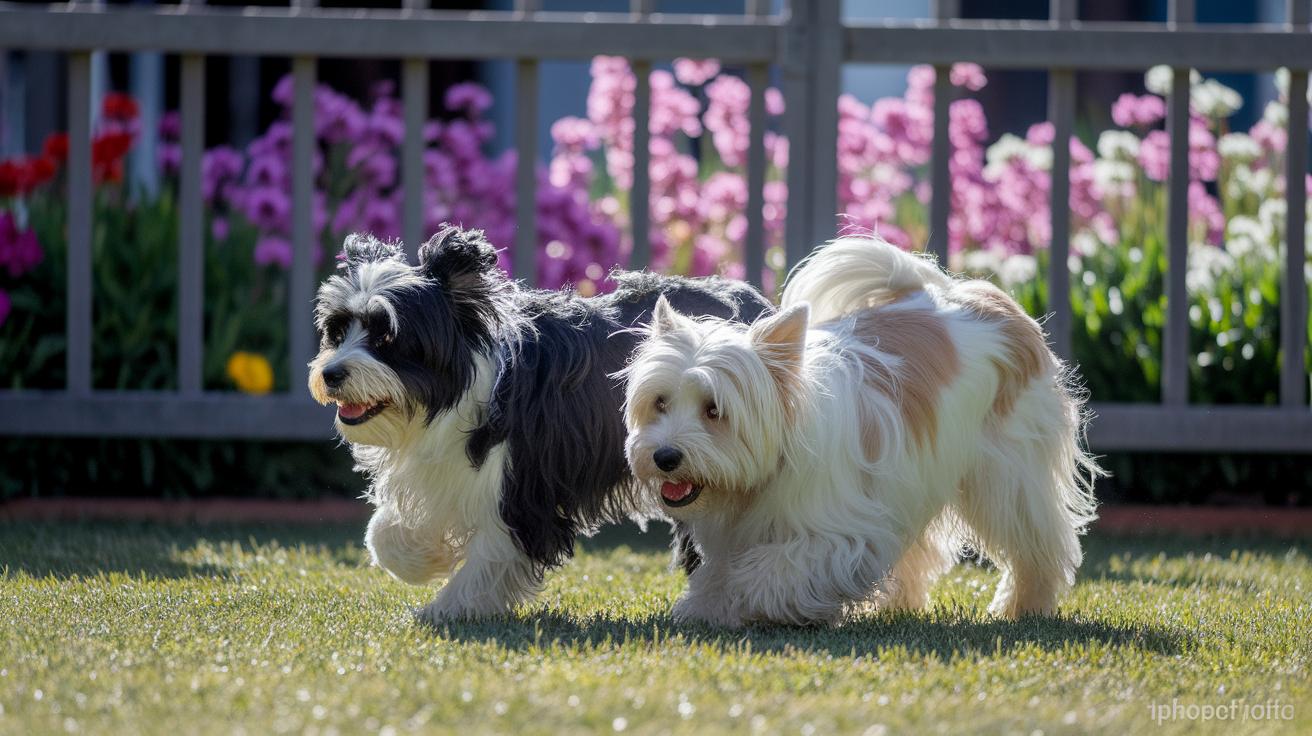
Ever wonder if your pet is really safe in your backyard? A closer look might reveal hidden hazards like worn fences or sneaky escape routes. Just like checking each toy for signs of wear, taking a moment to measure your yard can help you spot any gaps. Removing harmful plants or tidying up stray clutter are simple fixes that can make your outdoor space feel warm and secure. In this guide, we share easy steps to transform your yard into a safe haven where every bark and purr is met with love and reassurance.
Critical Steps to Secure Your Yard for Outdoor Pets
Start by measuring your yard to get the full picture of its shape and size. When you do this, picture it like mapping out your pet’s favorite play area, you’ll notice every boundary and can spot any small gaps that might let your furry friend wander off.
Next, take a friendly stroll around your yard and look for any holes or spots where the fence might be worn out. Check corners and fence joints carefully, just like you would tighten a loose screw on a beloved toy. Fixing these little issues right away makes sure your pet always has a safe zone to relax or run around.
While you’re at it, remove any plants that could be harmful and clear away debris like fallen branches or stray trash. Even though some greenery might look pretty, toxic plants can lead to irritation or allergies, so swapping them out for pet-friendly options is a wise move. Plus, tidying up keeps your yard clear of tripping hazards.
Also, treat those sunny spots or damp corners, areas where your pet loves to hang out, with flea and tick treatments. It’s a quick, smart way to help keep pesky bugs at bay and make sure your buddy stays comfy.
Finally, make sure there are no secret escape routes by also clearing clutter around garden beds that might invite digging. Following these easy steps transforms your yard into a secure, inviting haven for your outdoor friend.
- Measure your yard and check all boundaries
- Identify and repair holes or loose spots in the fence
- Remove toxic plants and clear out debris
- Apply flea and tick treatments in moist or shady areas
- Clear clutter and block potential escape routes
Taking these steps means you’re creating a cozy, safe space for your pet, one where every romp and nap is filled with peace of mind.
Choosing the Right Fences and Barriers for Outdoor Pet Safety

When you’re picking a fence for your yard, start by thinking about your pet’s size and how they like to play. For most dogs, a 24-inch tall fence works perfectly, but if your pup is especially active or a bigger breed, you might need a fence that’s 30 to 36 inches high. This extra height makes sure your furry friend stays safe while still letting them see out into the yard.
There are plenty of materials you can choose from. If you’re looking for something simple and budget-friendly, chicken wire does the trick. But if you want your yard to look a bit more polished, wooden lattice panels could be just the thing. And if you’re dreaming of a garden vibe, framed trellis panels can hold climbing vines and add a charming touch. Each option has its own benefits, so think about your yard’s style and your pet’s energy level. And here’s a fun tidbit to ponder: before Marie Curie became a famous scientist, she used to carry test tubes in her pockets, imagine that surprise!
For a strong and steady fence, it’s best to place support posts about every four feet along the line. Making these posts 6 to 8 inches taller than the fence itself adds extra stability. Many pet parents like using step-in fiberglass posts because they’re easy to install and won’t break the bank, though metal posts or sturdy wooden stakes can work better in some spots.
If your yard has rocky soil, take the time to dig a small hole for each post and fill it with crushed gravel. This helps anchor everything down firmly. And don’t forget to smooth out any sharp or uneven edges so the fence stays safe and easy to see.
| Tip | How-To |
|---|---|
| Materials | Match them to your yard style and your pet’s energy level |
| Post Spacing | Place every four feet and add extra height for extra stability |
| Post Type | Choose step-in fiberglass, metal posts, or wooden stakes based on your yard’s conditions |
| Rocky Soil | Dig holes and backfill with crushed gravel to securely anchor your posts |
DIY Pet Containment Solutions for Your Yard
Imagine turning your plan into a fun treasure map where every marked spot shows you exactly where to put a support post. Visualize drawing your yard with little clues, like noting, “Place a post where the soft afternoon sun warms the earth,” giving that extra bit of strength.
Next, focus on lining up those support posts. Mark a spot every four feet along the fence line you’ve chosen. If your yard has rocky or hard-packed patches, dig a small hole for each post and fill it with medium-sized crushed gravel so it stays nice and firm. This careful setup makes sure your fence remains steady, even if your curious pet gives it a playful nudge.
Then, secure the fence panels to your posts with strong, reliable fasteners. Think of it like snapping together a delightful puzzle, each piece clicks perfectly into place, blending creative style with solid strength.
- Mark support post spots on your treasure map layout
- Space posts every four feet along the fence line
- In rocky areas, dig holes and backfill with crushed gravel
- Attach fence panels securely for a puzzle-like, sturdy barrier
Preventing Yard Hazards to Protect Outdoor Pets

Take a good look at those shady, damp spots in your yard. These cozy little corners can be hideouts for pesky fleas and ticks. A simple pet-safe spray on the cool patch near your garden bench can make all the difference, keeping your furry friend comfy and itch-free.
Next, walk around and check for any chemicals that might be risky for your pet. Rodent poisons may seem useful, but if your pet gets hold of them, it can lead to serious trouble. Instead, consider a natural mint-based repellent, it keeps unwanted critters at bay without harming your buddy. Also, steer clear of bone-meal fertilizers, since their scent can lure pets and sometimes upset their tummies.
Don’t forget to keep an eye on your plants. Some common garden plants can be toxic if your pet nibbles on them. It might be a good idea to move these plants or swap them with pet-friendly varieties. Watch for any signs of skin irritation or odd behavior, which could signal an allergy.
If you have a pool, safety is extra important. A secure fence will keep your playful pet safely away from the water, while cool, shaded resting spots offer them relief on hot days.
Finally, safeguard your garden beds with simple barriers or natural deterrents. This helps protect both your prized plants and your pet by reducing the chance of accidental falls or encounters with harmful debris.
| Tip | Description |
|---|---|
| Treat moist spots | Use pet-safe sprays on shaded areas to deter fleas and ticks. |
| Avoid harmful chemicals | Opt for natural repellents like mint-based solutions and skip bone-meal fertilizers. |
| Check your plants | Identify toxic plants and replace them with safe alternatives. |
| Secure the pool | Install a fence around the pool and provide cool, shady resting areas. |
| Protect garden beds | Add barriers or natural deterrents to prevent accidental falls. |
Designing Safe Outdoor Play Zones and Enclosures
Begin by measuring and marking off special spots in your yard, almost like drawing a treasure map for your pet. This planning creates a clear play zone where your furry friend can romp, relax, and explore without wandering too far.
Next, think about adding some cozy shade and shelter in these areas for those sunny or rainy afternoons. A simple gazebo or a pop-up canopy can provide a cool spot where your dog might snooze after a busy game, much like a charming porch retreat on a warm summer day.
Then, consider including fun water features such as a little dog pool or a misting station. These playful additions not only keep your pet cool but also add an exciting element to playtime. Equally important are durable, non-toxic surfaces and safe toys , imagine a soft turf or mulch bed underfoot that feels natural and keeps the space clean.
And why not spice things up with a few agility or climbing elements? Even simple hurdles or a safe climbing frame can give your pet a little extra exercise and mental fun, making the outdoors a place of adventure and discovery.
| Step |
|---|
| Measure and mark distinct play areas |
| Install shade and weatherproof shelters |
| Set up water features like dog pools or misting stations |
| Choose durable, non-toxic surfaces and toys |
| Incorporate agility or climbing structures for extra exercise |
Creating clear boundaries between play and rest spots makes it simple for your pet to switch from energetic fun to quiet moments of relaxation in a safe outdoor space.
Tailoring Yard Security for Dogs vs Cats

When planning your yard’s security, it’s important to remember that dogs and cats each have their own needs. For your playful dog, think of installing tall fences with secure latches so that your furry friend stays safely inside. A neat trick is to bury the bottom of the fence or add a barrier underground, this stops your dog from digging under and finding a new way out, kind of like adding an extra layer of protection for those excited moments near the fence.
When it comes to cats, the approach changes a bit. Since cats are clever climbers, you want a set-up that discourages their quick escape attempts. A great idea is to choose fencing designed just for cats, one with inward-facing rollers or a mesh top that keeps them from leaping away. Adding overhead netting can stop any high-flying leaps toward busy areas. And, of course, use non-toxic ground covers so your curious kitty isn’t exposed to harmful chemicals. This way, your cat can enjoy the fresh air while staying safe.
| Pet Type | Key Measures |
|---|---|
| Dogs | Tall fencing with secure latches and buried fence bottoms or underground barriers. |
| Cats | Cat-proof fencing with inward-facing rollers or mesh tops, plus overhead netting. |
| Both | Non-toxic ground cover for a safe outdoor environment. |
By tailoring your yard security to meet the unique needs of dogs and cats, you create a safe space where your pet can frolic and explore without worry. Have you ever noticed how a secure home brings a little extra peace of mind to both you and your pet?
Maintaining and Inspecting Secure Outdoor Pet Areas
Keeping your pet’s outdoor area safe is all about regular care and checks. Every month, take a little time to stroll around the space and spot any small issues before they turn into big concerns. Look carefully at your fence and gates for any wobbly posts, tiny gaps, or parts that might be wearing down. And, while you’re at it, give each latch a quick test and tighten them if they need it – it can make a big difference in keeping your furry friend from accidentally slipping out.
As you make your rounds, clear away any leaves, dirt, or small branches that have collected around the base of your fence. These little bits can hide problems or weaken the whole setup. Also, keep an eye out for seasonal pests and treat any vulnerable spots with pet-safe products. Refreshing your shade shelters and water stations every now and then will make sure your pet stays comfy whether they’re playing or resting.
| Maintenance Tip |
|---|
| Check fence and gate stability for loose posts and gaps |
| Test and tighten latches, replacing any broken hardware |
| Clear debris from around barrier bases |
| Treat for seasonal pests using pet-safe solutions |
| Refresh shade areas and water stations frequently |
Routine checks and fixing small issues right away keep your backyard safe and sound. It means your pet gets to enjoy a playful, secure space time after time, just like a trusted friend looks after their little bundle of joy.
Final Words
In the action, this guide covered the key steps in measuring, repairing, and cleaning up your yard while selecting the right fences and barriers. Each section broke down smart DIY approaches and pet-specific modifications to create safe play zones and secure outdoor spaces.
Regular checks and small fixes keep your space safe and welcoming. With these tips on how to secure your yard for outdoor pets, your backyard becomes a trusted haven for your furry friends.