



Ever notice how some vet visits feel soothing while others make you and your pet a bit jittery? Getting ready for a checkup is a lot like planning a fun day out. You pack the essentials, create a calm vibe at home, and let your furry friend know what to expect.
In this guide, I'll share a few simple, clear steps to help keep both you and your pet relaxed. Imagine it as a small adventure where a little preparation turns anxious moments into comfort. Let's dive in and see how these easy tips can make all the difference.
Step-by-Step Guide to Prepare Your Pet for a Checkup
-
First up, pick a time that fits right into your daily routine. Early morning slots can be extra nice because things tend to be quieter. It’s a bit like enjoying that peaceful moment before the day really kicks in, perfect for you and your furry friend.
-
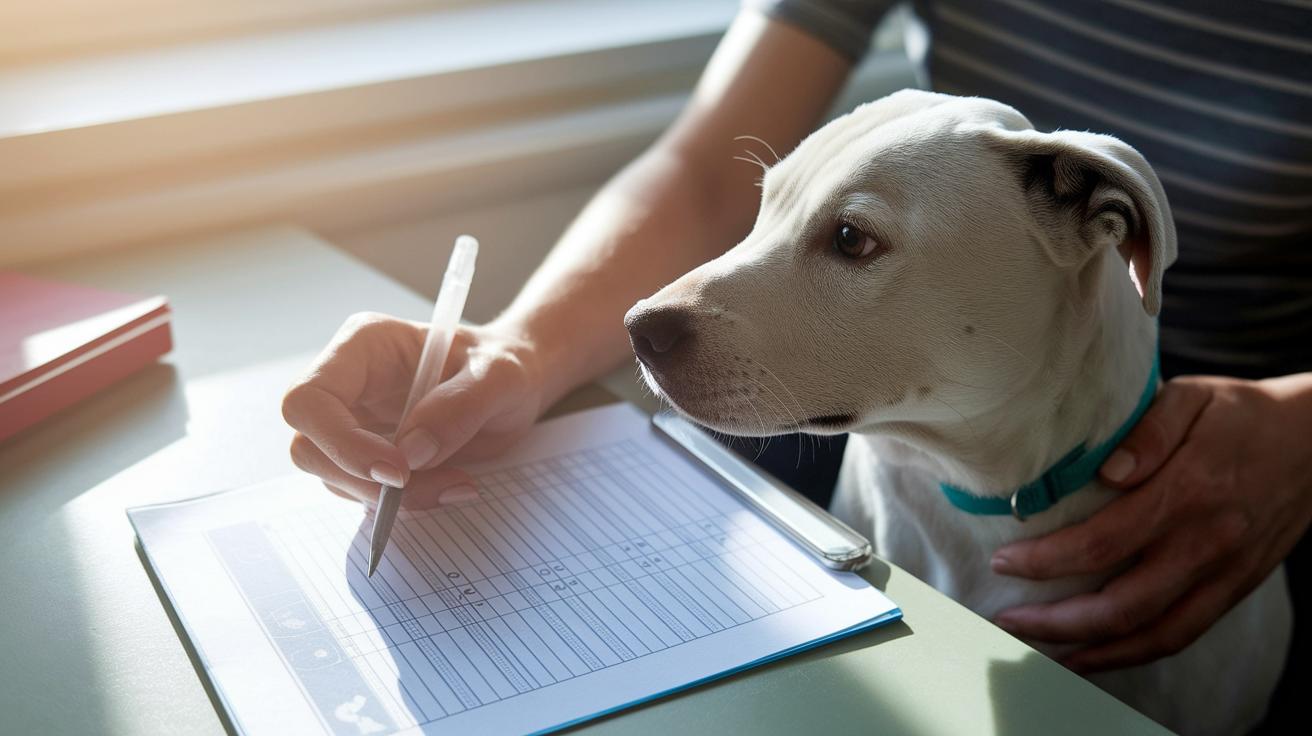
Next, gather all of your pet’s health records. This means vaccination papers, recent test results, and any notes about changes in behavior or diet. Think of it like getting all your ingredients ready before a fun cooking session, each piece helps make the checkup run smoothly.
-
Then, make a checklist of everything you’ll need to bring. Jot down details like any medications, past test results, and little observations about your pet. This checklist acts like a handy roadmap to ensure nothing important gets left behind.
-
Also, spend a bit of time at home getting your pet used to gentle handling. Regularly and softly rub their ears, paws, and even their mouth. This small act can really help make the vet visit more relaxed later on. It’s almost like giving your pet a mini massage!
-
Lastly, double-check your appointment details and all your documents before you head out. Taking that extra moment to review everything can help keep the visit calm and stress-free, from routine checks like weight and temperature, to a look at your pet’s eyes, ears, and more.
Assembling Your Pre-Visit Checklist for Checkup Readiness

Before you head out, round up all your pet’s important health documents. Think of it like grabbing your essentials for a fun day out with your furry buddy, it makes you feel ready and relaxed.
You’ll want to bring along:
- Vaccination records and any recent updates
- A summary of past tests, like lab work or x-rays
- A list of current medications paired with notes about any changes in behavior or appetite (for example: "Have you noticed your pet seems a bit less playful lately?")
- Any new health history updates that might guide the vet’s exam
- Insurance details, payment info, and emergency contacts
- A printed list of questions or concerns you’ve jotted down
- A note of any positive experiences from past visits that show your pet felt comfortable
- For example: "Last time, my dog's friendly interaction with the clinic staff made the exam so much easier."
Keep all these items together in one folder or bag. This simple checklist not only keeps things organized but also makes sure you don’t miss any essentials when it’s time to go.
Grooming and Handling Tips Before a Veterinary Wellness Exam
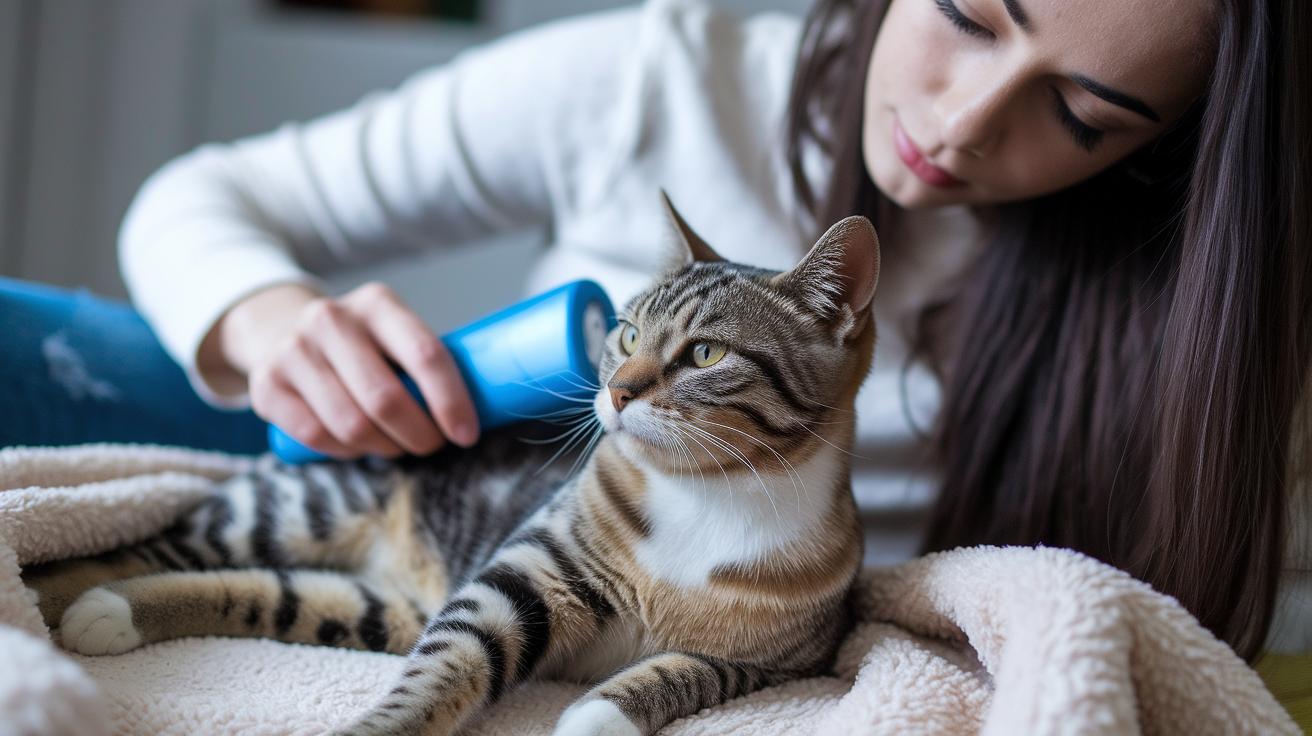
Making grooming a regular, gentle habit at home can really soothe your pet before a vet visit. A quick brush, a soft nail trim, and a little ear wipe done about 24 hours beforehand goes a long way. I once cleaned my cat’s ears and brushed him lightly; his calm purr made it clear he felt safe.
It also helps to get your pet used to gentle touches early on. Start handling their ears, paws, and mouth when they’re young, whether they’re a kitten or a puppy. Try holding your pet’s paw gently while offering a treat. Every time I did that with my puppy, he grew more comfortable and hardly flinched during later checkups.
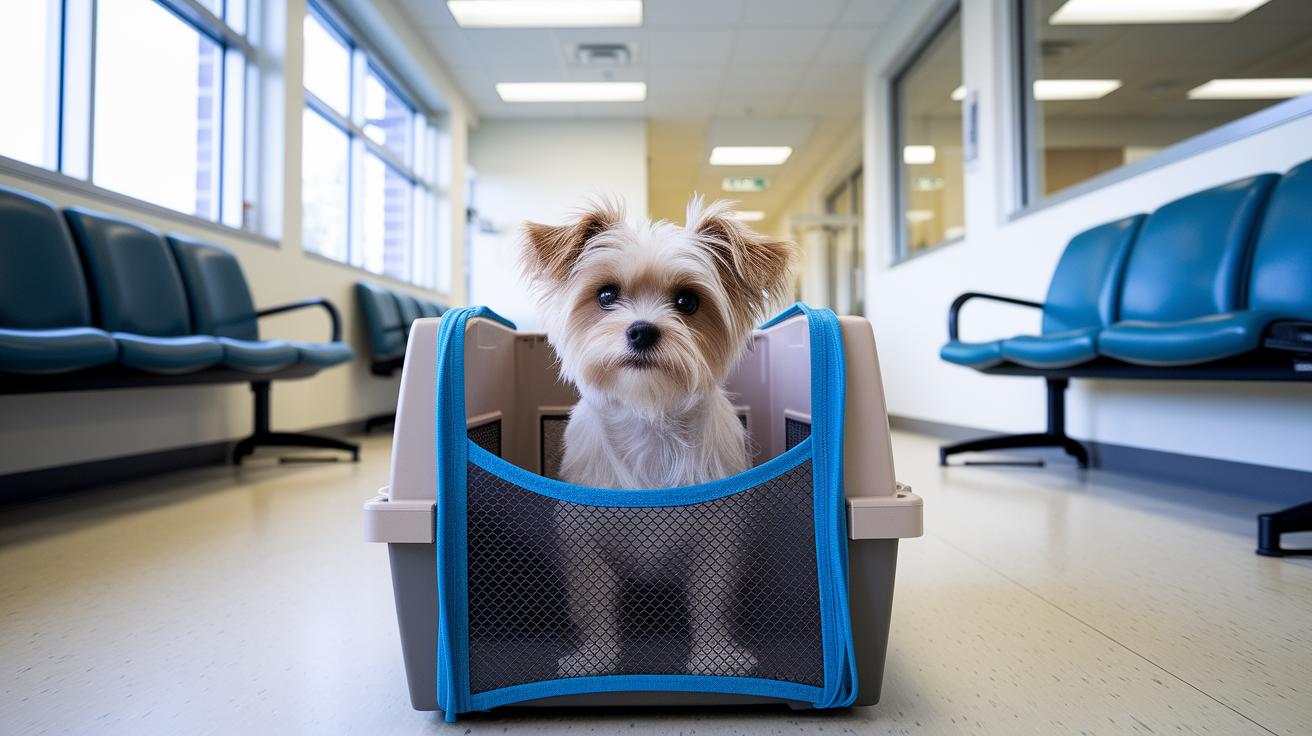
For small dogs and cats, introduce them to carriers or travel crates a few weeks before the visit. Leave the crate open in a quiet part of your home and toss in a soft blanket or favorite toy. That way, when it’s time to travel, the space feels cozy instead of scary.
These little steps not only cut down the exam time but help make the whole experience more relaxed and friendly for both you and your pet.
Easing Anxiety: Calming Strategies for Clinic Visits
One simple trick is to plan a fun "happy visit" before the real checkup. During this visit, your pet gets to meet friendly faces, enjoy a tasty treat, and hear lots of gentle praise, all without any procedures. For instance, you might say, "This is just a fun hello," while giving a small treat, much like catching up with an old friend.
Another idea is to take short trips in your pet's carrier or have gentle touch sessions in the days leading up to the visit. These little practices help your pet get used to the travel crate and the friendly handling they’ll experience. You might start with a quick five-minute ride and then reward your fur buddy with a kind word or snack, like saying, "Good job keeping calm."
It’s also a good idea to chat with your vet about options for reducing anxiety, especially if your pet really struggles at the clinic. Sometimes, medications, pheromone sprays, or natural supplements can make things easier. And don’t forget to bring along a familiar toy, a favorite blanket, or extra treats, these comfort items can make your pet feel much safer during the exam.
Using these simple tips can help turn a stressful checkup into a much calmer experience for both you and your pet. Over time, these small steps can build a positive vibe, making each clinic visit feel less daunting and more reassuring. Enjoy the journey as you help your companion relax and feel at home.
What to Expect During Your Pet’s Veterinary Checkup
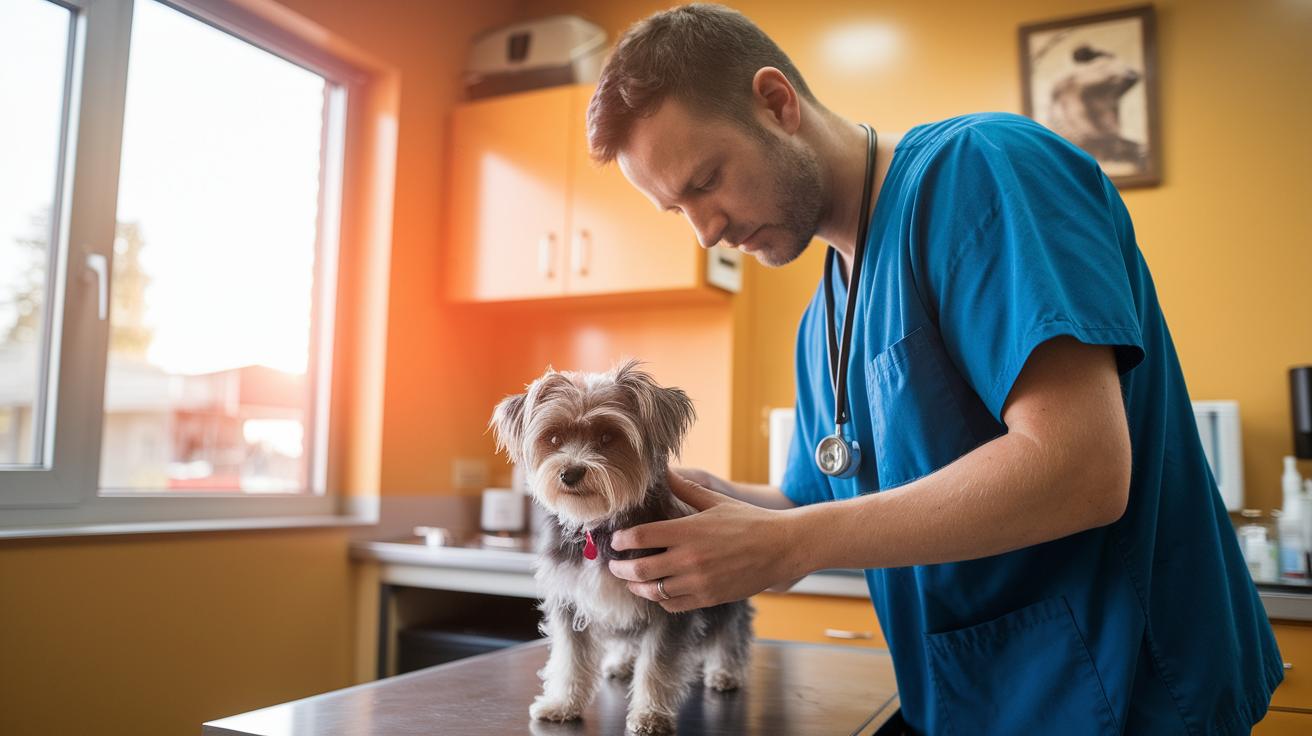
When you walk into the clinic with your pet, you'll immediately feel a calm, friendly vibe that sets the tone for the visit. The vet starts by giving your pet a head-to-tail checkup, kind of like a full tune-up for your car. They’ll weigh your buddy, peek at their bright eyes, check their ears and teeth, and feel their tummy to spot any little issues.
The vet also keeps an eye on your pet’s temperature, heart rate, and breathing, almost like gathering little clues to make sure everything is okay. And if something seems off, they might do extra tests like blood panels, X-rays, or even ultrasounds, just to be extra sure nothing is missed.
Next, you’ll have a relaxed chat about your pet’s diet, how much exercise they’re getting, and their overall care. You might hear a friendly, “Have you noticed any changes in your pet’s behavior lately?” which helps the vet understand your pet’s routine and plan future care.
All in all, the visit usually lasts about 20–30 minutes. Every moment is dedicated to making sure your pet stays happy and healthy, leaving you with peace of mind and plenty of tail wags at home.
Communicating With Your Veterinarian: Questions and Follow-Up Planning

Start by jotting down any questions that pop into your mind about your pet’s health. It could be as simple as wondering if a change in diet might be affecting their energy or if a little shift in behavior hints at something more. For instance, you might ask, "Have you noticed any signs that could point to a food intolerance?" This little note-making can really help build a good chat with your vet.
It’s a great idea to write down a few specific questions like:
- How can we change my pet’s diet if their energy seems off?
- What signs should I keep an eye on that might show a long-term issue?
- Do you suggest a regular schedule for vaccinations considering my pet’s age?
Also, keep track of any odd behaviors you notice, maybe your furry friend seems more tired than usual, is eating differently, or has some skin issues. These notes can be super helpful when you chat with your vet. And during your visit, don’t be shy about asking for more details on any instructions they share. It’s all about making sure you understand everything clearly.
After the checkup, make sure to follow the vet’s advice closely. Keep an eye out for any unexpected reactions like swelling or extra tiredness, and if you feel something isn’t right, it might be time for another visit in about 6–12 months. By keeping your own records and asking thoughtful questions, you’re setting up a solid partnership with your vet, making sure your pet gets the loving care they deserve.
Final Words
In the action of organizing a smooth vet visit, we covered a step-by-step guide on how to prepare your pet for a checkup. We looked at assembling your checklist, handling grooming, easing anxiety, and what to expect during the exam. Each part helps keep your furry friend safe and comfortable. Enjoy the peace of knowing your pet's well-being is in good hands. Keep smiling as you make every checkup calm and positive!
FAQ
Frequently Asked Questions
How do you perform a physical exam on a dog during a checkup?
A physical exam on a dog means the vet checks its weight, eyes, ears, teeth, skin, and vital signs. This helps spot any health issues early.
What happens during a dog’s yearly wellness checkup?
A yearly wellness checkup involves a full physical exam, a review of diet and behavior, and updates to vaccination records. This routine ensures your pet stays healthy and happy.
How long should a dog fast before a blood test and why is it done?
Fasting for 8–12 hours is common before blood work to clear the system, allowing the vet to get more accurate results about your pet’s health.
How do I prepare my dog for a vet visit regarding feeding and grooming?
Preparing your dog means gathering health records, doing a quick brush or nail trim, and following your vet’s advice on whether to feed or fast, making the visit less stressful.
How long does a typical pet checkup take at the clinic?
A pet checkup usually spans about 20–30 minutes. This time covers a full exam, discussions about diet and behavior, and any necessary diagnostics to keep your pet well.