



Have you ever stopped to think about what it really costs to bring your furry friend along on your adventures? It might seem a bit confusing at first with all those extra expenses, airline fees, travel crates, vet check-ups, and even health certificates.
Let’s break it down so you know what to expect. Knowing these costs upfront means you can plan a trip that keeps your pet safe, happy, and comfy right by your side.
Stick with us, and we’ll share some straightforward tips to help you manage your travel budget without overspending. After all, nothing beats the joy of exploring the world with your best bud by your side.
Estimated Costs to Travel With a Pet: A Comprehensive Overview
Traveling with your pet can cost as little as about $60 on a quick domestic in-cabin flight or up to roughly $335–$1,000 when you’re jetting abroad with your furry buddy. Whether you're flying around the state or hopping over borders, there are several expenses that add up.
Airline fees often form the biggest part of your travel bill. For example, domestic in-cabin flights can start as low as $60 on certain inter-island trips, like those on Hawaiian Airlines in Hawaii, but most trips range from $100 to $200. When it comes to international travel, airlines usually charge between $125 and $200 per leg, depending on your pet’s size and whether they're traveling in-cabin or as cargo. Plus, you might need an airline-approved travel crate, which typically costs between $40 and $200 to keep your pet safe on board.
Other costs include the essential paperwork required for pet travel. Health certificates can cost anywhere from $100 to $300, and vaccines might add another $20 to $200. A pre-trip vet check-up usually runs around $40–$60, making sure your pet is fit for the journey. And if you plan to stay in pet-friendly accommodations, expect to pay about $50 to $200 per night. Packing your pet’s food and necessary items in their travel carrier can also help you avoid extra baggage or shipping fees.
Planning ahead and considering each of these elements can make your trip more enjoyable and stress-free.
Breaking Down Airline Pet Travel Expenses
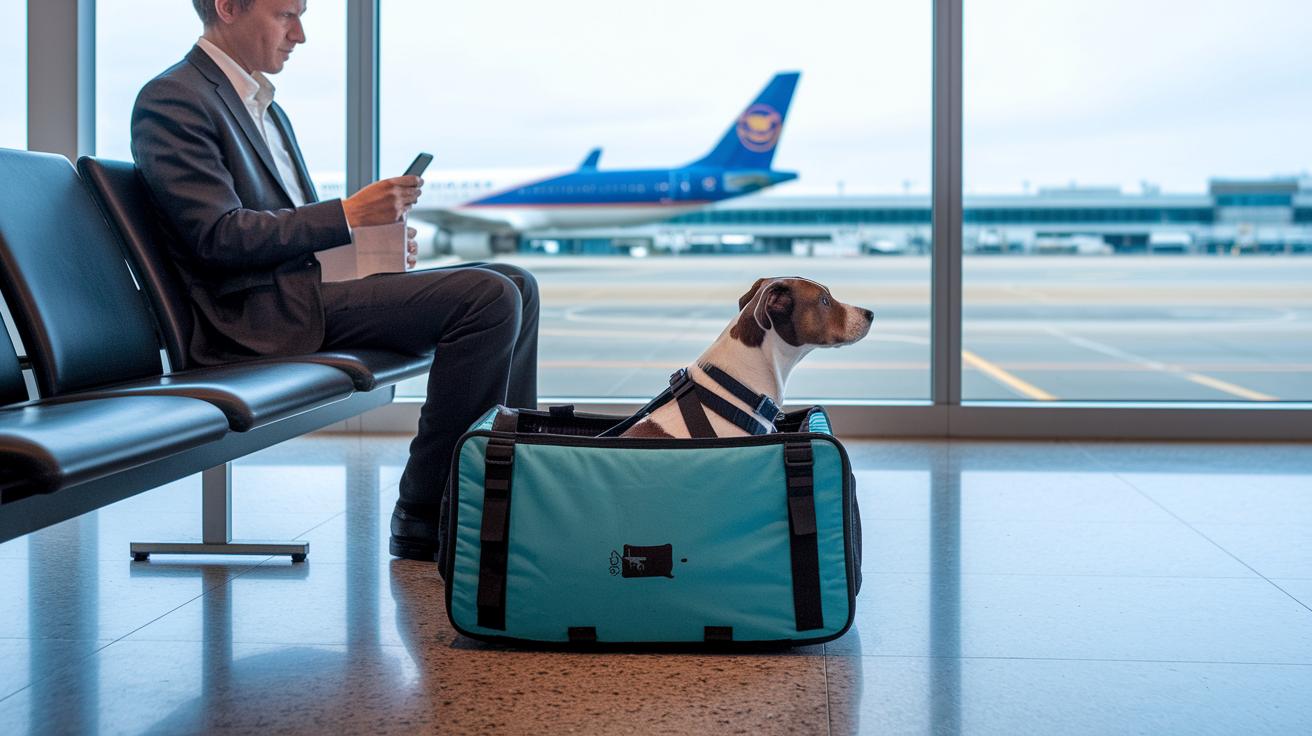
When you're jetting off with your furry buddy, choosing between cabin and cargo travel can really change how much you pay. Cabin travel means your pet can snuggle up right next to you in a soft-sided, under-seat carrier that feels like a cozy little hideaway. On the other hand, cargo travel sends your pet off in a hard-sided crate with a different fee structure.
| Airline | In-Cabin Fee | Cargo Fee |
|---|---|---|
| Hawaiian Airlines | $60 (domestic inter-island) / $225 (international) | N/A |
| Alaska Airlines | $100 (one way) | $100 (one way) |
| Average U.S. Carriers | $125–$200 per leg | $125–$200 per leg |
There are also other things that can affect the price. Factors like how far you're flying, the size of your pet, and whether your flight has a stop can change the final cost. Every airline has strict rules on which carriers to use, so choosing between a hard-sided crate for cargo or a soft-sided bag for cabin travel really matters. For instance, if you have a bigger dog, you might need a larger crate, which could cost a bit more.
It always helps to plan ahead. Booking your pet’s travel early can lock in better rates, and it’s a good idea to double-check the airline’s pet policies before you book. Sometimes, connecting flights mean extra handling fees and a larger pet might require a roomier, pricier crate. And if you can, try to pick a nonstop flight to keep things simpler and costs more predictable. Have you ever noticed how a smooth flight can make all the difference for you and your little friend?
Pet Transportation Price Guide: Ground and Alternative Methods
When you're traveling with your pet, sometimes skipping the airline fees by choosing land or alternative travel methods can be a real lifesaver. Driving your own car or renting one means you avoid those extra charges on flights, but don’t forget that fuel, tolls, and a few overnight hotel stays might add up along the way.
There are a few ways to hit the road with your furry buddy. For example:
- Personal car: You won’t face an extra pet fee, but you'll cover all the fuel, tolls, and any hotel costs for your adventure.
- Rental vehicle: This one’s similar to using your own car, just make sure to check with the rental company first, as some might have specific rules about riding with pets.
- Train service: Many train companies welcome pets with a small fee. However, some may restrict the size of your pet or require you to book in advance.
- Bus service: These rules can really differ. Some buses don’t allow pets at all, while others charge anywhere from about $50 to $100 to bring your animal along.
- Professional pet transport: If you prefer a door-to-door service, these professionals take extra care of your pet. They typically charge per mile, adding handling fees that range from roughly $0.50 to $2 per mile, and regional trips often start at around $500.
Each option comes with its own set of details and costs, so it’s always a good idea to compare them to see which fits best for you and your beloved companion. Have you ever planned a pet-friendly road trip like this? It’s fun exploring all the choices so your journey is as smooth as a wagging tail.
Estimating Lodging Expenses When Traveling With a Pet

When you travel with your furry friend, many pet-friendly hotels charge extra fees that can really add up. Often, you might see a nightly pet fee of anywhere between $50 and $200. They might also ask for a refundable deposit in case of any little mishaps caused by your pet. And, if you happen to be a loyalty member, some hotels even skip these extra costs, a nice perk for regular travelers.
Airbnb and vacation rentals can be a great alternative too, though they usually add a small pet supplement of about $10 to $50 per night. It might not seem like a lot at first, but it can add up if you're staying for several nights.
If you’re looking to save a bit, try booking places that offer discounts on pet fees for longer stays or for loyalty program members. It really helps to call ahead and check out their pet policies. Sometimes, the lovely local guesthouses come with lower surcharges or even special pet discounts, making your trip easier on your wallet while still being super fun for both you and your pet.
Navigating Pet Travel Paperwork and Associated Fees
If you're planning a trip with your furry pal, one of the first things to sort out is the necessary paperwork. You’ll need a few key documents such as a health certificate, microchip details, rabies vaccination records, and deworming treatments. Sometimes, you might even need an international pet passport or travel certificate, so it’s good to plan for these extra costs ahead of time.
For example, a health certificate generally runs between $100 and $300 and must be issued within about 10 days before you leave. Getting a microchip, which helps keep your pet easily identifiable during travel, usually costs between $20 and $50. When it comes to vaccinations, budgeting roughly $25 for a rabies shot is common, and if a blood test is needed, that might add around $100. Deworming doses are pretty affordable at about $5 to $10 each. And if your destination asks for extra documents like an international pet passport, expect to spend an additional $100 to $250. A routine vet check-up to make sure your pet is fit for travel typically costs between $40 and $60.
Timing is key, because many of these certificates have strict expiration dates, it’s best to schedule your vet appointments close to your departure. Sometimes, follow-up treatments or renewals might be needed depending on your pet's health and the country you're visiting. Being organized with your paperwork not only makes the journey smoother but also helps ensure your pet stays happy and safe all the way.
| Document/Service | Estimated Cost |
|---|---|
| Health Certificate | $100 – $300 |
| Microchip Insertion | $20 – $50 |
| Rabies Vaccination | About $25 |
| Blood Test (if needed) | Around $100 |
| Deworming Dose | $5 – $10 |
| International Pet Passport/Travel Certificate | $100 – $250 |
| Pre-Travel Vet Examination | $40 – $60 |
Budgeting and Cost-Saving Tips for Traveling With a Pet
Booking your pet’s travel at least four weeks ahead can really help you save money. When you set your plans in motion early, you have plenty of time to hunt for great deals and snag a pet-friendly flight that fits your budget. Fun fact: booking early can drop your travel cost by as much as 20% compared to last-minute decisions!
Choosing nonstop flights is another great trick. Flying direct means you skip extra handling fees and cut down travel time for your furry pal. It’s kind of like choosing the express lane at the grocery store, everything just flows a bit smoother.
Picking carriers with lower fees is also key. For example, airlines like Alaska charge around $100 for in-cabin travel, making them a smart choice if you’re watching your wallet. And by reusing gear, think of a sturdy, soft-sided carrier that fits neatly under the seat, you can avoid those extra rental or purchase fees. Plus, packing your pet’s food and water in the carrier rather than buying them at your destination keeps those hidden baggage charges at bay. Have you ever noticed how a bit of planning can really make your pet’s journey both enjoyable and budget-friendly?
Pet Travel Pricing FAQs: Costs of Traveling With a Pet
Q: What is the maximum pet weight allowed in the cabin?
A: Most airlines set a limit around 20–25 lbs for pets traveling in the cabin. Rules can vary, so it’s a good idea to check with your carrier, and keep in mind that extra fees might be added if your pet goes over the limit.
Q: How much does an oversized crate cost?
A: Oversized crates can run anywhere from $40 to $200. If you need a larger size or special features, the price may climb a bit higher.
Q: Are there hidden fees for international layovers?
A: Yes, sometimes international layovers come with extra charges like handling fees or nighttime boarding costs that might not be clear when you first book your trip.
Q: What fees apply if my pet exceeds cabin limitations?
A: If your pet weighs more than the cabin allows, some airlines might charge you an extra fee, usually between $25 and $100 per leg of your journey.
Q: Can crate mishandling lead to extra charges?
A: Definitely. If a crate is mishandled or there’s a flight delay, you might face overnight boarding fees, which typically range from $50 to $150 per incident.
Q: What quarantine fees might I encounter?
A: In some countries, quarantine for pets is required, and it can cost between $50 and $150 per day.
Q: Are there charges for denied boarding?
A: Yes, if your pet isn’t allowed to board at the last minute, you could end up with rerouting fees that add a few hundred dollars to your expenses.
Q: How does the booking method affect pet fees?
A: Booking online might help you snag lower fees compared to other methods. It’s always smart to review the airline’s policies closely to catch any extra costs before you book.
Final Words
In the action, we broke down pet travel costs from airline tickets to lodging fees and paper charges. We took a close look at everything from in-cabin expenses to pet transport methods. Each section offered practical tips for keeping your trip smooth and your wallet happy.
By planning ahead, you can easily manage your budget and make smart decisions on how much does it cost to travel with a pet. Stay positive and enjoy every mile with your furry friend.
FAQ
How much does it cost to fly a dog internationally?
The cost to fly a dog internationally usually ranges from around $335 to $1,000 total, combining airline fees, veterinary paperwork, approved travel crates, and other travel necessities.
How do you fly with a dog in-cabin?
Flying with a dog in-cabin means booking in advance, using an approved soft-sided carrier that fits securely under the seat, and following airline guidelines for size and documentation.
What is American Airlines’ pet policy and its carry-on pet fee?
American Airlines allows small pets in-cabin with an advance booking requirement. They typically charge between $125 and $200 per leg, and the pet must be in an approved carrier that fits under the seat.
What is Delta Air Lines’ pet policy?
Delta Air Lines permits small pets in-cabin with specific carrier size requirements and fees usually falling in the $125 to $200 range per leg, ensuring pets travel safely and comfortably.
How much does pet transport usually cost and what is the cheapest way to fly with a pet?
Pet transport costs vary greatly, often ranging between $125 and $200 per leg for in-cabin travel. Choosing airlines with lower fees, booking early, or considering alternative ground methods can help reduce expenses.
Do pets fly free on airlines?
Pets generally do not fly free on airlines. Most carriers charge a fee for pet travel, which can start as low as $60 for domestic trips and rise for international flights.
Which airlines offer pet-friendly policies?
Airlines such as American Airlines, United Airlines, Delta Air Lines, Southwest Airlines, Alaska Airlines, and Frontier Airlines provide pet-friendly options, though each has unique fees, carrier rules, and booking requirements.