


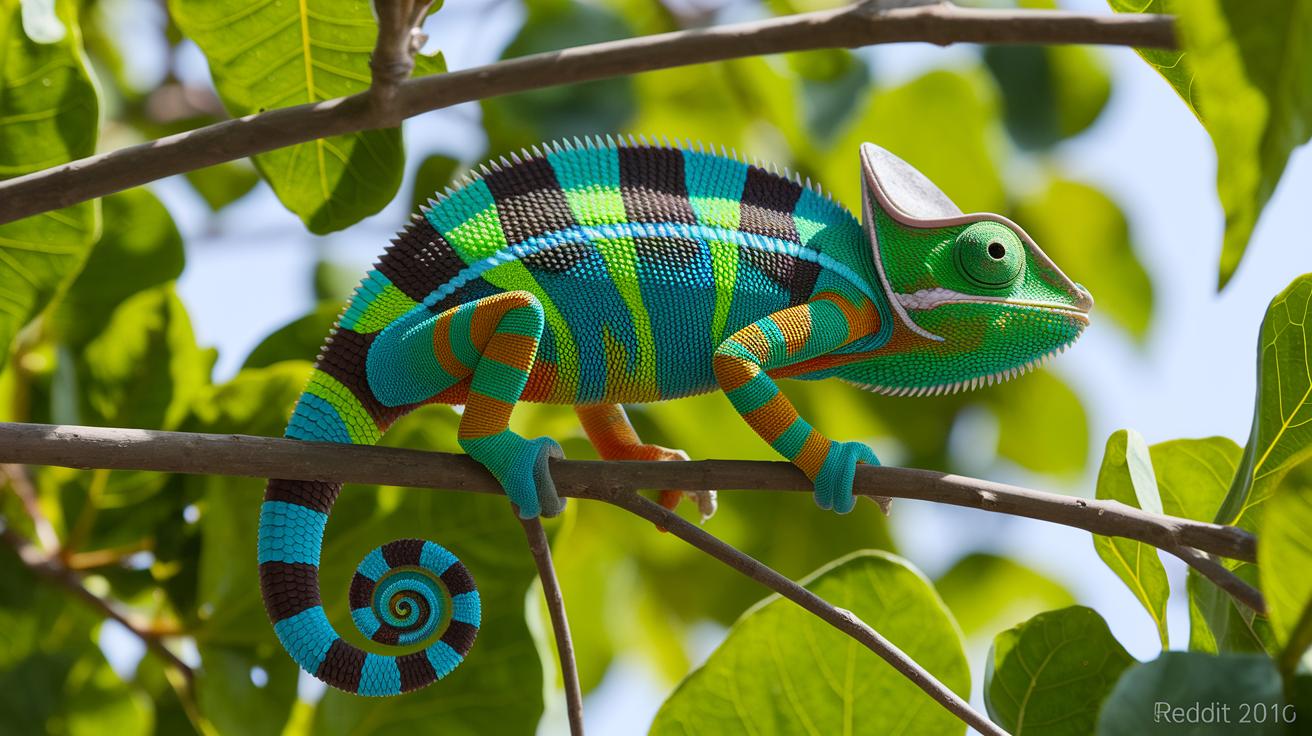
Have you ever noticed how a chameleon seems to perform a magic trick by changing its colors right before your eyes? Imagine a polar bear with thick, fluffy fur that hugs its body in the cold, snowy wilderness, or a lizard with rugged scales that act like a suit of armor. Each animal has its own smart way to blend into its surroundings and feel safe. Today, let's chat about how nature inspires these amazing survival tricks. You might be surprised to learn just how simply nature helps every creature thrive in its own special world.
Understanding How Animals Adapt: An Adaptive Strategies Overview
Animals change over time to survive, tweaking their bodies, actions, and even the way their insides work. Imagine a lizard with its rough, scaly skin or a polar bear wrapped in thick, cuddly fur, each unique trait helps them live in different corners of the world.
Take the chameleon, for example. Its skin shifts colors like a magic trick, letting it hide from danger and sneak up on its dinner. It's a neat reminder of how nature makes every creature a little secret agent in its own right.
And it's not just about looks. Many birds fly long distances when winter comes, seeking food or a cozy spot to rest. Think about squirrels, they switch up their routines as the seasons change, saving energy and staying safe. These behavioral shifts are simple yet smart tricks nature teaches to help animals fit into their world.
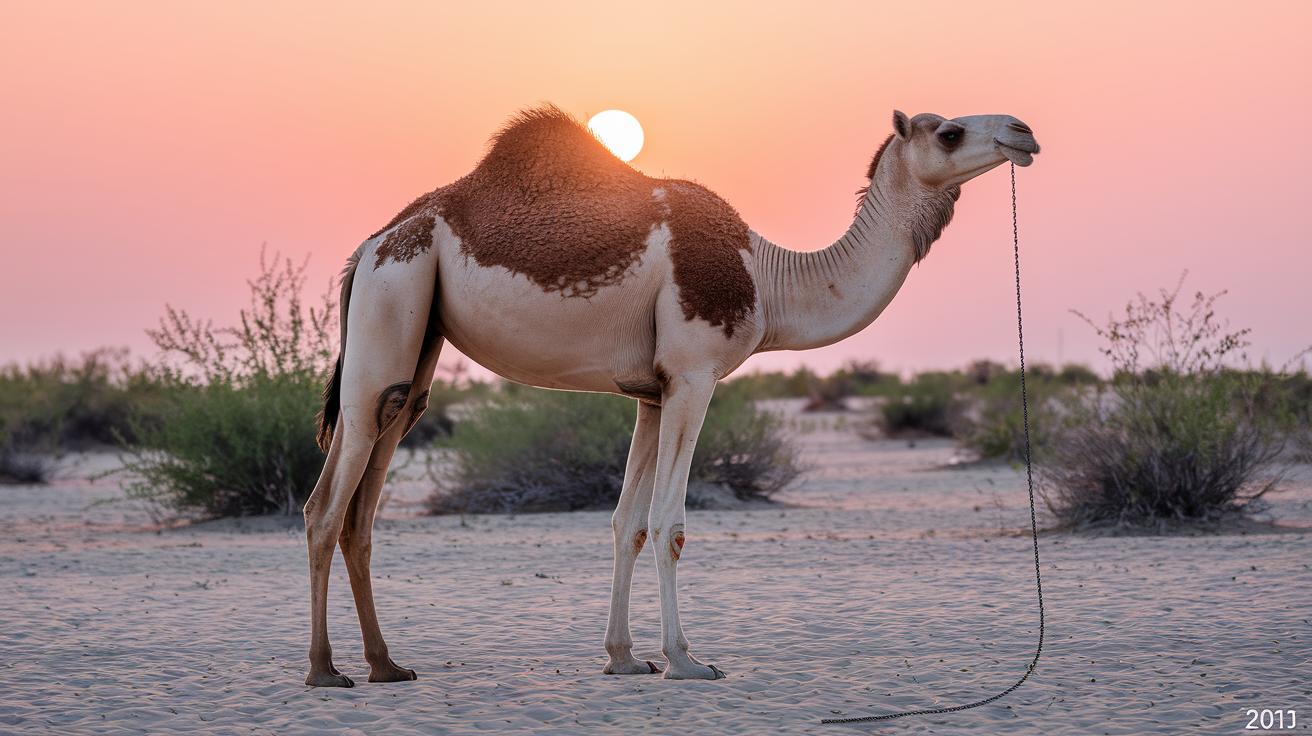
Inside the body, changes happen too. Some animals lower their heartbeat as they settle into sleep or hibernation, kind of like slow-motion breathing during a nap. A camel, living in a hot, dry place, has special ways to store water, keeping dehydration at bay. Even tiny tweaks in how their bodies work can make a huge difference when times get tough.
At the heart of it all, nature picks the best traits and passes them on. Over time, animals with the most helpful features get a better chance to live and share their genes with the next generation. This cycle of natural selection is what keeps species strong and ready to face whatever comes their way.
Behavioral Adaptations: Strategies for Animal Environmental Survival
Animals change their daily routines and even travel huge distances to survive. For example, many birds tweak their flight paths as the seasons shift, flying thousands of miles to find the best food and safest spots to breed. It’s almost like they’re following nature’s own roadmap!
Some creatures choose to be active when there are fewer dangers around. At night, many animals hunt or search for food while the world is quieter and cooler. In hot places, staying out at night can feel a bit like a refreshing evening walk when the day’s heat finally fades.
Other animals have clever ways to handle tough weather or threats. They might dig burrows to hide from harsh conditions or stick together in groups for strength and safety, just like a family of rabbits weaving together a secret home underground to dodge hungry predators.
All these behaviors change as nature offers different resources, showing us just how adaptable and resourceful our animal friends really are. It’s a gentle reminder that being flexible and responsive is key to thriving in a world that’s always on the move.
Physiological Adaptations in Wildlife: Coping with Environmental Pressures
Nature is full of clever tricks that help animals get through tough times. For instance, bears and ground squirrels slow their heartbeats and take gentle breaths while hibernating, kind of like dimming the lights in a room when it's time to wind down. This neat little trick saves energy during long, chilly spells or times when food is hard to find.
Camels, on the other hand, are true water-saving experts. In desert regions where water is as rare as a cool breeze on a hot day, they store every precious drop and use it sparingly. Imagine carrying a water bottle on a long walk and having just enough water to keep going, that’s exactly what these resilient creatures do without needing a refill.
Then there are animals that produce special heat-shock proteins to protect their cells when temperatures swing wildly, either really high or really low. Think of these proteins as a natural sunscreen, guarding their inner cells much like a protective shield during extreme weather.
All these clever adjustments, slowing down their metabolism, carefully managing hydration, and creating natural cell protectors, show how animals fine-tune their bodies to thrive even in the toughest environments. It's a little reminder that nature always finds a way to help its creatures survive, no matter what challenges come their way.
Morphological Adaptations: Physical Survival Traits in Animals
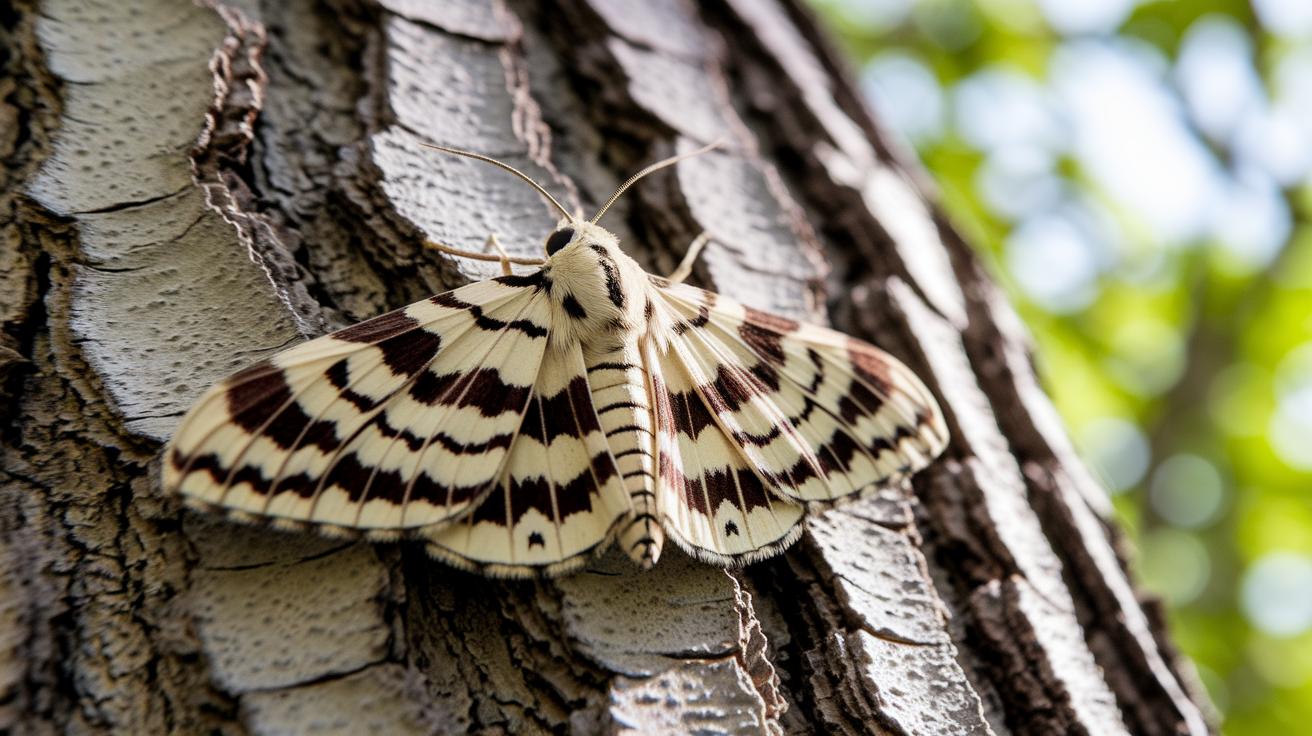
Animals are super clever when it comes to changing their looks so they can blend right into their surroundings. Imagine a moth with wings that mimic the rough patterns of tree bark, suddenly, it vanishes into the background. One cool example is the peppered moth. Over just a few decades, its wing color shifted to match soot-darkened trees in polluted areas and then switched back once the air cleared. It really shows how quickly nature can adjust to its environment.
These creatures are built tough too. Some come equipped with thick fur, smooth scales, or even bony plates, nature’s very own armor keeping them safe from the cold and other dangers. Think about animals in the polar regions; their dense fur not only keeps them warm but also helps them blend into snowy landscapes, acting like a perfect disguise against lurking predators.
Then there’s the fascinating trick of mimicry. Sometimes, harmless animals copy the appearance of ones that pose a threat to scare off would-be attackers. Picture a tiny fish sporting the stripe pattern of a venomous species, it’s like nature’s way of saying, “Back off!” And there are also those that flash bright warning colors, much like a stop sign, signaling danger without needing to confront directly.
Each of these amazing traits is a nod to nature’s resourcefulness, reminding us how every creature finds a way to survive and thrive, no matter how challenging the world might get.
Habitat-Specific Adaptations: Evolution in Deserts, Tropics, and Aquatic Environments
In the blazing deserts, every creature has to be a master at staying cool and saving water. Many animals have evolved neat tricks, some even store water in special scales, while others become active at night to dodge the scorching daytime heat. Picture a little lizard stepping out under a cool, starry sky, making the most of the mild nights. It’s nature’s clever way of beating the heat.
Over in the lively tropical forests, life is a colorful contest for survival. Here, you’ll find animals sporting skin that helps wick away moisture or patterns that look just like the leaves around them. Imagine a tiny tree frog, its bright colors perfectly camouflaged against broad, damp leaves. These smart designs hide them from predators and let them sneak up quietly on their next meal.
Then there’s life in the water, where being sleek is the key to success. Aquatic animals often have smooth, streamlined bodies built for swift movement. They might have special lungs or gills that help them grab oxygen from the water, and clever buoyancy aids that let them glide through different depths with ease. Think about a fish effortlessly dancing through a clear stream, it’s like watching nature’s perfect swimmer in action.
Each of these fascinating changes shows us that every living being is finely tuned to its home. Nature really has a way of inspiring us with these brilliant solutions to everyday challenges.
How Natural Selection Shapes Animal Adaptations in Changing Environments
Nature works like a gentle filter, letting only those animals with the right traits pass through to the next generation. Think of a bunny whose fur shifts to match the snowy backdrop, or a lizard that develops special traits to save water in a parched land. Nowadays, many critters face fresh challenges like shrinking habitats, pollution, and even sweltering heat waves brought on by our own actions. When the land gets really hot, only those with a few extra survival tricks manage to pull through.
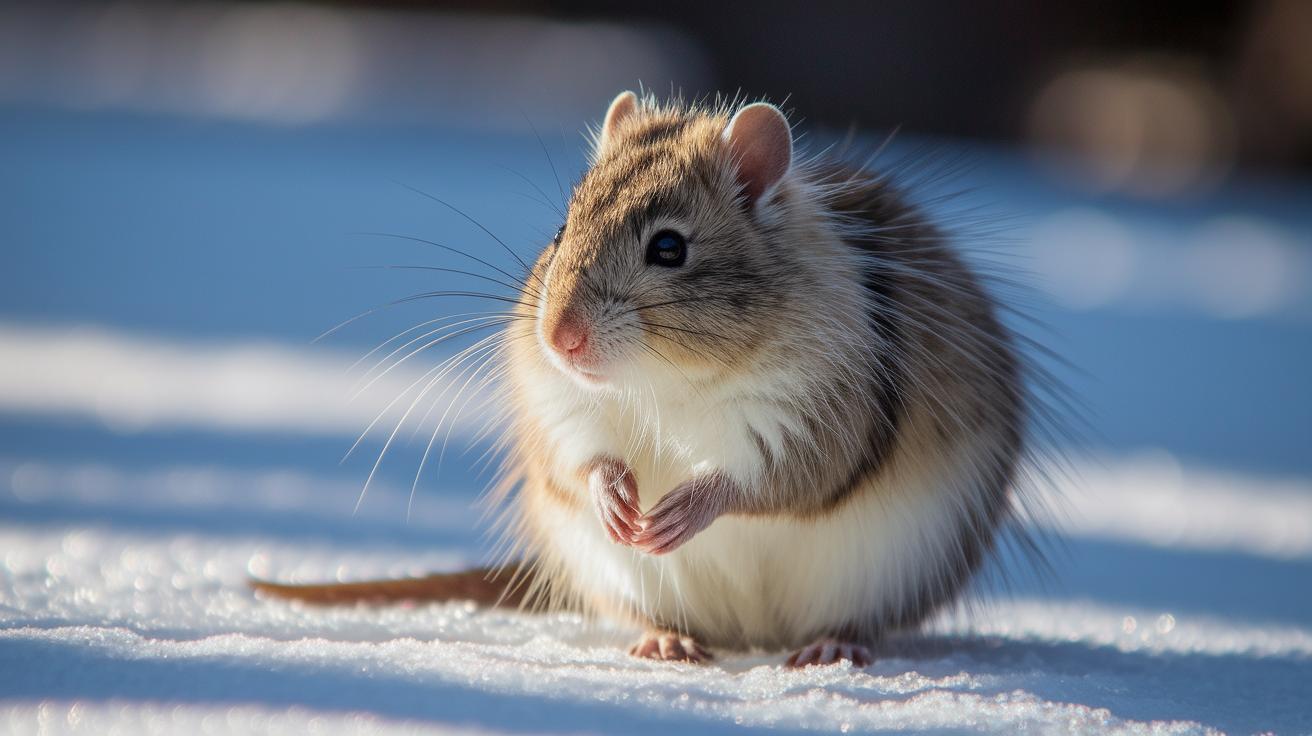
Imagine a group of little rodents where just a few have a gene that gives them fluffier fur – perfect for sudden cold snaps. With time, those helpful traits spread quietly among the group, steering the whole species toward better survival. Really, nature is always moving forward, and even a tiny, handy mutation can change the game. It’s like nature is tweaking its recipe just a bit, so animals learn to face new hurdles every season.
Isn’t it wonderful how, in the midst of all these changes, life finds a way to adapt? Just like a pet learning a new trick or a cat adjusting to a new home, these natural shifts remind us that even small changes can lead to big, beautiful surprises.
Final Words
In the action of observing the many ways animals survive, we looked at physical changes, smart movement, inner adjustments, and habitat touches that enable them to thrive. Each adaptation is shaped by natural selection, helping creatures face everyday challenges. It makes you marvel: how do animals adapt to the environment while balancing nature's demands? These insights light up our understanding, inspiring confidence and joy as we continue to celebrate and learn from our furry and wild friends.
FAQ
How do animals adapt to changes in their environment?
The way animals adapt to environmental changes involves three key methods: behavioral shifts like migration, internal changes such as metabolic adjustments, and physical modifications including camouflage patterns.
What are some examples of animal adaptations?
The animal adaptations include physical traits like camouflage, behavioral responses such as hibernation or migration, and internal adjustments like water conservation and metabolic rate changes to survive environmental pressures.
How do animals adapt to hot, dry desert environments?
The adaptation in desert animals features nocturnal habits to avoid daytime heat, water storage techniques, and specialized physical traits like thick fur or scales that help them cope with extreme temperatures.
What makes an animal well adapted to its environment?
The animal adaptation that makes a species well suited to its habitat relies on traits that enhance survival, including effective camouflage, behavioral tactics like migration, and physiological changes driven by natural selection.
How do plants and animals adapt to their environment?
The adaptation in both plants and animals involves physical and behavioral modifications—such as mimicry in plants, and migration, hibernation, or camouflage in animals—to optimize their success in different habitats.
What allows animals to naturally adapt to their environments?
The animal adaptation process is driven by natural selection, which favors beneficial genetic traits like improved coloration, efficient feeding habits, and advanced physiological responses for better survival.
How do kids learn about animal adaptation in class?
The discussion of animal adaptation for kids often covers clear examples, like how animals use camouflage, migrate during seasonal changes, or hibernate in winter, making the concept easier to understand.