



Ever noticed how a bit of honey might just be the natural remedy your pup needs? Many pet parents are now reaching for a spoonful of raw, local honey to help ease their dog's allergy woes. It’s like giving your dog’s immune system a gentle nudge, teaching it to handle pollen and other pesky allergens better.
Imagine the soft, warm taste of honey mixing with your furry friend’s meal, calming itchy skin, reducing swelling, and even brightening up their day. Have you ever seen your dog relax as if the little treat was working magic? It’s a sweet, simple way to help your pup feel more comfortable and cared for.
So, next time you see that golden drizzle, remember it might just be the gentle touch your dog has been waiting for. Stay tuned to learn more about this natural, delicious boost for your pet’s well-being!
How Honey Alleviates Dog Allergy Symptoms
Honey gives your furry friend a gentle, natural boost to help ease allergy symptoms. When your dog tries a bit of raw, local honey, it's like a mini lesson for their immune system, it learns to deal with tiny pollen particles and may better handle other allergens throughout the year.
Besides its immune-friendly perks, honey is also packed with goodness. One tablespoon offers around 65 calories and 17 grams of simple sugars, plus vitamins like C, D, and K. It’s loaded with antioxidants, zinc, and magnesium that keep your pet feeling their best. And there’s quercetin in honey, a natural antihistamine that can help soothe itching and reduce swelling, much like some medicines but in an all-natural way.
When you start giving your dog honey, keep it small and steady. Try about ½ teaspoon for smaller pups and up to a teaspoon for larger breeds. Watch them closely over the next day or two to ensure they react well. Offering honey as an occasional treat rather than every day is a good plan to enjoy its benefits while keeping sugar levels in check.
These simple tweaks and a bit of observation can make a big difference in managing your dog’s allergy symptoms, offering a safe, natural way to harness the benefits of honey.
Selecting the Best Honey Type for Dog Allergies

Raw local honey can be a great pick for your furry friend. It carries tiny bits of local pollen that may help your pup’s body get used to the allergens in your area. Imagine stirring a little spoonful into your dog’s meal, it's like giving a natural nudge to help ease seasonal sniffles.
Manuka honey is pretty special, too. Thanks to its unique properties, it works like a natural booster, thanks to its UMF rating. This means it offers extra antibacterial and anti-inflammatory support, helping to soothe skin irritations and make discomfort a little less bothersome.
Organic wildflower honey brings its own charm. It’s packed with a variety of pollens and antioxidants from many different plants, giving your pet a natural boost. Many pet parents find that it’s like nature’s little care package delivered right to your dog’s bowl.
Processed commercial honeys, on the other hand, often lose these natural goodies. They might even have added extras that aren’t so great for dogs with allergies.
| Honey Type | Benefits |
|---|---|
| Raw local honey | Provides local pollen exposure that may help reduce seasonal allergy symptoms. |
| Manuka honey | Offers antibacterial and anti-inflammatory support to soothe skin irritations. |
| Organic wildflower honey | Delivers a mix of diverse pollens and antioxidants for overall balance. |
In truth, choosing the right honey may be a gentle, natural way to help your dog feel more comfortable when allergies strike.
Proper Honey Dosage for Managing Canine Allergies
When adding a bit of honey to help with your dog's allergies, start small and keep a close eye on their reaction over the next day or two. For tiny pups under 20 lbs, try just half a teaspoon at first. For those a bit bigger, 20 lbs and up, a full teaspoon is a good starting point. Keep in mind that honey should be just an occasional treat, so your pet isn’t getting too much sugar.
It’s best to watch your furry friend carefully and see how they do before making any changes. Sometimes less is more!
| Dog Size | Recommended Dose |
|---|---|
| Small (<20 lb) | ½ teaspoon |
| Medium & Large (≥20 lb) | 1 teaspoon |
Research and Evidence on Honey’s Allergy-Relief in Dogs
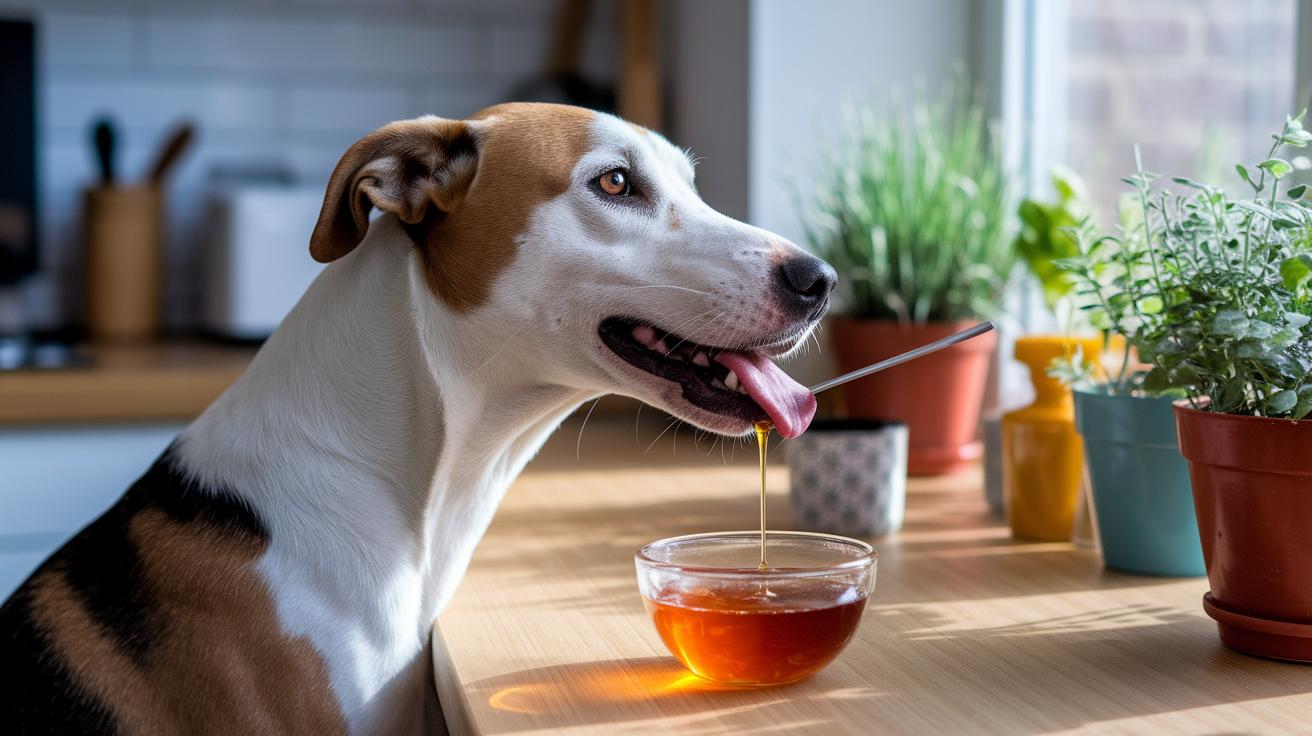
Some integrative veterinarians say that a little raw honey can help soothe allergy symptoms in our furry friends. They believe that the pollen in local honey acts like mini exposure therapy, gently teaching your dog’s body to handle allergens over time. There’s also quercetin in honey, a natural ingredient that works a bit like antihistamines by calming overactive mast cells, which in turn may cut down on itching and inflammation. Think of it as a mini practice session for your dog’s immune system, much like how a little extra practice can make you better at your favorite sport.
Yet, not everyone in the pet care world sees it the same way. Some vets are a bit unsure, noting that while some dogs enjoy a bit of relief, the benefits might be small or vary from pup to pup. Most of what we know comes from personal stories rather than big, formal studies.
Human studies on similar oral immunotherapy techniques have sparked interest in using honey for dog allergies, but clear, solid research specifically for our canine companions is still quite limited. This leaves many pet parents curious and hopeful about honey’s natural anti-allergenic perks, even as we wait for more rigorous studies to paint a fuller picture.
Precautions and Potential Risks When Using Honey for Allergies
Using honey for your dog's allergies can be a sweet idea when done with care. If your furry friend is diabetic or struggling with extra weight, it’s best to skip the honey because its high sugar level might mess with their insulin. And if your dog already faces some health hurdles, have a chat with your vet before adding any honey to their meals.
Some honey types, especially those not labeled raw and pesticide-free, might carry unwanted chemicals like pesticides or even traces of antibiotics. To keep things safe, look for high-quality honey from trusted, local suppliers, you know, the kind that feels fresh and reliable.
Honey that's crystallized or really thick could be a choking risk, particularly for smaller pups. A little trick is to dilute the honey or mix just a tiny bit into their regular food. And keep an eye out: just as we might be sensitive to certain foods, some dogs might react to pollen or other elements in bee products, showing signs like extra itchiness or red, inflamed skin.
Taking these simple steps helps ensure that your dog’s introduction to honey is both safe and gentle, while still giving them a little boost against allergies.
Honey for dog allergies Eases Symptoms Naturally
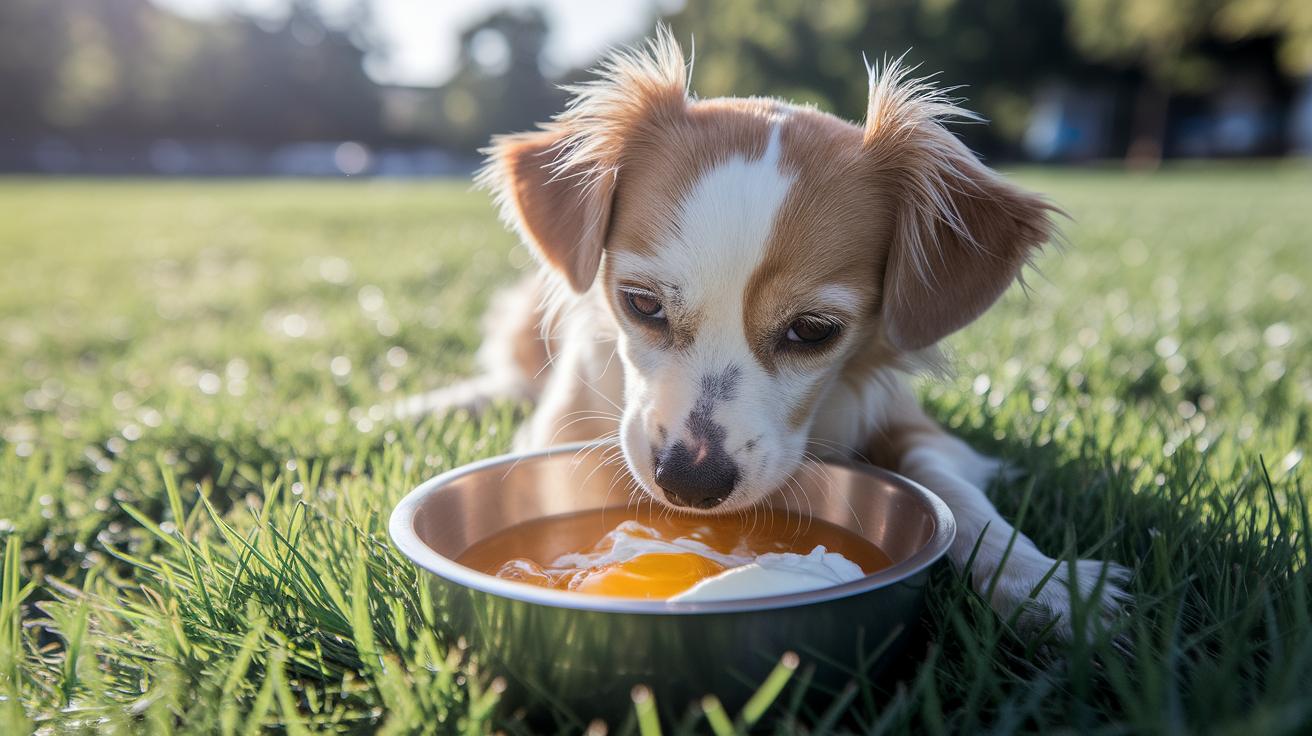
Adding a little raw honey to your dog's allergy care can be a gentle, natural boost to their overall well-being. For a tasty twist, try stirring a small spoonful of honey into plain yogurt, pumpkin puree, or even peanut butter. This not only makes mealtime more exciting but also adds a burst of beneficial nutrients in every bite. Start small, mix just a bit into their regular meal and keep an eye on how they do over the next day.
When it comes to soothing their skin, a gentle dab of raw honey on hot spots, bug bites, or eczema patches could help calm inflammation and speed up healing. This natural remedy might ease discomfort without resorting to harsh chemicals. And of course, pairing these ideas with any vet-recommended treatments can give your dog a well-rounded care plan.
- Mix a little honey into your dog’s meals regularly.
- Dab a small amount on any red or irritated spots.
Keep a close watch on your furry friend each week. Notice any changes in their skin or behavior? Adjust how often you use honey accordingly. A simple journal can be really handy for fine-tuning this natural care routine for lasting relief.
Final Words
In the action, we've seen how raw local honey can soothe a dog's allergy symptoms and why choosing the right type matters. We explored the proper dosage to start, shared vet insights on its benefits, and highlighted key precautions for pet safety. Using vivid examples, the guide helped us understand how to blend honey into a broader care plan, making pet care both fun and effective. Remember, a small, thoughtful addition can make a big difference in your furry friend's comfort with honey for dog allergies.
FAQ
How to use honey for dog allergies?
Using honey for dog allergies means offering it as a food supplement or applying it to itchy skin. You can mix a small dose into your dog’s meal or gently dab it on affected areas to soothe irritation.
What are the benefits of honey for dogs?
Honey for dogs provides natural antioxidants, vitamins, and quercetin—a natural substance that helps calm allergic reactions and reduce swelling. It may support your dog’s immune response in a gentle way.
What is the proper dosage of honey for dog allergies?
The proper dosage for dog allergies starts at ½ teaspoon for small breeds, 1 teaspoon for medium dogs, and 1 tablespoon for larger ones. Begin slowly and watch your pet’s reaction to avoid excess sugar.
Where can I buy honey for dog allergies?
You can buy honey for dog allergies from local health food stores, farmer’s markets, or specialty online shops that offer raw, unprocessed honey sourced from local beekeepers.
Which type of honey is best for dog allergies?
The best honey for dog allergies is raw, local honey or high-quality manuka honey. They retain natural pollens and beneficial compounds, making them ideal for soothing allergy symptoms.
Can dogs eat honey every day?
Dogs can have honey occasionally, but feeding it daily isn’t advised. Regular use may lead to excess sugar intake, so it’s best to offer it in moderation after consulting your veterinarian.
Will honey stop my dog from itching?
Honey can help reduce itching by soothing inflammation and acting like a mild natural antihistamine. Results vary, and it’s best to combine its use with proper veterinary care for lasting relief.
What happens if I give honey to my dog?
When you give honey to your dog, it may experience a boost in nutrients while helping reduce allergy symptoms. Always monitor for any adverse effects and offer it as a supplement rather than a replacement treatment.
How do I apply honey to my dog’s skin?
Applying honey to your dog’s skin involves dabbing a small amount onto clean, irritated areas using your finger or a cotton swab. Massage it gently to help reduce inflammation and promote healing.