


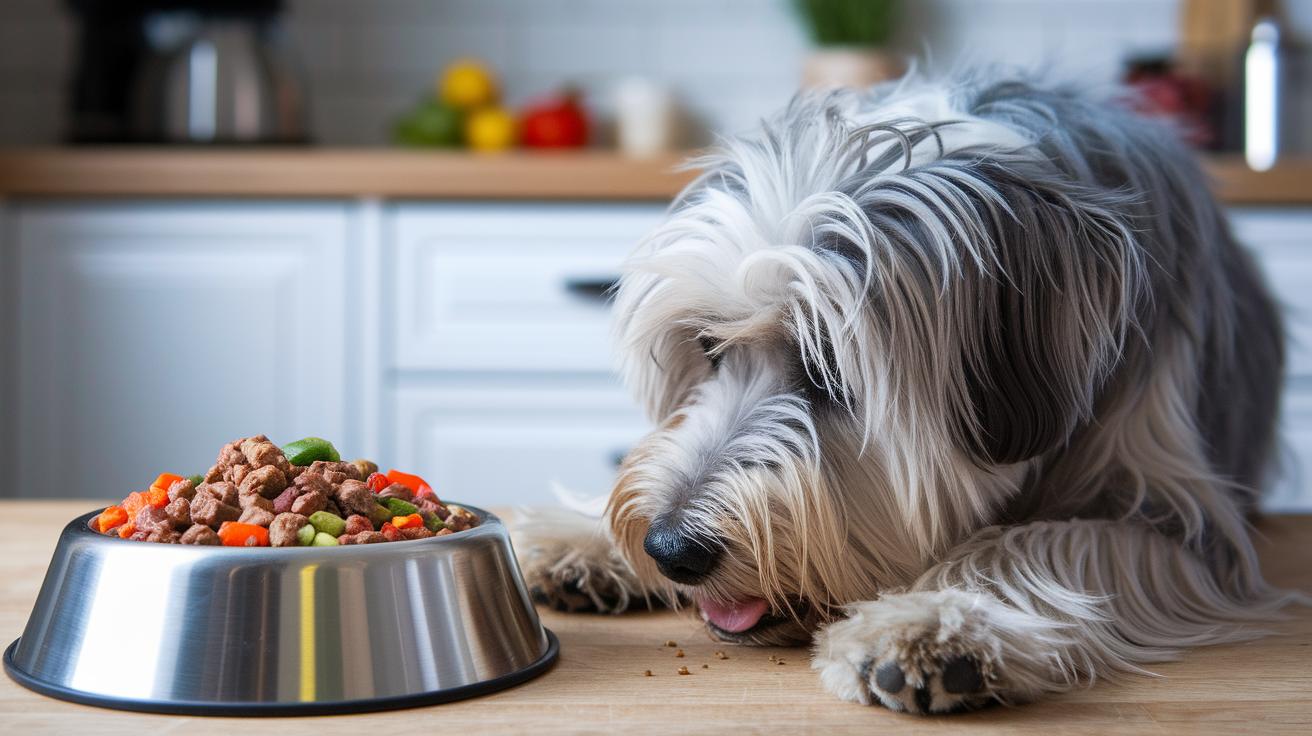
Does your dog scratch so much that it worries you? It turns out that around 10-15% of our furry pals struggle with skin allergies, and those pesky irritations can make them really uncomfortable.
Imagine being able to control every ingredient in your pet’s meal, just like choosing a special food when you have a sensitive tummy. Homemade meals allow you to do just that, steering clear of the common triggers that might be upsetting your dog's skin.
By tweaking your pup’s diet with well-chosen ingredients, you might help soothe that irritating itch and boost their overall health. Have you ever noticed how a small change can brighten your pet’s day? With a little love and attention, smoother, happier days could be right around the corner for your beloved friend.
Customized Homemade Dog Meals for Skin Allergy Relief
About 10–15% of our furry friends deal with skin allergies. You might see them scratching, licking, or even losing some hair because of constant irritation. Picture a pup itching non-stop after a fun walk, it’s a pretty clear sign that something isn’t right, and both the pet and the owner feel the discomfort.
Switching from store-bought meals to homemade food can really change the game. When you cook at home, you control every ingredient, which helps steer clear of common triggers like beef, chicken, dairy, lamb, eggs, wheat, soy, and corn. It’s a bit like choosing to skip a food that you know doesn’t sit well with you. Your dog’s sensitive skin will thank you for it!
A balanced homemade meal for a dog with skin allergies usually combines about 40–50% protein, 30–40% carbohydrates, and 10% fruits and veggies. Don’t forget those healthy fats! A little flaxseed oil or some salmon-derived omega-3 and omega-6 can work wonders on inflamed spots and help boost a shiny, healthy coat. Many pet parents notice their pooch feeling better in just a few weeks, sometimes even within one month, when the meals are made with care and consistency.
Key Nutrients to Include in Homemade Meals for Allergic Dogs

When you prepare meals for a dog dealing with skin allergies, getting the nutrient mix just right is really important. A good balance of big nutrients (like proteins and fats) and small ones (vitamins and minerals) can help calm inflammation, boost your pup’s immune system, and support overall well-being. Focusing on ingredients that cater to skin health means your furry friend might feel more comfortable and even a bit more vibrant.
Sometimes, a tiny tweak in the recipe, like swapping out a common ingredient for one that’s packed with nutrients, can really change your dog’s day-to-day life. For instance, mixing in fish oil rich in omega-3 fatty acids or adding lean proteins can give your pet just what it needs to keep its coat shiny and its skin healthy.
| Nutrient | Function | Top Sources |
|---|---|---|
| Omega-3 Fatty Acids | Help reduce inflammation and assist skin repair | Fish oil (from salmon, cod, sardines), flaxseed oil |
| Lean Protein | Gives essential amino acids for repairing cells and muscles | Turkey, venison, bison, duck |
| Fiber | Supports good gut health and aids digestion | Pumpkin, sweet potatoes |
| Vitamins & Minerals | Work as antioxidants to protect skin cells | Broccoli, spinach, vitamins A, E, and C sources |
Even with a well-made diet, there can sometimes be missing nutrients. In those moments, a few extra supplements, think vitamin E, zinc, biotin (B7), DHA, and collagen, might do the trick. Just be sure to chat with your veterinarian first to make sure you’re adding the right support for your dog’s skin and overall health.
Step-by-Step Homemade Dog Food Recipes for Itchy Skin Relief
When your pup struggles with itchy, irritated skin, the right food can really help soothe them. Here are five vet-approved recipes that skip common allergens while still serving up a balanced, nourishing meal. Each recipe is super easy to whip up and uses ingredients known to calm inflammation and care for your furry friend's skin. It’s like cooking with a little extra love for their comfort.
- Turkey & Sweet Potato Blend: Mix together 1 cup of ground turkey, ½ cup of mashed sweet potato, and 1 cup of chopped spinach. This recipe makes 2 cups of food. For an added dose of healthy fats, feel free to stir in 1 teaspoon of coconut oil or fish oil per serving.
- Fish & Vegetable Stew: In this recipe, combine 1.75 lbs of deboned cod fillets, 1 cup of diced carrots, and 1 cup of green beans. The result is a hearty stew that yields 4 cups of food, packed with lean protein and nutrient-rich veggies.
- Lamb & Lentil Stew: Blend ½ cup of cooked ground lamb, ½ cup of cooked lentils, and 1 cup of pumpkin puree. This stew produces 2 cups of food, offering lean lamb as a gentler protein option for sensitive pups.
- Turkey & Quinoa Veggie Mix: This recipe calls for 3 lbs of 85% lean ground turkey combined with 1 cup of cooked quinoa, 1 cup of steamed broccoli, and 1 cup of shredded carrots. You’ll end up with 6 cups of a hearty mix, perfect if you’re cooking in larger batches.
- Salmon, Spinach & Pumpkin: Combine 1 salmon fillet with 1 cup of spinach and ½ cup of pumpkin puree to create 2 cups of delicious food. Salmon and pumpkin work together to help support skin repair and a healthy digestive system.
For best results, try making these recipes in batches and freezing individual portions for later. Always keep an eye on how your dog reacts when you introduce a new meal, and have a chat with your vet before making any big changes to their diet.
Transitioning Your Dog to a Homemade Skin-Soothing Diet

Gradual Introduction
Begin by slowly blending the new homemade meal with your dog’s regular food over about 7–10 days. Start with a mix of 25% homemade food and 75% your usual food. Then, every two days, boost the homemade portion by 25% until your furry friend is enjoying only the new meal. This gentle change helps your dog’s tummy adjust smoothly without any sudden surprises.
Monitoring Digestive and Skin Responses
Keep a little diary to note how your pup is doing each day. Jot down details like changes in stool, energy, how often he scratches, and the look of his coat. This simple record can show you patterns that let you know if the new diet is working well or if a tweak might be needed later on.
When to Consult Your Veterinarian
Stay alert for any red flags that may need a vet’s advice. If your dog seems to have a constantly upset stomach, is itching more than usual, or just looks more tired, it’s a good idea to call your veterinarian. Checking in regularly, say about once a month during this shift, helps catch any issues early on.
Maintaining Balanced Nutrition and Avoiding Deficiencies in Homemade Diet
When you whip up meals for your dog at home, it’s super important to plan them so your furry friend gets all the nutrients they need. Keep an eye on signs like your pup’s weight, the shine of their coat, and how bouncy they feel each day. I once noticed my dog’s coat looked a bit dull, so we did a quick check-up and tweaked the meals to bring back that healthy shine.
Recommended Supplements for Skin Health
A little daily boost with omega-3, vitamin E, zinc, biotin, and collagen can do wonders for your pet’s skin without overloading them on nutrients. For example, a modest scoop of fish oil mixed in with your dog's food can really make a difference in their coat and energy. Just be sure to chat with your vet to figure out the perfect amount for your best buddy.
Common Questions on Homemade Dog Food for Skin Allergy Management

These FAQs are here to help you feel confident about using homemade meals to soothe your dog's skin allergies. They offer practical advice in a friendly way, just like chatting with a neighbor about the best pet tips.
How soon might my dog's skin get better?
Many pet parents notice changes in about 4 to 12 weeks after switching to a homemade diet. Some even share stories of their pups scratching less and sporting a shinier, healthier coat after just a few weeks. It's a bit of a waiting game, but the small improvements can really add up.
What’s the perfect balance of omega fats?
Aiming for a ratio of around 5-to-1, or even lower, can help ease inflammation and support healthy skin. This balance is like giving your dog’s body the right ingredients to keep flare-ups at bay.
Is it safe to use homemade food instead of medications?
A well-planned homemade diet might reduce the need for antihistamines or steroids in some cases, but it’s not a magic substitute. Always have a heart-to-heart with your vet before you consider letting go of any medications.
Can homemade meals lead to nutritional issues?
Yes, if the recipe isn’t balanced correctly, there’s a risk of missing essential nutrients. That’s why it’s smart to consult with your vet and ensure the meal plan is packed with all the good stuff your pet needs.
Which is better for sensitive dogs: cooked or raw food?
For dogs with sensitive tummies, cooked meals are usually easier to digest. This makes them a safer choice when managing skin allergies, giving your furry friend a gentle way to enjoy nutritious meals.
Final Words
In the action of exploring customized meals, we broke down skin allergy signs, removed common triggers from dog diets, and explained essential nutrients for a soothing coat. We also shared clear, step-by-step recipes and safe tips for transitioning your pet to a new diet.
This guide helps bring relief and confidence when choosing homemade dog food for skin allergies. Enjoy seeing your pet thrive and glow with each carefully prepared meal.
FAQ
What homemade dog food recipes for skin allergies are vet approved?
The vet-approved homemade dog food recipes use allergen‐free ingredients and balanced nutrition to help manage skin irritation. They are designed to reduce common triggers and support healthier skin.
What is the best homemade dog food for skin allergies and sensitive stomachs?
The best homemade dog food for skin allergies and sensitive stomachs relies on easily digestible proteins, healthy fats, and low-allergen ingredients that soothe flare-ups without upsetting the gut.
Which human foods are safe for dogs with skin allergies?
The safe human foods for dogs with skin allergies include lean proteins and fresh vegetables that are less likely to trigger reactions. Always check with your veterinarian before introducing new foods.
What foods should be avoided when feeding a dog with skin allergies?
The foods to avoid include common allergens such as beef, chicken, dairy, lamb, eggs, wheat, soy, and corn. Keeping these out of the diet can help reduce irritation and flare-ups.
What foods can help improve skin health in dogs with allergies?
The foods that help improve skin health feature omega-3 and omega-6 fatty acids from sources like salmon, cod, sardines, and flaxseed oil. These ingredients reduce inflammation and support skin repair.
How can I ensure my homemade dog food is vet approved?
The approach to vet-approved homemade dog food involves following balanced recipes with proper macronutrient ratios, using safe ingredients, and consulting with a veterinarian to confirm the diet supports skin health.
What is the best meat option for dogs with skin issues?
The best meat options for dogs with skin issues are lean proteins like turkey, venison, or duck. These meats are less allergenic and provide the essential amino acids needed for healthy skin.
Is there a recommended dry dog food for skin allergies?
The recommended dry dog food for skin allergies uses a formula that limits allergens and provides balanced nutrition. It emphasizes high-quality proteins and beneficial fats to help reduce flare-ups and promote skin health.