


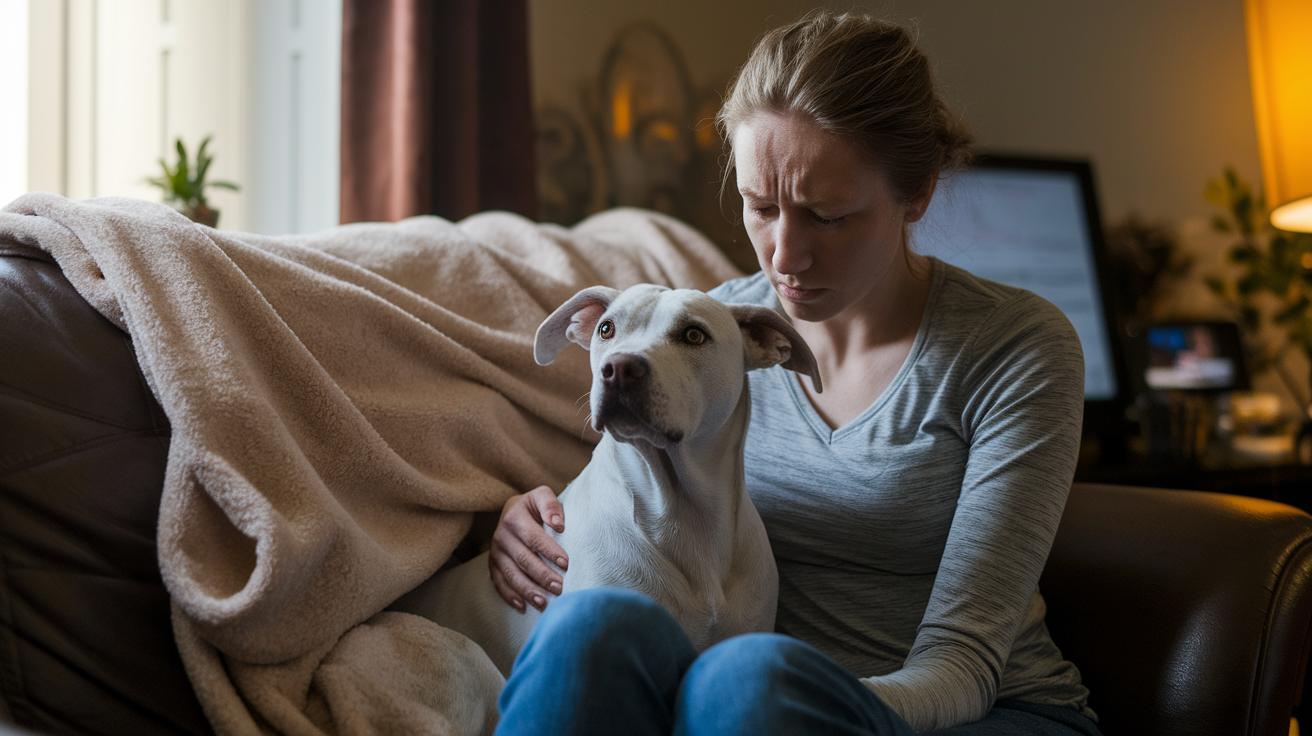
Ever notice when your dog isn’t feeling well how even small signs can catch your eye? You might be wondering if a simple home remedy could help soothe an upset tummy without a lot of fuss.
Sometimes, letting your pup’s stomach rest and offering a little extra water can go a long way. Think of it as just giving their belly a mini-break, a gentle pause that helps them feel better.
These everyday tips are all about comfort. With a bit of love and care, your furry friend can bounce back without any complicated fixes. Isn’t it amazing how a few simple steps can make all the difference?
First Steps: Essential Home Remedies for Minor Illness in Sick Dogs
When your furry pal starts showing signs of an upset tummy, like not eating, being extra tired, vomiting now and then, having loose or hard stools, gulping air, stretching in quirky ways, or making gurgling sounds, it usually means their belly is a little irritated from something they ate. This advice is just for those minor issues; if these signs hang around or get worse, it’s a smart idea to talk to your vet.
First, try giving your canine a break from food for about 12–24 hours. This pause lets their stomach take a breather, kind of like how we sometimes need a quiet moment to settle down after a big meal. During this time, offer a few small sips of water or even a few ice cubes to keep them hydrated without upsetting their belly further. Imagine tossing a couple of ice cubes during playtime, refreshing and gentle at the same time.
Also, keep an eye on their energy and overall mood. It might help to jot down little notes about any changes you see, almost like keeping a diary of their day-to-day behavior. This way, you can see if they’re slowly bouncing back or if it’s time to reach out to a vet for more guidance.
- Skip food for 12–24 hours
- Offer small sips of water or a couple of ice cubes
- Keep track of any changes in energy or behavior
- Contact your veterinarian if things don’t improve
These easy, at-home steps are a kind way to help your pup start feeling better. Stick with these tips, and don’t hesitate to check in with a vet if the symptoms continue.
Hydration and Diet: Home Remedies for Canine Digestive Upset

After your pup has had a little break from food, start slowly with a gentle meal that won't upset their tummy. Try giving them small spoonfuls of boiled chicken and plain rice, just like serving a comforting, simple dinner after a long day. This mix offers easy-to-digest protein and carbs that help without stressing a sensitive stomach.
Mix in a little canned pumpkin too. Pumpkin, with its natural fiber goodness, can firm up loose stools and soothe an upset belly. Even a small dollop can work wonders when your dog isn’t feeling like their usual lively self.
Make sure your furry friend stays hydrated throughout recovery. If they’re not sipping much on their own, pop a few ice cubes into their bowl to spark interest, or offer some diluted bone broth. Bone broth not only calms the tummy but also gives a little extra boost of electrolytes. It’s like a cool, refreshing treat that helps balance things out.
As you see your dog getting better – with more pep and firmer stools – slowly mix in their regular food. Think of it as easing back into your favorite pool, one slow step at a time, so their tummy isn’t overwhelmed.
- Small servings of boiled chicken and rice
- A bit of canned pumpkin for extra fiber
- Ice cubes or diluted bone broth to keep them hydrated
This step-by-step plan offers your pet a comforting path to feel better while keeping their belly calm and nourished.
Herbal and Supplemental Home Remedies for Sick Dogs
When your furry friend starts feeling queasy or shows signs of an upset tummy, herbs like ginger and chamomile can offer a gentle, natural relief. Ginger has a warm, soothing quality, kind of like a comforting cup of tea, that can help ease nausea. Meanwhile, chamomile brings a calming, mellow vibe, much like enjoying a quiet afternoon with a soft breeze.
Once you’ve made sure your pup is staying well-hydrated and has had a little fasting period, you might consider adding probiotics to their routine. These work like tiny helpers, balancing the gut's natural bacteria so everything runs smoothly inside. Just be sure you follow the weight guidelines to give your pet just the right amount.
Some pet parents also try natural dewormers, such as pumpkin seeds or herbal blends that come with a vet’s nod, to gently tackle minor parasitic issues. Always start with a small dose and keep a close eye on your dog for any unusual reactions. If something doesn’t seem right, stop the remedy and check in with your vet.
- Use ginger or chamomile to calm your dog’s upset stomach
- Add probiotics in a dose that matches your dog’s weight
- Try natural dewormers like pumpkin seeds with professional guidance
DIY Electrolyte and Gut Support Mixes for Sick Dogs

When your pup isn’t drinking enough water, a simple homemade mix can really help keep them hydrated. Electrolytes are like little water helpers, they work to make sure water stays in your dog’s body, similar to how a sports drink keeps an athlete refreshed. Sometimes, it’s easiest to grab a store-bought mix, but if that’s not available, talk to your vet about a basic salt-and-sugar water recipe for a quick fix.
You can also boost your pet’s tummy care by mixing in a spoonful of prebiotic or soluble fiber powder into some water or a diluted broth. Think of it as giving your dog’s gut a little extra love, a gentle, nutritious touch that helps calm the stomach and keep digestion smooth, much like adding a secret ingredient to your favorite recipe.
- Always follow your vet’s dosage advice when making a salt-and-sugar mix.
- Stir the prebiotic or fiber powder slowly into the water or broth so it blends evenly.
- Keep a close watch on your dog after giving them the mix to note any improvements.
Trying these solutions under your vet’s guidance might just offer that natural, comforting boost your furry friend needs while they recover.
Topical and Wound Care: Home Remedies for Skin Infections in Sick Dogs
When you notice your furry friend scratching or pawing at a spot, take a moment to gently clean the area. Use a little warm salt water (like you’d clean a small cut on your hand) to rinse away any dirt and calm the irritation. This first step helps keep the infection at bay before you try any home remedy.
Once the spot is clean, try a simple mix of diluted lavender oil with coconut oil. This soothing blend works like a gentle shield, fighting germs and reducing inflammation. Lightly dab a tiny amount on the affected area, imagine soft, cool lotion on a rough patch. A thin layer is perfect to let the natural healing do its work without overpowering the skin.
If your pet has been left with an insect bite or sting, whip up a quick paste by mixing a pinch of baking soda with a little water. Think of it as putting on a cool, calming mask that eases the itch and cools down the irritation.
| Step | Home Remedy |
|---|---|
| 1 | Gently clean wounds with warm saline water |
| 2 | Apply a thin layer of diluted lavender and coconut oil |
| 3 | Use a light paste of baking soda on insect bites |
Always keep an eye on your pet after treating the area. You might even cover it lightly to prevent licking, ensuring that the healing properties can do their job.
Recognizing Red Flags and When to Seek Veterinary Care for Sick Dogs

When your pup isn't acting like his usual self, there are some signs that mean you should call the vet right away. Look out for things like blood in their vomit or stool, dark, almost black poop, or if they’re tossing up or have diarrhea for over a day. You might also see them feeling super tired, losing weight, or drooling more than usual. And if their eyes seem sunken or their gums feel sticky, these could be hints that they’re getting dehydrated.
| Warning Sign | What It Means |
|---|---|
| Blood in vomit or stool | This could be a sign of internal issues that need a checkup. |
| Black, tarry feces | May signal bleeding in the stomach or intestines. |
| Vomiting or diarrhea over 24 hours | Suggests that the situation isn’t just a one-day upset. |
| Sunken eyes or tacky gums | Indicates dehydration, where your pup isn’t keeping enough fluids in. |
| Severe lethargy, weight loss, or extra drooling | Shows that your furry friend might be more seriously unwell. |
Besides giving your vet a call right away when you spot these signs, there are some easy at-home steps you can take. For example, gently reintroduce regular food after an upset stomach, kind of like easing into a warm bath after a chilly day. Keep your pup’s water bowl filled and offer small sips of water throughout the day. Also, setting up a quiet, comfy space for them to rest can really help in their recovery.
Taking these actions helps your dog feel better now and builds a plan for keeping them healthy down the road. Remember, when you see these red flags, acting fast with a quick call to your vet and a little extra care at home can really make a difference.
Bland Diet Recipes: Home-Cooked Meal Plans for Sick Dogs
When your dog isn’t feeling their best, a simple, bland diet can be a soothing treat. Start slow, offer just a few teaspoons at a time over 3 to 5 days and keep an eye on their tummy. Once they’re handling it well, gently mix in their regular kibble.
Below is a handy table with a few home-cooked meal ideas to help your pup feel better:
| Recipe | Ingredients | Benefits |
|---|---|---|
| Chicken & Rice | Shredded boiled chicken, white rice | Offers quality protein and easy-to-digest carbs for a gentle energy boost |
| Pumpkin Puree | Canned plain pumpkin | Rich in fiber to help keep your dog’s digestion steady |
| Bone Broth | Simmered chicken bones with water | Helps with hydration and provides essential nutrients |
A few tips for serving these meals:
- Start with small portions, around a few teaspoons, to give your dog's tummy a gentle start.
- If your pup seems to like one recipe, slowly mix it with their usual food.
- Watch how your dog reacts, notice any changes in behavior or digestion with each new step.
Final Words
In the action, this guide laid out clear steps to help soothe upset tummies, ease minor wounds, and even whip up DIY electrolyte and gut support mixes. We shared simple mixing tips for a bland diet and natural, vet-recommended herbs. Every tip was designed so you feel ready to help when your pet shows warning signs while knowing when it's time to call the vet.
Remember, safe, home remedies for sick dogs can often help restore your pup’s vibrant spirit, brightening up every day.
FAQ
Frequently Asked Questions
What are some home remedies for dogs with diarrhea, vomiting, or an upset stomach?
When a dog shows signs of digestive upset, a home remedy plan can start with a brief fasting period, then offering small sips of water and a bland diet like boiled chicken and rice with a bit of pumpkin for gentle recovery.
How can I help a dog that is not eating or drinking or seems to have a mild cold?
When a dog isn’t eating or drinking or even has a mild cold, try offering warm water and small, hand-fed portions of bland food. Creating a cozy spot for rest can also help ease discomfort.
What are effective home remedies to relieve a dog’s itching?
For mild itching, a diluted baking soda paste or a mix of coconut oil and a few drops of lavender oil can soothe skin irritation. Be sure to test a small area first and check with your vet if irritation continues.
Is there a safe homemade antibiotic for dogs?
There is no safe, proven homemade antibiotic for dogs. While certain natural ingredients might seem helpful, getting a proper diagnosis and treatment plan from your veterinarian is always the best course.