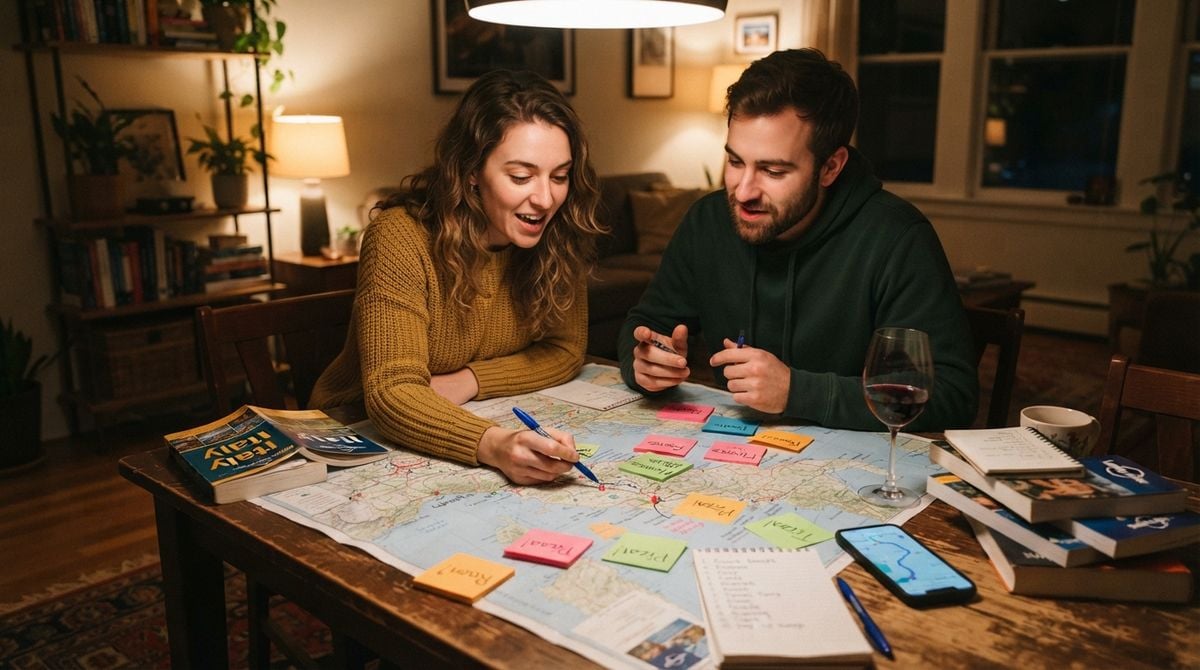
Traveling to see distant regions or experience different cultures offers unmatched memories and personal growth. For many households, however, the prospect of planning a major trip brings financial hesitation. Without a structured framework, vacation expenses can quickly derail regular savings goals, burden credit accounts, or deplete emergency reserves meant for sudden repairs and urgent family needs.
Responsible travel planning does not require an executive income or extreme personal deprivation. Instead, it relies on intentional budgeting that treats exploration as an ongoing financial priority rather than an impulsive splurge. By building an isolated travel fund and planning logistics with care, households can explore the world while keeping their core financial foundation secure.
When money management aligns with personal values, travel shifts from being a source of post-vacation anxiety into an achievable, rewarding reality. The key lies in creating distinct boundaries, funding the journey deliberately, and keeping travel goals grounded in meaningful experiences rather than high-cost tourist traps.
Establish a Dedicated Travel Sinking Fund
The primary hurdle in financing a meaningful trip is separating travel funds from everyday household cash flow. When vacation money sits inside a primary checking account, it tends to evaporate into routine expenses like dining out, entertainment, or spontaneous weekend purchases. Conversely, leaving vacation costs undefined often tempts households to pull directly from long-term emergency reserves.
A dedicated sinking fund solves this dilemma by establishing an explicit financial boundary. Setting up a separate sub-account specifically earmarked for travel allows you to contribute set amounts every pay cycle. Because these dollars are intentionally quarantined, you can watch the balance accumulate toward your departure date without wondering whether booking transit will jeopardize upcoming utility bills or housing payments.
Automating these contributions turns travel from an overwhelming expense into a predictable line item. Consistent allocations, set aside methodically across months of steady preparation, build a dependable cushion that covers transportation, lodging, and daily meals without financial stress or guilt.
Uncover Cash Flow Within Everyday Household Routines
Finding extra money to channel into a travel fund rarely requires severe lifestyle restrictions. In most households, meaningful cash flow can be uncovered simply by examining everyday recurring expenses and redirecting small, unnoticed surpluses toward your travel account. Auditing digital subscriptions, managing food waste, and adjusting everyday utility consumption can immediately free up resources for future journeys.
Much like the practical approaches discussed when examining lowering the running cost of an everyday home, sustainable savings stem from steady, cumulative adjustments rather than drastic one-time sacrifices. When you address phantom energy draw, manage home climate settings thoughtfully, and periodically evaluate service agreements, the resulting savings stay directly in your pocket.
Rather than allowing those recovered dollars to blend back into general daily spending, immediately route them into your dedicated travel account. By connecting domestic efficiency directly with an inspiring travel goal, day-to-day discipline becomes an empowering choice rather than a restrictive chore.
Prioritize Cultural Discovery Over Costly Attractions
The most meaningful journeys are rarely the most expensive ones. While commercial resorts and heavily marketed tourist corridors carry steep price tags, they frequently insulate visitors from the authentic spirit of the communities they visit. Choosing to focus on genuine cultural discovery and geographic learning can dramatically reduce trip costs while vastly enriching the overall experience.
Travel offers an unparalleled opportunity to broaden family horizons, foster global empathy, and understand different ways of life. Before reserving lodging or arranging activities, spend time studying the traditions, geography, and heritage of your destination. Exploring educational platforms like worldatlasbook.com can inspire a curiosity-driven itinerary that highlights community heritage, historical landmarks, and regional landscapes rather than commercial entertainment venues.
When the underlying purpose of travel is cultural enrichment, costly paid attractions can be replaced with public plazas, historic neighborhoods, regional markets, and local nature reserves. These environments foster authentic memories, connect travelers with local residents, and cost a fraction of high-priced tourist spectacles.
Master Route Planning and Transit Logistics
Unexpected budget overruns while traveling rarely stem from planned daily meals or admission fees. Instead, they almost always result from logistical confusion and emergency workarounds. Missing a train, arriving in a foreign city without an arrival plan, or reserving accommodations far from transit hubs creates stress that leads to expensive, reactionary spending.
Thorough logistical research serves as the most dependable defense against unexpected travel expenses. Mapping transit connections, comparing regional rail passes, and investigating neighborhood layouts well before departure eliminates the need for overpriced airport taxis or emergency lodging changes. Reliable travel resources like bamboocompass.com offer practical guidance for travelers seeking to navigate new environments safely, manage departure timelines smoothly, and understand local transit dynamics.
A well-prepared itinerary creates financial peace of mind. Knowing how local transit networks function and where essential amenities are located allows you to move with confidence, sidestepping tourist markups and keeping your spending firmly within your planned budget.
Maintain Clear Boundaries on Daily Spending
Once you arrive at your destination, managing your resources requires consistent habits rather than tedious receipt tracking. Setting simple ground rules before departure ensures that your spending remains aligned with the balance you carefully accumulated at home.
Consider adopting these core habits to protect your travel fund while exploring:
- Separate your daily spending cash from your primary travel reserve to avoid accidental depletion.
- Sample regional staples by shopping at neighborhood markets and preparing simple family lunches.
- Rely on local municipal trains and buses rather than hailing private rides or booking group shuttles.
- Reserve a modest buffer for spontaneous community opportunities so you can participate without worry.
Establishing these practical boundaries removes the anxiety of constant mental arithmetic. When you understand your daily parameters, you can savor local dining and unique cultural discoveries without worrying about returning home to depleted accounts.
Exploring the world should be an inspiring milestone that enriches your family’s perspective rather than a burden that lingers on your balance sheet. By isolating your travel savings, harvesting small efficiencies from your daily household routines, and focusing on authentic cultural connections, you can fund unforgettable journeys with complete peace of mind. Thoughtful preparation ensures that your adventures expand your horizons while your long-term financial security remains firmly intact.