


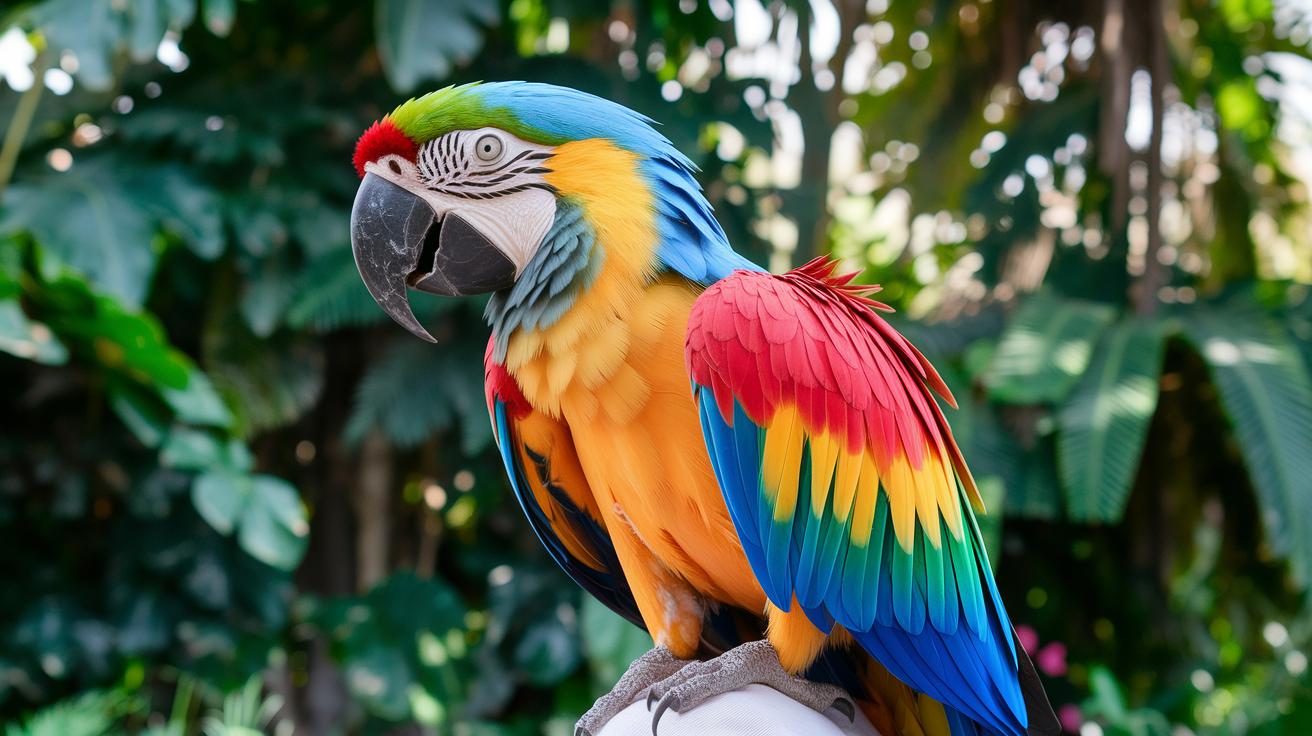
Have you ever wondered why some pet parents pick sugar gliders and fennec foxes over the usual cats and dogs? These unusual pets come with a burst of personality that you rarely see in traditional animals.
Imagine hosting a mini talent show at home, each pet plays its own unique role, bringing charm and even a few fun challenges. Their quirky traits add a sparkle that can brighten a dull day.
In this post, we share easy tips and real-life advice on caring for these special companions. With a bit of creativity and love, a bold, unconventional pet might just become the heartwarming highlight of your home.
Understanding Exotic Pet Breeds: Nontraditional Companion Overview
Exotic pet breeds aren’t your everyday pets. They’re special animals with unique traits that make them stand out. Think of tiny sugar gliders and hedgehogs, friendly reptiles like ball pythons or bearded dragons, and even chatty African grey parrots. There are also exotic canines, such as the playful fennec fox, and elegant felines like the serval. Nearly 10% of U.S. households choose these nontraditional pets, adding a little extra wonder to their daily lives.
Many pet parents love these special companions because they bring qualities you just don’t see in typical pets. They often need custom-built homes where temperature and humidity are just right, plus regular social time to feel their best. Imagine welcoming a pet that needs gentle handling and a perfectly tuned living space, it’s like preparing a unique meal where every ingredient counts. For instance, caring for a sugar glider is much like planning an evening of playful bonding, ensuring that their night-time energy is met with a safe and fun environment.
This article will take you through different pet profiles, explain what kind of home they need, go over legal details, health tips, and even give you a rundown on costs. It’s all here to help you bring these remarkable companions into your everyday life with a smile.
Exotic Pet Breeds Category Profiles

Reptile Companions
Ball pythons have won the hearts of many reptile lovers. These gentle snakes, with a lifespan of about 20–30 years, are perfect for anyone new to reptile care. They enjoy a terrarium of 20 to 40 gallons where the temperature is kept between 75–85°F. Their calm nature makes them an excellent starter pet. And then there are bearded dragons, their laid-back personality and unique, scaled looks are enough to charm any pet parent.
Avian Companions
African grey parrots are truly special birds. They can mimic sounds and words, bringing a fun, interactive twist to your day. Living for around 50–60 years, these social birds need a cozy space with a temperature between 65–80°F. Meanwhile, conures, though a bit smaller and bursting with vibrant energy, offer that same delightful chatter that can really brighten up your home.
Small Mammals & Marsupials
Sugar gliders, with lifespans between 12–15 years, are nocturnal and thrive in groups where they can snuggle and bond. Their lively interactions are a joy to observe. In contrast, hedgehogs tend to be more independent, living about 3–6 years. Their care is different, they’re perfect if you’re after a quiet little friend who isn’t too social.
Exotic Canines
Fennec foxes are small bundles of energy, living between 10–14 years. Being nocturnal creatures, they love exploring safely in a mesh-floor enclosure that satisfies their curious nature. Their playful antics and spirited personality make them a unique exotic pet option.
Exotic Felines
Servals bring a wild, adventurous spirit to the table. These exotic cats, with a lifespan of around 10–12 years, need plenty of vertical space to climb and express their natural instincts. Their strong prey drive means they’re best suited for owners who can match their energetic, instinctive behavior.
Care and Habitat Essentials for Exotic Pet Breeds
Exotic pets do best when their home feels a lot like their wild surroundings. Reptiles, for example, love a setup that offers warm and cool spaces. They enjoy basking in cozy spots between 75°F and 90°F and cooling off where it's around 60°F to 75°F. A UVB light is really important for keeping them healthy, and feeding them live or thawed rodents once or twice a week helps them thrive. Think of it like creating a tiny nature reserve where every little detail counts.
Birds need a little different care. They feel most comfortable in temperatures between 65°F and 80°F, with humidity kept around 50–60%. Their diet usually mixes pellet feed with fresh fruits and veggies, and they love getting some daily out-of-cage time. It’s kind of like giving your bird a mini adventure every day, helping them stay active and curious.
Sugar gliders also need a snug, stable spot. They’re happiest in environments with temperatures from 72°F to 78°F and about 50% humidity. Their meals include high-protein pellets, fresh produce, and sometimes even a little nectar as a tasty energy boost during their playful nights.
Hedgehogs, being more on the solitary side, do best in a calm setting with lower humidity. They thrive when the temperature is between 72°F and 80°F and enjoy an insect-filled diet, mealworms paired with high-fiber kibble, to help keep their digestion running smoothly.
| Species Category | Temp Range (°F) | Humidity (%) |
|---|---|---|
| Reptiles | 75–90 / 60–75 | 20–40 |
| Birds | 65–80 | 50–60 |
| Sugar Gliders | 72–78 | 50 |
| Hedgehogs | 72–80 | 30–50 |
Navigating Legal Requirements for Exotic Pet Breeds

Exotic pet rules in the United States can be confusing, they range from national regulations all the way down to local laws. Some animals, like fennec foxes and servals, even need special paperwork, such as a USDA exhibitor license, just to make sure they get proper care and that you own them legally. And if you’re thinking about getting an endangered bird like an African grey parrot, you’ll need extra permits under CITES Appendix I to handle trade and ownership.
Sugar gliders might be okay in most places, but they’re a no-go in California, Hawaii, or Washington. Similarly, while many states welcome hedgehogs, California completely bans them. Before you bring home any unique pet, it’s really important to look into your state’s laws and local rules. I always say, a little research can save you a lot of trouble later!
Even if some pets, like ball pythons and bearded dragons, might not need federal permits, don’t forget that your town or county might have its own rules. It’s a good idea to have a quick chat with local wildlife authorities to know exactly what’s allowed in your area.
Taking the time to carefully review your local laws means you can make smart decisions about exotic pet ownership. And hey, double-checking now can help you avoid any unexpected legal hiccups in the future.
Health and Veterinary Care for Exotic Pet Breeds
Regular vet visits can uncover hidden problems, much like a car tune-up that stops a small issue from turning into a big mess. Keeping your exotic friend in tip-top shape means steady checkups and lots of love.
For our reptile pals, it’s a good idea to schedule a visit every six months. This helps catch any early signs of something called metabolic bone disease, a condition that slowly weakens their body, almost like missing an oil change on your car. Imagine caring for a friend by making sure every little bolt is tightened just right!
Birds also need a special call with the vet once a year, often called a "Wing Tip" exam. During this visit, a caring vet checks on their breathing and overall wellness, making sure every cheerful chirp is coming from healthy lungs. It’s just like getting your favorite gadget serviced to keep it humming along.
Sugar gliders and hedgehogs get a yearly checkup too. These visits are super helpful to catch dental issues or even pesky mites, a bit like giving your bike a quick once-over before a fun ride. And for the more unusual but equally delightful exotic canines and felines, such as fennec foxes and servals, regular visits (sometimes even twice a year) help monitor any tiny changes in weight or behavior.
It’s a smart move to find veterinarians who are AAZV- or AAV-accredited. These specialists really know the ins and outs of caring for unique species, offering an extra layer of expertise and love. A quick microchip can add another safety net for your furry or feathered friend, and preventive deworming keeps even the smallest insectivores vibrant and joyful.
In truth, regular vet visits aren’t just about routine checkups; they’re a way to ensure that every little moment with your unusual companion is filled with the comfort and energy that makes pet life so magical.
Cost and Sourcing Advice for Exotic Pet Breeds

If you're thinking about adding a unique pet to your family, it's super important to plan for both the start-up costs and the ongoing care. Every unusual pet brings its own sparkle and special expenses. For example, a charming sugar glider might set you back between $150 and $300, while an adorable hedgehog could cost around $200 to $500. If reptiles are more your vibe, a ball python might only run you about $50 to $150. And for those really out-of-the-ordinary pets, a playful fennec fox can be between $1,500 and $2,500, with an African grey parrot priced somewhere around $1,000 to $3,500.
There are extra costs too, like creating a safe and cozy space for your new friend. Imagine setting up an enclosure that could cost anywhere from $100 to $300. Plus, regular vet visits might run about $100 to $200 each time, and you may also spend roughly $20 to $50 per month on food, little amounts that add up over time.
| Pet | Price Range |
|---|---|
| Sugar glider | $150–300 |
| Hedgehog | $200–500 |
| Ball python | $50–150 |
| Fennec fox | $1,500–2,500 |
| African grey parrot | $1,000–3,500 |
It’s a wise move to explore rescue groups first or to connect with reputable breeders who offer solid health guarantees for that extra peace of mind. Before making your final decision, spend some time browsing online forums and regulated marketplaces to see reviews and compare costs. Doing your homework now can really save you stress later, and you'll welcome your special companion with even more joy!
Integrating Exotic Pet Breeds into Your Lifestyle
Bringing an exotic pet into your home isn’t just about adding another animal, it’s about blending their natural habits with your daily routine. Take sugar gliders, for example; they’re happiest when you spend a good one to two hours bonding with them. Since they’re awake at night, try setting aside some time in the evenings for fun play sessions. You might even sprinkle in puzzle toys or a bit of gentle clicker training to pique their curiosity.
Then there are our feathered friends like parrots. They need around 30 minutes of flight time or vocal play each day. Give them a safe spot to stretch their wings and explore freely. Adding in some puzzle toys can be a delightful way to keep their minds sharp, all while you enjoy a friendly chat during their care routine.
Reptiles usually prefer a low-touch approach. Instead of too much handling, set up cozy hide boxes and climbing branches to mimic their natural world. This helps them feel safe and eases any stress. Hedgehogs, on the other hand, enjoy short sessions of gentle handling, about five to ten minutes, paired with a little time on an exercise wheel to let them explore their surroundings.
Establishing a simple daily routine, carving out quiet zones for those pets sensitive to noise, and using fun training techniques like clickers can create a peaceful, happy home for all these unique companions.
Final Words
In the action of exploring pet care, we tackled everything from understanding exotic pet breeds to detailing their care, legal rules, and even budgeting tips. Every section gave a clear glimpse at what makes each nontraditional companion unique, from their specific habitat needs to the right touch of daily play. We shared practical steps to help these rare animal varieties become cherished parts of your life. Enjoy the rewarding experience of caring for your unique pet and watch their personality shine every day.
FAQ
Rare exotic pet breeds
The term “rare exotic pet breeds” refers to nontraditional companion animals that are uncommon and unique. These pets often require specialized care, environments, and permits, making them a distinct choice for experienced pet enthusiasts.
Top 10 exotic pet breeds
The top 10 exotic pet breeds usually include species like ball pythons, bearded dragons, African grey parrots, sugar gliders, hedgehogs, fennec foxes, and servals. These choices offer varied traits and care needs for adventurous pet owners.
100 exotic animals
The reference to 100 exotic animals showcases the wide range of nontraditional pets available. This assortment spans reptiles, birds, small mammals, exotic canines, and felines, each with unique care requirements.
Most exotic pet breeds
The term “most exotic pet breeds” describes those animals noted for their unusual features and untraditional care. These pets stand out because they often need tailored habitats and specialized handling practices.
What are the top 10 exotic animals
The top 10 exotic animals typically include a selection of unique species such as rare reptiles, distinctive birds, and uncommon mammals like sugar gliders and fennec foxes, chosen for their special traits and appeal.
Exotic wild animals
Exotic wild animals refer to species not commonly found in typical households. They usually originate from natural environments and may require permits and setups that mimic their wild habitats for proper care.
Is a tiger an exotic animal
The inquiry about tigers confirms that a tiger is an exotic animal. Tigers are not conventional pets and need extensive space, expert care, and specialized permits to ensure both animal welfare and human safety.
Is an elephant an exotic animal
The question about elephants determines that an elephant is indeed considered an exotic animal. Their massive size and complex care needs make them unsuitable for usual domestic settings and require professional handling.
What is the best exotic pet to own?
The best exotic pet to own depends on your lifestyle and resources. Many find that pets like ball pythons or sugar gliders offer manageable care and provide a unique, enriching experience without overwhelming responsibilities.
What classifies a pet as exotic?
The classification of a pet as exotic hinges on its unusual features, behaviors, or care needs that differ from common domestic animals. Such pets often require specific permits, unique enclosures, and more intensive care routines.
What is the rarest exotic animal?
The rarest exotic animal is difficult to pinpoint, as rarity can depend on availability and legal status. Some exotic felines or critically endangered bird species are often considered among the rarest in exotic pet collections.
What is the most cuddly exotic pet?
The most cuddly exotic pet is subjective, but many enthusiasts find sugar gliders to be particularly affectionate. Their social and interactive nature can make for a rewarding and warm companion experience.